Archived: 23 October 2026
Abstract
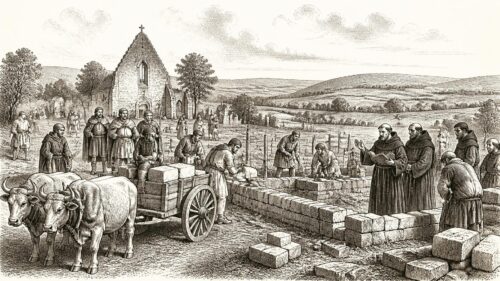
Medieval Ireland in 1353 appears through diverse, sometimes conflicting records. The Four Masters date William Buí Ó Ceallaigh’s Franciscan foundation at Kilconnell to this year, although Franciscan tradition proposes 1414 and surviving fabric reflects later patronage. The friary linked Gaelic lordship, Latin Christianity and local social life. Annals record Áed Ó Conchobair’s deposition in Connacht, other dynastic deaths and killings across the midlands and Ulster, while differing chronologies complicate dating. Pope Innocent VI reportedly settled Armagh and Dublin’s primacy dispute. Youghal received trading privileges in England and Wales. Together, these notices reveal politically fragmented yet religiously and commercially interconnected Ireland.
Read Article
Archived: 23 October 2026
Abstract
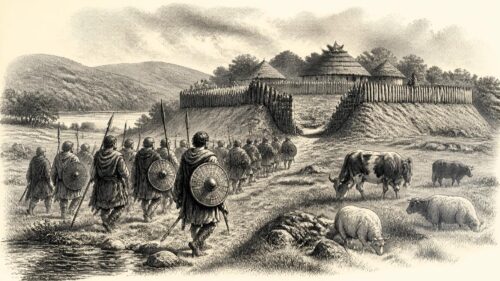
In 1352, annals from Connacht and later Four Masters record violent contests for lordship across Connacht, Breifne and Tír Chonaill. Aodh mac Toirdelbach Ó Conchobair forcibly recovered Connacht’s kingship against Gall and Gael, amid associated killings, and breached Baile an Dúin, destroying cattle and sheep. In Breifne, Aodh Ó Ruairc and his Clann Suibhne gallóglaigh were killed, while further deaths exposed unstable leadership. Aengus Ó Domhnaill’s treacherous killing triggered disputed succession in Tír Chonaill. Notices of captains, nobles and patrons reveal intertwined warfare and cultural support. Recent plague formed the background, but evidence does not establish a 1352 nationwide outbreak.
Read Article
Archived: 23 October 2026
Abstract
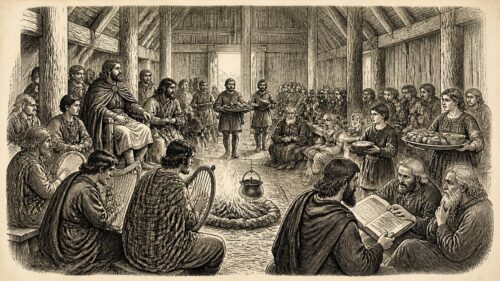
In 1351, Irish politics combined unstable lordship, royal administration, warfare and cultural patronage. Aodh Ó Conchobhair regained Connacht’s kingship through hostages and support, but conflict following Aodh Ó Ruairc’s capture devastated Moylurg. Other deaths and killings reflected continuing regional feuds. Thomas Rokeby’s October ordinances sought to reinforce English law, frontier security, labour regulation and land recovery, revealing the lordship’s weaknesses after plague and war. A Franciscan foundation at Ross Errilly was traditionally dated to this year, though evidence is late. At Christmas, Uilliam Buide Ó Ceallaigh hosted Ireland’s learned classes, using hospitality to proclaim wealth, authority and cultural prestige publicly.
Read Article
Archived: 23 October 2026
Abstract
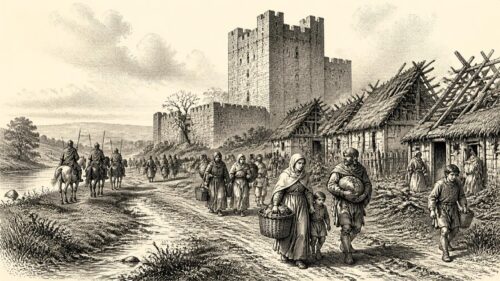
In 1347, Ireland comprised competing lordships, dynasties, church jurisdictions and towns. At Christmas, Domhnall Ó Ceinnéidigh led forces reportedly drawn from several provinces in a devastating assault on Nenagh and Ormond, sparing Nenagh Castle but exposing Butler authority while young Earl James Butler served in France. Annals also record killings, captures and successions across Connacht, Breifne, Ulster, Annaly and the south-east, revealing warfare affecting cultivation. Churches remained active through building, patronage and papal links. Learned figures were commemorated. Although plague spread in Europe, surviving Irish records place its arrival in 1348, making 1347 a year of political crisis before pandemic.
Read Article
Archived: 23 October 2026
Abstract
In 1342, Connacht was convulsed by a dynastic war that displaced King Toirrdelbach Ó Conchobair. Conchobar Mac Diarmata, Edmund Burke and rival Ó Conchobairs formed a coalition, humiliating Toirrdelbach at Elphin, destroying crops, fighting over fords and fortresses, and exploiting captivity and assassination. Aed Ó Conchobair became king, though Toirrdelbach regained power in 1343. Elsewhere, Conchobar Ó Domnaill was murdered in Tír Conaill, while raids caused deaths in Oriel. Dublin government abandoned contested reforms amid local resistance. Annalistic notices also record the deaths of poets, historians and clerics, revealing overlapping political, military, ecclesiastical and learned worlds during the year itself.
Read Article

Archived: 23 October 2026
Abstract
In 1340, Connacht lordship was contested through dynastic intervention, captivity, raiding and negotiated settlement. Toirdelbach Ó Conchobair installed a ruler in Uí Maine, but resistance killed his appointee; his imprisonment of a nephew provoked Mac Diarmata opposition and a peace at Ballymote. Breifne warfare over cattle killed Domnall Ó Ruairc, while prisoners were exchanged to restore political advantage. Other kin-group killings exposed fragile local rule. Edward III pardoned Edmund Albanach and Reymund de Burgh, seeking accommodation and military service. Cill Rónáin burned, and learned men died. Sources caution against misdating Ulster entries and a supposed Franciscan foundation in later annals.
Read Article
Archived: 23 October 2026
Abstract
In 1337, Ireland remained politically fragmented, with Anglo-Irish, Gaelic and royal authorities pursuing alliances, rents and warfare. William, son of the Earl of Ulster, reached a rent-based settlement with Brian Bán Ó Briain, while Aodh Reamhar Ó Néill made northern peace. In Connacht, Toirdelbach Ó Conchobair established a military position at Athleague against Edmund Burke, but Clann Cheallaig defeated and captured him. Feuds in Dartry and Breifne brought killings, raids, captivity and succession. Domnall Ruadh Ó Máille and his son were murdered. Dublin received royal governors, while bishops, scholars and poets died, illustrating the interdependence of power, church and learning.
Read Article
Archived: 23 October 2026
Abstract
In 1335, Ireland was divided among competing Gaelic lordships, settler families, church jurisdictions, towns and royal officials. On 4 May, Lysaght Ó Mórdha’s household killed Sir Raymond le Ercedekne, relatives and allies at a meeting near Claregalway, an exceptional blow memorialised at Kilkenny. Connacht suffered raids, plunder and uneasy reconciliation amid de Burgh fragmentation after 1333. Sir John Darcy mobilised Irish ships, nobles and taxation for Edward III’s Scottish war, raiding Arran and Bute. Local warfare, captures and church disputes continued. Heavy spring snow harmed birds throughout Ireland, while devotional practices and hereditary learning, including physician Gilla-na-nAingel Ó Casaide, persisted.
Read Article
Archived: 23 October 2026
Abstract
On 6 June 1333, William de Burgh, twenty-year-old earl of Ulster and lord of Connacht, was murdered near Carrickfergus by men associated with Ulster’s settler community. His death, following de Burgh family conflict, deprived vast, fragile lordships of an adult ruler. His widow fled to England with their infant heiress, while royal justice punished some killers but could not restore stability. Annals also record cattle-raiding, noble sureties, official campaigns and violence in Dublin, illustrating insecure aristocratic politics. The murder initiated divisions that later produced the Burke civil war and Mac William lordships, exposing limits of inherited power and English administration.
Read Article

Archived: 23 October 2026
Abstract
In 1331, authority in Ireland was asserted, evaded and fought over in several very different places at once. At Dublin, Edward III’s government sent a new justiciar and issued ambitious instructions for reform. In Leinster, raiders captured a royal castle and struck at the estates of the archbishop of Dublin. In Connacht, a lord abandoned secular rule for the monastery just as an army burned through his son’s territory. The surviving records do not create a complete national narrative: they are annals, administrative measures and later compilations, each with its own priorities. Yet together they show a lordship in which
Read Article
Archived: 23 October 2026
Abstract
In 1329, John de Bermingham, earl of Louth, was killed at Braganstown near Ardee by Louth’s English gentry, exposing divisions within the lordship rather than an ethnic revolt. His disputed authority, kern’s alleged depredations, and weak local roots fuelled resentment. Parliament in Dublin sought to curb magnate feuds, while rivalries persisted. The killers received pardons, Bermingham’s earldom lapsed, and Mortimer acquired Louth’s liberty. Political conflict also embroiled Bishop Ledrede. Campaigns and killings in Wicklow, the midlands, Breifne and Connacht revealed continuing warfare and shifting alliances. Wet weather delayed harvests, intensifying insecurity across Ireland for tenants, townspeople, and landed communities alike.
Read Article

Archived: 24 October 2026
Abstract
In 1328 Ireland endured crop damage, illness, destructive winds and scarcity, recorded across annalistic traditions. Political authority remained fragmented: William de Burgh returned to his Ulster inheritance, while royal orders sought to restrain magnates and an attempted Scottish-Irish peace meeting failed. De Burgh, Connacht and Thomond allies suffered defeat against Brian Bán Ó Briain; violence also killed John de Bermingham, earl of Louth. Obituaries reveal losses to legal, ecclesiastical and musical culture, amid church factionalism. On 2 November Edward III created James Butler earl of Ormond, granting Tipperary’s liberty and strengthening royal influence through territorial, judicial and commercial patronage networks.
Read Article

Archived: 24 October 2026
Abstract
In 1325, Domhnall Ó Néill, king of Tír Eógain, died at Loch Laoghaire, and his son Cú Uladh was murdered by rival kinsmen, precipitating a disputed succession eventually favouring Henry Ó Néill of Clandeboye. Intra-dynastic violence also affected Fermanagh and Thomond. Maurice fitz Thomas FitzGerald’s seizure of Bunratty Castle exposed contested Anglo-Irish authority and required intervention by justiciar John Darcy. Meanwhile, an audit at Westminster uncovered forged Irish exchequer accounts associated with Archbishop Alexander Bicknor, leading to confiscation of his temporal property. Together, these events reveal unstable, personal lordship, constrained royal power, and fragile administration across medieval Ireland at once.
Read Article
Archived: 24 October 2026
Abstract
In 1321, Irish annals recorded an unprecedented cattle murrain across Ireland, corroborated in Connacht, Ulster and Munster, where famine was also noted. The disease, of unknown cause, destroyed vital sources of food, labour, wealth and political obligation, exposing fragile recovery after earlier war and subsistence crises. Conflict nevertheless continued: Cathal Ó Conchobair destroyed the Rock of Loch Key and rivals were killed; Oriel endured dynastic mutilation and assassination involving Dundalk; Meath forces defeated Offaly chiefs; and a Munster hosting sought castles and hostages. These events reveal local, interwoven Gaelic and settler politics, but cattle mortality remained the year’s island-wide calamity.
Read Article
Archived: 24 October 2026
Abstract
In 1310, Ireland remained politically fragmented despite Edward II’s lordship. At Kilkenny Parliament, John Wogan, Richard de Burgh and church leaders addressed disorder, revealing reliance on powerful magnates. In Connacht, Aed Brefnech Ó Conchobair’s destructive campaign against Mac Diarmata included killings, capture and burning; his allies then sacked Buninna Castle. Aed was subsequently murdered by mercenaries, allegedly bribed by William de Burgh, whose soldiers imposed oppressive quartering. Feidlim Ó Conchobair emerged as king of Connacht. Richard rebuilt Sligo Castle, asserting contested authority. The year also saw scholar Tanaide Ó Maelchonaire’s death, wine landing in Magh Cétné, and violence across Ireland.
Read Article
Archived: 24 October 2026
Abstract
In 1307, Edward II succeeded Edward I as Lord of Ireland, while existing Dublin administration continued under officials including newly appointed Exchequer treasurer Alexander de Bicknor. Richard de Havering received Dublin archbishopric temporalities but was never consecrated, and bishops died at Kilmacduagh and Elphin. At Ahascragh, Donnchad Muimhneach Ó Cellaigh of Uí Maine defeated forces associated with Roscommon, capturing the sheriff and other opponents. Prisoners were released under restitution for an earlier burning attributed to Edmund Butler, before Ó Cellaigh died. Killings among Ó Conchobair claimants underscored Connacht instability. Sources require caution because annalistic chronologies conflict over some recorded events.
Read Article

Archived: 24 October 2026
Abstract
In 1304, Dublin suffered an accidental fire that destroyed St Mary’s Abbey, the Dominican house and much of the city, disrupting religious, commercial and administrative life. Chancery rolls covering 1291–1300 were lost, deepening later gaps in Ireland’s records. Justiciar John Wogan struggled to secure Athlone while Irish resources supported Edward I’s Scottish war. Richard de Burgh served in Scotland, but his wife and heir Walter died, altering succession. In Bréifne, Matha Ó Raighilligh was killed with his gallóglaigh, exposing volatile regional lordship. These events reveal interconnected vulnerabilities across medieval Ireland, though evidence offers little detail about ordinary people’s lives directly.
Read Article
Archived: 24 October 2026
Abstract
In 1302, Ireland experienced political change, conflict and widespread cattle mortality. Domnall Ruad Mac Carthaig, king of Desmond, died in February after a long reign and was succeeded by his son, Domnall Óc. His Franciscan burial at Cork reflected both dynastic status and penitential religious culture. Donn Carrach Mag Uidir of Fermanagh, several prospective heirs, and leading churchmen also died, creating important vacancies. Raids in Mag Céidne demonstrated continuing competition among Connacht elites. Annals described severe disease among cattle throughout Ireland, threatening rural wealth, food supplies, tribute and lordly power. Chronological differences between sources require caution over some associated events.
Read Article

Archived: 24 October 2026
Abstract
In 1300, construction began at Ballymote Castle in County Sligo, probably under Richard de Burgh, the Red Earl of Ulster and lord of Connacht. The fortress signalled and supported de Burgh influence in contested Corran, though Gaelic and settler powers remained varied and interconnected. Annalistic notices associate deaths in the earl’s household with this period, highlighting succession’s importance, but dating is uncertain. Meanwhile, justiciar John Wogan ordered provisions from Irish ports for Edward I’s Scottish war. Castle-building, royal requisitioning, trade, labour, religious institutions, and local violence reveal Ireland as a politically fragmented yet increasingly interconnected island within wider overseas affairs.
Read Article

Archived: 24 October 2026
Abstract
In 1299, Ireland saw dispersed developments rather than a single national event. Theobald Butler died childless at Turvey, passing his office and lands to Edmund. John Wogan’s government relied on Richard de Burgh as deputy justiciar during his Scottish absence, following settlement of magnate conflict. Edward I protected the Curragh’s pasture by banning swine. In Annaly, Sefraid Ó Fearghail killed Meath knight Seoán de la Mare during a livestock pursuit, illustrating frontier tensions. Irish annals also noted Scottish conflict and Bishop Muiris Ó hÓcáin’s death. Misdated annalistic entries concerning Armagh and Tír Chonaill properly belong to 1303, not 1299 itself.
Read Article
Archived: 24 October 2026
Abstract
In 1296, Connacht suffered a violent Ó Conchobair succession struggle. Áed son of Eógan was deposed for Conchobar Ruad, whose supporters seized hostages and ravaged Cairbre, including churches. Backed by Uilliam and Theobald Burke, Áed assembled at Boyle Abbey, plundering grain and livestock, before alliances shifted again. Conchobar was killed at Cend Ceti, restoring Áed; his rival’s son was later blinded. Ecclesiastical deaths and burials stressed Boyle and Ballintober’s importance. Meanwhile, Irish magnates and troops joined Edward I’s Scottish invasion, criticised by annalists for sacrilege. Reports of weather and cattle disease illustrate insecurity surrounding food, livestock, lordship and religious institutions.
Read Article
Archived: 24 October 2026
Abstract
In 1295, Ireland remained divided among Anglo-Irish lordships, Gaelic kingdoms and church lands, where authority depended on negotiation, hostages and armed force. At Kilkenny, Richard de Burgh, the Red Earl, was released after hostages guaranteed a settlement with John fitz Thomas FitzGerald. Thomas fitz Maurice, acting as royal keeper, secured temporary submissions from Wicklow groups through fines and hostages. John Wogan became justiciar, tasked with preparing Irish resources for Edward I’s Scottish war. Annals also record dynastic killings, contested successions, plunder and expulsions in northern and southern regions, revealing persistent regional conflict despite royal efforts to restore order and stability.
Read Article
Archived: 24 October 2026
Abstract
In 1289, Ireland’s overlapping lordships were tested by warfare, alliance and royal intervention. Richard Tuite led Meath settlers and Connacht’s king Maghnus against Uí Máel Sechlainn, but was killed when their coalition lost at Crois-Shliabh. Fiachra Ó Flainn was murdered while seeking a marriage alliance with settlers, while Mac Muiris and Mac Feorais suffered defeat against Leinster princes, losing Meyler de Exeter, horses and spoils. John fitz Thomas FitzGerald secured Peter Bermingham’s lifetime military service. Archbishop John of Sandford, keeper of Ireland, campaigned in Laois, enforcing the king’s peace. Annalistic deaths also reveal active ecclesiastical and learned institutions amid instability.
Read Article
Archived: 24 October 2026
Abstract
In 1288 Magnus Ó Conchobair seized Connacht after defeating and capturing his brother Cathal at Bellaslishen, a strategic ford near Roscommon. His victory brought plundering, but winter attacks at Ros Mór wounded him and exposed continuing resistance. Recovering, he took hostages in Síl Muiredaig to enforce obedience. Richard de Burgh, Red Earl of Ulster and lord of Connacht, advanced to Roscommon but withdrew amid opposition, although sources dispute subsequent terms. Stephen de Fulbourn, archbishop of Tuam and justiciar, died, prompting William de Bermingham's election. Changes in church and chancery office reflected contested authority among Gaelic rulers, magnates and royal administration.
Read Article

Archived: 24 October 2026
Abstract
1287 in Ireland was marked by succession, local violence and deaths without island-wide upheaval. Thomas de Clare, lord of Thomond, died on 29 August, leaving his six-year-old heir Gilbert and placing lands under wardship. His death altered but did not end contested power around the Shannon; Toirrdelbach Ó Briain later raided Ormond and Limerick. In Connacht, Diarmait Midech Mac Diarmata and Gilla na nÉc Ó Mannacháin died alongside lesser rulers and clerics. Archdeacon Florint Ó Gibealláin was praised for learning. Máel Sechlainn Mag Oirechtaig was killed in revenge for broken loyalty. Misdated de Burgh campaigns belong to 1291, not 1287.
Read Article

Archived: 24 October 2026
Abstract
A year recorded through a single campaign The surviving Irish annals make 1286 look, at first sight, like a year dominated by one extraordinary movement of armed power. Their central notice is a mórshluaiged, or great hosting, led by the Earl of Ulster into Connacht. The earl was Richard de Burgh, later famous as the Red Earl: lord of Connacht through his inheritance and one of the greatest magnates in the English lordship of Ireland. Yet the evidence must be handled closely. No source supplies a day, a route, a battle-site, a list of troops or a full explanation for
Read Article
Archived: 24 October 2026
Abstract
In 1285, records from Connacht and Bréifne depict contested local power rather than a national crisis. Magnus Ó Conchobair defeated Adam Cusack’s settler force at Ballysadare, killing many and capturing Colin Cusack, but Pilib Mac Gosdelb soon routed Magnus’s followers at Sliabh Gamh, with heavy losses among lesser levies. Ruaidrí Ó Gádra, king of Sliabh Lugha, was killed by Mac Feorais near Lough O’Gara. Simon Ó Ruairc, bishop of Bréifne, died, as did Alis, daughter of Cormac, and Enri Mac Gilla Finnein. Annals emphasise fluid alliances, strategic routes, hostage-taking, and precarious lordship, while warning against chronologically misplaced later annalistic entries.
Read Article

Archived: 24 October 2026
Abstract
In 1284, Irish politics was shaped by local conflict, succession and contested lordship rather than an island-wide crisis. In Thomond, Toirdelbach Ó Briain killed his rival Donnchad, strengthening his position and troubling Thomas de Clare’s Bunratty lordship. In Connacht, Simon d’Exeter’s death provoked raids, while losses suffered by Holy Trinity Island and Boyle Abbey were repaid; Fiachra Ó Flainn burned Dunmore. King Cathal mac Conchobair Ruaid demolished Kilcolman Castle, challenging fortified authority. Elphin saw rapid episcopal changes after two deaths. Killings of northern chiefs further demonstrate fragile regional power, where kinship, churches, compensation and strongholds shaped political control across Ireland.
Read Article
Archived: 24 October 2026
Abstract
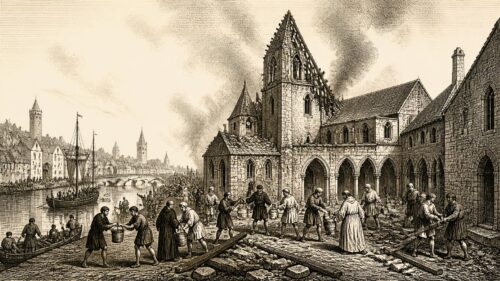
In 1283, Áed Buidhe Ó Néill, king of Tír Eógain, was killed by rivals from Airgíalla and Breifne, destabilising northern politics and encouraging a contested succession. In Connacht, the wounding and death of Tadc Ó Conchobair illustrated dynastic rivalry and the political value of custody. Domnall Ruad Mac Carthaig of Desmond countered a plot with support from prominent Anglo-Irish lords, securing a negotiated settlement involving livestock. Dublin and Christ Church suffered a serious fire, exposing urban vulnerability. Together, these events reveal Ireland as a network of competing lordships, temporary alliances, ecclesiastical institutions, commerce, violence and negotiation across the whole island.
Read Article
Archived: 24 October 2026
Abstract
In 1282, Muirchertach Mac Murchada, king of Leinster, and his brother Art were murdered at Arklow on 21 July while travelling under safe conduct to meet Roger Bigod in England. Evidence links the killing to justiciar Stephen de Fulbourn’s frontier policy, exposing the insecurity of agreements between Gaelic rulers and royal government. Their deaths temporarily weakened Leinster unrest but did not end contested lordship. Annals also record Taichlech Ó Dubhda’s killing, Lasarfina Ó Conchobair’s death, chieftaincies changing hands, and prolonged winter snow. These events reveal Gaelic, Anglo-Irish and royal worlds, while annalistic dating cautions against assigning uncertain conflicts to 1282.
Read Article

