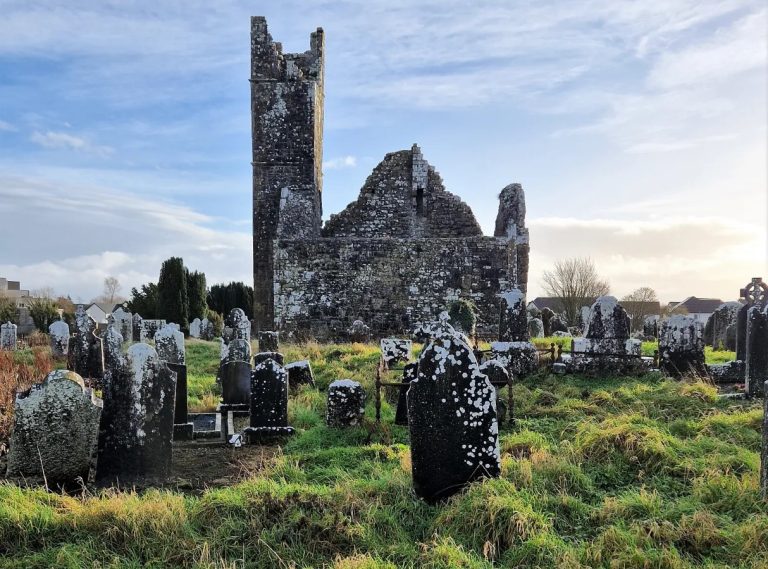
Drunken Thady
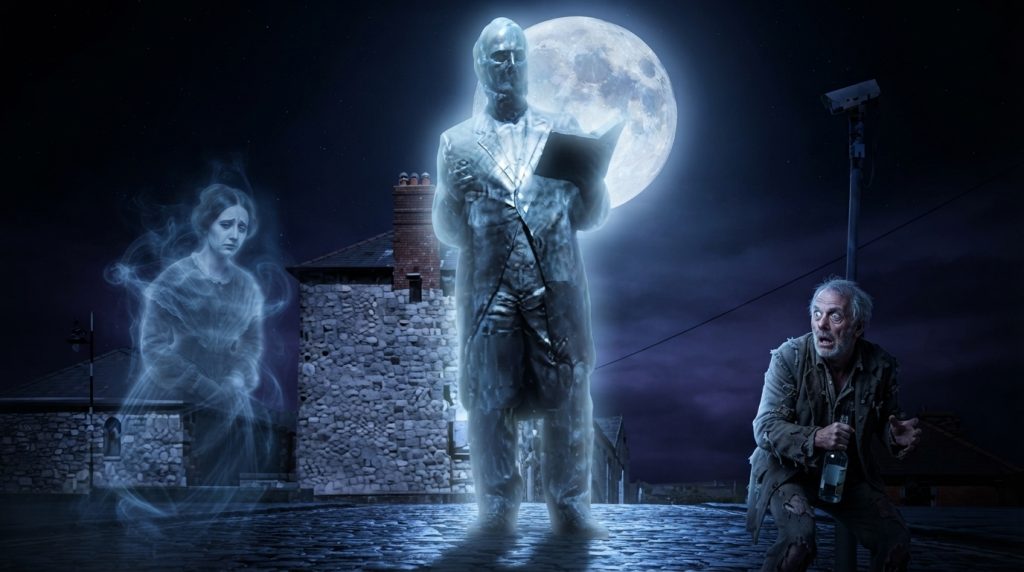
Michael Hogan’s long ballad Drunken Thady and the Bishop’s Lady survives in Limerick speech and print as more legend than riddle. The poem sets a drunken city character against a spectral feminine figure beside Thomond Bridge, entertaining with crude humour, an improbable encounter and a falling into the Shannon. Read locally it functioned as tale and recitation, a piece of communal drama performed at wakes and fairs where audience recollection mattered. That performative context is crucial: Hogan shaped communal memory rather than composing an opaque cipher. This history is attested in contemporary local print sources and broadsides and oral testimony.
Beneath its narrative the poem rehearses familiar nineteenth‑century tensions of class and clerical authority. The Bishop’s Lady appears as both social scandal and symptom, a figure exposing anxieties about clerical privilege, elite secrecy and sexual double standards in a provincial city. Thady’s comic helplessness highlights popular resistance by making supposed superior figures ridiculous while humour provides protective disguise. Hogan’s local names — streets, buildings and inns — let audiences recognise types without explicit accusation. The poem therefore functions as social satire wrapped in folklore, enabling grievance to be voiced through laughter and monstrous image for sympathetic local listeners and reciters.
Hogan worked within a long oral tradition that treated supernatural motif as moral lesson and local topography as stage. Ghostly visitations and bridge apparitions belong to older street‑tales that circulated in Limerick before appearing in print, and his poem collected, codified and amplified these stories for wider circulation. By fixing otherwise fluid tales into a durable town legend he preserved variants of speech and dialect that might otherwise have been lost. The ballad form encouraged mnemonic repetition: readers and reciters altered emphasis and detail, sometimes punishing the Bishop’s Lady, sometimes Thady, sometimes stressing intemperance, sometimes hypocrisy, thus conserving variability locally.
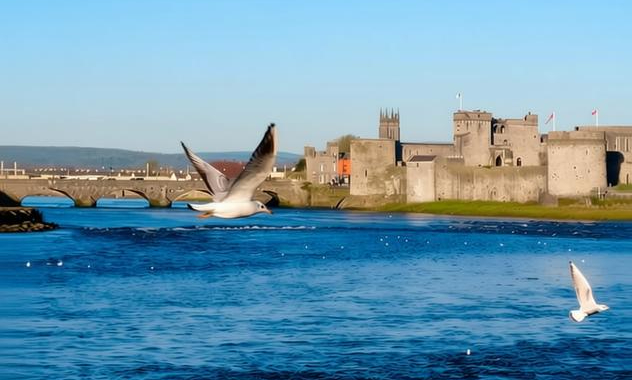
Contextual reading benefits from nineteenth‑century print culture and civic life in Limerick where Hogan published in local papers and in his Lays and Legends of Thomond. His audiences therefore knew the municipal scene: Thomond Bridge, King John’s Castle and particular inns and streets that anchor the poem’s satire. Those named places invited local identification with or against the poem’s targets and turned jest into civic memory about respectability, gossip and public reputation. For archive researchers the ballad is best read alongside contemporary newspapers, directories, parish registers, corporation minutes and printed broadsides to chart who was being named and why locally.
In short, the poem’s hidden meaning is social rather than occult: it satirises local elites, recasts oral ghost lore into public verse and stages communal identity through humour and theatrical macabre. Readers seeking nuance should pursue archival research in contemporary newspaper reviews, parish records, municipal minutes, printed broadsides and local printed guidebooks that document places named in the verse. Material evidence concerning Thomond Bridge, together with recorded local recollection in folklore collections, supplements analysis. Combined, these lines of enquiry show Hogan as a poet‑reciter who used balladry and performance to encode popular critique within entertainment for a recognisable local audience.
Primary Sources
- Limerick Chronicle, “Drunken Thady and the Bishop’s Lady” (printed broadside or newspaper text), Limerick Local Studies collection (digitised ballads file), referenced as ballads061.pdf.
- Michael Hogan, Lays and Legends of Thomond (first published 1861); original edition as printed volume containing ‘Drunken Thady and the Bishop’s Lady’.
- National Library of Ireland photographic item ALB393 showing mid‑nineteenth‑century Limerick social costume and references to the Bishop’s daughter imagery, National Library of Ireland Photograph Collection. Source Link
- Schools’ Collection (Dúchas) oral testimony recounting the Drunken Thady story collected from Limerick informants, National Folklore Collection. Source Link
- Contemporary newspaper notices and reviews of Hogan’s poems in The Irishman, The Nation and The Limerick Chronicle, 1850s–1870s (local newspaper runs held at Limerick Local Studies).
- Ordnance Survey Name Books and six‑inch maps for City and County of Limerick (c.1839–1843) documenting Thomond Bridge and adjoining streets, held in national and local map collections.
- Limerick Corporation minutes and paving/works volumes noting Thomond Bridge and street repairs (nineteenth century), Limerick City and County Archives municipal records.
- Parish marriage and burial registers for St Mary’s and adjoining parishes (nineteenth century) to trace persons associated with episcopal households and local inns mentioned in oral tradition, diocesan archives.
- Printed broadsides and ballad sheets containing local ballads, c.1850–1890, held in Limerick Local Studies and National Library of Ireland ballad collections.
- Contemporary accounts and municipal printed guides referencing King John’s Castle, Thomond Bridge and local topography in the mid‑nineteenth century (e.g. Maurice Lenihan, History of Limerick, mid‑1860s), local history prints and engravings.