Archived: 18 October 2026
Abstract
In 1541, Dublin parliament declared Henry VIII king, rejecting papal claims and linking Irish kingship to England’s crown. Sir Anthony St Leger pursued surrender and regrant, granting titles to Edmund Butler and Barnaby Fitzpatrick, securing pardons and agreements and seeking allegiance from Gaelic and Anglo-Irish rulers. Crown authority nevertheless remained concentrated around the Pale. An autumn Ulster campaign brought Conn Bacach O’Neill’s submission, while Manus O’Donnell sought recognition. Dissolution of religious houses transferred property, affecting communities and economies. Proclamations and safe conducts reveal governance. The act created a legal kingdom, but control still depended on negotiation, force and local power.
Read Article

Archived: 18 October 2026
Abstract
In 1540 Ireland remained divided between Tudor authority and powerful Gaelic lordships. Leonard Grey left office and was arrested, while Sir Anthony St Leger became Lord Deputy, pursuing cooperation rather than immediate universal warfare. Manus Ó Domhnaill sent Henry VIII an apologetic letter via Bristol, signalling negotiation without submission. Crown commissioners surveyed dissolved monasteries, redirecting wealth where English power reached, while Franciscan patronage survived in Thomond and violence accompanied suppression at Monaghan. Gaelic rulers built castles, conducted campaigns, took hostages and fought dynastic conflicts. Thus, administrative reform, religious change, Irish Sea diplomacy and regional warfare coexisted, leaving Tudor control incomplete.
Read Article
Archived: 18 October 2026
Abstract
In 1539, Conn Bacach O’Neill and Manus O’Donnell allied, solemnising their pact at a Donegal friary, while Manus consolidated influence through tribute, hostages and agreements. Their raid through Meath reached Tara but ended in defeat when Lord Deputy Leonard Grey intercepted their returning force at Bellahoe. The battle demonstrated Dublin’s capacity to punish incursions, though northern lordships remained resilient. Meanwhile, Henrician commissioners advanced religious reform, suppressing houses, redistributing property and remodelling Holy Trinity, Christ Church, as a secular cathedral. Deaths, disputed successions and destructive June storms further exposed widespread persistent insecurity. Royal authority and reform remained uneven outside government-controlled districts.
Read Article
Archived: 18 October 2026
Abstract
In 1538, Lord Leonard Grey extended Tudor influence through an armed western progress, securing submissions, attacking Claregalway Castle and visiting Galway, where civic hospitality reflected loyalty. Yet authority remained contingent: regional rulers used crown alliances for dynastic rivalries, while warfare continued in Connacht, Tyrone, Fermanagh and Wicklow. Grey’s support helped Ulick Burke dominate Clanricarde, and Thomond politics shifted around O’Brien competition. Religious reform advanced unevenly through Browne’s contested visitation and monastic suppressions, while Newry was remodelled rather than dissolved. Piers Butler regained Ormond’s earldom, and urban education and patronage persisted. Ireland remained politically fragmented, governed through force, negotiation and bargains.
Read Article
Archived: 18 October 2026
Abstract
In 1537, Henry VIII’s government intensified its authority in Ireland, executing Silken Thomas FitzGerald and five uncles, investigating Lord Deputy Leonard Grey, and enacting Reformation statutes asserting royal supremacy, restricting Rome and enabling religious suppression. Their impact remained uneven beyond government-controlled districts. Grey’s expedition demolished Daingean castle in Offaly, yet O’Conor Faly recovered power. In Tír Chonaill, Aodh Dubh O’Donnell died and Manus O’Donnell was inaugurated at Kilmacrennan, though rivalry persisted; Manus subsequently campaigned in Lower Connacht. Conflict also disrupted Clandeboye and Fermanagh, where Cuconnacht Maguire was killed. Deaths, warfare and legislation reshaped lordships, but Gaelic structures proved resilient locally.
Read Article
Archived: 18 October 2026
Abstract
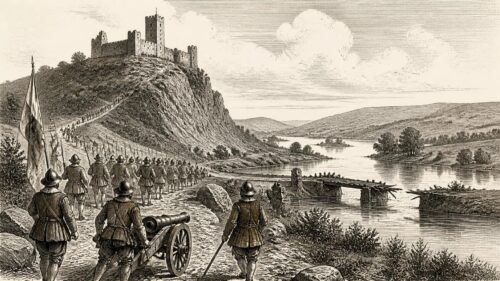
In 1536, Tudor authority in Ireland expanded after the Kildare revolt through Leonard Grey’s appointment as lord deputy, the Dublin parliament and military campaigning. Parliament asserted Henry VIII’s royal supremacy over the Irish church, attainted Kildare interests and initiated changes to religious property, though enforcement remained limited and monastic dissolution was incomplete. Grey captured Carrigogunnell Castle and destroyed its bridge, exploiting regional rivalries. Elsewhere, Connacht experienced succession disputes, raids, artillery warfare, sanctuary violations and the burning of Dromahair monastery. Plague, smallpox and illness compounded instability, while deaths of lords and poet Tomás Ó hUiginn marked cultural loss. Local lordship remained.
Read Article
Archived: 18 October 2026
Abstract
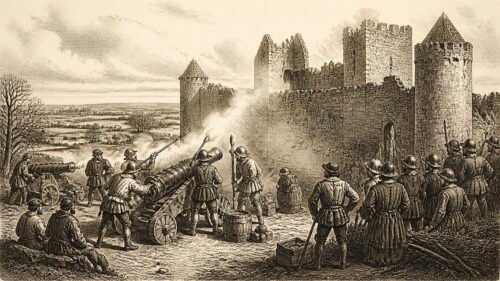
In 1535, the Kildare rebellion collapsed through military defeat, fractured alliances and Thomas FitzGerald’s surrender. Crown artillery captured Maynooth Castle in March, after which surrendered defenders were executed, creating the notorious memory of Maynooth’s pardon. Gaelic allies submitted or negotiated as royal pressure intensified. Leonard Grey received Thomas’s surrender in August and escorted him to England, where imprisonment preceded execution in 1537. Government forces also captured Dungarvan, while northern agreements revealed dependence on powerful local lords. Skeffington’s death closed a campaign. Victory dismantled Geraldine power without establishing secure government across Ireland, leaving authority contested through rivalries, coercion and fragile bargains.
Read Article
Archived: 18 October 2026
Abstract
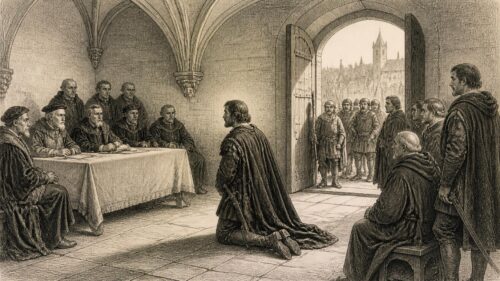
In 1534, Thomas FitzGerald, vice-deputy and heir to Kildare, renounced Henry VIII at Dublin’s St Mary’s Abbey after his father Gerald was recalled and imprisoned in London. Claiming papal loyalty, Thomas besieged Dublin Castle, mobilised Geraldine, Gaelic and Pale support, and sought foreign aid, but faced opposition from towns, Butlers and royal officials. War brought raiding and devastation across surrounding regions; Archbishop John Alen was murdered after capture near Clontarf. Gerald died in the Tower in September, making Thomas earl. Sir William Skeffington’s October arrival with a royal army shifted the balance, leaving Thomas entrenched at Maynooth under a truce.
Read Article
Archived: 18 October 2026
Abstract
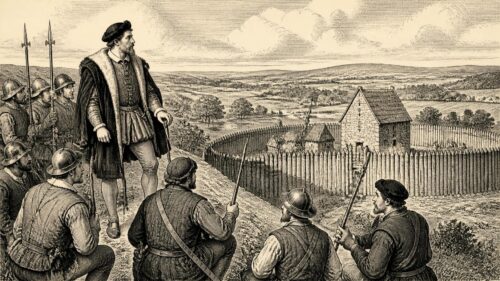
In 1533, Ireland was governed through competing crown, Gaelic and Anglo-Irish powers rather than uniform Dublin rule. Lord Deputy Gerald FitzGerald aided Ferganainm Ó Cearbhaill, capturing Shinrone Castle in Éile, yet a rival claimant soon emerged, exposing Geraldine dependence on alliances and rivalry with the Butlers. Annals record night seizures of Sligo and Ardnaree, punitive raids, executions and violent successions across Moylurg, Firceall and Clannaboy. These conflicts disrupted communities but lordship also rested on hospitality, learning, agriculture and church organisation. Kildare’s Dublin parliament regulated corn disputes within limited crown territory. Ireland remained Catholic, although Henry VIII’s changing position foreshadowed rupture.
Read Article
Archived: 18 October 2026
Abstract
In 1532 Gerald FitzGerald, ninth earl of Kildare, regained the deputyship, yet royal authority remained dependent on alliances with Anglo-Irish and Gaelic lords. Campaigning in Ulster, disputed in date between 1531 and 1532, devastated Tír Eógain through burning, plunder and cattle seizure. In Ely, Kildare supported his son-in-law Ferganainm Ó Carroll during the Birr succession struggle, where he was seriously wounded by gunfire. Feuds continued across Ossory, Connacht and the north-west, occasionally violating sanctuary. Amid violence, Manus Ó Domhnaill compiled Betha Colaim Chille at Lifford, affirming Catholic learning, Irish vernacular culture, dynastic prestige and Colum Cille’s regional importance, lasting significance.
Read Article
Archived: 18 October 2026
Abstract
In 1531, Sir William Skeffington’s government, supported by the earl of Kildare and Aodh Dubh O’Donnell, campaigned in Tír Eoghain against Conn Bacach O’Neill after O’Donnell’s submission at Drogheda. The coalition devastated territory and halted at Kinard, but failed to secure O’Neill’s defeat or lasting royal control. Ulster remained divided: O’Donnell faced conflict with his son Manus, while lordship disputes, raids, captivity and fosterage shaped local power. Skeffington’s authority also weakened as relations with Kildare deteriorated and parliament rejected a subsidy. Annalistic obituaries nevertheless record medical learning, hospitality and patronage, underscoring a society sustained by networks of care alongside warfare.
Read Article
Archived: 18 October 2026
Abstract
In 1530, Ireland remained divided among the Pale, Anglo-Irish magnates and Gaelic lordships. Gerald FitzGerald, ninth Earl of Kildare, returned from England alongside the new deputy, Sir William Skeffington, whose government relied uneasily on Kildare’s influence. Their forces compelled midland submissions from the O’Mores and O’Connors. Aodh Dubh O’Donnell raided Connacht and Breifne, extracting tribute, burning settlements and making temporary peace. Donegal hosted a Franciscan chapter lavishly supported by O’Donnell patronage. Annals also record deaths, dynastic killings and hospitality, illustrating authority founded on armed followings, negotiated settlements, religious patronage and household generosity rather than stable national rule throughout the island.
Read Article
Archived: 18 October 2026
Abstract
In 1529, local violence, succession and cautious royal intervention shaped Ireland. In Tír Chonaill, Manus Ó Domhnaill captured and demolished Castleforward after a Scottish MacDubhghaill was killed there, weakening a rival power centre amid family conflict. Annals recorded killings and feuds across Ulster, involving lords, clergy and ruling kindreds. James fitz Maurice FitzGerald, earl of Desmond, died without a legitimate son, succeeded by his elderly uncle Thomas, whose alliances helped secure Munster interests. Sir William Skeffington negotiated peace between Desmond and Ossory while assessing royal authority. Learned jurists and poets also died, demonstrating the continuing importance of Gaelic professional culture.
Read Article
Archived: 18 October 2026
Abstract
In 1528 Richard Nugent, Lord Delvin, vice-deputy during Kildare’s detention in England, was captured by Brian Ó Conchobhair Fáilghe after challenging the black rent paid by Meath communities. His imprisonment until February 1529 exposed Dublin government’s military weakness and dependence on magnates. Kildare’s continuing rivalry with Piers Butler, later earl of Ossory and deputy, deepened instability, while John Alen became chancellor after Hugh Inge’s death. Across Ireland, successions in Thomond, Bréifne and Moylurg, Uí Néill violence, Scottish-linked campaigning, learned and religious patronage, charitable hospitality, and a destructive pre-Christmas storm demonstrated resilient regional political, cultural and economic life beyond the Pale.
Read Article
Archived: 18 October 2026
Abstract
In 1527, Ireland remained divided among the Dublin administration, Anglo-Irish magnates and Gaelic lordships. Gerald FitzGerald, earl of Kildare, and James Butler travelled to England amid rivalry, while fighting continued between Desmond and Butler interests in Munster. Manus O’Donnell completed Lifford Castle during war with Con Bacach O’Neill, strengthening a contested Ulster frontier. O’Donnell’s coalition ravaged Moylurg and captured several castles; Castlereagh later surrendered after a prolonged siege and famine. Successions in Fermanagh and Tirerrill demonstrated contested lordship. Annals also commemorated scholars, physicians, charitable women and Edmund Butler’s consecration as archbishop of Cashel, revealing cultural and ecclesiastical institutions amid warfare.
Read Article
Archived: 18 October 2026
Abstract
In 1526, Ireland’s fragmented political order was shaped by failed diplomacy, raiding, fortification and contested successions. Gerald FitzGerald, earl of Kildare, unsuccessfully mediated between Conn Bacach O’Neill and Manus O’Donnell, whose rivalry centred on the Tír Chonaill–Tír Eóghain frontier and O’Donnell’s castle at Port na dTri Namhad. O’Donnell forces raided Tír Eóghain and defeated opponents in Connacht, securing hostages and destroying castles while warfare devastated crops and communities. Succession disputes followed deaths among O’Reilly, O’Dochartaigh and O’Rourke kindreds; church office also provoked violence. Severe weather killed raiders. Kildare’s English summons weakened mediation, leaving conflicts unresolved across the island’s competing lordships.
Read Article
Archived: 18 October 2026
Abstract
In 1525, Gerald FitzGerald, ninth earl of Kildare and lord deputy, convened a great Dublin council between Conn Bacach Ó Néill and Aodh Dubh Ó Domhnaill, but failed to resolve their Ulster rivalry over Inishowen. Ó Domhnaill subsequently raided Tír Eoghain, before autumn arbitration by Kildare and Manus Ó Domhnaill produced a temporary peace. Kildare also faced conflict with Piers Butler, while Waterford defended its privileges amid anticipated parliamentary action. The murder of Bishop Maurice Doran of Leighlin prompted brutal reprisals. Annals recorded deaths, hospitality, learning and religious observance, demonstrating that Dublin’s authority depended upon negotiation with powerful autonomous lordships.
Read Article
Archived: 18 October 2026
Abstract
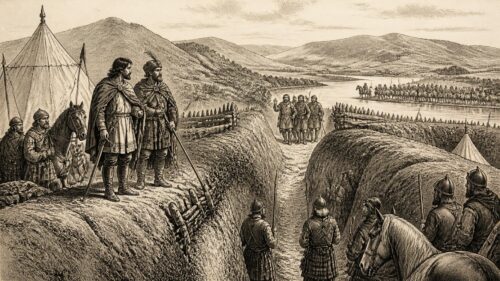
In 1524, severe weather and cattle losses heightened insecurity across Ireland, where raiding, dynastic conflict and magnate rivalry shaped political life. Henry VIII restored Gerald FitzGerald, ninth earl of Kildare, as lord deputy, ending Piers Butler’s tenure but not their feud. Allied with Conn Bacach O’Neill, Kildare campaigned in Tír Chonaill against Aodh Dubh O’Donnell. After night fighting, negotiation produced a peace guaranteed by Kildare and reinforced by spiritual kinship. Violence nevertheless continued in Ulster, Breifne and Munster. Annalistic obituaries stressed hospitality, patronage and charity as essential marks of lordship, while warfare’s costs fell upon rural communities throughout the island.
Read Article
Archived: 18 October 2026
Abstract
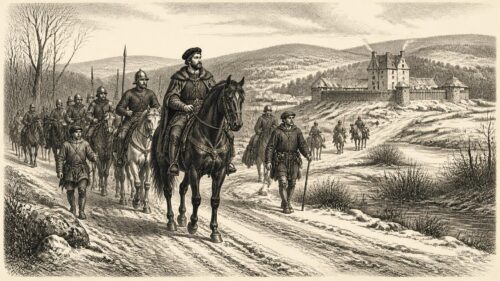
Ireland in 1523 was governed through competing authorities whose interests extended beyond Dublin. Henry VIII’s administration depended upon negotiation with magnates, towns and Gaelic rulers. Gerald FitzGerald, ninth earl of Kildare, returned from England, renewing his rivalry with the lord deputy, Piers Butler, earl of Ormond. James FitzGerald, earl of Desmond, pursued connections with France, while northern dynasties fought and bargained largely beyond government control. Kildare’s return was intended to strengthen the lordship’s exposed frontier, yet intensified political competition. The year illustrates how royal appointments, rivalries, foreign diplomacy and regional military power shaped the limits of English authority in Ireland.
Read Article
Archived: 18 October 2026
Abstract
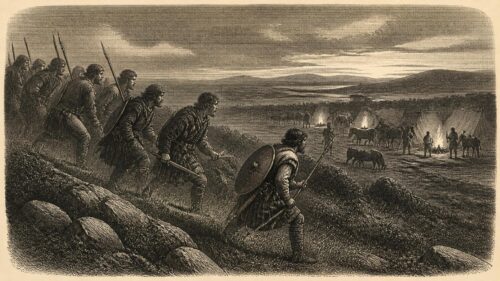
In 1522, Aodh Dubh Ó Domhnaill defeated Conn Bacach Ó Néill’s extensive coalition at a surprise night attack at Cnoc Buidhe, or Knockavoe, near Strabane. Conn’s allies included Ulster lords, Connacht and Munster contingents, men from Meath and Leinster, and Scottish mercenaries. Earlier raids captured Ballyshannon, burned settlements and seized livestock, damaging Tír Chonaill’s communities and resources. Ó Domhnaill’s victory disrupted the coalition’s planned advance from Sligo and preserved his lordship, though warfare continued into 1523. The campaign demonstrated Ireland’s interconnected political and maritime world, while annalistic notices also recorded churchmen, scholars and the wartime deaths of learned household members.
Read Article
Archived: 18 October 2026
Abstract
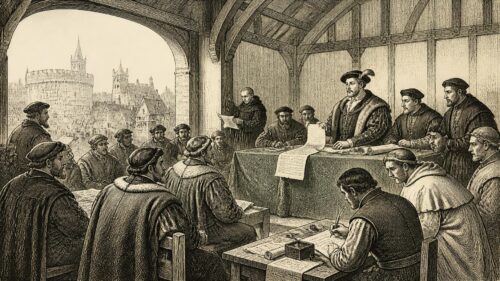
In 1521, Thomas Howard, earl of Surrey, sought to extend Henry VIII’s authority in Ireland, but inadequate money, troops and local support exposed the limits of Dublin government beyond the Pale. A June parliament regulated crop burning, wool exports and jury procedure, yet resisted the burdens of billeting and military finance. Surrey’s campaigns and negotiations in the midlands did not end shifting regional alliances. Annals recorded successions, killings, lordship disputes and ideals of hospitality across Ulster and Fermanagh. George Cromer received Armagh, while William Rokeby died. Surrey’s December recall confirmed that Tudor intervention remained costly, partial and showed dispersed power.
Read Article
Archived: 18 October 2026
Abstract
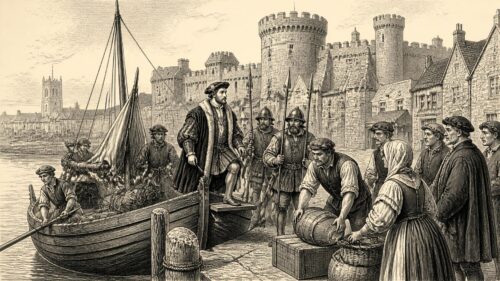
In 1520 Henry VIII appointed Thomas Howard, earl of Surrey, lieutenant of Ireland, replacing the influence of detained earl of Kildare. Landing at Wood Quay with English troops, Surrey repaired Dublin Castle, defended the Pale and pursued negotiated submissions from Gaelic and Anglo-Irish rulers. His campaigns, truces and oaths brought gains, but depended on allies, coercion and shifting interests. Disease disrupted government, while troop concentrations caused shortages and coign and livery burdened communities. Insufficient revenue, poor logistics and warfare restricted policy. Annalistic evidence reveals lordships, succession disputes and learned institutions. Surrey's expedition exposed the limits of crown authority beyond Dublin.
Read Article
Archived: 18 October 2026
Abstract
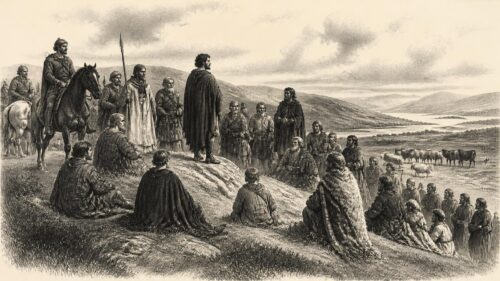
Ireland’s political landscape in 1519 changed through succession, departures, disease and agricultural hardship. In Ulster, Conn Bacach Ó Néill succeeded his half brother Art Óg as lord of Tír Eógain. Deaths among leading figures elsewhere altered regional balances, while Gerald FitzGerald’s departure for England exposed the uncertainty surrounding Dublin’s administration. Irish annals also record plague in Dublin and an wet summer and harvest associated with sickness and suffering. These accounts place elite political change beside the difficulties experienced by communities. The year reveals how dynastic authority, royal intervention, epidemic disease and weather together shaped an island of overlapping regional powers.
Read Article
Archived: 18 October 2026
Abstract
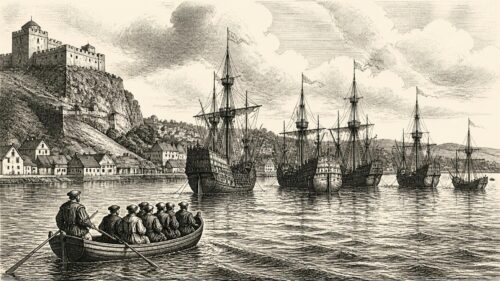
In June 1518, storms diverted Archduke Ferdinand’s Habsburg flotilla to Kinsale, where the fifteen-year-old brother of Charles of Habsburg received provisions, formal hospitality and civic discipline before sailing for Flanders. Laurent Vital’s account offers valuable, though prejudiced and linguistically mediated, observations of the port, worship, clothing and relations between townspeople and countryside. Elsewhere, Gerald FitzGerald’s Kildare rental documented lordship, revenues, learning and religious patronage, including Maynooth’s chantry college. Armagh’s Franciscans underwent Observant reform, while annals record northern raids, hostages, succession killings, and the deaths of esteemed clerics and poets, revealing plural, connected Irish societies within wider European and Atlantic networks.
Read Article
Archived: 18 October 2026
Abstract
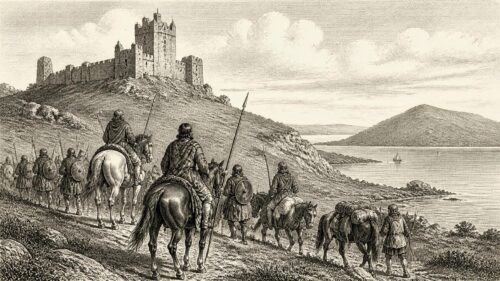
In 1517 Gerald FitzGerald, ninth earl of Kildare and lord deputy, demonstrated both the reach and limitations of Tudor authority in Ireland. After convening a Dublin parliament, he campaigned in Ulster, destroying Dundrum Castle, seizing Félim Magennis’s family and hostages, and burning Dungannon. Yet O’Donnell also raided Tír Eoghain and destroyed Dungannon amid O’Neill succession rivalries, showing regional politics remained autonomous. Elsewhere, inaugurations, killings, cattle raids and castle warfare reshaped local lordships. A severe frost disrupted travel, while a boat from Tory Island vanished at sea. The year reveals a connected but politically fragmented island, rather than unified crown rule.
Read Article
Archived: 18 October 2026
Abstract
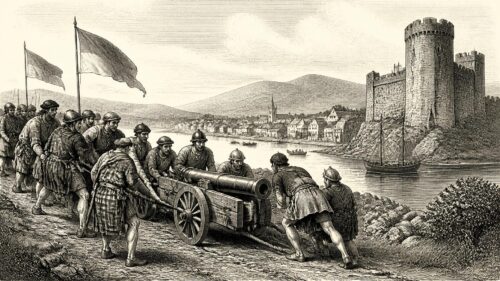
In 1516, Ireland was governed through overlapping royal, Gaelic and urban powers. As Henry VIII’s deputy, Kildare led a coalition that captured Leap Castle, secured hostages and imposed authority in the midlands. In the north-west, Manus O’Donnell obtained French-linked artillery after a pilgrim’s visit to Lough Derg, used it to take Sligo Castle, and later negotiated peace with O’Neill under Dublin’s mediation. Kildare’s Dublin parliament addressed markets, ports, taxation and defence. Religious life, travel and scholarship remained vital: friars drowned on Lough Erne, the Book of Fenagh was completed, and Desmond’s Gaelic lord died amid continuing regional warfare and connections.
Read Article
Archived: 18 October 2026
Abstract
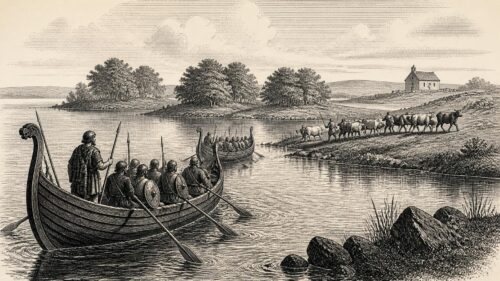
Annals for 1515 depict a politically fragmented Ireland shaped by cattle raiding, dynastic rivalry, fortified lordships and ecclesiastical life. Aodh Dubh Ó Domhnaill raided MacDermot territory, suffered a wound, and attacked Maguire lands by fleet on Lough Erne; Art Óg Ó Néill exploited his weakness in Clandeboye and campaigned in Oriel. On 25 November, Domnall Ó Domhnaill, tánaiste of Tír Chonaill, was fatally wounded by a kinsman, intensifying succession tensions. Desmond relatives contested castles in Munster, while bishops and clerics died or faced violence. Kildare retained royal favour, whereas Ormond’s death without a male heir sharpened future political rivalry thereafter.
Read Article

Archived: 19 October 2026
Abstract
Ireland in 1514 remained a landscape of competing lordships and negotiated authority. Gerald FitzGerald, ninth earl of Kildare and the king’s deputy, sought to demonstrate that he had inherited his father’s influence. Campaigns recorded in Laois, Breifne, Munster and Ulster reveal the importance of castles, armed followings, hostages and compensation. Rival rulers could resist, bargain and rebuild their position despite destructive expeditions. A contemporary churchman described abundant food alongside insecurity on land and sea. Cavan Castle’s destruction belongs within this wider pattern of contested government, where royal office offered prestige but power still depended upon local alliances and military resources.
Read Article

Archived: 19 October 2026
Abstract
In 1513, Ireland experienced interconnected struggles over lordship, succession and regional power. Gearóid Mór FitzGerald’s death weakened his extensive political system, although his son Gerald succeeded as earl and deputy governor. In Tír Eógain, Art Óg O’Neill secured inauguration with local and Kildare support amid contested succession. Aodh Dubh O’Donnell besieged Sligo, influenced control of Dunluce and visited James IV of Scotland before Flodden ended Scottish royal intervention. Raiding, burning and maritime violence affected coastal and rural communities. Meanwhile, Franciscan scholarship, ecclesiastical deaths and aristocratic patronage demonstrated enduring religious, learned and charitable networks across a politically fragmented yet connected Ireland.
Read Article
Archived: 19 October 2026
Abstract
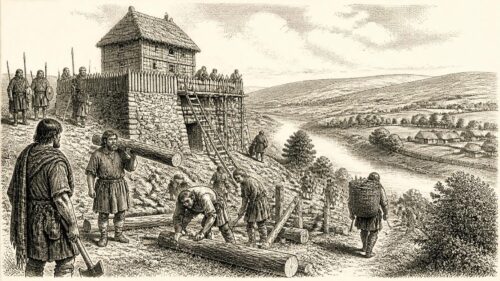
In 1512, Irish power rested on military mobility, castles, hostages, revenue and patronage amid overlapping crown, Gaelic and ecclesiastical jurisdictions. Returning from pilgrimage, Aodh Dubh O’Donnell raised hired troops, defeated Edmund Burke’s forces, destroyed Esker castle, secured hostages, and compelled Art O’Neill to terms before rebuilding Omagh castle, asserting authority in Tyrone. Meanwhile, Gerald FitzGerald, earl of Kildare and justiciar, campaigned through Connacht and Ulster, capturing and demolishing strongholds including Belfast. Annals also record church patronage, learned households, deaths and Dublin appointments, demonstrating that warfare, negotiation, religion and administration jointly reshaped Ireland’s unsettled political landscape during this exceptionally documented year.
Read Article




