Archived: 19 October 2026
Abstract
In 1485, Ireland comprised competing lordships, towns and ecclesiastical jurisdictions, while Kildare dominated the English administration. His Trim parliament defended corporate privileges, funded frontier defence, Castledermot’s construction and plague relief, anticipating England’s uncertain succession. Henry VII’s accession after Bosworth altered calculations without immediately displacing Kildare. In Connacht, Uilleag Burke succeeded violently, with annals differing over his campaign and Tulsk Castle’s destruction. Successions, killings and raids reshaped Connacht and Ulster, where O’Neill and O’Donnell forces fought then made peace. Breifne conflicts involved castles, cattle and Kildare’s intervention. Church appointments, chantries, scholarship, hospitality, disease and hardship reveal communities facing persistent insecurity throughout.
Read Article
Archived: 19 October 2026
Abstract
In 1484, Ireland comprised the English lordship, autonomous towns, Anglo-Irish magnates and Gaelic dynasties, each governed through distinct but connected powers. Under Richard III, Gerald FitzGerald, earl of Kildare, dominated Dublin administration, while parliament regulated coinage, revenues, religious property, fortification and urban affairs. Galway strengthened its position when St Nicholas’s became collegiate and Richard granted the town a mayoralty. Elsewhere, insecurity persisted: northern war between O’Neill and O’Donnell coincided with a violent Maguire succession dispute in Fermanagh, involving murder, raids, captives and church attacks. Annals also record deaths, imprisonment and pastoral wealth, revealing fragmented political and social life across Ireland.
Read Article
Archived: 19 October 2026
Abstract
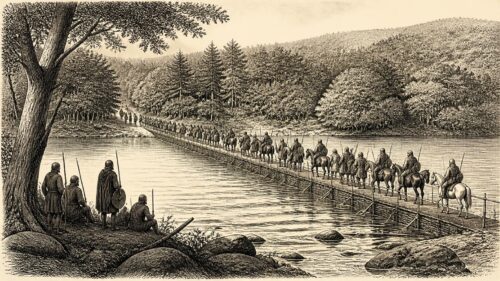
In 1483, Conn O’Neill was released from captivity, inaugurated lord of Tír Eógain, and entered a major conflict with Aodh Ruadh O’Donnell. O’Donnell’s coalition, including Clandeboye forces, raided the Dundalk district, burned Traghbhaile and Baile-Lugh-mhaigh, defeated Kildare’s pursuing army, and exacted protection payments. Returning through Tír Eógain, it cleared woodland and built a wicker bridge across the Abhann Mór, escaping pursuit. Other conflicts occurred across Ireland, while bishops and learned hereditary officials died or succeeded. English dynastic change brought Richard III’s accession, but Kildare remained deputy. The annals depict interconnected lordships, warfare, landscape, church institutions, learning, and local livelihoods alike.
Read Article
Archived: 19 October 2026
Abstract
In 1482 Ireland’s events reflected regional lordship, kinship, religion and learning rather than national change. Conn Ó Néill of east Ulster died, renowned as a warrior, protector and patron of Irish and Scottish learned people; Ó Néill violence followed. Feuds among Ó Raghallaigh, Mag Uidhir, Ó hAinligh and families exposed fragility of peace, guarantees and oaths, while alliances crossed Gaelic and Anglo-Irish lines. Annals commemorated scholars and hospitable clergy, revealing learning, guest-houses and devotion as authority. Roland Savage’s appointment and Tadhg Mac Cárthaigh’s papal provision to Ross showed English administrative and ecclesiastical connections, both constrained by local power in practice.
Read Article
Archived: 19 October 2026
Abstract
In 1481, Ireland’s annals recorded conflict, patronage and administration across politically fragmented lordships. On 5 October, Toirdelbach Mag Uidhir was treacherously killed by kinsmen in his Fermanagh castle, alongside several companions; his learning, hospitality and bardic generosity were widely mourned. Tír Eógain endured warfare among O’Neill factions, producing raids, killings, captures and the mutilation of Patrick Savage. Other deaths commemorated aristocratic patrons, poets and clerics, demonstrating the importance of learning, pilgrimage and religious institutions. Killings in Wexford reflected local rivalries, while the English lordship’s 1481–82 business addressed lands, castles, church property, revenues and urban privileges, revealing uneven but governmental authority.
Read Article
Archived: 19 October 2026
Abstract
In 1480, Irish annals recorded interconnected conflicts, settlements and deaths across Ulster, Fermanagh and Connacht. Gerald FitzGerald, Earl of Kildare, joined Conn O’Neill’s unsuccessful siege of a rival O’Neill castle, demonstrating both Dublin’s reach and its limits. Raids between Tír Eógain and Tír Chonaill caused burnings, cattle losses and casualties, while O’Donnell dynastic rivalries continued. At Castlefinn, O’Donnell, Conn O’Neill and Neachtan O’Donnell’s sons negotiated peace and appointed Eigneachán O’Donnell tanist. Obituaries for Tomás Óg Maguire, Cathal Óg Mac Maghnusa, poets and teachers emphasised hospitality, religious patronage and learning. Local feuds also involved MacMahons, Maguires, O’Rourkes and de Burgh factions.
Read Article
Archived: 19 October 2026
Abstract
In 1479, Ireland’s diverse political and religious worlds were marked by reform, conflict and administrative adjustment. At Meelick, O’Madden patronage supported a Franciscan Observant renewal, strengthening dynastic commemoration and regional religious links. In Ulster, warfare between Tír Chonaill and Tír Eóghain involved raids, cattle seizures, ransom and hostages, burdening local communities. Obituaries around Lough Erne reveal clergy, artisans and hospitality networks underpinning lordship. In Dublin, Edward IV appointed Gerald FitzGerald, eighth earl of Kildare, deputy lieutenant, acknowledging dependence on local power. Statutes concerning merchants, civic privileges and Gaelic subjects exposed the English lordship’s porous, contested frontiers and commercial regulation alike.
Read Article
Archived: 19 October 2026
Abstract
In 1478 Ireland experienced severe disruption from weather, disease and conflict. Annals describe a destructive Epiphany storm that damaged livestock, buildings, churches and Dublin windows, while Cormac MacCarthy was blinded during dynastic strife. A plague reportedly arrived by ship at Assaroe, spreading through north-western Ireland and causing deaths among nobles, clergy and learned families. Thomas FitzGerald’s death brought Gerald, later Gearóid Mór, to the Kildare earldom. In Connacht, contests for Sligo, Moylurg, Roscommon and Machaire Connacht involved sieges, devastation and changing lordships; Annaly saw partition after peace. Together, uneven records depict connected communities vulnerable to maritime disease, warfare and disaster.
Read Article
Archived: 19 October 2026
Abstract
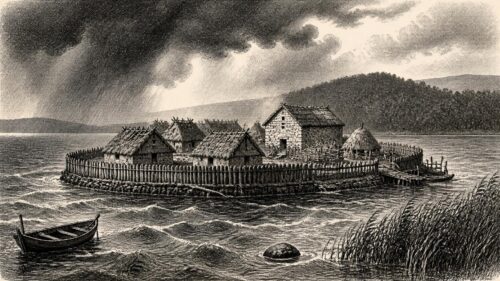
In 1477, annals depict Ireland as a patchwork of contested lordships, where kinship, land, ecclesiastical institutions and armed followings shaped power. In Tír Chonaill, Aodh Ruadh O’Donnell fought Neachtan O’Donnell’s sons, while Énrí O’Neill, supporting the rivals, devastated and burned Tírhugh. Fermanagh saw several Maguire deaths, alongside passing learned erenagh Matthew Ua Luinín and Ailbhe Maguire’s monastic association. Cormac Mac Carthaigh’s capture helped spread war across Munster; other dynastic killings occurred in Connacht and Leinster. A great wind damaged buildings, crannógs and stored produce nationwide. Kildare’s accession belongs to 1478, not 1477, according to contemporary annalistic and modern scholarly evidence.
Read Article
Archived: 19 October 2026
Abstract
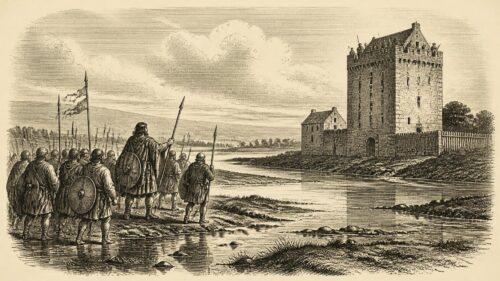
In 1476, Ireland’s competing lordships combined warfare, negotiation and institutional continuity. Henry Ó Néill captured and demolished Bel-Feirste castle, while raiding Oirghialla; Clandeboye survived. Maguire succession in Fermanagh was destabilised by killings and deaths. In Connacht, brief seizures of Roscommon castle exposed fragile authority, whereas Mac William Burke and Aodh Ruadh Ó Domhnaill negotiated a division of Lower Connacht after confrontation. English forces devastated crops, a monastery and settlements in the midlands. Dublin lordship maintained parliamentary, fiscal and legal activity. Annals also recorded prominent poets, clerics and scholars, revealing interconnected political, religious and learned cultures amid violence across the island.
Read Article
Archived: 19 October 2026
Abstract
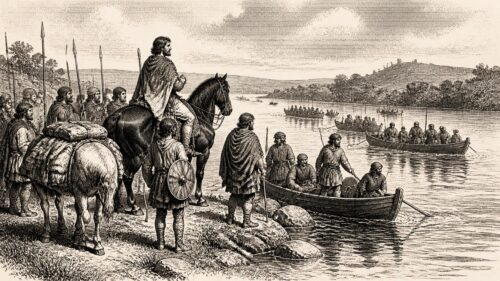
In 1475, Aodh Ruadh O’Donnell of Tír Chonaill led a major circuit through Breifne, Meath, Offaly and Connacht, combining armed pressure, alliance-building and peace-making. His host aided Brian O’Reilly, O’Farrell allies and Connacht friends, devastated parts of Meath, burned Delvin, and crossed the Shannon using local boats. Elsewhere, Réamonn MacMahon was defeated and captured in Oriel, while Henry O’Neill raided Fermanagh. Disputed successions in Annaly, castle transfers in Clanricard, and local battles revealed unstable lordship. Deaths of clerics, rulers and learned men, alongside monastic burials and literary remembrance, illustrate a politically connected, violent yet culturally resilient Ireland in the period.
Read Article
Archived: 19 October 2026
Abstract
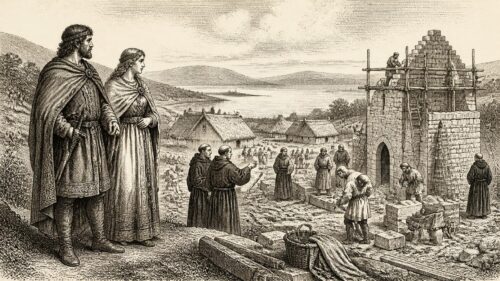
In 1474, Aodh Ruadh Ó Domhnaill and his wife Finola Ó Briain began Donegal’s Franciscan friary, intended as a dynastic mausoleum and declaration of Ó Domhnaill power. Its dating remains uncertain within 1472–74, but annals associate its foundation with 1474. Elsewhere, Ireland remained politically fragmented: Ó Domhnaill fought Ó Neill and Clann Aodha Buidhe; succession, raiding and castle destruction destabilised the midlands; and failed negotiations produced warfare in Connacht and Thomond. Dublin officials feared Scottish intervention. Deaths of bishops and hereditary scholars underline religion’s cultural role. The friary endured as a religious institution amid violence, dynastic competition and weak authority.
Read Article
Archived: 19 October 2026
Abstract
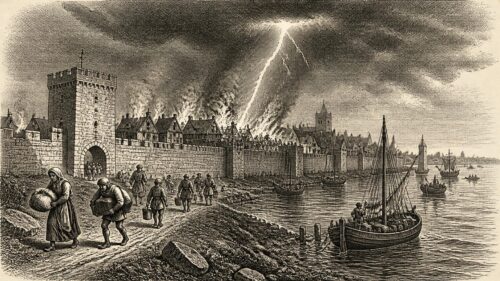
In 1473, Irish annals recorded Galway's destruction by lightning on 2 June, with major losses, alongside severe cattle mortality in Connacht. Raids, executions, family violence and warfare exposed contested lordships and fragile successions across Connacht, the midlands and Muintir Eolais. Conflicting accounts of fighting there reveal regional perspectives and heavy losses among nobles and commoners. Dublin's court executed Edward Nugent after his seizure by kin. Deaths of rulers, heirs, clergy and legal scholar Brian Mac Aodhagáin marked political and cultural change. An indulgence year, eclipse and marvels demonstrate religious and observational concerns, while commerce, livestock, learning and lordship remained intertwined.
Read Article
Archived: 19 October 2026
Abstract
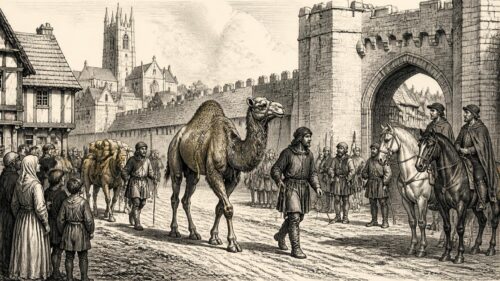
In 1472, Ireland comprised competing Gaelic and Anglo-Irish lordships, while Thomas FitzGerald, earl of Kildare, governed Edward IV’s limited lordship from Dublin. Parliament addressed defence, castles, town property, coinage, trade, religious houses and clerical study, revealing both administrative activity and insecurity in the Pale. Annals record killings, hostage-taking, raids, family struggles and shifting alliances in Ulster, Connacht and Munster, involving Gaelic rulers and Anglo-Irish families alike. Monasteries, pilgrimages and Oxford links connected local society to wider Christian networks. Most strikingly, a yellow camel, probably a royal gift from England, reached Ireland, symbolising international exchange amid fragmented politics across the island.
Read Article
Archived: 19 October 2026
Abstract
In 1471, Ireland’s competing lordships pursued power through sieges, raids, hostages, alliances and negotiated submissions. Henry O’Neill captured Oghmagh after a winter-long siege, strengthening his son Conn’s position, while northern settlements accompanied continued conflict. In Fermanagh, Thomas Óg Maguire surrendered lordship to his son Edmund, illustrating dynastic succession, patronage and ecclesiastical connections. Connacht saw lineage violence, cattle-raiding and contested castles, while English and Gaelic forces contested frontier regions. Churchmen and learned families remained politically vulnerable yet valued. Annals also recorded unusual weather: damaging spring hail, followed by heat, drought, early crops and abundant nuts, linking security to land and harvest.
Read Article
Archived: 19 October 2026
Abstract
In 1470, Ireland remained politically fragmented, with the English lordship largely confined to the Pale while Gaelic and Gaelicised dynasties contested power through warfare, alliances, tribute and inauguration. Enrí Ó Néill campaigned in Clandeboye and faced internal rivalry; plague struck Fermanagh amid Maguire succession disputes. Aodh Ruadh Ó Domhnaill captured Sligo Castle, gained Lower Connacht’s submission and recovered Leabhar na hUidre and other dynastic treasures, though his Breifne intervention failed. Thomas FitzGerald became chief governor as parliament addressed local Pale concerns. John Ó Conchobair Kerry founded the Franciscan house at Lislaughtin there, illustrating lordly patronage alongside conflict and cultural prestige.
Read Article
Archived: 19 October 2026
Abstract
In 1469, Irish annals record struggles for lordship, wealth and security rather than a unified political order. Aodh Ruadh Ó Domhnaill secured hostages in Lower Connacht, allied with the newly installed Mac William Burke, and burned Claregalway and neighbouring territory during a campaign against Clanricarde, partly revenging 1467. Uí Maine faced disputed succession after Aodh Ó Cellaigh’s murder; Maguire kindreds fought destructive raids in Fermanagh; and the Whites expelled the Savages from Lecale. Death notices for a harpist, historian-hosteller and ecclesiastical coarb illuminate cultural institutions. Violence, alliance, kinship, hostages and resources shaped lordship, while ordinary people remained invisible in sources.
Read Article

Archived: 19 October 2026
Abstract
In 1468, Thomas FitzGerald, earl of Desmond and former deputy of Ireland, was beheaded at Drogheda after arrest by John Tiptoft’s administration, provoking widespread condemnation and retaliatory raids. His execution exposed the fragility of crown authority beyond Dublin and the Pale. Tiptoft’s forces also burned Cavan and its Franciscan monastery. Elsewhere, disputed successions, raids, cattle seizures and warfare convulsed Connacht and Ulster, damaging crops and communities. Annals recorded deaths of lords, churchmen and the historian-poet Torna Ó Maolconaire, emphasising hospitality, learning and religious observance. The year revealed Ireland’s deeply fragmented political order, sustained by often unstable alliances, lordship and coercion.
Read Article
Archived: 19 October 2026
Abstract
In 1467, John Tiptoft, earl of Worcester, returned as Edward IV’s deputy in Ireland and summoned a Dublin parliament, asserting royal authority within the limited reach of the English lordship. Its programme addressed coastal defence at Lambay, black rents, coinage, church affairs and Meath, while revealing dependence on local cooperation. Desmond’s later execution belonged to 1468, though Worcester’s arrival initiated the crisis. Beyond the Pale, dynastic successions, raids and warfare shaped politics, notably a bloody Connacht battle involving Clanricarde, Ó Ceallaigh and Burke factions. Annals also recorded plague, clerical deaths, learned men and hospitality, illustrating regional institutions and overlapping jurisdictions.
Read Article
Archived: 20 October 2026
Abstract
In 1466, Conn Ó Conchobhair Fáilghe defeated the lordship’s Meath and Leinster expedition in Uí Fhailí, capturing Deputy Earl Thomas FitzGerald of Desmond before Dublin men rescued him from Carbury. The defeat enabled raids and strengthened Tadhg Ó Briain of Thomond, who extracted concessions from Desmond and Limerick, but died later that year. Warfare also affected Oriel and Connacht, where rival lordships used alliances, hostages, cattle and tribute to maintain power. Plague struck Dublin, Meath and Leinster, while fire damaged Holy Trinity Abbey on Lough Key. Deaths of rulers, clergy and learned men illustrated Ireland’s precarious, locally negotiated political order.
Read Article

Archived: 20 October 2026
Abstract
In 1465, Ireland experienced severe frost, snow and delayed spring growth, causing acute scarcity, especially recorded in Connacht. Political instability compounded hardship as Ó Conchobair and Mac Diarmata successions provoked battles, killings, raids and disputed lordships. Elsewhere, family conflict and territorial seizures occurred in Breifne, while dynastic connections and rivalries remained active across Leinster and Ulster. In the English lordship, Earl Desmond governed despite opposition and a proposed replacement, while parliament legislated on security, cultural conformity, maritime regulation and Cork’s finances. Meanwhile, Cormac Láidir MacCárthaig founded Kilcrea Friary, combining Franciscan observance, dynastic commemoration and regional ambition during a troubled year.
Read Article
Archived: 20 October 2026
Abstract
In 1464, Ireland was divided among Gaelic lordships, Anglo-Irish magnates, church jurisdictions and Dublin’s limited English administration. Thomas FitzGerald, earl of Desmond and royal lieutenant, negotiated a treaty in Dublin with Mac William Burke and Ó Domhnaill, while rival officials contested authority. Connacht experienced succession wars, burnings, cattle raids, hostage-taking and gallowglass warfare; similar dynastic violence affected Tír Chonaill, Breifne, Fermanagh and Sliabh Lugha. Illness caused numerous deaths, possibly affecting animals. Devotion remained important through miracles, burials and church offerings. On 27 December, Desmond founded Our Lady’s College at Youghal, a collegiate church supporting worship, music, learning and local administration.
Read Article
Archived: 20 October 2026
Abstract
In 1463, Ireland’s political geography was not governed from a single centre. The lordship claimed by Edward IV had institutions, courts, ports and mints, but its effective reach was uneven. Beyond and across the English-controlled districts, Gaelic and Gaelicised dynasties exercised authority through kinship, clientship, tribute, military followings and negotiated alliances. The year’s surviving records are especially rich in such local dealings. They do not describe one national crisis; rather, they reveal an island linked by gifts, cattle-raids, ransoms, church offices, coinage and the movement of armed men.Most events below come from annals compiled within learned Irish traditions. Annalists normally
Read Article

Archived: 20 October 2026
Abstract
In 1462, Ireland experienced interconnected conflicts, raiding, lordship and institutional development. Butler forces, supported by English followers, contested Desmond control in the south-east; their defeat at Piltown enabled FitzGerald advances, though maritime captures and parliamentary attainder prolonged the struggle. In Ulster, Henry Ó Néill raided Tír Chonaill, devastating districts amid rivalry with Aodh Ruadh Ó Domhnaill, while killings reflected continuing northern instability. Connacht disputes involved ransoms, rents and cattle seizures. Franciscan friars founded a house at Monaghan, and Thomas Cusin taught law in Armagh. These events demonstrate power exercised through warfare, wealth, patronage, fortified places and learning across medieval Ireland.
Read Article

Archived: 20 October 2026
Abstract
In 1461 Ireland experienced famine, warfare and contested lordship rather than a unified national event. At Ceann Maghair, Aodh Ruadh Ó Domhnaill, aided by the Mac Suibhnes of Fanad, defeated and mutilated Toirdhealbhach Cairbreach Ó Domhnaill, securing recognition as ruler of Tír Chonaill. Connacht saw deaths, captures, ransoms and inauguration rituals amid Ó Conchobair rivalries. Raids devastated districts across the Midlands, Meath and Connacht, worsening the recorded nationwide dearth. Annals also commemorated poets, scholars and clergy, revealing learned and ecclesiastical networks dependent on patronage. English dynastic upheaval brought Edward IV's accession and weakened Butler connection through Ormond's execution and attainder.
Read Article
Archived: 20 October 2026
Abstract
In 1460, Richard of York’s Drogheda parliament affirmed his lieutenancy and declared that Ireland was governed by laws accepted in its own parliament, while regulating defence, finance and local administration. Conflict exposed fragile frontiers: Conn O’Conor Faly defeated lordship forces, and English troops killed John O’Reilly of East Breifne, prompting Cathal O’Reilly’s succession. Captivity and maritime warfare further shaped regional politics. Franciscan patronage and Observant reform expanded through Moyne, Sherkin and Enniscorthy, although foundation dates remain uncertain. The killing of Killaloe’s bishop showed clerical vulnerability. Overall, the year revealed overlapping jurisdictions, military households, contested lordship power and resilient religious networks.
Read Article

Archived: 20 October 2026
Abstract
In 1459, Ireland remained divided among lordships, churches, towns and learned families. Thomas FitzGerald, earl of Kildare, defeated and captured Conn O’Connor Faly in Offaly, strengthening Geraldine influence. Raids, burnings and killings in Breifne, Fermanagh and neighbouring territories reflected rivalry, while Toirdelbach Ó Briain’s death opened a transition in Thomond. Richard, duke of York, arrived after his defeat, making Ireland a Yorkist refuge, although Drogheda’s affirmation followed in 1460. Learned culture endured: scholars died, and Cormac Mac Duinnshléibhe completed an Irish medical translation at Cloyne. Ecclesiastical deaths marked the year, whose sources reveal conflict and patronage but little about conditions.
Read Article
Archived: 20 October 2026
Abstract
In 1458, Ireland’s overlapping Gaelic, Anglo-Irish and ecclesiastical jurisdictions were reshaped by warfare, deaths and contested authority. Henry Ó Néill, Ó Domhnaill and Mag Uidhir raided Connacht, taking hostages and burning Ó Ruairc’s settlement at Druim-da-thigher. Tomaltach Mac Diarmata, Calbach Mór Ó Conchobair Failghe and Edmund na Féasóige de Búrca died, prompting successions in Moylurg, Offaly and Lower Connacht. Their obituaries emphasised hospitality, patronage and military power. At Aghavea, a church fire destroyed many manuscripts belonging to an ecclesiastical official. Thomas Barrett’s papal provision to Annaghdown provoked resistance, illustrating Rome’s and Dublin’s limited practical reach across the island in practice.
Read Article
Archived: 20 October 2026
Abstract
In 1457, the Maguires of Fermanagh pursued campaigns against MacMahon territory in Oriel and O’Rourke lands in Breifne, burning settlements and lordly residences after defenders secured their cattle. Philip Maguire’s raid provoked pursuit and battle, while Thomas Maguire’s meeting with Lochlainn O’Rourke near Ath Conaill ended in a decisive Maguire victory on the Gráinne river, followed by the display of sixteen noble heads. Annals portray these conflicts as contests for livestock, territory, clients and prestige. Deaths among regional elites were recorded. Ecclesiastically, John Bole became archbishop of Armagh, Murrisk friary emerged, and William Sherwood gained, in October, a Bologna doctorate.
Read Article
Archived: 20 October 2026
Abstract
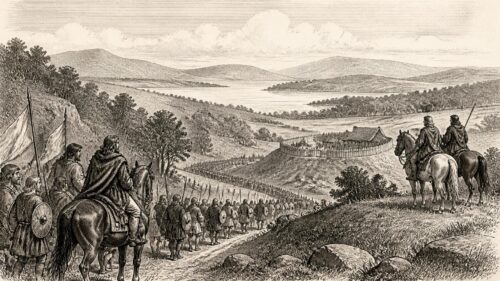
In 1456 Enrí Ó Néill consolidated power in northern Ireland after the death of his father, Eóghan, whom he had displaced as ruler of Tír Eóghain in 1455. Allied with Tomás Óg Mag Uidhir, he invaded Inis Eógain, where Domhnall Ó Domhnaill of Tír Conaill was killed on 28 May and opponents captured. Ó Néill installed Toirdelbach Cairbreach Ó Domhnaill, securing acknowledged superiority rather than annexation. Obituaries from Connacht recorded the deaths of Moylurg’s tanist Fergal Mac Diarmata, his daughter Lasarfina, and John Burke. At Lisgabhail, deaths among teachers and fosterage networks reveal ecclesiastical communities, learning, kinship and women’s roles.
Read Article





