Archived: 27 October 2026
Abstract
In 945, annals recorded an exceptional frost that froze lakes and rivers, altering travel without proving famine. Domnall son of Muirchertach and Flaithbertach killed the Scandinavian-associated force on Lough Neagh and destroyed its fleet, ending the last clear record of such lake-based power. In Dublin, Blacair yielded rule to Amlaíb Cuarán, whose alliance with Congalach of Brega defeated followers of Ruaidrí Ua Canannáin in Conaille. Deaths included ecclesiastics Máel Tuile and Máel Dúin, prior of Armagh, and Aurchad, king of western Connacht. These notices reveal interconnected regional dynasties, churches, waterways and maritime centres amid shifting power across the Irish island.
Read Article
Archived: 27 October 2026
Abstract
In 944, Donnchad Donn’s death after twenty-five years as king of Tara opened a contested struggle for Uí Néill supremacy. His nephew, Congalach of Brega, allied with Braen of Leinster to plunder Dublin, taking treasure, booty and possibly captives; one annal also alleges burning and four hundred deaths. The raid demonstrated Dublin’s vulnerability but did not establish conquest or end its political importance. Its wealth reflected its role as a Hiberno-Norse port within Irish Sea trade. Elsewhere, Cellachán of Cashel defeated northern Munster rivals, while local killings and ecclesiastical deaths then reveal persistent regional conflict and institutional continuity across Ireland.
Read Article
Archived: 27 October 2026
Abstract
In 943, a sudden northern catastrophe altered the balance of Irish politics. Muirchertach mac Néill, king of Ailech and one of the foremost members of the Northern Uí Néill, was killed by a force from Viking Dublin. The loss was more than that of a successful war leader. Contemporary annalists styled him rígdamna Érenn, a man eligible for the kingship of Ireland, and the Annals of Ulster mourned him in a short verse as though the land of the Irish had been left bereft.The year’s evidence is concentrated, violent and uneven. It records clashes around Strangford Lough, the killing of
Read Article
Archived: 27 October 2026
Abstract
In 942, Dublin Norse forces under Blacair son of Gothfrith ravaged the wealthy ecclesiastical centres of Clonmacnoise and Kildare, demonstrating their reach beyond the coast amid fractured Irish and Scandinavian politics. In Ulaid, a son of Ragnall plundered Dún Lethglaise, but Matudán, king of Ulaid, swiftly killed him after pursuing the raiders from their island refuge. The year also brought the death of Faelán, long-serving king of Leinster, and killings linked to Congalach of Brega’s rising power. Deaths of senior churchmen at Clonmacnoise and Clonard underscored churches’ political and economic importance, resilience, and vulnerability to warfare across the island alike.
Read Article
Archived: 27 October 2026
Abstract
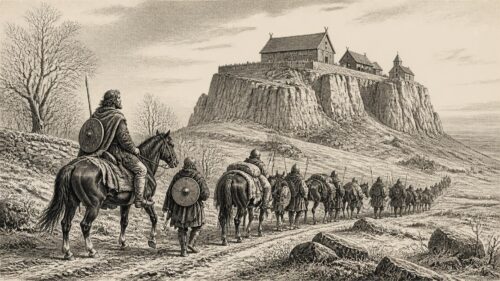
In 941, exceptional frost froze waterways, allowing raiders to plunder Inis Mochta and disrupting ordinary travel and supplies. Muirchertach mac Néill, king of Ailech, campaigned through Mide, Uí Fhailge, Osraige and the Déisi, securing Cellachán of Cashel’s submission to Donnchad Donn of Tara. The campaign demonstrated northern power but did not establish lasting conquest. Cellachán had fought the Déisi, while Muirchertach also raided the Hebrides by fleet. Amlaíb mac Gofraid, Dublin-linked ruler of York and Mercia, died in Lothian. Brian Bóruma was notably also born. Later poetry magnified Muirchertach’s circuit, but contemporary annals depict a politically fragmented Irish Sea world.
Read Article
Archived: 27 October 2026
Abstract
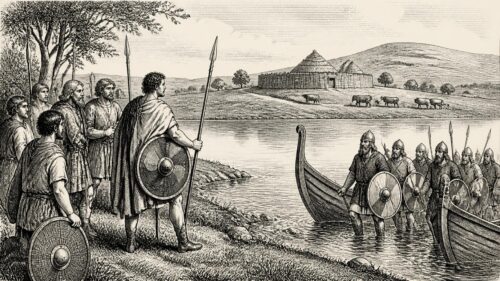
In 940, annalistic records depict Ireland as a politically fragmented but connected island. Donnchad mac Flainn, king of Ireland, and Muirchertach mac Néill led forces through Leinster and Munster, taking hostages to enforce overlordship, while Donnchad also raided Brega and Lann Léire. Connacht forces killed Aralt, grandson of Ímar and a Limerick Scandinavian leader, demonstrating resistance to maritime power. Muirchertach was implicated in the death of Niall, heir of Ailech, amid dynastic rivalry. Deaths included Ailech’s queen and senior churchmen. Rural farming, monasteries, coastal travel and growing Scandinavian towns underpinned society beyond the annals’ focus on rulers and warfare alone.
Read Article
Archived: 27 October 2026
Abstract
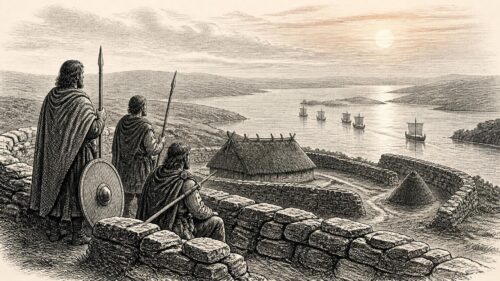
In 939, Irish annals record intense conflict linking kings, churches and Scandinavian seaborne power. Foreigners plundered Ailech, captured its ruler Muirchertach son of Niall, and released him for ransom. Dublin raided Cell Chuilinn in Leinster, while Munster forces with Scandinavian allies attacked Mide’s ecclesiastical sites, challenging Donnchad Donn. Donnchad campaigned in Brega, where a priest died during church violence, and Congalach defeated the Gailenga. Obits marked political and ecclesiastical succession. Donnchad commissioned a cover for Patrick’s Canon, probably the Book of Armagh. Annalists noted a blood-coloured sun, plausibly volcanic haze, and Æthelstan’s death in England on 27 October that year.
Read Article
Archived: 27 October 2026
Abstract
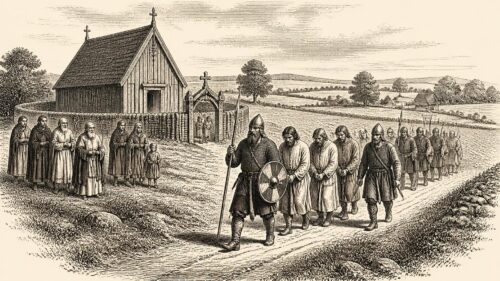
In the annal-year conventionally dated 938, Ireland saw political upheaval around Dublin and Leinster. Amlaíb son of Gothfrith returned to the Norse kingdom after Brunanburh, while its power extended towards Áth Truisten. He raided Cell Cuilinn, probably Kilcullen, plundering the church and carrying off many captives, a thousand in later accounts. Donnchad Donn and Muirchertach son of Niall prepared for battle but made peace, then besieged Dublin and ravaged its hinterland without evident conquest. Fergal of Ailech died, enabling Muirchertach to succeed, while regional rulers and church leaders died. The sources reveal contested authority, warfare, captivity, ecclesiastical vulnerability, and destruction.
Read Article
Archived: 27 October 2026
Abstract
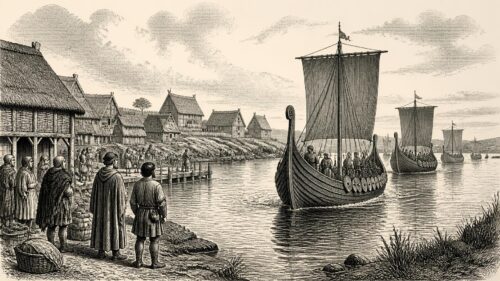
For Ireland, 937 is best understood through a small but unusually revealing cluster of annalistic notices. The record does not offer a single national narrative: it reports deaths, killings and a storm in several provinces, while also preserving Ireland’s connection to one of the most consequential battles of tenth-century Britain. Its most striking Irish political notice is the death of Conaing son of Niall, described in the Annals of Ulster as rígdamna Érenn, ‘heir designate of Ireland’. The phrase did not mean that a settled succession would automatically follow. Rather, it signalled that Conaing stood within the narrow, competitive circle
Read Article
Archived: 27 October 2026
Abstract
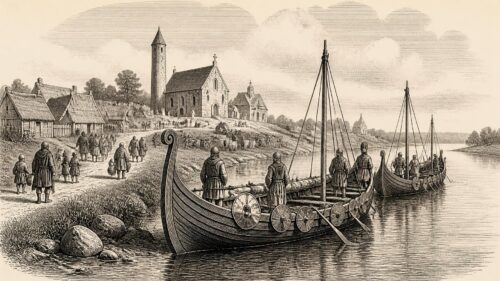
In 936, Dublin-based foreigners plundered Clonmacnoise and occupied it for two nights, an exceptional affront to the major Shannon ecclesiastical and trading settlement. Chronicon Scotorum also records a further plundering by Cellachán of Cashel and Munster men. Foreign crews from Lough Erne reached Lough Ree, demonstrating waterways’ strategic value and exposing central Ireland to prolonged raiding. Donnchad Donn, king of Temair, burned Dublin, illustrating contested rather than centralised power. Armagh lost two successive senior church leaders, Ioseph and Máel Pátraic, while Aniudán, king of Corcu Modruad, died. These events reveal competing regional powers, vulnerable churches, and insecure communications throughout Ireland.
Read Article
Archived: 27 October 2026
Abstract
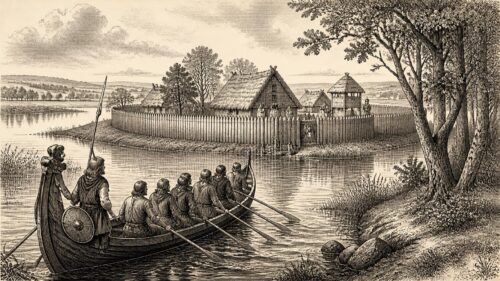
In 935, Amlaíb mac Gofraid, king of Dublin, demonstrated Scandinavian power by sacking Lagore and Knowth in Brega during one week, threatening inland centres. He sought dominance among Irish Scandinavian settlements, reportedly capturing a Limerick rival and installing Haraldr there. Norsemen killed Cinaed mac Cairpre, chief of Uí Chennselaig, with many followers in Leinster. Annals record deaths of abbots and church leaders, underlining monasteries’ political and economic roles, while a notice of abundant oak mast reflects dependence on woodland resources and pig forage. Differing annalistic chronologies complicate dating, but collectively these events reveal interconnected violence, lordship, ecclesiastical succession, and subsistence.
Read Article
Archived: 27 October 2026
Abstract
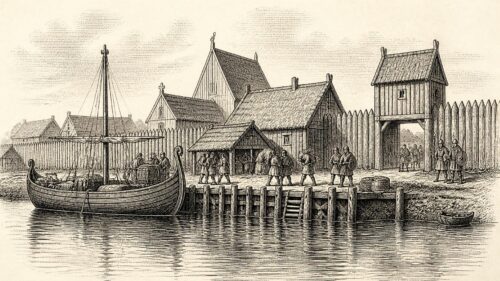
In 934, Gofraid, grandson of Ímar and Hiberno-Scandinavian king of Dublin, died painfully from illness, ending a rule connected with Dublin, York and the Irish Sea. The annals offer no details of his disease or succession, but his son Amlaíb succeeded him, inheriting a strategic trading and military centre. Elsewhere, Dubgilla son of Robacán, chief of Uí Chormaic, was killed in unexplained circumstances. Limerick’s foreigners raided deeply into Connacht, reaching Mag Luirg and Badhgna. Ireland remained politically fragmented: Dublin and Limerick pursued separate interests, while Irish dynasties, regional rulers and church institutions managed competing power, violence and succession across society.
Read Article
Archived: 27 October 2026
Abstract
In 933, annalistic sources record interconnected conflicts across northern Ireland, while differing chronologies and casualty figures require caution. Muirchertach and Conaing, sons of Niall Glúndub, suffered defeat at Mag Uatha, but Conaing later defeated Ulaid forces and Muirchertach overcame raiders led by Matudán of Ulaid and Amlaíb son of Gothfrith, recovering plunder. Scandinavian groups based on inland and coastal waters participated in local alliances and warfare. Around Martinmas, Amlaíb plundered Armagh, a wealthy religious and political centre. Death notices for rulers and Bard Bóinne, chief poet, demonstrate the political and cultural consequences of contested authority, strategic waterways and regional violence.
Read Article
Archived: 27 October 2026
Abstract
In 932, Irish annals recorded the death of Aengus son of Aengus, probably chief poet of Ireland, indicating the public importance of learned culture and its links with churches and aristocratic patrons. They also note Flann son of Máel Sinna, king of Brega, killed by the Uí Echach, alongside the deaths of Loingsech of Dál Araide and Colla of Norse-Gaelic Limerick. These notices reveal competing regional powers, unstable succession and maritime connections. Differing annalistic chronologies prevent precise dating of related events. Beyond elite records, political changes could directly affect farming, obligations, travel and security, though no nationwide catastrophe is evidenced.
Read Article
Archived: 27 October 2026
Abstract
In 931, Irish annals record interconnected political, ecclesiastical and Scandinavian developments, although dating varies between sources. Tipraite son of Ainnsine, head of Clonmacnoise, died, with rulers and churchmen including Cernachán of Bréifne, Derbail of Tara, and clerics of Clones, Armagh, Trim and Kildare. Foreigners from Limerick entered Lough Ree, highlighting the Shannon corridor’s importance near Clonmacnoise. Chronicon Scotorum reports that Ciarán’s crozier sank in Loch Techet, drowning twelve men, but was recovered. The relic represented saintly and institutional authority, though it cannot be identified with the surviving Clonmacnoise crozier. These events reveal power rooted in waterways, succession and sacred possessions.
Read Article
Archived: 27 October 2026
Abstract
The surviving record for 930 is unusually revealing not because it describes one island-wide war, but because several annals catch armed Scandinavian groups operating at three inland waters: Loch Bethrach in Osraige, Lough Neagh in the north, and the routes connected with the Shannon and Limerick. The sharpest event was the assault on Derc Ferna in Osraige. The Annals of Ulster say that Gofraid, grandson of Ímar, came with the foreigners of Dublin and ‘razed’ the place, an act presented as extraordinary even by the standards of earlier devastation. Chronicon Scotorum calls it a siege and capture, adding a grave,
Read Article
Archived: 27 October 2026
Abstract
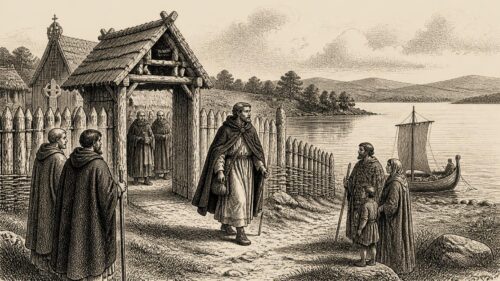
In 929, sparse annalistic evidence illuminates Ireland’s political, ecclesiastical and maritime connections. Céile, successor of Comgall of Bangor, died on pilgrimage in Rome on 14 September, demonstrating Irish links with Latin Christendom. Donnchad Donn, king of Tara, led an armed expedition against Muirchertach mac Néill at Liathdruim, apparently without a recorded battle. A fleet appeared on Lough Corrib, reflecting the strategic significance of inland waterways. Death notices for Tuathal, bishop and scribe, and Fínnechta, Ciarraige Luachra king, anchorite and counsellor, reveal intertwined religious learning, institutional authority and regional lordship. Differing annalistic dates require interpretation across competing manuscripts and chronological systems.
Read Article
Archived: 27 October 2026
Abstract
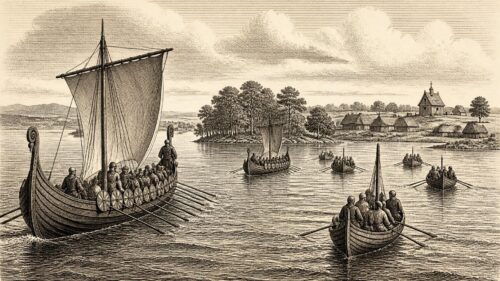
Annals conventionally assigned to 928 describe Ailche’s son leading Scandinavian or Hiberno-Scandinavian forces across Lough Neagh, ravaging islands and adjacent territories, demonstrating inland waterways’ strategic importance. Chronological uncertainties complicate the dating of related notices. Norsemen killed Donnchad, northern heir-designate, while Donnchad Donn of Mide killed his nephew Máel Ruanaid; rivalry with Muirchertach also limited Tara’s authority. Diarmait of Osraige died. Ecclesiastical leaders at Birr, Aghaboe and Cork died, and Bangor’s Céile began a Roman pilgrimage. Records also note elite women’s deaths and a disputedly dated raid on Kildare, revealing interconnected dynastic, church and Scandinavian power networks across Ireland and Europe.
Read Article
Archived: 27 October 2026
Abstract
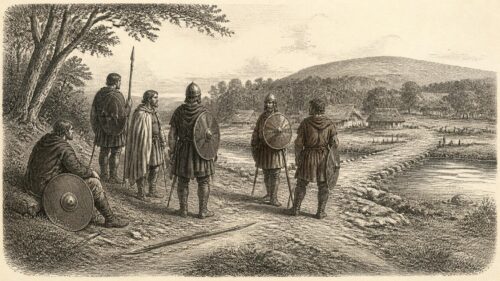
In 927, the Annals of Inisfallen record a Munster and Limerick Scandinavian victory over Waterford’s foreigners at Cell Mo-Chellóc, probably Kilmallock, demonstrating shifting alliances among Irish kingdoms and Viking settlements. They also note the death of Máel Brigte, abbot of Armagh and Iona, whose dual leadership united ecclesiastical federations. Other annals, chronologically offset, describe Dublin’s instability under Gofraid, Sitriuc’s death, and a bloodless confrontation at Tailtiu, reflecting contested Uí Néill authority. Later sources report churchmen, pilgrimage and raids, but their dating is uncertain. Together, the evidence depicts interconnected warfare, religious prestige, travel and political rivalry across Ireland and Irish Sea.
Read Article
Archived: 27 October 2026
Abstract
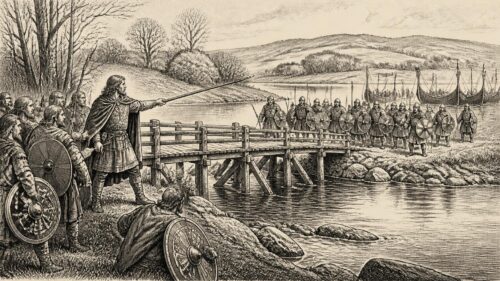
In 926, annalistic sources record Scandinavian raids and Irish responses across a politically fragmented Ireland. Foreigners from Strangford Lough sacked Dún Sobairche, while southern traditions report attacks on Kildare. Muirchertach son of Niall defeated raiders at Snám Aignech and later routed Alpthann son of Gofraid’s fleet-derived force near Dundalk, killing Alpthann and besieging survivors until Dublin’s king Gofraid intervened. These successes enhanced Muirchertach’s northern standing but did not end Scandinavian power or establish national unity. Elsewhere, Fergus of Lurg was killed by Bréifne, Colmán of Clonmacnoise and Clonard died, and Waterford’s fleet moved to Loch Gair in a notable redeployment.
Read Article
Archived: 27 October 2026
Abstract
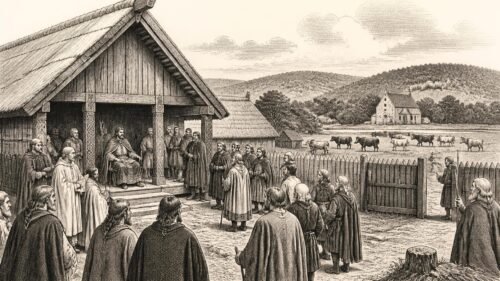
In 925, Connacht underwent a decisive dynastic change after Cathal son of Conchobar, king since about 900, died in penitence. His son Domnall and other leading men were treacherously killed by their kinsman Tadc, who assumed the kingship and founded a durable ruling line. Annalistic chronology requires caution, but modern scholarship dates these events to 925. Elsewhere, Dubgall, king of Ulaid, was killed by his own people, while Lorcán, king of Brega, died in old age. These events exposed fragile regional kingship beneath Tara’s limited overlordship, amid church influence, rural continuity, Dublin’s maritime power, and competing dynastic interests across Ireland.
Read Article
Archived: 27 October 2026
Abstract
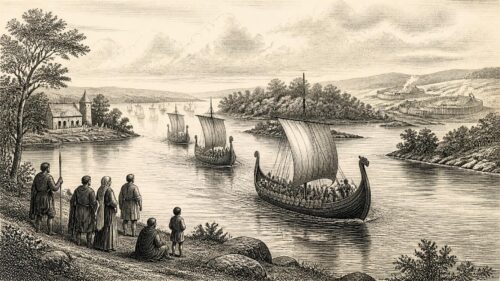
In 924, Ireland’s waterways became theatres of prolonged violence. The most securely associated annalistic record, the Annals of Ulster entry conventionally cited as U924, describes a foreign naval force operating on Lough Erne, raiding its islands and the districts around the lake before withdrawing only in the following summer. Other entries place raiders in Strangford Lough, report a catastrophic wreck at the entrance to Dundrum Bay, and record an unsuccessful expedition sent from Dublin towards Limerick. Taken together, these notices show an island in which ships could bring danger far inland, but also one in which Viking leaders competed sharply
Read Article
Archived: 27 October 2026
Abstract
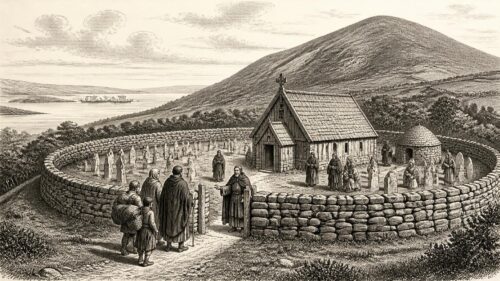
In the annalistic year conventionally associated with 923, Scandinavian raiders from Carlingford Lough plundered Cell Shléibe, modern Killeavy, and killed Duiblitir, a priest of Armagh. Other plundering struck ecclesiastical districts in Louth, while obituaries of clergy and church officers reveal institutions linking learning, estates and regional authority. Political insecurity appeared in the treacherous killings of rulers and designated heirs in Conaille, Connacht and Leinster. The death of Lígach, queen of Brega, highlighted dynastic marriage and memory. Sources offer no full social or economic picture, but depict interconnected churches and kindreds vulnerable to maritime raiding and internal rivalry throughout the island.
Read Article
Archived: 27 October 2026
Abstract
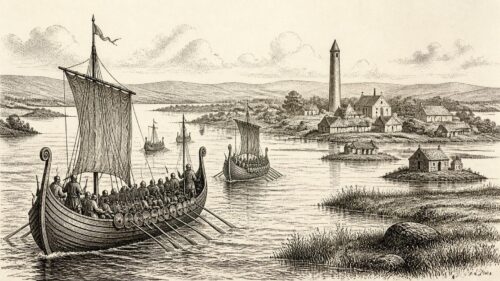
In 922, despite differing annalistic dates, Tomrair son of Elgi led a Limerick-based Scandinavian fleet up the Shannon. The force plundered Inis Cealtra, Muicinis, Clonmacnoise and Lough Ree’s islands, burned Clonmacnoise, and ravaged Mide, carrying away gold, silver and other wealth. The campaign demonstrated the Shannon’s strategic importance and exposed the vulnerability of major ecclesiastical and political networks. Clonmacnoise was a populous, wealthy religious and economic centre, not an isolated monastery. The expedition indicates Limerick’s capacity as a naval base, though not proven urban foundation. Meanwhile, Donnchadh of Tara suffered defeat near Athlone, highlighting Ireland’s fragmented authority and raiders’ opportunities.
Read Article
Archived: 27 October 2026
Abstract
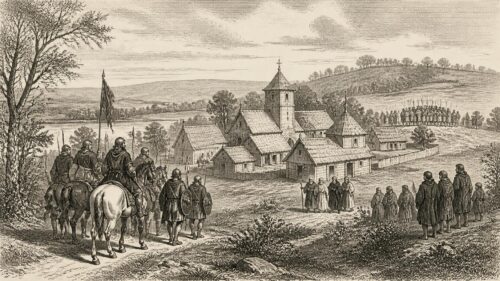
In 921, amid uncertain annalistic dating, Ragnall grandson of Ímar died and Gofraid assumed control of Dublin, reshaping Irish Sea politics alongside Sitriuc’s succession in York. Donnchad Donn strengthened his precarious position through the deceitful killing of his brother Domnall, while another heir died. Scandinavian fleets operated in the north-west, but Fergal’s forces destroyed one vessel. On 10 November Gofraid raided Armagh’s hinterland, sparing its principal religious community yet inflicting serious disruption; Muirchertach later defeated part of his force. Ecclesiastical leaders died, one source recorded plague, and warfare threatened rural livelihoods across politically fragmented Ireland and its interconnected maritime world.
Read Article
Archived: 27 October 2026
Abstract
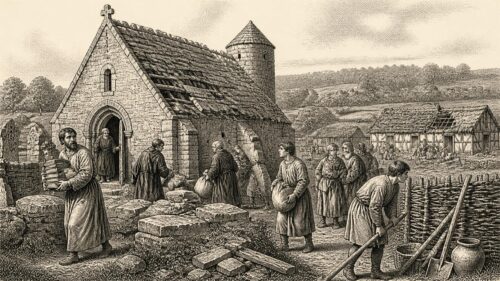
Accounts conventionally dated to 920 depict Ireland under political, military and ecclesiastical pressure. Donnchad Donn, newly king of Tara, won a notable but imprecisely located victory over Scandinavian-associated forces, strengthening a contested claim to overlordship. Sitriuc Cáech left Dublin, signalling a change in leadership rather than the settlement’s collapse. Foreigners attacked Cenannas (Kells), damaging its stone church, killing many people and burning Tuilén’s church. In Munster, Cormac son of Cuilennán, bishop, abbot, king of the Déisi and counsellor, was killed by Uí Fhothaid Aiched. The notices, chronologically uncertain in detail, reveal intertwined warfare, regional kingship, church wealth and maritime power.
Read Article
Archived: 27 October 2026
Abstract
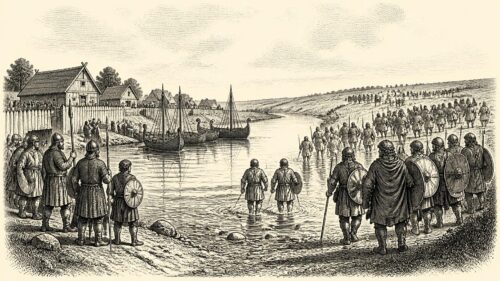
In 919, the struggle for Dublin produced one of the most consequential defeats of early medieval Irish politics. Niall Glúndub, king of Tara and leading figure of the northern Uí Néill, was killed when an Irish coalition attacked the Scandinavian rulers of the reoccupied settlement at Áth Cliath. The annals’ stark notice of a battle conceals a disaster of unusual scale: regional kings, royal heirs and noblemen from several northern dynasties died alongside him. Dublin’s rulers, led by Sitriuc Cáech, survived the assault. Their success did not make Ireland a Scandinavian kingdom, but it secured a major coastal power at
Read Article
Archived: 27 October 2026
Abstract
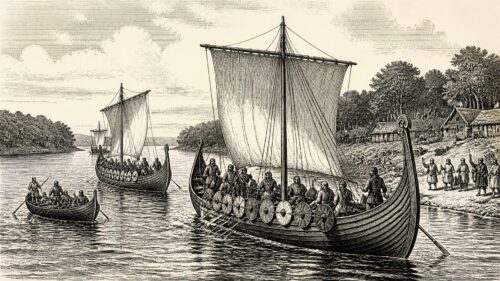
In 918, Ragnall ua Ímair, king of the dark foreigners, left Waterford Harbour with jarls Oitir and Gragabai, joining an Irish-Sea campaign that culminated in the inconclusive battle of Corbridge on the Tyne. Their force showed the Uí Ímair dynasty’s links between Ireland and Britain. In Ireland, Niall Glúndub of Tara continued warfare with Dublin’s Sitriuc Cáech, while Máel Mithig of Brega unsuccessfully sought Scandinavian assistance. Annals also recorded deaths of church leaders, scholar Dainél and Kildare’s abbess Muirenn. Evidence reveals political instability, maritime connections and ecclesiastical continuity, but records no harvest, famine or everyday events. Annalistic dating remains uncertain.
Read Article
Archived: 27 October 2026
Abstract
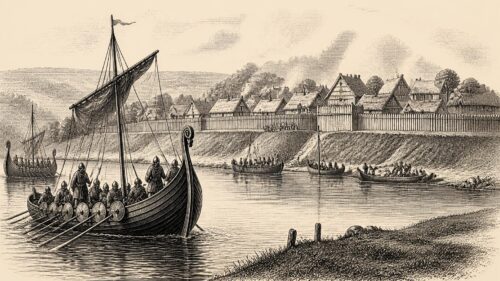
In 917, amid severe frost, animal mortality and portents recorded by annalists, related Scandinavian fleets led by Sitriuc and Ragnall ua Ímair returned to Ireland. Munster forces inflicted notable defeats, while high king Niall Glúndub campaigned in Mag Femen, fighting the invaders on 22 August without destroying them. Niall sought Leinster’s aid, but Sitriuc routed its army at Cenn Fuait, killing King Ugaire, lesser rulers and a leading bishop. The victory shattered Leinster’s leadership; Kildare was subsequently plundered. Sitriuc then forcibly seized Dublin, restoring Uí Ímair power and establishing a durable maritime, military and economic centre on Ireland’s eastern seaboard.
Read Article
Archived: 27 October 2026
Abstract
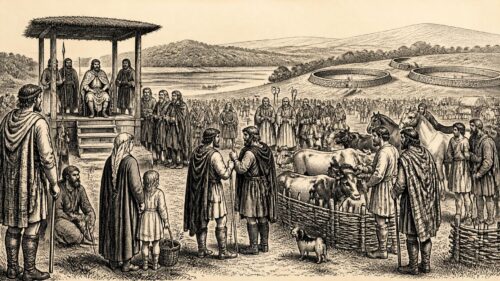
In 916, Flann Sinna died on 25 May after ruling Tara since 879, ending a long southern Uí Néill ascendancy. His son Conchobar succeeded in Mide, while Niall Glúndub of Cenél nÉogain became king of Tara, reflecting dynastic alternation rather than unified monarchy. Niall renewed the neglected Fair of Tailtiu, publicly asserting royal authority and the capacity to organise exchange, obligations and assembly. Elsewhere, raiders from Loch Dá Chae harried Munster and Leinster, killing Ainnle of Uaithne. Deaths among leading ecclesiastics and a lightning fire at Armagh exposed institutional vulnerability amid ceremony, rivalry and Scandinavian pressure throughout much of Ireland.
Read Article





