Archived: 9 October 2026
Abstract
In 1905, Irish politics exposed divisions over government and national identity. George Wyndham resigned after devolution proposals alienated both unionists and nationalists, while the Ulster Unionist Council strengthened northern organisation. On 28 November, the National Council adopted Arthur Griffith’s Sinn Féin policy, advocating Irish institutions, economic self-reliance and withdrawal from Westminster, though not yet republicanism. Land purchase continued, but emigration remained. Disputes over Irish teaching and postal usage demonstrated cultural revival’s political reach. Abbey Theatre productions, scholarly recovery and Belfast’s Presbyterian Assembly Buildings reflected institutional confidence. The A5 submarine disaster at Haulbowline killed six crewmen, bringing naval modernity’s dangers locally.
Read Article
Archived: 9 October 2026
Abstract
In 1904, Ireland remained under Westminster rule, yet political, economic and cultural initiatives widened debate over its future. Dunraven’s Irish Reform Association advocated limited administrative devolution, while the Irish Parliamentary Party pursued Home Rule and Arthur Griffith promoted Hungarian-inspired national self-reliance. The 1903 Land Act began transferring estates to tenants, alongside co-operative schemes and continuing hardship in congested districts. Gaelic League activities, the first official public camogie match, and the Oireachtas advanced cultural revival. On 27 December the Abbey Theatre opened in Dublin, establishing a permanent national stage. Industrial Belfast contrasted sharply with the mainly agricultural south and west regions.
Read Article
Archived: 9 October 2026
Abstract
1903 in Ireland combined disruption, political ceremony and lasting reform. February storms damaged woodland, buildings and livelihoods. George Wyndham’s Land Purchase Act, following the Land Conference, used state-backed advances and landlord incentives to accelerate tenant ownership, though it neither ended poverty, congestion and labourers’ insecurity nor resolved Home Rule. It also divided nationalists over conciliation. Edward VII’s Irish tour attracted loyalist receptions but nationalist protest, revealing competing identities. Northern railway reorganisation and the Independent Orange Order reflected economic links and unionist tensions. Cultural revival, Trinity’s decision to admit women, and Dublin’s expanded electricity supply signalled uneven modernisation alongside rural inequality.
Read Article

Archived: 9 October 2026
Abstract
In 1902, Ireland remained under United Kingdom rule, but the land question prompted an important shift towards conciliation. Following failed proposals and public initiatives by Lindsay Talbot Crosbie and Captain John Shawe-Taylor, landlord and tenant representatives met at Dublin’s Mansion House on 20 December. Chaired by Lord Dunraven, the conference explored voluntary land transfer, without resolving matters before year’s end. Agriculture, co-operation and official improvement shaped rural change, while regional economic differences persisted. Cultural nationalism also flourished through Cathleen ni Houlihan, Gaelic League events and Arthur Griffith’s abstentionist ideas. James Joyce’s departure for Paris suggested emerging cosmopolitan new literary ambitions.
Read Article
Archived: 9 October 2026
Abstract
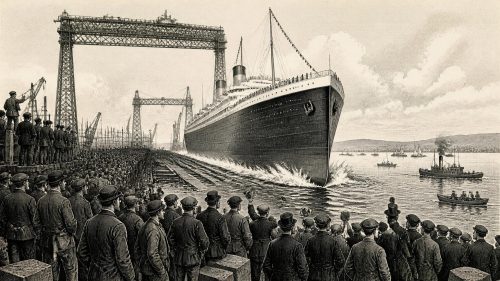
In 1901, Ireland remained within the United Kingdom, governed from Dublin Castle, while Edward VII’s accession exposed divided responses to imperial authority. Land reform continued through a limited Purchase of Land Act, amid unresolved congestion, rents and tenant demands. The census recorded 4,458,775 people, documenting demographic decline, regional contrasts, religion, literacy, occupations and 641,142 Irish speakers. Cultural nationalism expanded through Thomas O’Donnell’s parliamentary protest, the Gaelic League, GAA and Irish-language theatre. Belfast’s launch of the White Star liner Celtic demonstrated industrial and Atlantic connections. The year revealed enduring structures alongside political, social and cultural transformation at the century’s active opening.
Read Article
Archived: 9 October 2026
Abstract
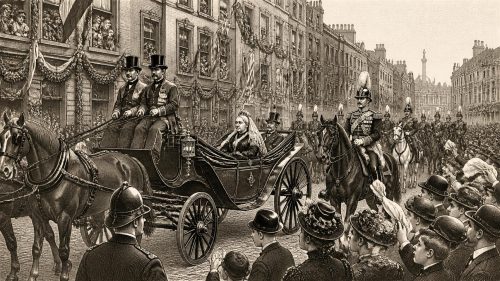
In 1900, Ireland remained under the Union, but competing imperial, nationalist, economic and cultural forces markedly intensified. Queen Victoria’s final Dublin visit and creation of the Irish Guards highlighted Irish participation in the Boer War, while nationalists opposed British rule and sympathised with the Boers. John Redmond reunited the Irish Parliamentary Party, which won most Irish seats, though restricted voting, uncontested constituencies and unionist government limited its effect. Horace Plunkett’s new agricultural department promoted rural improvement and co-operation. Nationalist women, Gaelic League activists and theatre practitioners expanded cultural organisation. Oscar Wilde died in Paris, a Dublin-born writer of global stature.
Read Article
Archived: 9 October 2026
Abstract
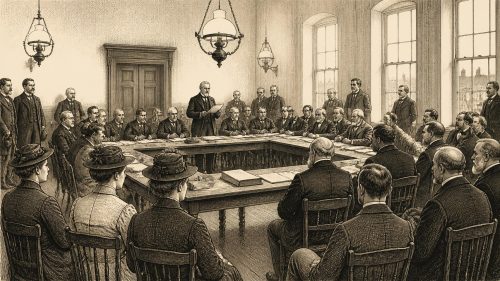
In 1899, Ireland saw institutional, cultural and political developments without resolving its constitutional future. Elections under the Local Government Act replaced grand-jury administration with elected county, rural and urban councils, widening participation though property restrictions remained. The Agriculture and Technical Instruction Act created a department to promote farming, fisheries, industry and education, associated with Horace Plunkett’s cooperative ideas. Dublin’s Irish Literary Theatre inaugurated productions amid controversy, while the Gaelic League’s Oireachtas demonstrated language-revival organisation. The Second Boer War exposed divided loyalties: Irish people served Britain, whereas nationalists supported the Boers. Together, these changes expanded Irish public life, debate and organisation.
Read Article
Archived: 9 October 2026
Abstract
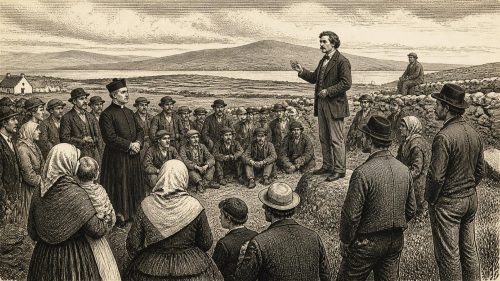
In 1898, Ireland saw agrarian, political and cultural change. William O’Brien founded the United Irish League at Westport, seeking land redistribution and linking western congestion to self-government. The Local Government (Ireland) Act replaced landlord-dominated grand juries with elected councils, although implementation followed in 1899 and franchise limits remained. Centenary commemorations of 1798 elevated Wolfe Tone while exposing competing nationalist, unionist and regional interpretations. Cultural revival advanced through Fáinne an Lae, the Gaelic League’s Oireachtas, Pearse’s Aran visit and Irish literature. Mary Immaculate College, Belfast City Hall and Killybegs carpet manufacture reflected educational, municipal and industrial development. They reshaped public life.
Read Article
Archived: 9 October 2026
Abstract
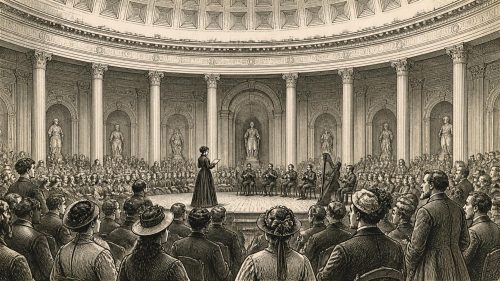
In 1897, Ireland remained under the Union, with Home Rule stalled and nationalist parliamentary strength weakened after Parnell. Debate increasingly focused on prospective local-government reform, while Victoria’s Diamond Jubilee exposed competing loyalist, nationalist, republican and socialist allegiances. Cultural nationalism gained durable institutions: Gaelic League held first Oireachtas at Dublin’s Rotunda, and first Feis Ceoil promoted musical cultivation. Yeats, Lady Gregory and Edward Martyn planned an Irish Literary Theatre, while Bram Stoker published Dracula. Rural life depended on land and British markets; Horace Plunkett advanced agricultural co-operation. Anti-jubilee protests, cultural initiatives and practical reform reflected an increasingly organised, diverse national life.
Read Article
Archived: 9 October 2026
Abstract
In 1896, Ireland saw no single decisive crisis, but several developments foreshadowed later change. Alice Milligan and Anna Johnston launched Belfast’s Shan Van Vocht, promoting cultural nationalism, women’s participation and 1798 commemoration. Home Rule remained divided and politically stalled under John Dillon and John Redmond. The Land Law Act advanced tenant purchase without ending rural inequality. James Connolly helped found the Irish Socialist Republican Party, linking independence with workers’ interests. Maynooth gained pontifical university status. Dublin opened its first electric tram service, while Belfast’s industry prospered unevenly. Discovery of the Broighter Hoard connected contemporary cultural revival with Ireland’s ancient past.
Read Article
Archived: 9 October 2026
Abstract
In 1895, the fall of Lord Rosebery’s Liberal government ended immediate hopes of Home Rule, while the general election confirmed nationalist strength but exposed continuing division after the Parnell split. Gerald Balfour became chief secretary amid unresolved land grievances, limited purchase reform and persistent rural inequality. Horace Plunkett launched negotiations for the cross-party Recess Committee, promoting agricultural cooperation, technical education, credit and industry; its later achievements were not yet assured. The Irish Homestead and early Gaelic League records reflected growing economic and cultural organisation. John Daly’s election highlighted political imprisonment, while Oscar Wilde’s conviction and imprisonment marked devastating cultural loss.
Read Article
Archived: 9 October 2026
Abstract
Amid stalled Home Rule and unresolved land grievances, 1894 saw Ireland develop new forms of collective organisation. Gladstone’s resignation, the Lords’ rejection of Home Rule and the Evicted Tenants Bill, and the Irish Parliamentary Party split exposed constitutional nationalism’s weakness, while a financial-relations commission acknowledged fiscal concerns. Administrative shortcomings persisted, including local democracy and poor-rate oversight. In April Horace Plunkett’s Irish Agricultural Organisation Society began coordinating rural co-operation, promoting creameries, collective marketing and expertise. Dublin’s Irish Trades Union Congress and May Labour Day demonstration gave organised workers a forum. Compulsory school attendance expanded unevenly, while Æ’s poetry reflected cultural revival.
Read Article

Archived: 9 October 2026
Abstract
In 1893, Gladstone’s second Home Rule Bill proposed an Irish legislature within the Union, retaining Westminster supremacy, imperial responsibilities and Irish representation. Despite Commons approval, it was overwhelmingly rejected by the Lords, exposing constitutional limits and intensifying unionist fears. On 31 July, Douglas Hyde, Eoin MacNeill and others founded the non-sectarian Gaelic League in Dublin to revive spoken Irish through classes, publications and branches, amid language decline. The year also reflected religious and social organisation: Archbishop Michael Logue became cardinal, St Mel’s Cathedral was consecrated, Margaret Lyttle began a girls’ club, and the National Labour League highlighted rural workers’ grievances.
Read Article
Archived: 9 October 2026
Abstract
In 1892, Ireland’s general election confirmed anti-Parnellite dominance, with Justin McCarthy’s federation winning seventy-two seats against nine for John Redmond’s faction, while nationalist division persisted. Liberal victory returned Gladstone to office, making Home Rule possible but not yet enacted. Belfast’s Ulster Unionist Convention demonstrated organised resistance, and Edward Carson entered Parliament. Rural labourers founded Knights of the Plough, demanding land, wages and housing. St Macartan’s Cathedral was dedicated in Monaghan. Douglas Hyde’s Dublin address, The Necessity for De-Anglicising Ireland, urged cultural renewal through language and tradition. Census reports documented social change; Belfast also hosted Ireland’s international football match against England.
Read Article
Archived: 10 October 2026
Abstract
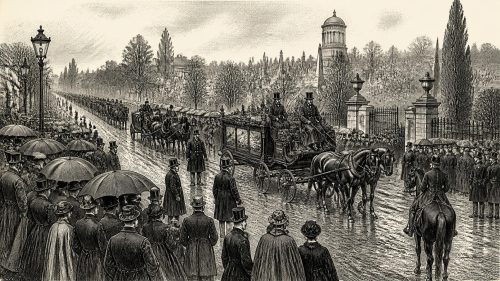
In 1891, the Parnell split dominated Irish politics as anti-Parnellites organised in the Irish National Federation, won North Sligo and Carlow, and gained episcopal support. Parnell defended Irish independence, married Katharine O’Shea, addressed his last major meeting at Creggs, and died in Brighton; his Glasnevin funeral drew vast crowds. The Purchase of Land Act strengthened tenant purchase and created the Congested Districts Board to address western poverty. The census recorded continuing population decline, driven by emigration and limited rural opportunity. Meanwhile, the Irish Daily Independent began publication, Wilde published Dorian Gray, Stephens returned, and Redmond’s Waterford victory preserved minority Parnellism.
Read Article
Archived: 10 October 2026
Abstract
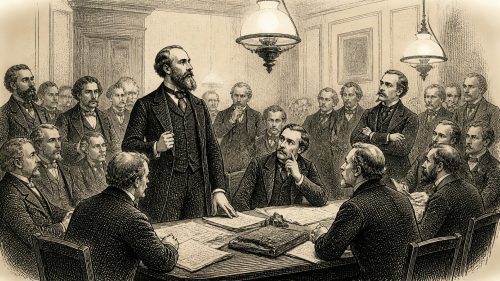
In 1890, Charles Stewart Parnell emerged largely vindicated from the Special Commission, but his leadership of the Irish Parliamentary Party collapsed after Captain O'Shea's divorce case exposed his relationship with Katharine O'Shea. Gladstone warned that retaining Parnell endangered Liberal support for Home Rule, while Catholic bishops opposed him. In Committee Room 15, forty-five MPs abandoned Parnell, leaving twenty-eight supporters and dividing nationalism for the decade. Meanwhile, land, labour and food insecurity persisted, despite Davitt's activism. Belfast's market, Derry's Guildhall and Dublin's museum signalled civic development, whereas removal of Inishbofin remains exposed exploitative Victorian anthropology and unequal institutional power over bodies.
Read Article
Archived: 10 October 2026
Abstract
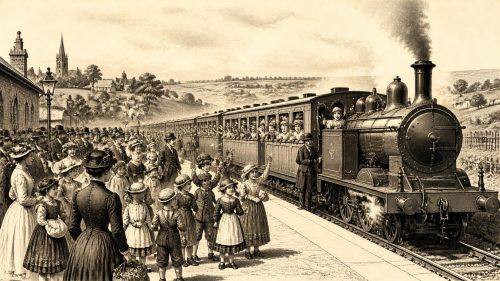
In 1889, Richard Pigott’s forged letters linking Charles Stewart Parnell to the Phoenix Park murders collapsed under cross-examination, vindicating Parnell though the Special Commission continued. Rural conflict persisted around the Plan of Campaign and coercive enforcement, despite reduced official proclamations. The Armagh railway disaster killed 80 people and injured 260, prompting railway safety legislation. Horace Plunkett began co-operative experiments at Doneraile. Cultural developments included Yeats’s The Wanderings of Oisin and Other Poems and Douglas Hyde’s Irish-language folktale collection. Parnell’s year ended ominously when Captain William O’Shea filed a divorce petition, foreshadowing the crisis of 1890 and the ensuing party split.
Read Article
Archived: 10 October 2026
Abstract
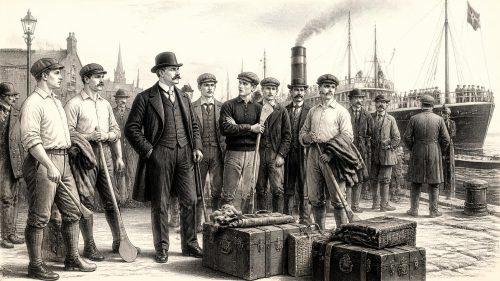
In 1888 Ireland faced coercion, agrarian conflict and scrutiny of constitutional nationalism. The Special Commission investigated allegations against Charles Stewart Parnell and Irish MPs, while the Plan of Campaign provoked prosecutions, evictions and papal condemnation. Local government reform failed, leaving Ireland without elected county councils. Meanwhile, Horace Plunkett promoted co-operation, Christian Brothers College opened in Cork, and W. B. Yeats published Fairy and Folk Tales of the Irish Peasantry. Maurice Davin led Gaelic Athletic Association athletes to America, promoting hurling among emigrants despite financial difficulties. These developments demonstrated continuing struggles over political representation, land, religion, culture and Irish institutional independence.
Read Article

Archived: 10 October 2026
Abstract
In 1887 Arthur Balfour’s Unionist administration combined coercion with limited land reform amid depressed farm incomes and organised tenant resistance. The Criminal Law and Procedure Act proclaimed districts and outlawed the Irish National League, while the Land Law Act revised protections, rents and purchase provisions. The Plan of Campaign mobilised tenants, notably on the Kingston estate near Mitchelstown. On 9 September, RIC police fired on a crowd, killing Michael Lonergan and mortally wounding John Shinnick and John Casey. The shootings intensified controversy over public meetings and policing. Meanwhile, The Times attacked Parnell, while antiquarian scholarship asserted Ireland’s distinct cultural heritage.
Read Article

Archived: 10 October 2026
Abstract
In 1886, Gladstone’s First Home Rule Bill offered Ireland limited self-government under the Crown, but Liberal divisions defeated it and strengthened Conservative and Unionist politics. Elections sharpened nationalist and unionist electoral blocs, particularly in Ulster. Belfast suffered prolonged sectarian riots, causing 31 deaths and exposing communal insecurity. Rural hardship persisted amid falling agricultural prices, emigration and increased poor relief. In October, John Dillon and William O’Brien launched the Plan of Campaign, organising tenants to seek collective rent reductions and support evicted families, despite Parnell’s reservations. Labourers’ and tramway legislation continued modest reform, while Yeats’s early publication indicated enduring cultural activity.
Read Article
Archived: 10 October 2026
Abstract
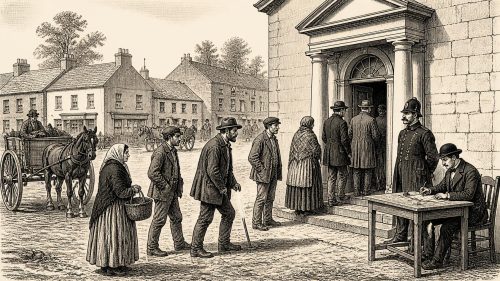
In 1885, Ireland’s land and constitutional politics were reshaped. The first Ashbourne Act authorised £5 million for state-backed tenant purchases, advancing the shift from landlordism, while educational endowments legislation addressed school resources. Lord Salisbury’s minority Conservative government appointed Lord Carnarvon, whose private discussion with Charles Stewart Parnell indicated tentative interest, not commitment, in Irish legislative autonomy. Franchise extension and redistribution enlarged and reorganised constituencies. The Irish National League’s organisation helped Parnellites win 85 of Ireland’s 103 seats, giving their Westminster bloc decisive leverage. Unionist strength persisted in Ulster. Economic contrasts, emigration, and Gaelic Athletic Association rule-making also marked the year.
Read Article
Archived: 10 October 2026
Abstract
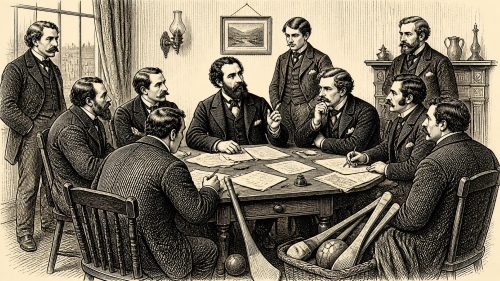
In 1884, Michael Cusack, Maurice Davin and others founded the Gaelic Athletic Association at Hayes’s Commercial Hotel, Thurles, to organise and promote Irish games and athletics. Supported by patrons including Charles Stewart Parnell, Michael Davitt and Archbishop Croke, it linked recreation with nationalist cultural confidence, though formal rules followed in 1885. Meanwhile, franchise reform widened male voting rights without enfranchising women or all men, intensifying Home Rule politics and land concerns. Emigration exceeded natural population growth, while disease and infant mortality remained high. Nine women received Royal University degrees, signalling limited educational progress amid persistent social, economic and religious inequalities.
Read Article
Archived: 10 October 2026
Abstract
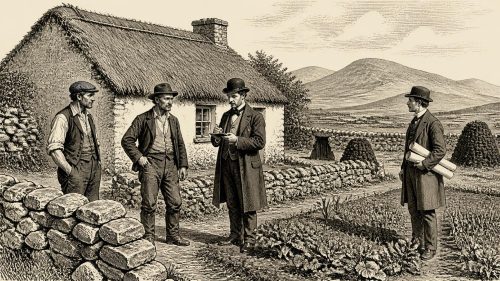
In 1883, Ireland remained divided by unresolved land ownership, coercive government and demands for Home Rule, while the aftermath of the Phoenix Park murders shaped prosecutions and political debate. The Labourers (Ireland) Act established a cautious framework for sanitary authorities to build rural cottages, foreshadowing later reforms. Nationalist organisation persisted through Parnell, the National League and transatlantic support. Catholic institutions expanded with Belfast’s Mater Hospital and a Jesuit University College in Dublin. Completed O’Connell monument figures, international rugby, emigration, a Tyrone tramway proposal and George Moore’s first novel reflected wider civic, economic and cultural change amid continuing uncertainty, national tensions.
Read Article
Archived: 10 October 2026
Abstract
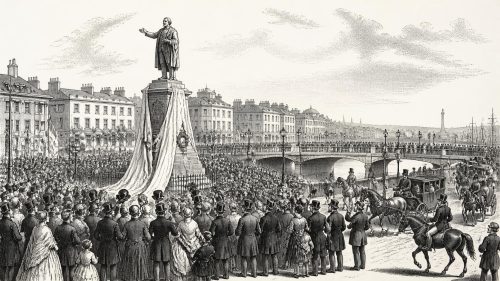
1882 in Ireland combined attempted settlement, assassination, land relief, coercion, injustice, and nationalist reorganisation. Informal negotiations between Parnell and Gladstone’s government secured nationalist releases and promised arrears relief, prompting Forster’s resignation. Days later, Irish National Invincibles murdered Chief Secretary Lord Frederick Cavendish and under-secretary Thomas Henry Burke in Phoenix Park, damaging constitutional nationalism. The government responded with the Prevention of Crime Act and the limited Arrears of Rent Act. At Maamtrasna, inadequate interpretation imperilled Irish-speaking defendants; Myles Joyce was executed and posthumously pardoned. Parnell’s supporters founded the Irish National League, while Dublin unveiled O’Connell’s monument, affirming constitutional public national aspirations.
Read Article
Archived: 10 October 2026
Abstract
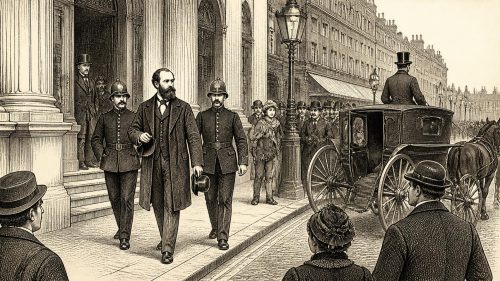
In 1881, Ireland’s Land War intensified as Gladstone’s government combined coercive detention powers with the Land Law (Ireland) Act. The Act advanced the Land League’s three Fs—fair rent, fixity of tenure and free sale—through judicial rents, security and protected tenant interests, but left arrears and ownership unresolved. Michael Davitt and Charles Stewart Parnell were imprisoned, while the Irish National Land League was suppressed after its No Rent Manifesto. Anna Parnell’s Ladies’ Land League organised relief and resistance. Census returns recorded continuing population decline and rural predominance. The year permanently weakened landlord authority while linking land reform, political protest and self-government.
Read Article

Archived: 10 October 2026
Abstract
In 1880, agricultural failure, falling prices and rent arrears intensified Irish rural distress, prompting relief measures, emigration and debate over tenants’ responsibilities. The general election and Charles Stewart Parnell’s American fundraising strengthened nationalist organisation; his victory over William Shaw established parliamentary leadership. The Lords’ rejection of the limited Compensation for Disturbance Bill deepened distrust of Westminster. Parnell promoted ostracism of those taking evicted farms, exemplified by Captain Boycott’s isolation at Lough Mask, which created the word boycott. Agrarian violence and prosecutions revealed mounting conflict. Meanwhile, the Royal University of Ireland expanded degree access, including for women, linking crisis with change.
Read Article
Archived: 10 October 2026
Abstract
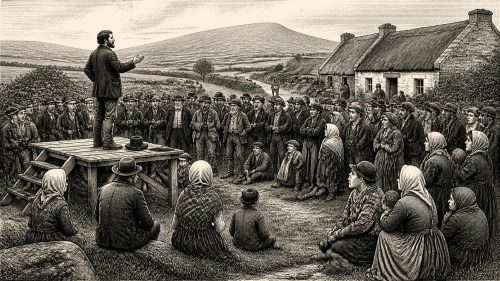
In 1879, poor harvests, falling agricultural prices and insecure small tenancies caused distress in Connacht, reviving fears of hunger, debt and eviction. On 20 April, tenants meeting at Irishtown, County Mayo, transformed a local rent dispute into agitation. Further meetings led to the Mayo Land League at Castlebar in August and the Irish National Land League in Dublin in October, connecting rural protest with Parnell’s parliamentary nationalism. Isaac Butt died, while Home Rule leadership was contested. In August, Knock villagers reported a Marian apparition, investigated by church authorities. Relief efforts began, and university reform created the Royal University of Ireland.
Read Article
Archived: 10 October 2026
Abstract
In 1878, Ireland faced mounting tensions before the Land War. Lord Leitrim, notorious among tenants, was killed with two companions in Donegal, highlighting grievances over eviction and insecure tenure. Agricultural depression, poor harvests, emigration and severe disease increased hardship, though conditions varied regionally. The Public Health (Ireland) Act strengthened sanitary administration amid high mortality. The Intermediate Education Act created examination-based support for secondary schooling, including potential provision for girls. Sunday licensing restrictions reshaped social life, with urban exemptions. Politically, Isaac Butt weakened as Charles Stewart Parnell advanced tenant-rights agitation and contacts associated with the emerging New Departure in Irish politics.
Read Article
Archived: 10 October 2026
Abstract
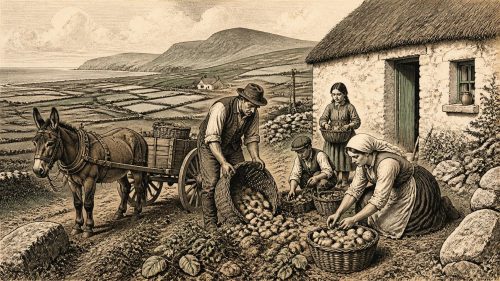
In 1877, Charles Stewart Parnell and Joseph Gillis Biggar used prolonged Commons obstruction to challenge Westminster’s neglect of Irish concerns, weakening Isaac Butt’s constitutional leadership. A poor potato harvest and falling agricultural prices increased hardship among tenants, especially in western districts, foreshadowing but not yet constituting the Land War. Dublin saw centralising prison reform, creation of the Science and Art Museum, and medical licences for Sophia Jex-Blake, Mary Edith Pechey and Louisa Atkins. Dom Pedro II of Brazil toured Ireland, highlighting international connections. Meanwhile, the Ballymena and Larne Railway opened goods traffic, illustrating uneven regional economic development within Ireland clearly.
Read Article
Archived: 10 October 2026
Abstract
In 1876, Isaac Butt’s request for a Commons committee on Irish self-government was defeated overwhelmingly, exposing Westminster’s resistance and divisions within Home Rule, where Parnell advocated repeal of the Union. Land tenure remained contested despite the 1870 Act; parliamentary initiatives and Return of Owners of Land highlighted insecurity and concentrated property, although harvests were good. Railway consolidation created Great Northern Railway, while Dublin established an artisans’ dwellings company. The Dublin Women’s Suffrage Association, led by Anna Haslam, organised campaigning. The Society for the Preservation of the Irish Language formed, signalling cultural activism amid continuing emigration, rural dependence and British rule.
Read Article




