Archived: 30 October 2026
Abstract
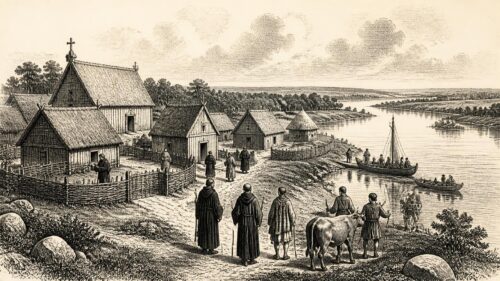
Conventionally dated to 768, the annals record transitions rather than a national crisis in Ireland. Dub Innrecht, Uí Briúin king of Connacht, died from bloody flux, creating an undocumented succession question but not evidence of epidemic or civil war. Ecclesiastical leadership changed with the deaths of Aedán of Lismore, the senior abbot at Clonmacnoise, Fer dá Crích son of Suibne at Armagh, and Coibdenach of Cell Tóma. Eithne of Brega, styled queen of Tara’s kings, was praised for penance. These selective notices illuminate intertwined dynastic, religious and economic authority in a rural, fragmented Ireland connected to Britain through learned networks.
Read Article
Archived: 30 October 2026
Abstract
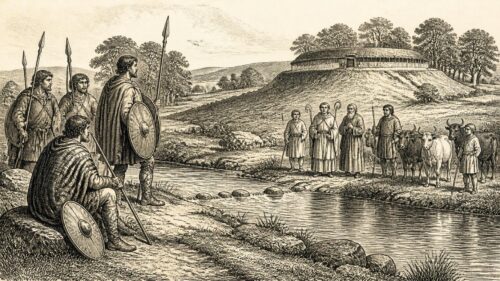
In annalistic year 766, Ireland’s fragmentary records reveal political rivalry and ecclesiastical links. Folloman, king of Mide, was treacherously killed after supporting Donnchad Midi, while fighting between Mide and Brega claimed Máel Uma and Donngal. In Connacht, Dub Innrecht’s Uí Briúin defeated the Conmaicne at Sruthair, killing many, including Áed Dub. In Munster, Uí Fhidgeinte and Araid Cliach defeated Máel Dúin at Énboth Breg. Crimthann, abbot of Clonfert, died, and Suibne, abbot of Iona, visited Ireland. These notices depict competing dynasties, powerful churches, and Irish Sea connections, while leaving ordinary life largely unrecorded and offer no evidence of Viking raids.
Read Article
Archived: 31 October 2026
Abstract
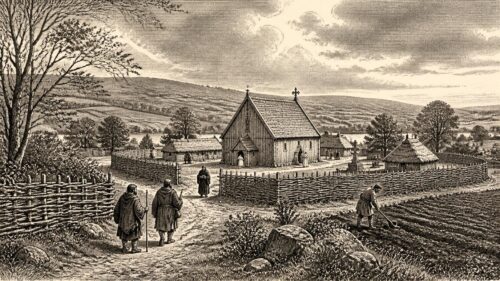
In 763, Domnall Midi of Clann Cholmáin, king of Tara, died at Durrow on 20 November, ending a southern Uí Néill ascendancy. Niall Frossach of Cenél nÉogain then began to rule, restoring the leading overkingship to the northern Uí Néill amid a contested political order rather than a unified monarchy. Annals also record Connacht’s severe but unexplained defeat at Cuilnech Mór and fighting between Munster peoples. Deaths of abbots and clerics at several major churches reveal an extensive ecclesiastical network. A daytime darkening of the sun was noted, though its cause and meaning remain unknown. Kingship, warfare and church intertwined.
Read Article
Archived: 31 October 2026
Abstract
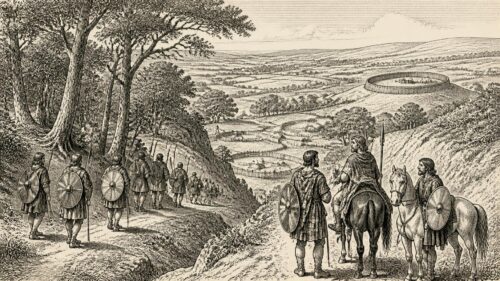
In 761, Irish annals record localised dynastic conflicts rather than an island-wide crisis. At Belach Gabráin, probably near Gowran, Osraige under Anmchad son of Con Cú Cerca defeated a Leinster force; Donngal son of Laidcnén, king of Uí Chennselaig, was killed. The repeated fighting there, also noted in 759, reflected competition for frontier routes and resources. At Áth Duma, Ulaid fought Uí Echach and Ailill son of Fíelmid died, amid north-eastern rivalries. Annals also note Pictish king Óengus’s death, illustrating Irish interest in interconnected British politics. Sources reveal changing political relationships but omit causes, numbers, civilian effects and battlefield detail.
Read Article
Archived: 31 October 2026
Abstract
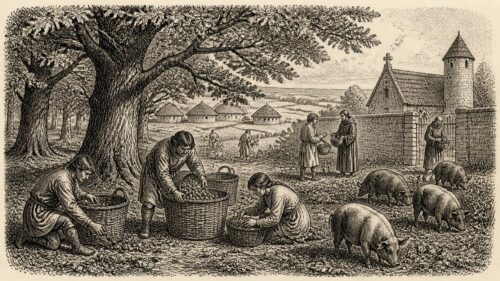
In 760, Irish annals recorded famine alongside an exceptional acorn crop, highlighting food insecurity despite local abundance and unequal access to resources. Political change followed the death of Leinster ruler Muiredach, while a battle at Belach Gabráin exposed rivalry between Leinster and Osraige. Ecclesiastical institutions were equally entangled in conflict: communities of Clonmacnoise and Birr fought, and a bishop was killed at Kildare’s altar, reportedly prompting a liturgical restriction. Death notices for rulers and churchmen reveal networks spanning Ireland. Though chronologically uncertain and selective, the annals portray a divided, interconnected society shaped by scarcity, dynastic competition, church power, and violence.
Read Article
Archived: 31 October 2026
Abstract
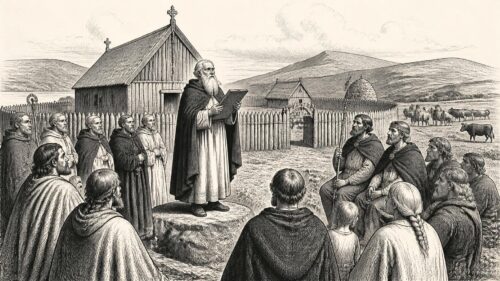
In annalistic 757, Ireland’s fragmented political and ecclesiastical landscape was marked by conflict, loss and religious assertion. At Cenn Febrat in Munster, Bodbgal, superior of Mungret, died in fighting among Munstermen, while Donn of the southern Uí Briúin was killed in Connacht. Tomaltach of Ciannachta Glinne Gaimin and several churchmen also died. Uí Chremthainn burned Cell Mór Dithraib, demonstrating religious communities’ material vulnerability. Obits recorded abbots and anchorites across Ireland. Most significantly, Sléibéne, abbot of Iona, promulgated the Law of Colum Cille, renewing Columban claims and links between ecclesiastical authority, secular protection, obligations and networks spanning Ireland and western Scotland.
Read Article
Archived: 31 October 2026
Abstract
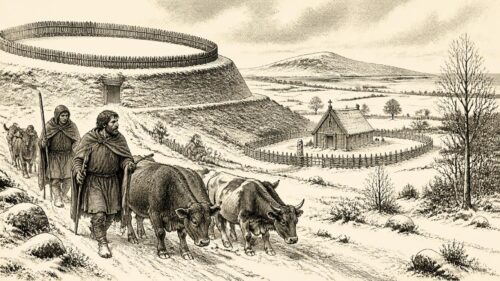
In 748, Irish annals recorded exceptional snow, widespread cattle mortality and subsequent drought, placing severe pressure on a pastoral economy without proving famine. The death of Indrechtach, king of the Ciannachta, affected politics in Brega, while Congal of Airthir was killed at Ráith Escla. Ua Suanaig’s law was enforced in Leth Cuinn, demonstrating proclaimed legal authority despite uncertain provisions or reach. Annals also noted deaths of abbots, anchorites and learned men, illustrating churches’ economic and social importance. A described battle and an aerial-ship prodigy reveal chronicles combining conflict, environment, leadership and marvels. The evidence depicts interconnected hardship, authority and learning.
Read Article
Archived: 1 November 2026
Abstract
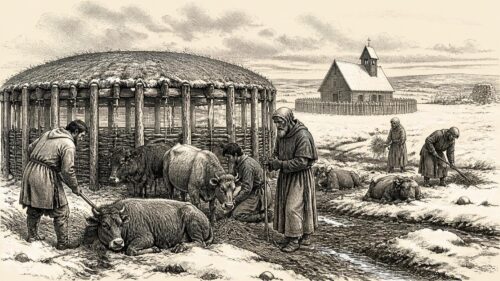
In 747, Ireland experienced exceptionally deep snow, widespread cattle mortality and subsequent drought, shocks that endangered a rural economy dependent on livestock for food, labour, tribute and status. The annals do not establish famine or population loss, but attest severe island-wide disruption. Political life continued: Indrechtach of the Ciannachta and Queen Muirenn died, while Congal of the Airthir was slain. Suanach’s grandson’s law operated in Leth Cuinn, indicating public legal or ecclesiastical authority. Obituaries recorded abbots, anchorites and scholars, including Cúan Cam. Munster sources noted fighting at Cúil Géisi. Together, the entries reveal interconnected environmental, political, legal and religious pressures.
Read Article
Archived: 1 November 2026
Abstract
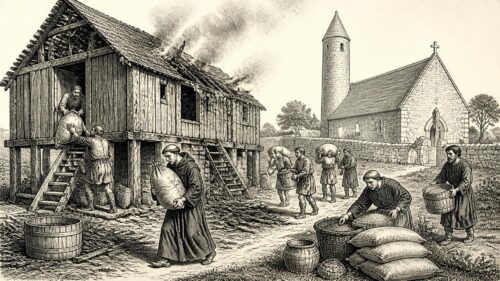
In 746, Irish annals recorded the violation of sanctuary at Domnach Pátraic, where six unnamed captives were hanged, exposing the religious and political weight of ecclesiastical protection. They also noted local warfare, including deaths among rival leaders, defeat of the Conmaicne, slaughter among southern Uí Briúin, and kin-slaying at Les Mór. Obits of abbots, bishops and rulers reveal a dispersed network of churches and regional powers. The Four Masters record fire damage to half Clonard’s granary, highlighting institutional resources and vulnerability. Notices concerning Domnall Midi’s era and dragons seen in the sky further convey a fragmented, unsettled Ireland in transition.
Read Article
Archived: 1 November 2026
Abstract
An annalistic dossier assigned to 742 by the Annals of Ulster, but often dated 743, records intense political, ecclesiastical and social change in Ireland. At Seredmag near Kells, Domnall Midi defeated and killed Áed Allán, gaining wider kingship and strengthening Clann Cholmáin against Cenél nÉogain. Other regional battles and killings reveal widespread instability. Deaths of Affrica of Kildare and abbots of Rechru and Mag Bile marked ecclesiastical successions. Suanach’s law was enacted, and relics of Trian of Cell Delge travelled on circuit. The annals also report widespread bolgach, probably a smallpox-like disease, showing warfare, religious authority and illness shaped communities.
Read Article
Archived: 1 November 2026
Abstract
In 736, Irish annals recorded deaths of abbots at Clonard, Lusk, Ardbraccan and Mag Bile, alongside the passing of the scholar-anchorite Duiblitir on Inis Bó Finne. Máel Fothartaig was killed by fellow Leinstermen, while Bodbthach, king of Cairpre, died, illustrating localised political authority and conflict. These terse notices reveal churches as influential economic, social and political centres, though succession details remain unknown. Across the North Channel, Pictish king Óengus devastated Dál Riata, capturing Dúnadd and imprisoning Selbach's sons. The evidence indicates transition rather than collapse, highlighting Ireland's ecclesiastical networks, regional rivalries and maritime connections. Dating uncertain; precise dates remain unrecorded.
Read Article
Archived: 1 November 2026
Abstract
In 726, Irish annals record conflict linking Leinster, Brega and Mide. Cináed son of Írgalach of the Síl nÁedo Sláine fought the Leinstermen at Maíne, demonstrating continuing rivalry after Leinster’s victory at Allen. Crimthann, son of former Leinster king Cellach Cualann, was killed young at Belach Lice; Inisfallen names Muiredach as victor. Ailill son of Badbchad was slain in Mide. The deaths of Da Chonda of Connor, Mainchín of Leighlin and Cillíne Long of Iona underline ecclesiastical importance. Sparse, differing annalistic notices reveal clearly local dynastic violence, regional ambition and interconnected church networks, but not island-wide crisis or settled overlordship.
Read Article
Archived: 1 November 2026
Abstract
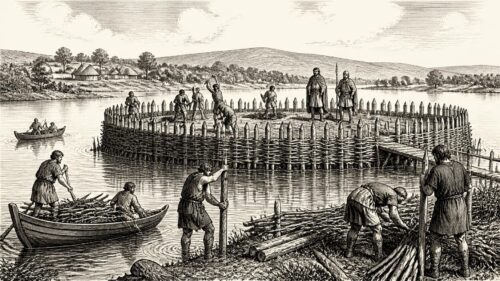
In 725, Irish annals record dispersed events rather than a single national turning point. Cináed son of Írgalach caused the Ulaid to flee, indicating temporary northern reach after his victory in 724, but not conquest. A fortified or constructed island associated with Crach’s son suggests investment in defended wetland settlement, though its site and purpose remain unknown. Obituaries commemorated scribes, teachers and abbots linked to Armagh, Kildare, Munster and communities, demonstrating ecclesiastical learning and institutional influence. Simul son of Drust was imprisoned in northern Britain. Divergent annalistic chronologies require caution, yet these notices reveal organised power, construction and intellectual networks.
Read Article
Archived: 1 November 2026
Abstract
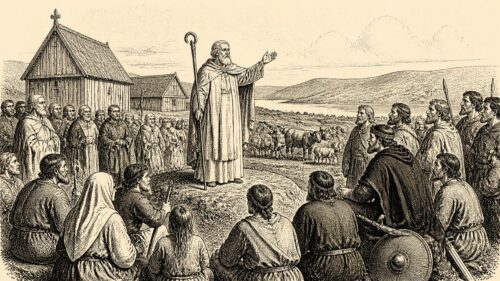
In 721, Cathal son of Finguine of Munster and Murchad son of Bran of Leinster devastated Mag Breg, challenging Uí Néill authority around Tara. Fergal son of Máel Dúin, king of Tara, responded by imposing cattle tribute and taking hostages from Leinster, demonstrating his political supremacy. Inisfallen instead preserves a Munster-centred claim that Cathal and Fergal made peace and that Fergal submitted. Inmesach the religious established a law proclaiming Christ’s peace across Ireland at Campo Delenn. Annals note conflict between Connachta and Corco Baiscinn, deaths of rulers and churchmen, and reveal rivalry, ecclesiastical influence, and limits of evidence for life.
Read Article
Archived: 1 November 2026
Abstract
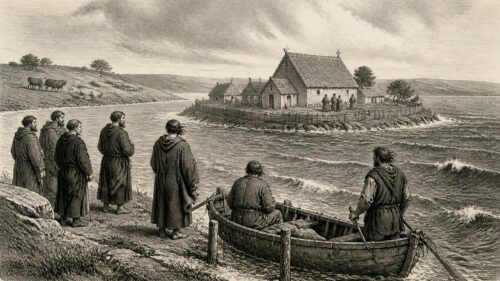
In 720, Irish annals recorded a rainy summer, the death of Sínach of Inis Clothrann, and a great sea-flood in October. The wet season may have disrupted cereal growing, haymaking, travel and fodder supplies, although its effects varied by resources and status and cannot prove famine. Sínach’s obituary attests to an ecclesiastical community on Lough Ree, connected through the Shannon to estates, labour and exchange. Politically, the year lay between Fergal’s campaigns against Leinster, though no conflict is securely dated to it. The sea-flood, perhaps storm surge or tsunami, remains unlocated and unexplained, demonstrating environmental vulnerability and maritime connections alike.
Read Article
Archived: 13 October 2026
Abstract
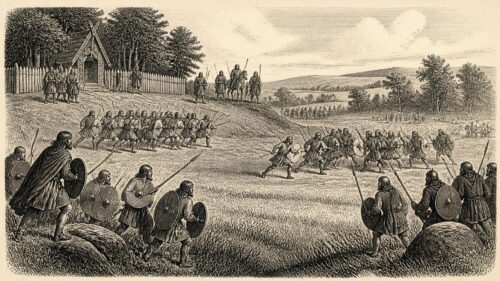
In 714, Irish annals recorded concentrated warfare, political upheaval and environmental strain. Murchad Midi of Clann Cholmáin defeated Brega rivals in two encounters at Bile Tened, while Fogartach of southern Brega was expelled to Britain and Forbassach of Uí Fhailgi was killed in Mide. Other conflicts occurred among Uí Echach and Bairche, and Munstermen killed Clárainech’s travelling religious community. Selbach rebuilt Dún Ollaig in Dál Riata, highlighting Irish Sea links. Ailén Daingen, probably a fortified lake settlement, was destroyed. A great drought and bright autumn night were also noted, revealing a fragmented society vulnerable to conflict and natural pressures alike.
Read Article
Archived: 13 October 2026
Abstract
In 713, annalistic evidence records political and ecclesiastical transitions across Ireland and the Gaelic sea-world. Cormac, king of Munster, died in battle at Cam or Carn Feradaig, opening a succession from which Cathal son of Finguine emerged. Cú Cherca of Osraige and Sechnasach of Uí Maine also died, while other killings illustrate regional violence. Church leaders Fáilbe Bec of Clonmacnoise and Bishop Baetán died. At Iona, Dorbéne held the primacy for five months before dying on 28 October. These notices reveal overlapping local kingships, influential monastic networks, and links between Ireland, Iona, Pictland and Northumbria during a year of change.
Read Article
Archived: 1 November 2026
Abstract
In 712, Irish annals record regional conflicts, dynastic deaths and ecclesiastical losses rather than a unified national crisis. Maíne, a descendant of Áed Sláine, was killed by Flann in Brega, while violence also affected the Ulaid, Cenél Laegaire and southern Leinster. Cú Cerca of Osraige died, and Cormac son of Máenach, king of Munster, fell to the Northern Déisi at Carn Feradaig. Ceode of Iona and Dub Guaile of Glendalough died. An annal noted Bede’s scholarly work. Rural society, farming, maritime connections and monastic networks continued, although sources provide little detail on causes, places or outcomes in the surviving record.
Read Article
Archived: 13 October 2026
Abstract
In 706, Irish annals recorded deaths rather than events, revealing ecclesiastical and political transitions amid uncertain chronology. Osséne son of Gallust, abbot of Clonmacnoise, died, affecting a Shannon monastery sustained by rural production, river movement and communities. Flann Febla, abbot of Armagh, also died, marking change at Ireland’s Patrician church. Conchobor, king of Cenél Cairpri, died or was killed, though sources conflict. Notices of Bruide son of Derile suggest Irish Sea connections, while Cellan son of Sechnusach, the learned, reflects valued scholarship despite disputed dating. The sparse record depicts rural, plural, Christian Ireland structured by kinship, churches and regional power.
Read Article
Archived: 1 November 2026
Abstract
In 702, although annalistic dating varies between 701 and 702, Irish records note political and ecclesiastical deaths. Muiredach Muillethan, king of Connacht and ancestor of Síl Muiredaig, died, potentially affecting regional succession. Írgalach of Brega, grandson of Conaing, was killed by Britons at Inis Mac Nesáin, modern Ireland’s Eye, demonstrating dangerous Irish Sea connections without proving an invasion. Faeldobar of Clogher, other kings, an abbot and scholars also died. These notices reveal interdependence between rulers, churches and learning. Most people remained unrecorded, sustaining rural communities whose labour, farming, tribute and seaborne travel underpinned early medieval Irish society amid dynastic instability.
Read Article
Archived: 1 November 2026
Abstract
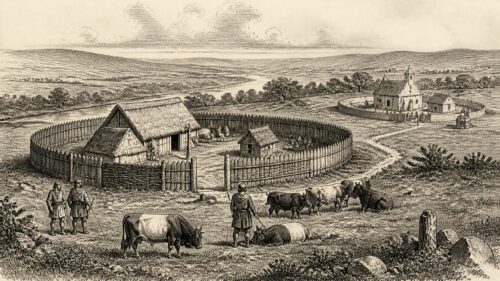
In 701, Niall son of Cernach was killed at the uncertain site of Drumain Ua Casáin by Írgalach, intensifying rivalry between branches of the southern Uí Néill in Brega. Later Columban tradition portrayed the killing as a violation of sanctuary linked to Kells and Írgalach’s death as retribution, though contemporary annals give no details. The year also recorded cattle mortality, threatening wealth, food production, tribute and rural livelihoods. In Munster, Ailill, king of Mumu, and Conall of Uí Fidgente died, prompting uncertain political transitions. Colmán ua hOrc, abbot of Clonard, also died, highlighting ecclesiastical institutions’ religious, economic and political influence.
Read Article
Archived: 1 November 2026
Abstract
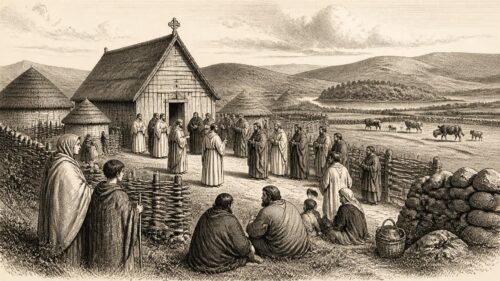
In 699, the Annals of the Four Masters record the death on 30 March of Colmán of Linn Ua Chaille, though his office remains unknown. They also assign deaths of Ailill, king of Munster, and Conall of Uí Fhidgeinte, and Írgalach’s killing of Niall Ua Cernach in Brega. Parallel annals date these political events shortly later, demonstrating chronological divergence in transmitted records. The notices illuminate ecclesiastical commemoration, unstable dynastic authority and aristocratic violence. Set after the synod of Birr, they also evoke a rural society where churches, kinship, cattle, agricultural production and local kingship shaped everyday life and political power.
Read Article
Archived: 1 November 2026
Abstract
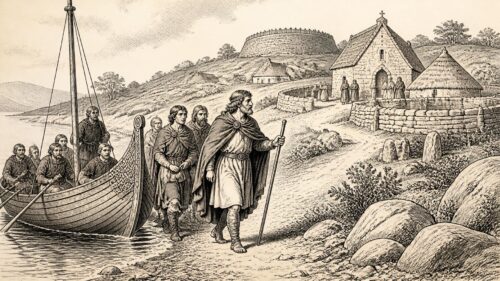
In 698, Irish annals record Tarachin’s journey to Ireland and an unexplained battle associated with Fiannamail son of Oiséne. Chronological variation requires caution: Tarachin may have been connected with the deposed Pictish ruler Taran, but neither identity nor motives are certain. His crossing nevertheless illustrates Ireland’s maritime links with Dál Riata, Pictland and western Britain, and its potential role as refuge for displaced elites. Fiannamail’s battle reflects localised violence within a fragmented political landscape under Loingsech’s influence. Churches, rural production and literate communities supported authority and preserved selective memories. Ireland was connected, decentralised, and politically active, not unified or isolated.
Read Article
Archived: 1 November 2026
Abstract
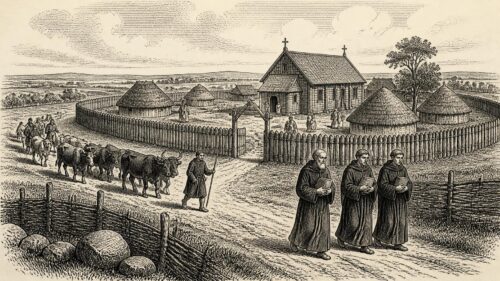
In 696 CE, Irish annalists recorded a striking concentration of deaths and killings among rulers, ecclesiastics and men of high rank. The fullest contemporary-looking notices name the killing of Lóchéne Menn, the learned abbot of Cell Dara (Kildare); the deaths of Finguine, king of Munster, Fergal of Aidhne, and Congalach of Brega; and the killing of Domnall son of Conall Crandomna. The notices are brief, often frustratingly so, but they reveal a year in which power changed hands across several regions and in which a leading monastery suffered the violent loss of its head. Dating a Sparse Year The evidence
Read Article
Archived: 2 November 2026
Abstract
In 690 CE, Ireland’s surviving annalistic tradition places a cluster of violent deaths and ecclesiastical losses within a single, unsettled political landscape. The clearest event is the killing of Congal, son of Máel Dúin and grandson of Áed Bennán, whom the Annals of Ulster call king of Iarmumu, or western Munster. The same annal sequence also records the deaths of Ailill son of Dúngal, associated with Éilne among the Cruthin in the north, and of Dúnchad son of Orc Doith. These terse notices do not supply a battlefield, motive or victor. Yet their concentration is revealing: authority in Ireland rested
Read Article
Archived: 2 November 2026
Abstract
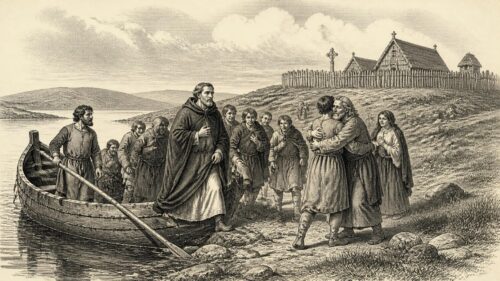
In the annalistic sequence for 687, Adomnán, abbot of Iona, returned sixty former captives to Ireland, probably people seized during King Ecgfrith of Northumbria’s raid of 684. Although the precise date and negotiations remain uncertain, Adomnán’s links with King Aldfrith and Northumbrian ecclesiastical networks likely enabled their release. The episode illustrates Irish Sea connections linking warfare, diplomacy and learning; Adomnán’s scholarly exchanges with Aldfrith may have occurred during related visits. The annals also record the deaths of abbots at Glendalough and Cork, and of a bishop attached to an uncertain monastery, alongside the unexplained killing of Feradach son of Congal.
Read Article
Archived: 2 November 2026
Abstract
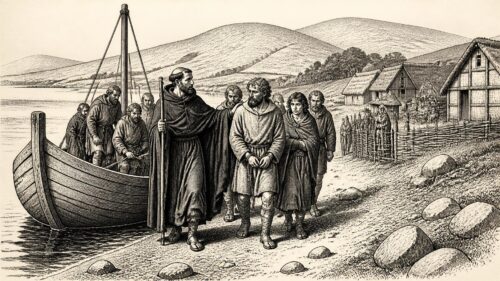
In 686 CE, the clearest securely dated Irish development was an act of return rather than a battle: Adomnán, abbot of Iona, brought sixty former captives back to Ireland. The notice in the Annals of Ulster is exceptionally brief, naming neither the people released nor their home districts, the port at which they landed, or the terms on which freedom was obtained. Yet its precise number and its place amid notices of deaths and killings make it one of the most human records preserved for this year. It also reveals an Ireland connected, and vulnerable, across the Irish Sea. A
Read Article
Archived: 2 November 2026
Abstract
In 683 CE, Ireland’s surviving annalistic record places political violence, contested provincial authority and the first reported onset of a grave mortality within the same year. The entries are terse, but their conjunction is striking: Dúnchad Muirisce, king of Connacht, was killed; Colgu, son of the former Tara ruler Blathmac, fell in the battle of Corann alongside Fergus, king of Cenél Cairpri; two strongholds were besieged; and, in October, a disease described as the “mortality of children” began. For a society whose history was usually recorded through the fates of rulers, clerics and religious houses, this last notice points beyond
Read Article
Archived: 2 November 2026
Abstract
In 681 CE, Ireland’s surviving annalistic record preserves three securely associated notices: the killing of Cenn Fáelad, described as king of Connacht; a battle at Ráith Mór in Mag Line against Britons, in which Cathasach, king of the Cruithin, was killed; and the death of Suibne, superior of Corcach. These are short entries, but they reveal a political world in which royal authority remained precarious, conflict crossed the narrow seas, and ecclesiastical communities were led by figures important enough to be entered beside kings and battles. The evidence must be handled carefully. The Annals of Ulster place these items under
Read Article
Archived: 2 November 2026
Abstract
In 680 CE, Ireland’s surviving annalistic record brings together a striking mixture of dynastic violence, ecclesiastical change and a grave outbreak of illness. The entries are brief, and the manuscripts that preserve them were written much later, so their calendar headings require care. This account follows modern chronological synchronisation rather than simply repeating the sometimes displaced year-numbers in individual annals. On that basis, several developments can responsibly be assigned to 680: the death of Colmán, abbot of Bennchor (Bangor); the killing of Fíanamail mac Máel Tuile, king of Leinster; deaths and fighting in several regions; and, most memorably, the report
Read Article





