Archived: 25 September 2026
Abstract
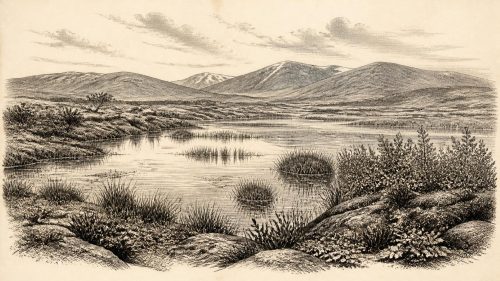
Around 30,705 BCE, Ireland lay within the unstable Middle Midlandian of Marine Isotope Stage 3, rather than a datable historical year. At Derryvree near Maguiresbridge, Fermanagh, freshwater organic deposits between glacial tills record an ice-free interval, although their radiocarbon age spans a broad range. Pollen, plants, mosses and insects indicate open, treeless, periglacial tundra with shallow water, sedges and cold-adapted flora. Cave remains from Cork and Waterford show that mammoths, reindeer, predators and lemmings intermittently reached Ireland, but mixed deposits prevent precise associations. No secure evidence confirms human presence, settlement, politics or culture. These fragmentary records reveal a varied landscape.
Read Article
Archived: 25 September 2026
Abstract
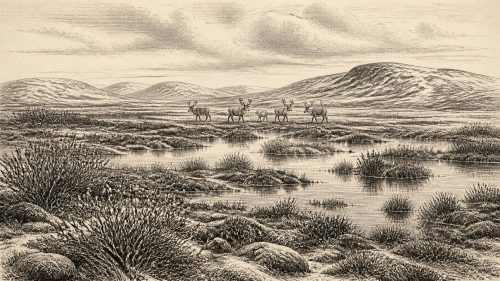
Circa 30,706 BCE, Ireland lay within the unstable cold conditions of Marine Isotope Stage 3, not a documented historical era. Derryvree, County Fermanagh, preserves organic freshwater sediments between glacial tills, dated broadly near this period. Plants, mosses, insects and sediments indicate an open, wet, tundra-like landscape with severe winters, rather than woodland or permanent refuge. Castlepook Cave, County Cork, contains varied Ice Age fauna, including mammoth, giant deer, reindeer, hyaena and Arctic fox, demonstrating ecological links with north-west Europe. A possibly butchered reindeer bone offers provisional evidence of human presence, but no settlement or established economy. They reveal ice-transformed landscapes.
Read Article
Archived: 25 September 2026
Abstract
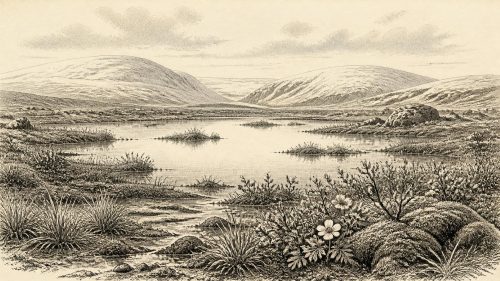
Labelled 30,710 BCE, this interval belongs to Marine Isotope Stage 3 and cannot be reconstructed as a single Irish year. At Derryvree, County Fermanagh, freshwater sediments between glacial tills, broadly dated to the period, preserve evidence of an ice-free interval: shallow water, wetland plants and open, periglacial tundra. Ireland’s ice cover, coastlines and possible travel routes changed repeatedly. Castlepook Cave, County Cork, yielded cold-stage animals including mammoth, reindeer, giant deer, predators and lemmings, though its deposits are mixed and imprecisely dated. Human presence remains uncertain: a cut-marked reindeer bone suggests visitation, but no contemporary settlement, tools or society is established.
Read Article

Archived: 25 September 2026
Abstract
30,712 BCE is a modern label for an uncertain point in Ireland’s climatically unstable MIS 3, not a date tied to a recorded event. Ireland’s ice margins, sea levels and exposed lowlands changed, while later glaciation destroyed or disturbed much earlier evidence. Castlepook Cave, County Cork, preserves Ireland’s richest pre-Last Glacial Maximum vertebrate archive, including mammoth, reindeer, giant deer, lemmings, wolves and hyenas, indicating cold, open environments. Its mixed deposits cannot date all species to one moment. No evidence demonstrates settlement, politics or culture. A possibly tool-marked reindeer bone suggests fleeting human contact, but requires confirmation and cannot establish population.
Read Article
Archived: 25 September 2026
Abstract
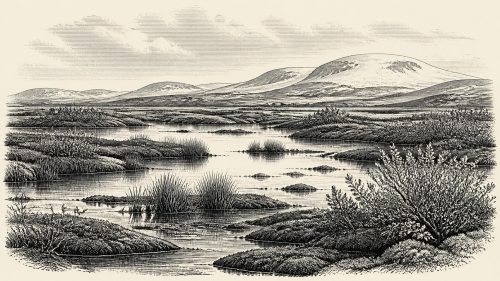
Approximately 30,716 BCE, Ireland lay within the unstable MIS 3 phase of the last Ice Age, although no annual event can be dated so precisely. At Derryvree, County Fermanagh, freshwater silts and beds preserved between glacial tills demonstrate a local ice-free interval. Plant and insect remains indicate cold, treeless wetland, with pools, sedges, mosses, dwarf willow and arctic-alpine flora. Castlepook Cave, County Cork, records a MIS 3 fauna, including reindeer, mammoth, giant deer and carnivores, but its disturbed deposits cannot prove contemporaneity. No secure evidence establishes human settlement; a possible cut-marked bone remains inconclusive. Later glaciation reshaped this Pleistocene landscape.
Read Article
Archived: 25 September 2026
Abstract
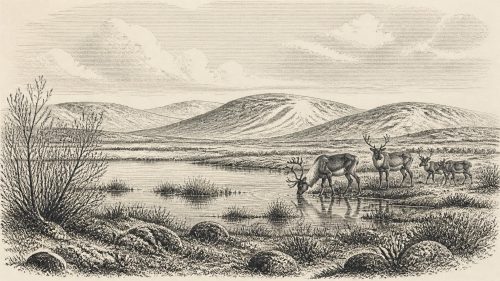
At around 30,718 BCE, Ireland cannot be described through annual events or societies, but through fragmentary Late Pleistocene evidence. Derryvree, County Fermanagh, preserves freshwater sediments between glacial tills, dated broadly to a cold MIS 3 interstadial encompassing this period. Mosses, sedges, insects and other remains indicate open tundra, wetlands and severe periglacial conditions. Southern caves, especially Castlepook in County Cork, contain reindeer, mammoth, giant deer, predators and cold-adapted mammals, demonstrating ecological links with north-west Europe. A possibly tool-marked reindeer bone suggests brief human activity, but cannot prove settlement. Later glaciation destroyed much evidence, leaving environmental reconstruction rather than cultural history.
Read Article
Archived: 25 September 2026
Abstract
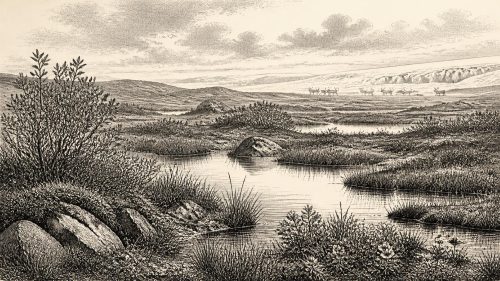
30,719 BCE is a modern filing date within later Marine Isotope Stage 3, not a recoverable Irish year. At Derryvree, County Fermanagh, freshwater sediments dated broadly to this interval lay between glacial tills, proving a local ice-free phase before renewed glaciation. Fossils indicate an open, treeless periglacial wetland of sedges, bogbean, dwarf willow and mountain avens. Ireland’s conditions varied regionally as the British-Irish Ice Sheet expanded. Castlepook Cave, County Cork, preserves reindeer, mammoth, giant deer and hyaena remains, plus a possibly tool-marked reindeer bone. This may indicate human activity, but no settlement, tools, hearths or permanent population are securely demonstrated.
Read Article
Archived: 25 September 2026
Abstract
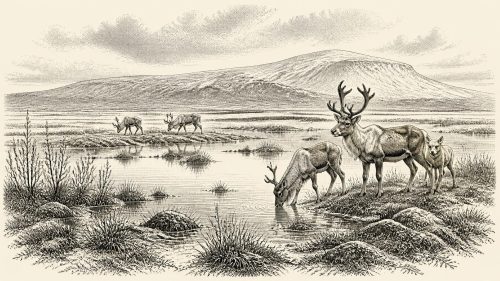
Around 30,721 BCE, Ireland cannot be described through precise annual dating or named human events. Derryvree, County Fermanagh, preserves a freshwater wetland buried between glacial tills, indicating treeless tundra, sedges, mosses, aquatic plants and locally functioning ecosystems during a cold Middle Midlandian phase. Castlepook Cave, County Cork, contains mixed remains of mammoth, reindeer, giant deer, predators and smaller cold-adapted animals, demonstrating diverse fauna but not a synchronous community. A possibly cut-marked reindeer bone suggests brief Upper Palaeolithic visits, yet permanent settlement remains unproven. Advancing ice shaped, buried and destroyed evidence, leaving a varied landscape rather than settled or lifeless island.
Read Article
Archived: 25 September 2026
Abstract
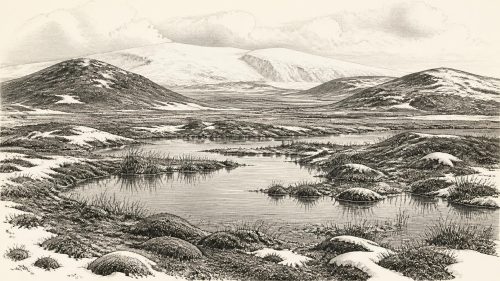
30,725 BCE is a modern label rather than a dateable Irish event. During MIS 3, Ireland experienced fluctuating cold conditions before the last ice sheet’s greatest expansion. At Derryvree, County Fermanagh, freshwater organic sediments between glacial tills demonstrate a temporary wetland with tundra-like vegetation and cold-adapted insects, although they cannot describe the whole island. Castlepook Cave, County Cork, preserves diverse Late Pleistocene fauna, including mammoth, reindeer and hyaena, indicating connections with wider Eurasian ecosystems. A possibly cut-marked reindeer bone may signal human carcass processing, but cannot prove permanent settlement. Evidence permits cautious environmental reconstruction, not political, social or calendar-year history.
Read Article
Archived: 24 September 2026
Abstract
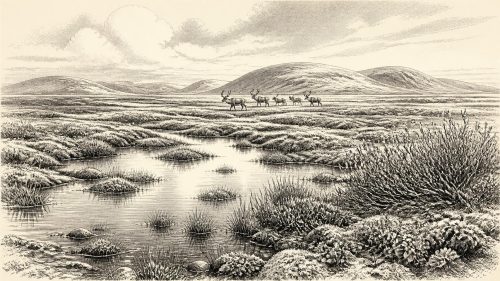
Thirty thousand years ago, Ireland lay in unstable Marine Isotope Stage 3, although dates cannot identify events in 30,729 BCE precisely. At Derryvree, County Fermanagh, freshwater sediments between glacial tills record an ice-free wetland interval, with tundra-like, open vegetation including bogbean, water-milfoil, mosses and dwarf willow. Castlepook Cave, County Cork, preserves mixed-age remains of mammoth, reindeer, giant deer and predators, demonstrating links to wider cold-stage ecosystems but not contemporaneity. A cut-marked reindeer bone suggests possible human presence, not settlement. Changing sea levels and ice complicated access. Later glaciation destroyed evidence, leaving environmental change in Ireland as the period's principal story.
Read Article

Archived: 24 September 2026
Abstract
30,730 BCE is a nominal date within MIS 3, not a recoverable Irish year at a precise calendar point. At Derryvree, County Fermanagh, freshwater silts and organic deposits between glacial tills indicate a locally ice-free, treeless periglacial wetland during a broadly dated interval of 36,900–31,700 calibrated years BP. Mosses, sedges, tundra plants and insects reveal cold, varied habitats. Castlepook Cave, County Cork, preserves complex evidence of mammoth, reindeer, giant deer, predators and other cold-adapted fauna. Human presence remains unproven, despite a possibly cut-marked bone. Ice later expanded across Ireland. These fragmentary records document changing environments, not settlements, societies or events.
Read Article
Archived: 24 September 2026
Abstract
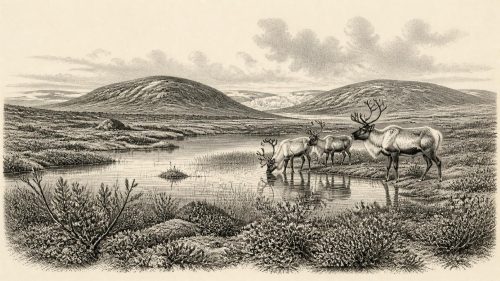
At the notional date of 30,731 BCE, Ireland lay within the climatically unstable MIS 3 cold stage, rather than a precisely datable year. Derryvree, County Fermanagh, preserves freshwater organic deposits between glacial tills, demonstrating a treeless, waterlogged tundra-like wetland during an interval between ice advances. Plant and insect remains indicate sedges, mosses and Arctic-alpine vegetation. Castlepook Cave, County Cork, records a diverse cold-stage fauna including mammoth, reindeer, giant deer, hyaena and Arctic fox. A marked reindeer femur may indicate human butchery, but cannot prove settlement. No evidence supports permanent population, polities, trade, or recoverable culture; subsequent glaciation destroyed much evidence.
Read Article

Archived: 24 September 2026
Abstract
Thirty thousand years BCE is not a precise Irish historical date but falls within Marine Isotope Stage 3. At Derryvree, County Fermanagh, freshwater silts between glacial tills preserve evidence of cold, open tundra-muskeg: sedges, grasses, mosses, low shrubs, wet hollows and seasonal water. Cave remains at Castlepook indicate Ice-Age fauna including mammoth, reindeer, giant deer, horse, wolf, Arctic fox, lemmings and hyaena, although their chronology is uncertain. Expanding ice sheets and lower seas created regional conditions. A cut-marked reindeer bone may indicate Upper Palaeolithic visits, but proves no settlement. The fragmentary record excludes claims about polities, beliefs, agriculture or occupation.
Read Article
Archived: 24 September 2026
Abstract
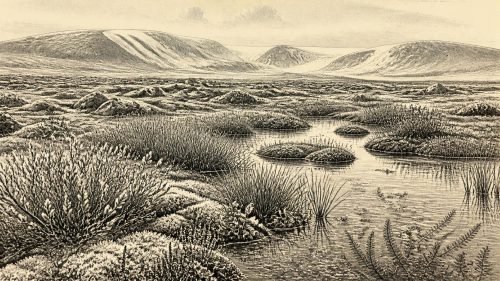
Around 30,735 BCE, Ireland cannot be described through events or communities, but through Late Pleistocene environmental evidence. Derryvree, County Fermanagh, preserves organic freshwater sediments between glacial tills, indicating a locally ice-free, cold periglacial wetland with tundra vegetation during Marine Isotope Stage 3. Its radiocarbon date calibrates broadly, so the year is only a point within an extended interval. Comparable northern deposits confirm regional variation in ice cover. Castlepook Cave, County Cork, records cold-adapted fauna, including mammoth, reindeer and hyaena. A modified reindeer bone suggests possible Upper Palaeolithic human activity, but proves neither settlement nor sustained occupation there during this period.
Read Article
Archived: 24 September 2026
Abstract
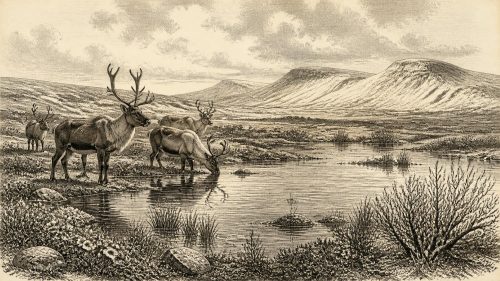
Around 30,736 BCE, Ireland’s archaeological record cannot identify a single calendar year, but Derryvree, County Fermanagh, documents an ice-free MIS 3 interval. Freshwater sediments between tills, broadly dated 36,900–31,700 cal BP, preserve tundra vegetation, including mosses, sedges, mountain avens, dwarf willow and aquatic plants, indicating a cold pond or wetland. Castlepook Cave fauna show intermittent cold-stage mammal communities, including mammoth, reindeer and predators. A marked reindeer femur may indicate human butchery around 31,000 BCE, but lacks secure contextual evidence. No settlement, polity, trade or religion is demonstrable. Later glaciation buried and fragmented this exceptional environmental record across much of Ireland.
Read Article

Archived: 24 September 2026
Abstract
At roughly 32,700 calibrated years BP, Ireland’s history is reconstructed from fragmentary environmental evidence rather than events assigned to a precise year. Derryvree, County Fermanagh, preserves organic freshwater sediments between glacial tills, indicating a locally ice-free, cold tundra or muskeg landscape with pools, mosses, sedges and insects during MIS 3. Castlepook Cave, County Cork, records a diverse pre-Last Glacial Maximum fauna, including mammoth, reindeer, predators and scavengers, but not a single contemporaneous community. Possible human presence rests only on a disputed modified bone. Later glaciation erased much evidence, leaving an uneven picture of changing ice, water, animals and exposed land.
Read Article
Archived: 24 September 2026
Abstract
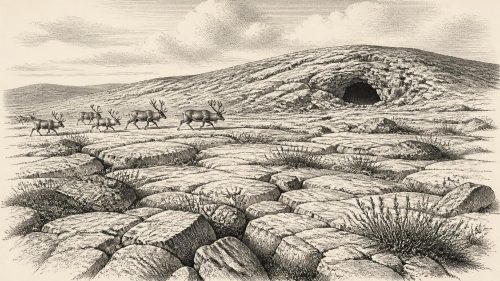
Around 30,740 BCE, Ireland was a cold, changing frontier during Marine Isotope Stage 3, not a precisely datable historical moment. Lower sea levels altered geography, although routes from Britain remained uncertain. Derryvree, County Fermanagh, preserves evidence of an earlier ice-free freshwater interval, with tundra vegetation and small fauna, before later glaciation. Castlepook Cave, County Cork, yielded cold-climate mammals. A reindeer femur, dated about 33,000 years ago, bears a possible stone-tool cutmark, suggesting Upper Palaeolithic human activity. However, disturbed deposits and absent tools or occupation layers preclude claims for settlement. Evidence indicates ecologically inhabited, glacially vulnerable Ireland, perhaps visited by people.
Read Article
Archived: 24 September 2026
Abstract
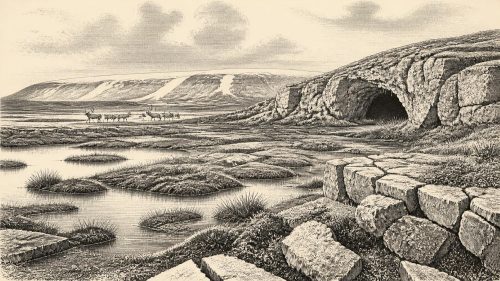
Thirty thousand seven hundred and forty-three BCE is not a recoverable Irish calendar year, but a modern label for a Late Pleistocene cold phase. Ireland was a treeless, unstable periglacial landscape, with tundra wetlands, sparse vegetation and fluctuating ice before the Last Glacial Maximum. Derryvree sediments in Fermanagh demonstrate freshwater habitats between glacial episodes. Castlepook Cave, Cork, preserves a mixed fauna including mammoth, reindeer, giant deer, hyena, wolf, bear, Arctic fox and lemmings. A cut-marked reindeer femur may indicate Upper Palaeolithic butchery, yet cannot prove settlement, occupation, travel routes, society or politics. Evidence supports intermittent ecological complexity, not precise events.
Read Article

Archived: 24 September 2026
Abstract
Approximately 30,746 BCE, Ireland is known only through broad Late Pleistocene evidence, not year-specific records. Derryvree, County Fermanagh, preserves organic silts between glacial tills, dated broadly to 36,900–31,700 calibrated years BP, indicating an ice-free, open tundra wetland with mosses, sedges, pools and severe seasonal conditions. Castlepook Cave, County Cork, contains pre-Last Glacial Maximum remains of reindeer, mammoth, giant deer, predators and other cold-adapted fauna, though not necessarily contemporaneous. A possibly tool-marked reindeer bone suggests brief human activity around 33,000 years ago, but no settlement or social record exists. Later ice expansion substantially reshaped Ireland, largely obscuring earlier landscapes from view.
Read Article

Archived: 24 September 2026
Abstract
Approximately 30,748 BCE falls within a broad, uncertain later MIS 3 chronology, not a datable Irish year. Derryvree, near Maguiresbridge, preserves freshwater silts and plants beneath and between tills, showing that Fermanagh experienced an ice-free wetland interval before glaciation. Dwarf willow, sedges, bogbean and other fossils indicate treeless, periglacial terrain with pools, mosses and sparse vegetation. Cave finds show intermittent presence of cold-adapted mammals, including reindeer, mammoth and giant deer, although remains derive from differing periods. A marked Castlepook reindeer bone may evidence human butchery, but cannot prove settlement. Ireland was undergoing uneven ice-sheet expansion, while human history remains unrecoverable.
Read Article
Archived: 24 September 2026
Abstract
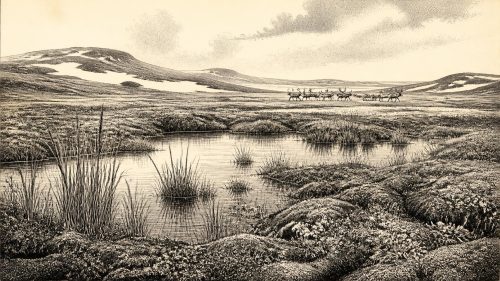
Around 30,750 BCE, Ireland lay within the volatile Late Pleistocene, although no evidence permits reconstruction of a single year. At Derryvree near Maguiresbridge, Fermanagh, freshwater silts between two tills record a treeless tundra wetland formed during an interval between glacier advances, with cold-adapted plants and seasonal waterlogged habitats. Castlepook Cave, Cork, preserves a time-mixed fauna including mammoth, reindeer, giant deer, bears, wolves, foxes and hyenas, demonstrating varied cold-stage ecosystems. A possibly cut-marked reindeer bone may indicate transient Upper Palaeolithic visitors, but settlement remains unproven. Changing ice, sea levels and later glaciation obscured Ireland’s earlier landscapes and evidence from this era.
Read Article

Archived: 24 September 2026
Abstract
Around 30,751 BCE, Ireland was a changing Late Pleistocene landscape as the British–Irish Ice Sheet began major expansion. Radiocarbon-dated red-deer remains from Waterford demonstrate that large herbivores occupied suitable habitats before the Last Glacial Maximum, though this does not prove human presence. Castlepook Cave’s mammoth-steppe fauna, including mammoth, reindeer and hyena, reveals intermittent cold, open-country ecosystems, but revised dates prevent assigning all species to this period. A possibly cut-marked reindeer bone suggests human contact but cannot establish settlement. Sparse evidence instead records climatic transformation, animal populations, and uncertainty at Ireland’s archaeological frontier. Later glaciation destroyed much earlier evidence across island.
Read Article
Archived: 24 September 2026
Abstract
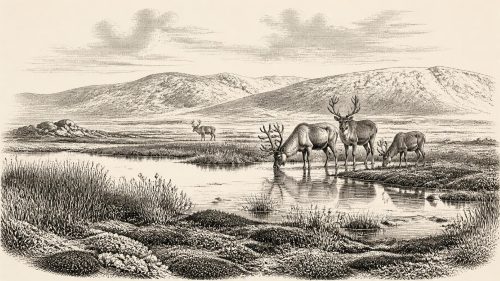
Around 30,754 BCE, Ireland lay within the climatically unstable Late Pleistocene, approaching major glaciation. Conditions varied regionally, but cold, periglacial landscapes, low sea levels and sparse vegetation predominated. Derryvree, County Fermanagh, preserves freshwater sediments between tills, indicating treeless tundra wetland with mosses, sedges and low herbs. Castlepook Cave, County Cork, yielded reindeer, mammoth, giant deer, predators and other fauna, accumulated over time rather than as one scene. A marked reindeer femur may indicate stone-tool butchery and an early human visit, but cannot prove settlement. Natural archives reveal a precarious ecological frontier, while secure evidence of human activity is far later.
Read Article
Archived: 24 September 2026
Abstract
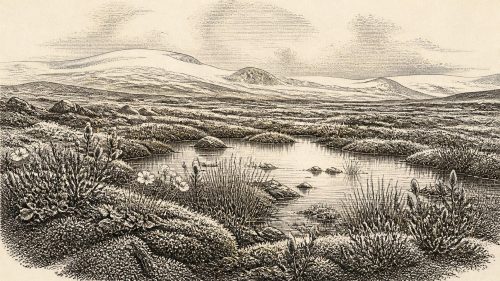
Derryvree, near Maguiresbridge, County Fermanagh, preserves freshwater and organic deposits between glacial tills, documenting an ice-free or ice-marginal interval during Marine Isotope Stage 3. Radiocarbon evidence broadly dates the wetland to 36,900–31,700 calendar years BP, so 30,756 BCE cannot be treated as a precise event. Macrofossils, mosses and insects indicate shallow water, sedges, clubmosses and treeless tundra under severe periglacial conditions. Later ice buried and reshaped the landscape. Castlepook Cave's mammoth-steppe fauna demonstrates cold-environment animals in Ireland, but not human settlement. A possible modified reindeer bone remains unconfirmed; no securely contemporary Irish camps, tools, burials or society are currently known.
Read Article
Archived: 24 September 2026
Abstract
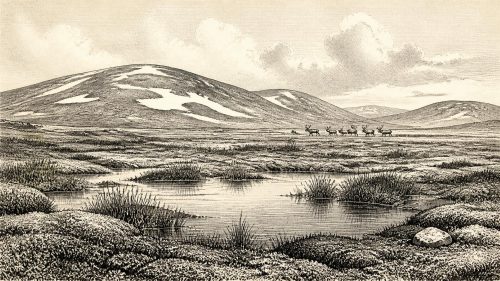
30,757 BCE cannot be treated as a precisely recoverable Irish year; evidence instead describes a broad MIS 3 interval. At Derryvree, County Fermanagh, freshwater sediments between glacial tills record a temporary ice-free wetland, with tundra vegetation, insects and seasonal meltwater, before advancing ice buried it. Castlepook Cave, County Cork, preserves mixed animal remains spanning many millennia, including mammoth, reindeer, giant deer, predators and later cold-adapted species, indicating open steppe-tundra. A possibly cut-marked reindeer bone suggests, but cannot prove, brief Upper Palaeolithic human visits. No evidence supports permanent settlement, political structures, religion, trade or agriculture; environmental change dominates the record overall.
Read Article
Archived: 24 September 2026
Abstract
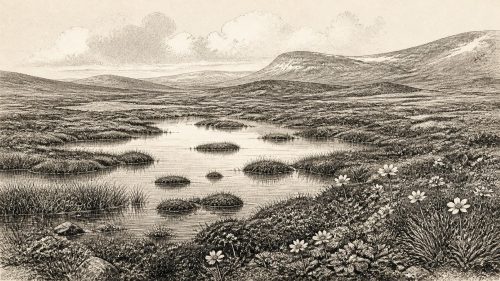
Around 30,758 BCE, Ireland lay within the unstable later Marine Isotope Stage 3, not a precisely datable historical year. At Derryvree in County Fermanagh, freshwater sediments between glacial tills record a temporary ice-free, cold, treeless wetland supporting bogbean, mountain avens, clubmoss and tundra plants. These deposits demonstrate local environmental change, not island-wide conditions. As ice expanded towards its later maximum, habitats repeatedly shifted. Castlepook Cave in Cork preserves cold-stage fauna, including reindeer, mammoth and hyaena, indicating periodically suitable open landscapes. A possibly tool-marked reindeer bone suggests brief Upper Palaeolithic human activity, but proves neither settlement nor society. Evidence remains fragmentary.
Read Article

Archived: 24 September 2026
Abstract
At 30,759 BCE, Ireland cannot be described through precise annual history, but evidence places it within a cold, unstable MIS 3 landscape. Derryvree, County Fermanagh, preserves freshwater sediments between glacial tills, dated broadly to 34,950–29,750 BCE. Its mosses, sedges, bogbean and other fossils indicate treeless, periglacial wetland conditions with seasonal thaw, rather than continuous ice cover. Castlepook Cave, County Cork, preserves remains of cold-adapted animals, including reindeer, mammoth and predators, accumulated across several periods. A marked reindeer femur may indicate human butchery around 33,000 years ago, but cannot demonstrate permanent settlement. Ireland’s history then is ecological, with human presence uncertain.
Read Article

Archived: 24 September 2026
Abstract
Around 30,761 BCE, Ireland cannot be described through annual events, but through Late Pleistocene environmental evidence. At Derryvree, County Fermanagh, organic freshwater sediments between glacial tills indicate a temporary ice-free, periglacial wetland during Marine Isotope Stage 3. Mosses, sedges, bogbean and mountain avens show cold, treeless tundra conditions with shallow water and summer thaw. Castlepook Cave, County Cork, contains remains from different periods, including mammoth, reindeer, giant deer, predators and cold-adapted mammals, demonstrating varied harsh habitats. A possibly cut-marked reindeer bone suggests intermittent human presence, but provides no proof of settlement. Ice-sheet fluctuations shaped survival and preservation of evidence today.
Read Article

Archived: 24 September 2026
Abstract
Around 30,763 BCE, Ireland lay within the climatically unstable Late Pleistocene MIS 3, rather than a precisely recoverable historical year. Derryvree, County Fermanagh, preserves freshwater sediments between tills, showing that local ice-free wetlands supported tundra plants, including water-milfoil, bogbean, sedges and dwarf willow. Elsewhere, ice conditions varied considerably. Castlepook Cave in County Cork records a broad MIS 3 fauna of mammoth, reindeer, giant deer, predators and smaller cold-adapted animals, although individual remains differ in age. No secure contemporary settlement exists. A possibly stone-cut reindeer bone suggests tentative human visitation, but cannot establish permanent occupation, identity or society there with certainty.
Read Article
Archived: 24 September 2026
Abstract
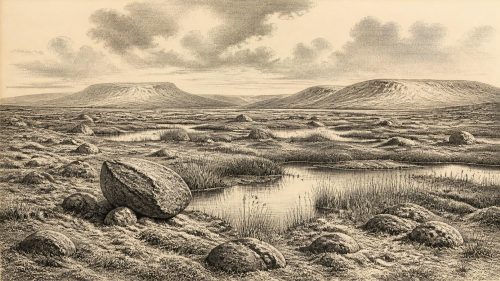
30,765 BCE is a modern label within a Late Pleistocene range, not a recoverable Irish year. At Derryvree near Maguiresbridge, Fermanagh, freshwater silts and organic deposits between two glacier-laid tills record an ice-free interval, broadly dated to 36,900–31,700 cal BP. Mosses, sedges, grasses, wetland plants and northern insects indicate a treeless, periglacial tundra with shallow water and seasonal frost. Castlepook Cave, Cork, preserves evidence of MIS 3 fauna, but disturbed deposits prevent a single contemporary reconstruction. No secure human occupation is known; a possibly modified reindeer bone suggests only tentative, intermittent hunter-gatherer visits. Ireland remained a dynamic, intermittently habitable environment.
Read Article




