Archived: 30 October 2026
Abstract
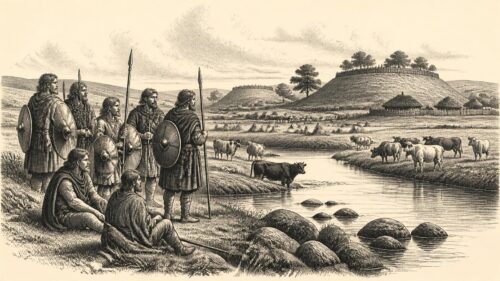
In 781, men of Brega defeated a Leinster force at the battle of the Ríg during Samhain, killing Cú Chongalt, king of Ráith Inbir. Annals name four Bregan leaders and preserve a verse recalling an unwelcome Leinster visit and encampment beside the river. The conflict reflected contested borderlands, dynastic rivalry and pressure from Tara under Donnchad Midi, without proving his involvement. Autumn warfare affected farming, tribute, livestock and local authority. Society remained rural, bound by clientship and ecclesiastical institutions. The evidence records no Viking activity, permanent conquest, or precise location, illustrating both the political significance and limits of surviving sources.
Read Article
Archived: 30 October 2026
Abstract
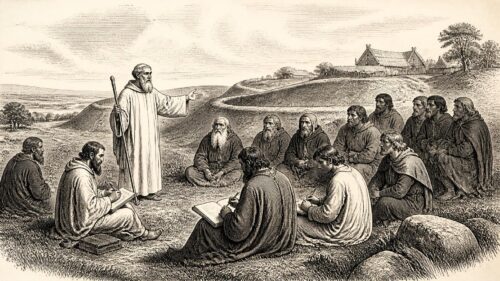
In 780, Donnchad Midi, king of Tara, campaigned against Ruaidrí of Leinster near Óchtar Ocha, driving him away and devastating territory and churches. At Tara, Dublittir, abbot of Finglas and Céli Dé leader, presided over a gathering of Uí Néill and Leinster synods, attended by anchorites and scribes, possibly seeking settlement after conflict. The third enforcement of the law of Comán and Aedán demonstrated church-backed legal authority. Annals also noted April snow, deaths among religious figures, Colgu’s victory over the Airthir, and burnings including Dumbarton Rock. Together, these notices reveal warfare, ecclesiastical mediation, law, learning, weather and Irish Sea connections.
Read Article

Archived: 30 October 2026
Abstract
In 778, securely dated through the Annals of Ulster, Ireland endured interconnected crises. Kildare burned on 11 June, alongside Cluain Mór Maedóc and Cell Delge, damaging ecclesiastical settlements central to worship, learning and local economies. Continuing cattle disease, deaths from want, an island-wide epidemic termed smallpox, and an autumn storm intensified insecurity. Political conflict persisted: Donnchad of Clann Cholmáin took northern hostages; regional kings died or were killed; and Breislén of Béirre defeated Fergal of Desmumu. Deaths of bishops and abbots, including at Fursa’s French monastery, demonstrate ecclesiastical networks beyond Ireland. The annals reveal intertwined religious, economic and political vulnerability.
Read Article
Archived: 30 October 2026
Abstract
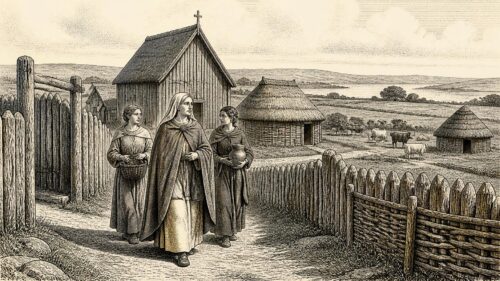
In 775, Irish annalistic evidence records deaths of ecclesiastical and learned figures, including Scannal, Maicníad, Augustin, Adarchu and Forbflaith, abbess of Clonbroney, alongside a battle at Uilleann Guaire that killed Flann son of Cellach and Scannlán son of Fínnechta. Dates and details remain uncertain because medieval annalistic chronologies differ. The year also saw Donnchad Midi, king of Tara, devastate Munster, demonstrating coercive but limited overlordship. These notices reveal interconnected political, religious and intellectual communities, in which churches held economic and social authority, women could lead religious houses, and rural households locally sustained kingdoms and monasteries through labour, rents, and service.
Read Article
Archived: 30 October 2026
Abstract
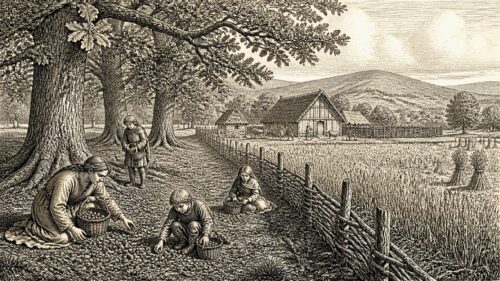
In 773, securely dated by a December lunar eclipse, Ireland experienced exceptional drought and heat, causing widespread failure of staple bread-grain. Abundant oak-mast, or acorns, offered limited relief, particularly through pig fodder, but did not erase subsistence pressures. Donn Cothaid, king of Connacht, died, prompting a dynastic transition later associated with Flaithrí of the Uí Briúin. Annals also recorded deaths of Maenach of Sláine, scribe Dainél of Letuba, several abbots and bishop Aedán, Lerthan, abbess of Kildare, and Áed of Rechru. These notices reveal interconnected environmental, political and ecclesiastical vulnerabilities, while preserving only limited detail about local consequences for communities.
Read Article
Archived: 30 October 2026
Abstract
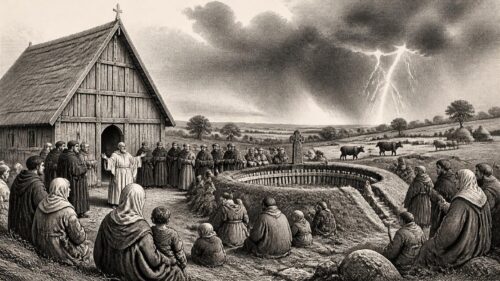
In annalistic year 771, Donnchad mac Domnaill, king of Tara, led a hosting to Cnoc Báine, probably in modern County Tyrone, demonstrating authority rather than recording a confirmed victory. The annals also note killings of Conchobor and Connacht rulers Áed Aithgein of Uí Maine and Art of Aidne. The law of saints Comán and Aedán was renewed across the three Connachts, illustrating church and secular collaboration. A severe Michaelmas thunderstorm prompted widespread fasting. Deaths included ecclesiastics from Clonard and Cluain Eidnig, and Suibne, abbot of Iona. Chronological discrepancies among later annals require caution when assigning additional events to this year.
Read Article
Archived: 30 October 2026
Abstract
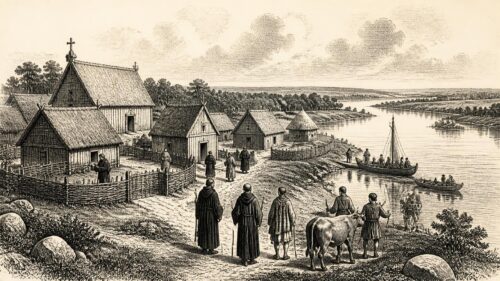
Conventionally dated to 768, the annals record transitions rather than a national crisis in Ireland. Dub Innrecht, Uí Briúin king of Connacht, died from bloody flux, creating an undocumented succession question but not evidence of epidemic or civil war. Ecclesiastical leadership changed with the deaths of Aedán of Lismore, the senior abbot at Clonmacnoise, Fer dá Crích son of Suibne at Armagh, and Coibdenach of Cell Tóma. Eithne of Brega, styled queen of Tara’s kings, was praised for penance. These selective notices illuminate intertwined dynastic, religious and economic authority in a rural, fragmented Ireland connected to Britain through learned networks.
Read Article
Archived: 30 October 2026
Abstract
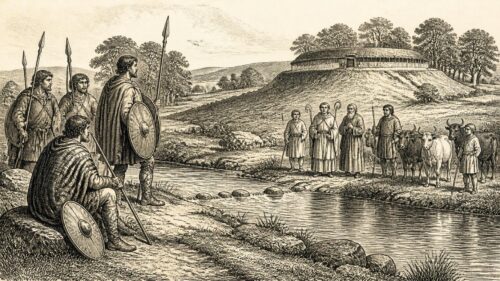
In annalistic year 766, Ireland’s fragmentary records reveal political rivalry and ecclesiastical links. Folloman, king of Mide, was treacherously killed after supporting Donnchad Midi, while fighting between Mide and Brega claimed Máel Uma and Donngal. In Connacht, Dub Innrecht’s Uí Briúin defeated the Conmaicne at Sruthair, killing many, including Áed Dub. In Munster, Uí Fhidgeinte and Araid Cliach defeated Máel Dúin at Énboth Breg. Crimthann, abbot of Clonfert, died, and Suibne, abbot of Iona, visited Ireland. These notices depict competing dynasties, powerful churches, and Irish Sea connections, while leaving ordinary life largely unrecorded and offer no evidence of Viking raids.
Read Article
Archived: 31 October 2026
Abstract
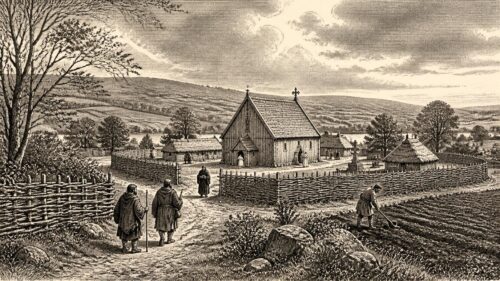
In 763, Domnall Midi of Clann Cholmáin, king of Tara, died at Durrow on 20 November, ending a southern Uí Néill ascendancy. Niall Frossach of Cenél nÉogain then began to rule, restoring the leading overkingship to the northern Uí Néill amid a contested political order rather than a unified monarchy. Annals also record Connacht’s severe but unexplained defeat at Cuilnech Mór and fighting between Munster peoples. Deaths of abbots and clerics at several major churches reveal an extensive ecclesiastical network. A daytime darkening of the sun was noted, though its cause and meaning remain unknown. Kingship, warfare and church intertwined.
Read Article
Archived: 31 October 2026
Abstract
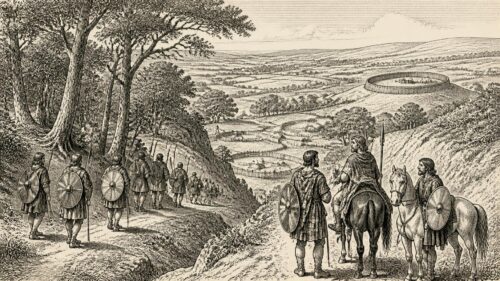
In 761, Irish annals record localised dynastic conflicts rather than an island-wide crisis. At Belach Gabráin, probably near Gowran, Osraige under Anmchad son of Con Cú Cerca defeated a Leinster force; Donngal son of Laidcnén, king of Uí Chennselaig, was killed. The repeated fighting there, also noted in 759, reflected competition for frontier routes and resources. At Áth Duma, Ulaid fought Uí Echach and Ailill son of Fíelmid died, amid north-eastern rivalries. Annals also note Pictish king Óengus’s death, illustrating Irish interest in interconnected British politics. Sources reveal changing political relationships but omit causes, numbers, civilian effects and battlefield detail.
Read Article
Archived: 31 October 2026
Abstract
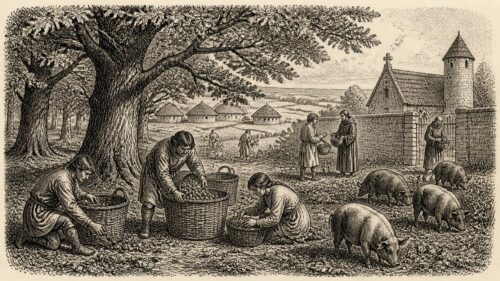
In 760, Irish annals recorded famine alongside an exceptional acorn crop, highlighting food insecurity despite local abundance and unequal access to resources. Political change followed the death of Leinster ruler Muiredach, while a battle at Belach Gabráin exposed rivalry between Leinster and Osraige. Ecclesiastical institutions were equally entangled in conflict: communities of Clonmacnoise and Birr fought, and a bishop was killed at Kildare’s altar, reportedly prompting a liturgical restriction. Death notices for rulers and churchmen reveal networks spanning Ireland. Though chronologically uncertain and selective, the annals portray a divided, interconnected society shaped by scarcity, dynastic competition, church power, and violence.
Read Article
Archived: 31 October 2026
Abstract
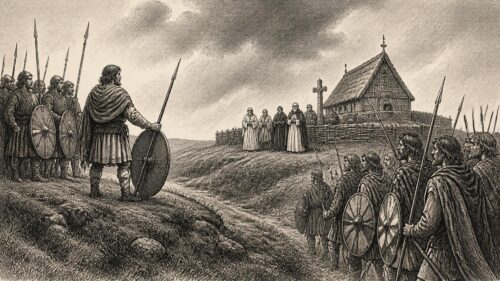
In 759, annals record conflict, death and weather across Ireland, though their dating differs slightly. At Emain Macha, rivalry between priest Airechtach and Armagh’s abbot Fer dá Chrích helped provoke battle between Ulaid and Uí Néill forces. Fiachnae of Ulaid prevailed; Dúngal grandson of Conaing and Donn Bó died. Anmchad, king of Osraige, defeated Leinstermen at Gabráin. Domnall of Leinster died, alongside kings Rechtabra and Ferdamal, several abbots and named scholars. A rainy summer and a remarkable fish-bearing stream were noted. These terse records reveal intertwined ecclesiastical authority, regional warfare, learning and environmental observation within contested local networks of authority.
Read Article
Archived: 31 October 2026
Abstract
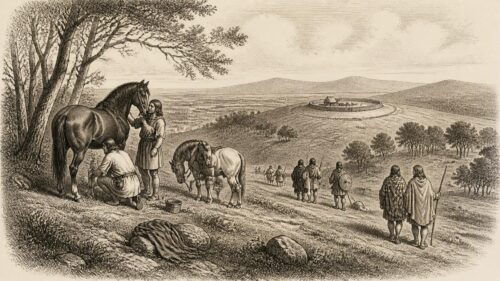
In 758, Irish annals record regional political and ecclesiastical transitions rather than an island-wide crisis. At Druim Róbaig in Connacht, Uí Briúin defeated Uí Fhiachrach; Ailill grandson of Dúnchad prevailed, while Tadc son of Muirdibur and three grandsons of Cellach were killed. Deaths included Niallgus, king of the Déisi of Brega, Cathal of Uí Chennselaig, and Aed of the Ciannachta. Céile Petair, abbot of Armagh, and Marthu, abbess of Kildare, also died. These notices reveal Ireland's regional lordships, kin-based succession and influential churches, while their selectivity precludes claims about nationwide conditions, causes, or outcomes beyond the sparse surviving evidence available.
Read Article
Archived: 31 October 2026
Abstract
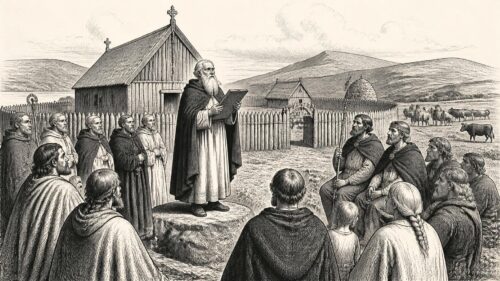
In annalistic 757, Ireland’s fragmented political and ecclesiastical landscape was marked by conflict, loss and religious assertion. At Cenn Febrat in Munster, Bodbgal, superior of Mungret, died in fighting among Munstermen, while Donn of the southern Uí Briúin was killed in Connacht. Tomaltach of Ciannachta Glinne Gaimin and several churchmen also died. Uí Chremthainn burned Cell Mór Dithraib, demonstrating religious communities’ material vulnerability. Obits recorded abbots and anchorites across Ireland. Most significantly, Sléibéne, abbot of Iona, promulgated the Law of Colum Cille, renewing Columban claims and links between ecclesiastical authority, secular protection, obligations and networks spanning Ireland and western Scotland.
Read Article
Archived: 31 October 2026
Abstract
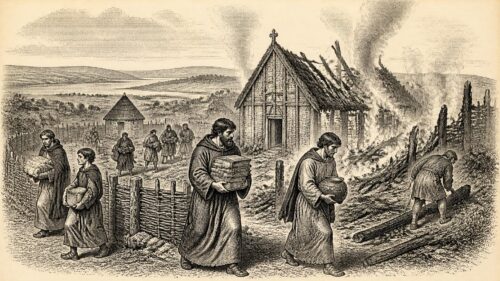
For Ireland in 756, the annals offer no single, all-embracing story. Instead, they preserve a sharp cluster of incidents: the burning of the great church settlement of Bangor on St Patrick’s Day; a military expedition which brought Leinster forces into Mag Muirthemne; the death of a Connacht overking; fighting in the midlands and Connacht; and a catastrophic wreck on Lough Ree. Read together, these terse notices reveal an island in which kingship, ecclesiastical authority and movement by water were all deeply consequential. They also demand care. Medieval annals did not record every event, and they often give outcomes without causes.
Read Article
Archived: 13 October 2026
Abstract
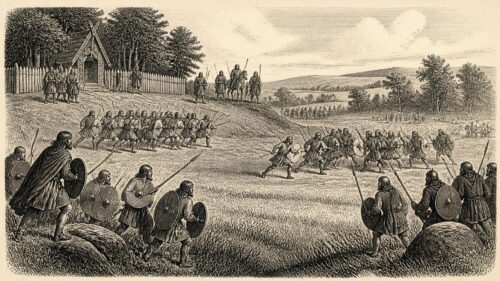
In 714, Irish annals recorded concentrated warfare, political upheaval and environmental strain. Murchad Midi of Clann Cholmáin defeated Brega rivals in two encounters at Bile Tened, while Fogartach of southern Brega was expelled to Britain and Forbassach of Uí Fhailgi was killed in Mide. Other conflicts occurred among Uí Echach and Bairche, and Munstermen killed Clárainech’s travelling religious community. Selbach rebuilt Dún Ollaig in Dál Riata, highlighting Irish Sea links. Ailén Daingen, probably a fortified lake settlement, was destroyed. A great drought and bright autumn night were also noted, revealing a fragmented society vulnerable to conflict and natural pressures alike.
Read Article
Archived: 13 October 2026
Abstract
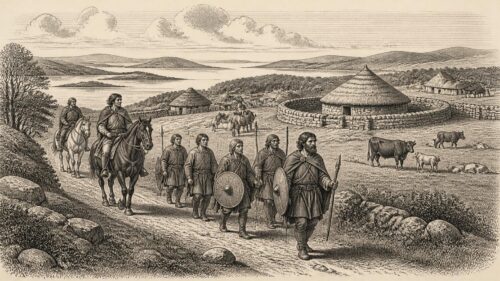
Annals for 707 record political, ecclesiastical and environmental developments in a divided, rural Ireland. Indrechtach mac Dúnchado, overking of Connacht, was killed by northern Uí Néill leaders and allies, demonstrating continuing rivalry without proving conquest. Congal Cennmagair, king of Tara, led a host against Leinster, though no outcome is known. Dúnchad became superior of Iona, reinforcing the monastery’s Irish Sea importance, while Bishop Coibdenach of Ardstraw died and Béc of Bairche undertook religious pilgrimage. Two northern tremors occurred in December. These sparse notices illuminate interconnected kingship, church networks, mobility and agrarian society, while leaving everyday conditions largely unrecorded to historians.
Read Article
Archived: 13 October 2026
Abstract
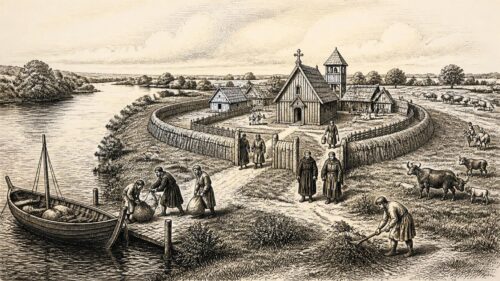
In 706, Irish annals recorded deaths rather than events, revealing ecclesiastical and political transitions amid uncertain chronology. Osséne son of Gallust, abbot of Clonmacnoise, died, affecting a Shannon monastery sustained by rural production, river movement and communities. Flann Febla, abbot of Armagh, also died, marking change at Ireland’s Patrician church. Conchobor, king of Cenél Cairpri, died or was killed, though sources conflict. Notices of Bruide son of Derile suggest Irish Sea connections, while Cellan son of Sechnusach, the learned, reflects valued scholarship despite disputed dating. The sparse record depicts rural, plural, Christian Ireland structured by kinship, churches and regional power.
Read Article

