Boers Defended
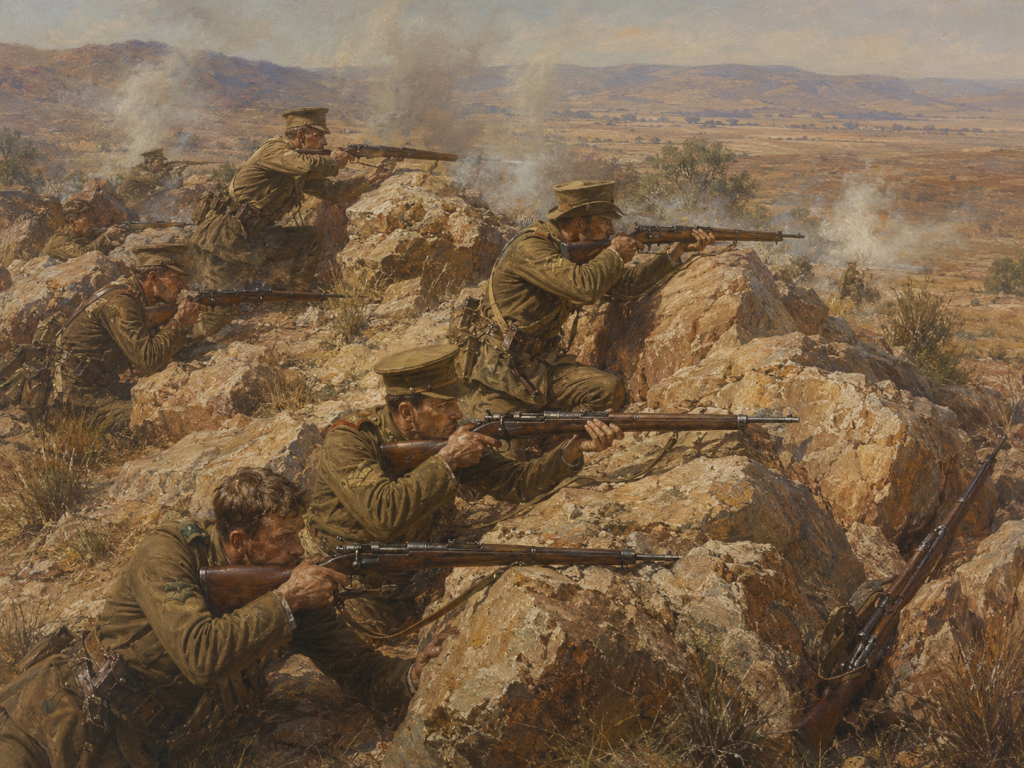
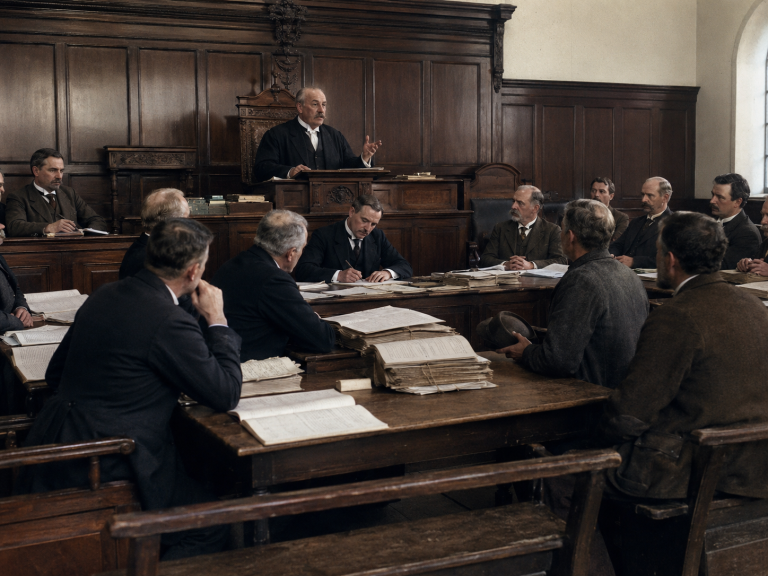
Nationalists throughout Limerick are following a forceful parliamentary protest against Britain’s continuing war in South Africa, where Irish representatives have declared their sympathy for the Boer republics. John Redmond told the House of Commons today that Ireland opposed the conflict and regarded the Transvaal and Orange Free State as small nations defending their independence against imperial power. The declaration carries particular weight in Limerick, where nationalist feeling exists beside the reality that local men serve in British uniform. Families may therefore condemn the Government’s policy while remaining deeply concerned for Irish soldiers facing death and injury overseas.
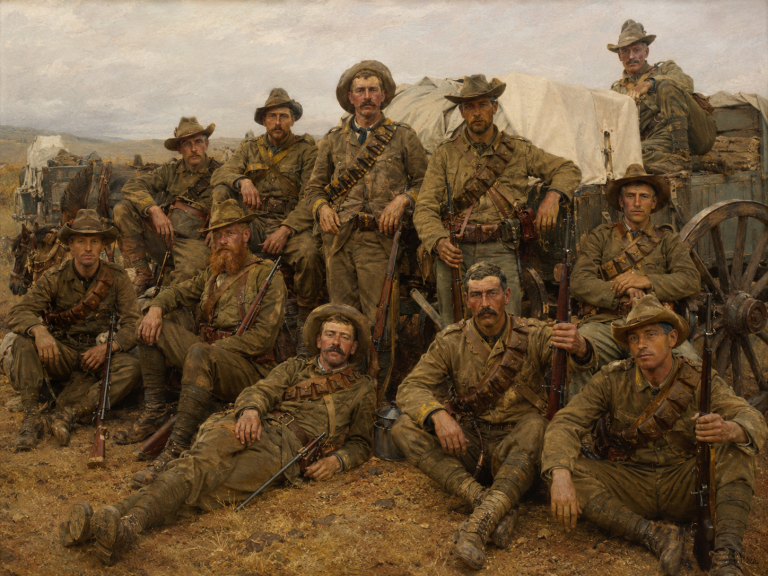
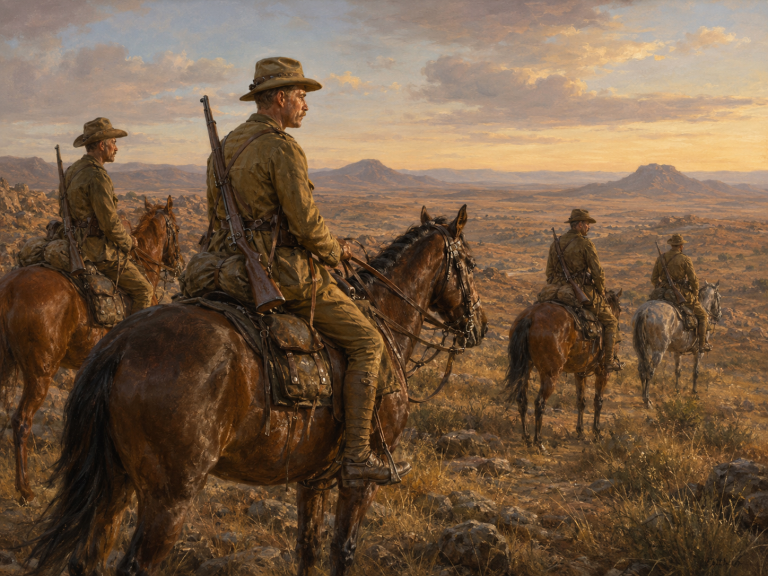
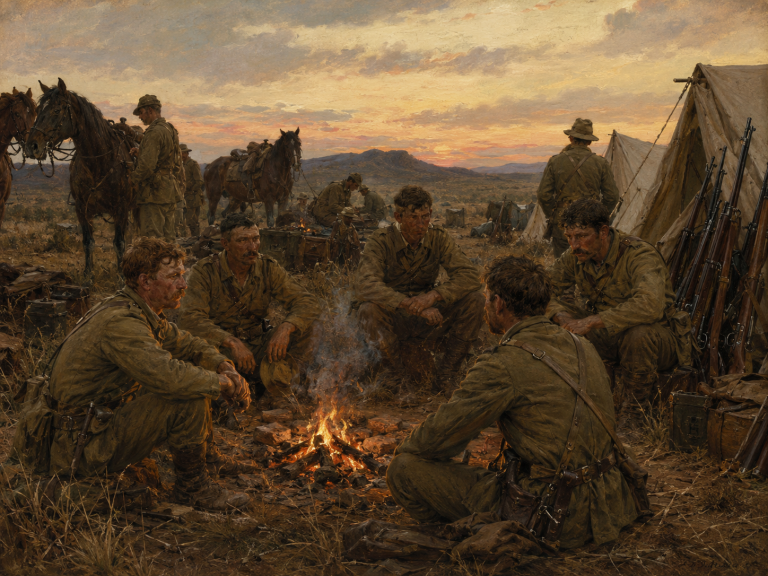
The war began in October following the failure of negotiations between Britain and the South African republics. British ministers presented the conflict as necessary to defend imperial interests and secure rights for foreign residents in the Transvaal. Irish nationalists viewed the dispute differently, seeing powerful Britain attempting to extinguish the independence of two smaller communities. Their resistance recalled Ireland’s own political grievances and continuing demand for self-government. The military setbacks suffered by British forces during the opening months strengthened admiration for Boer endurance, although thousands of Irish soldiers were simultaneously fighting within British regiments and sharing fully in the hardships and dangers of the campaign.
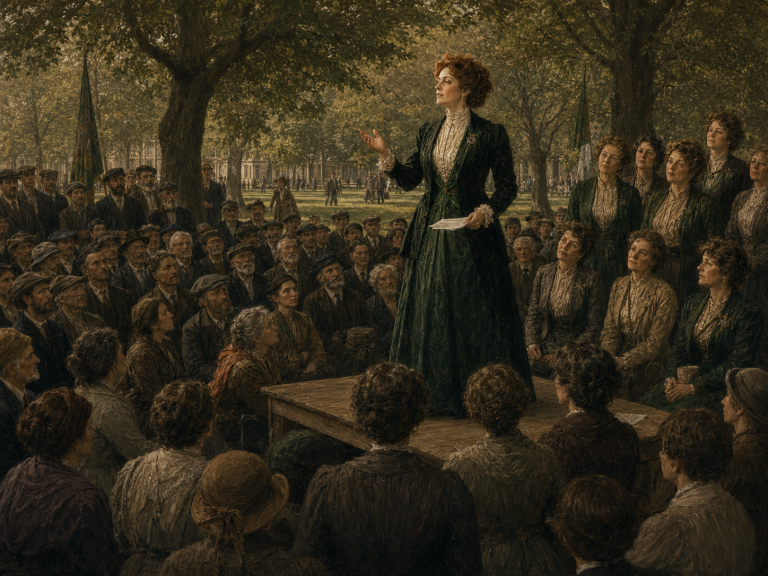
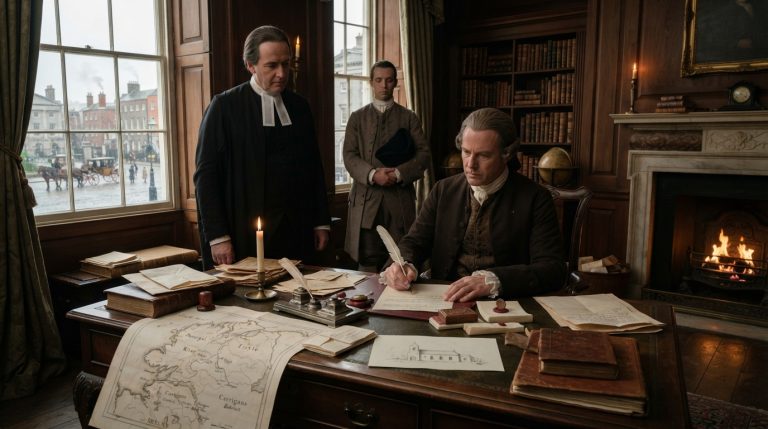
Redmond informed Parliament that eighty Irish members were prepared to act together against the Government’s policy. He moved an amendment calling for the war to end through recognition of the independence of the Transvaal and Orange Free State. His speech condemned both the origins and prosecution of the campaign, while acknowledging the courage of Irish soldiers required to perform their military duty. Redmond argued that Irish sympathy arose not merely from hostility towards England but from admiration for smaller nations resisting domination. His intervention also demonstrated how opposition to the war could provide newly reunited Irish parliamentarians with an immediate cause upon which to act collectively.
The nationalist position has drawn sharp criticism from Irish unionists, who point to the courage, recruitment and sacrifice of Irish soldiers as evidence of loyalty to the Crown and Empire. They contend that parliamentary support for the Boers misrepresents Ireland and dishonours men fighting in South Africa. Nationalists reject that accusation, distinguishing between respect for soldiers and opposition to the policy that sent them into battle. Michael Davitt had already resigned his parliamentary seat in protest against the war, while pro-Boer committees and public campaigns have kept the issue before Irish opinion. The conflict has consequently exposed competing understandings of Ireland’s place within the Empire.
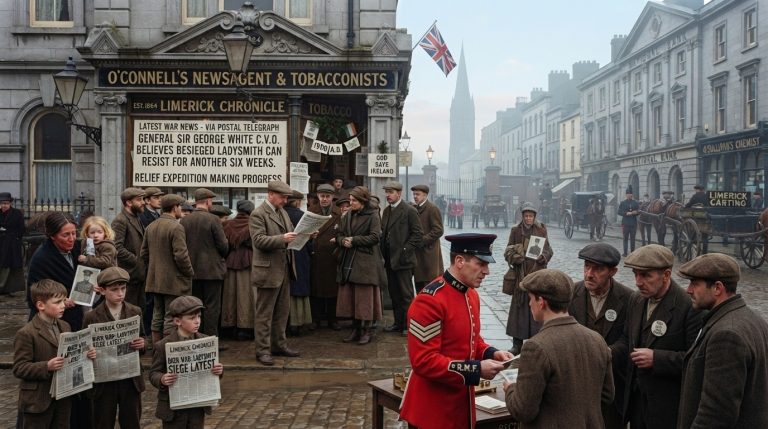
In Limerick city and county, the debate cannot be treated as a distant quarrel conducted entirely at Westminster. Military connections, enlistment and family dependence upon army wages ensure that events in South Africa enter local homes, while nationalist organisations interpret Boer resistance through Ireland’s own struggle for political rights. News of battles is therefore received with divided emotions: anxiety for Irish soldiers, hostility towards imperial policy and admiration for the republics opposing conquest. Redmond’s amendment is unlikely to halt the war, but it gives constitutional nationalism a clear public position. Ireland’s parliamentary representatives have declared that the claims of empire must not outweigh a smaller nation’s independence.
Primary Sources
- Hansard, House of Commons Debates, 7 February 1900, volume 78, columns 830–896, “Seventh Day’s Debate” — records John Redmond’s speech, his declaration of Irish sympathy with the Boer republics, and his amendment seeking an end to the war based upon recognition of their independence.
- House of Commons Division List, 7 February 1900, following John Redmond’s South African War amendment — identifies the MPs who voted upon the proposal and demonstrates the coordinated parliamentary position taken by Irish nationalist representatives. The division details are contained within the official parliamentary debate.
- Freeman’s Journal, 8 February 1900 — contemporary nationalist newspaper coverage of Redmond’s speech, the Irish amendment and parliamentary opposition to British policy in South Africa. Exact page and column should be confirmed before formal citation.
- The Irish Times, 8 February 1900 — contemporary Irish reporting on the Commons debate, nationalist sympathy for the Boers and unionist objections to Redmond’s position. Exact page and column should be confirmed before formal citation.
- John Redmond Papers, National Library of Ireland, 1878–1918 — contemporary correspondence and political papers relating to Redmond, Irish Parliamentary Party policy, Westminster activity and the South African War. The precise manuscript item should be identified before formal citation. The collection documents Redmond’s political career and leadership of the reunited party.