Royal Farewell(c.1860s)
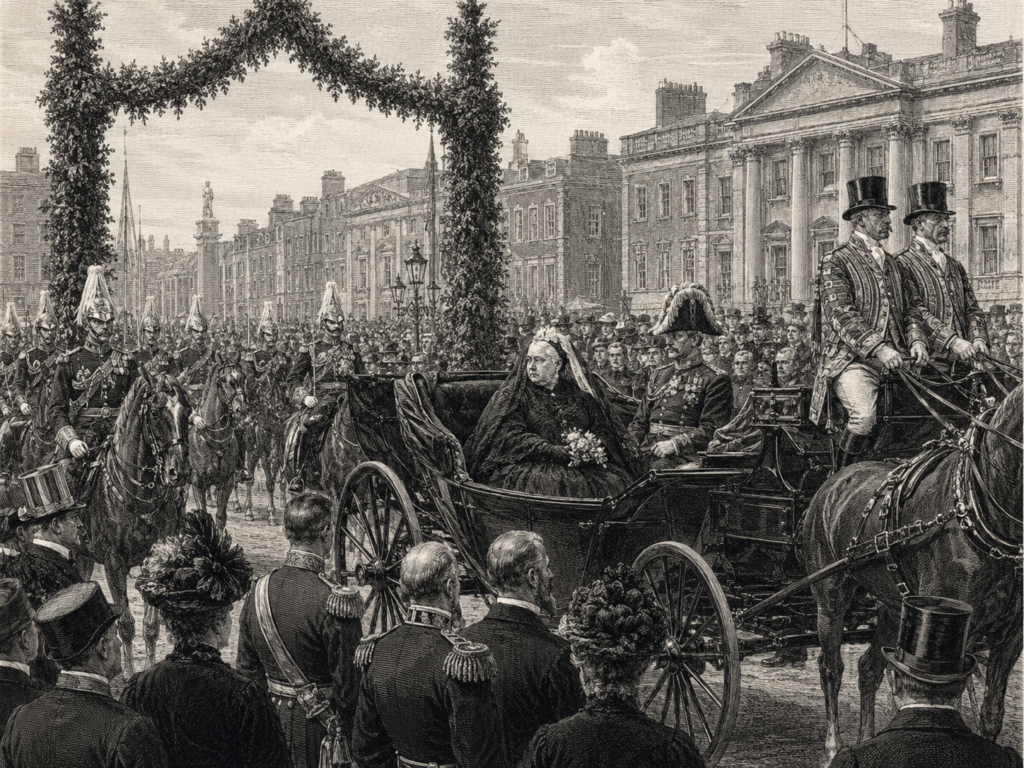
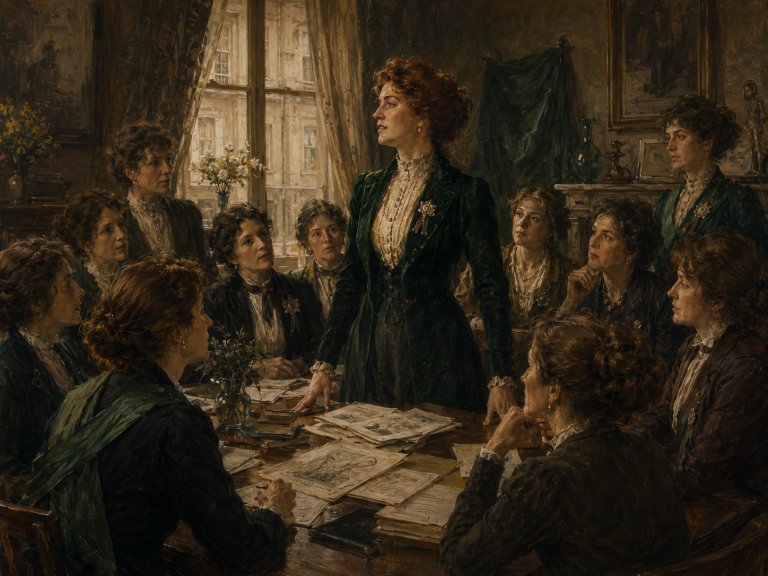
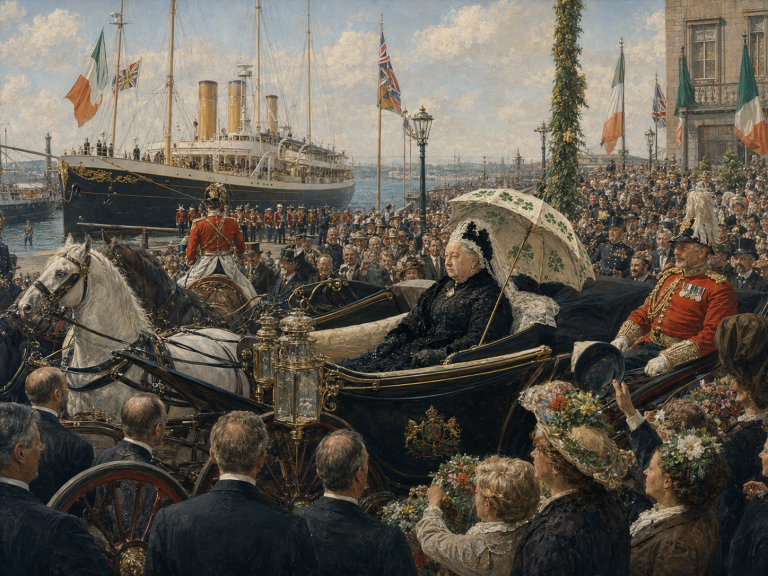
Queen Victoria arrived at Kingstown today for what would prove to be her final visit to Ireland, beginning a three-week residence centred largely upon Dublin and the Vice-Regal Lodge in Phoenix Park. Although the royal party will not travel to Limerick, accounts of the landing, the ceremonial procession and the extensive public decorations are already attracting attention throughout the city and county. Unionist residents may regard the visit as an affirmation of loyalty to the Crown, while nationalists are likely to judge it against continuing demands for Home Rule, land reform and recognition of Ireland’s political grievances.
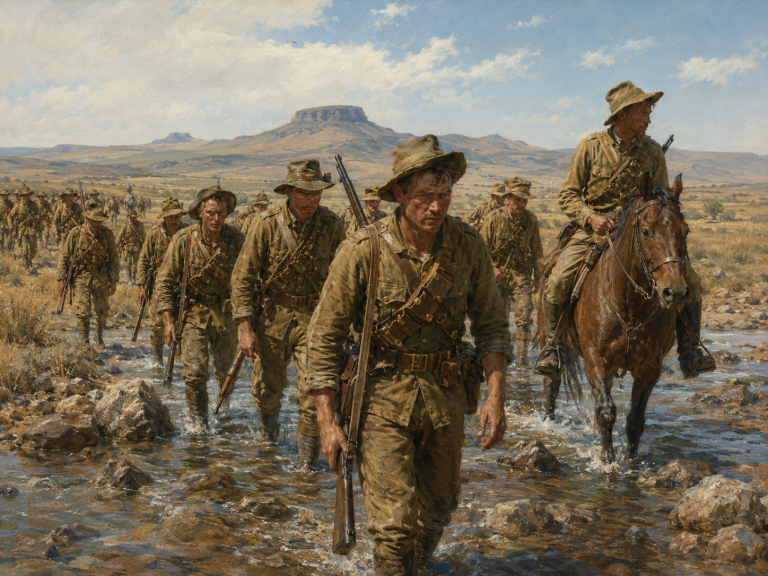
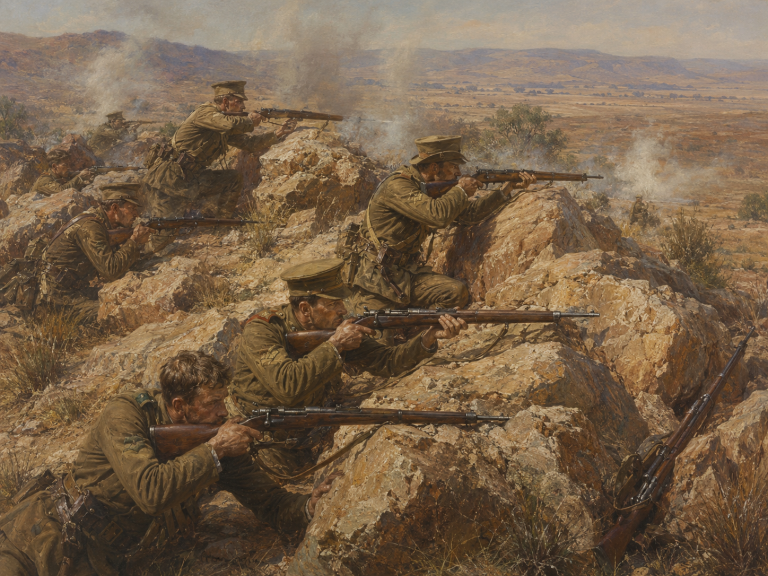
The Queen travelled aboard the royal yacht Victoria and Albert and landed at Kingstown, where civic representatives presented an address before she proceeded towards Dublin in an open carriage. Crowds lined the decorated route through the southern suburbs, and mounted troops accompanied the procession towards Phoenix Park. Victoria, approaching her eighty-first birthday and increasingly limited in mobility, had not visited Ireland since 1861. Her return came during the South African War, when Irish soldiers were serving in British forces while nationalist sympathy for the Boer republics had generated meetings, protests and sharp political controversy across Ireland.
The official purpose of the journey was presented as an acknowledgement of Irish military service and an expression of royal goodwill. The Queen ordered that Irish soldiers should be permitted to wear shamrock on Saint Patrick’s Day, and she herself displayed shamrock during the visit. Her programme included ceremonial drives, military engagements, civic receptions and a large gathering of schoolchildren in Phoenix Park. The administration hoped that the royal presence would encourage loyalty and soften political hostility, but the splendour of the arrangements could not conceal the deep divisions between Unionists, constitutional nationalists and more advanced opponents of British rule.
Responses to the visit were therefore mixed. Loyal addresses and cheering crowds demonstrated genuine enthusiasm among many spectators, while others attended chiefly for the holiday, pageantry and rare public spectacle. Nationalist organisations differed over whether the occasion should be opposed, ignored or treated with formal courtesy. Critics recalled the suffering of the Great Famine and objected to royal celebration while poverty, emigration and agrarian insecurity continued. Supporters answered that the ageing monarch should be received respectfully and that Irish service in the armed forces deserved recognition. The visit became both a public celebration and a test of competing political loyalties.
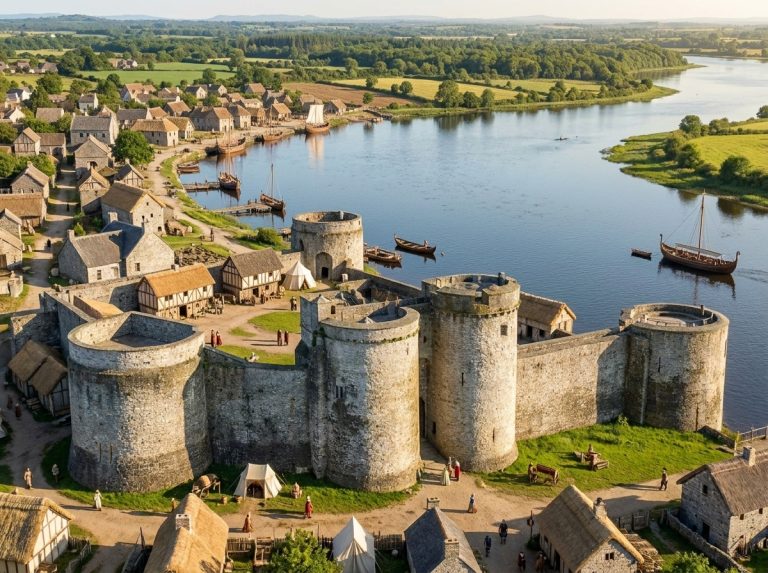
In Limerick, the royal tour was experienced through newspaper reports, political discussion, commercial interest and the differing loyalties of local communities rather than through the Queen’s physical presence. The city contained nationalists, Unionists, military families, veterans, clergy, merchants and workers who could interpret the occasion in sharply different ways. For some, Victoria represented constitutional authority and the wider empire; for others, she embodied a government that continued to deny Ireland its own legislature. Her last Irish visit displayed ceremonial confidence, yet it also revealed how difficult it had become for royal pageantry to rise above the unresolved questions of land, poverty and national government.
Primary Sources
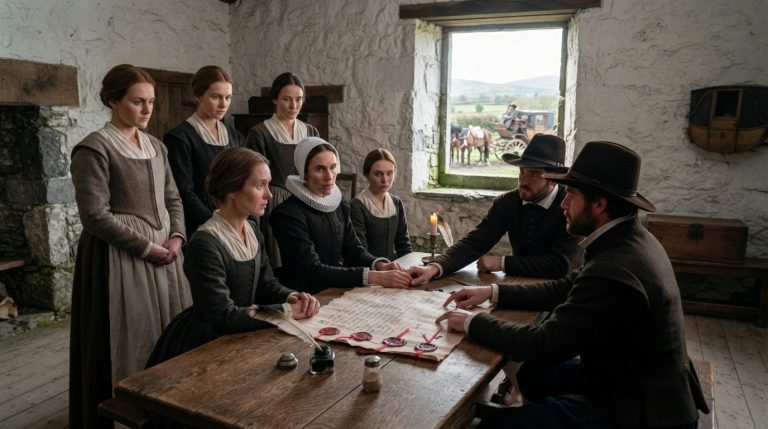
- Queen Victoria’s Journals, 4–26 April 1900, Royal Archives. The entries record the Queen’s arrival at Kingstown, her journey into Dublin, official engagements, public receptions and personal impressions of the visit. Exact journal volume and folio references should be confirmed before formal citation.
- Queen Victoria in Dublin, 4 April 1900, surviving actuality film held by the Irish Film Institute Irish Film Archive. The film records the Queen travelling in an open carriage after arriving at Kingstown and provides direct visual evidence of the procession, escort and assembled crowds.
- Freeman’s Journal and Daily Commercial Advertiser, 4 and 5 April 1900. Contemporary reports describe preparations, the royal landing, the procession through Dublin and nationalist responses to the visit. Exact page and column should be confirmed before formal citation.
- The Irish Times, 4 and 5 April 1900. Contemporary coverage records the official programme, civic addresses, decorations, security arrangements and loyalist reactions surrounding the Queen’s arrival. Exact page and column should be confirmed before formal citation.
- Dublin Castle records concerning Queen Victoria’s visit to Ireland, April 1900, National Archives of Ireland. The administrative correspondence includes arrangements for Kingstown Harbour, ceremonial dress, policing, transport, decorations and official receptions. Exact file and archival reference should be confirmed before formal citation.