
Archived: 26 September 2026
Abstract
In 1170 Diarmait Mac Murchada’s restoration in Leinster escalated through Anglo-Norman intervention. Raymond le Gros secured Baginbun, then Richard Strongbow captured Waterford, married Diarmait’s daughter Aífe, and seized Dublin, ending its independent Hiberno-Norse rule. The ports supplied strategic links to Britain, trade and military resources. Allied forces campaigned across Leinster and Mide, devastating ecclesiastical centres, while Ruaidrí Ua Conchobair retaliated by killing Leinster hostages, including Diarmait’s son. Wider conflicts persisted in Munster and the north. Rural communities, towns and religious houses suffered warfare, although commerce and reform continued. By year’s end, eastern conquests transformed power without establishing durable settled lordship.
Read Article

Archived: 26 September 2026
Abstract
Ireland in 1137 remained politically fragmented, as Tairdelbach Ua Conchobair of Connacht asserted contested overlordship through warfare and naval power on the Shannon. Rivalries involved Bréifne, Mide, Leinster, Munster and Hiberno-Norse towns. An allied fleet from Leinster, Dál Cais, Dublin and Wexford besieged Waterford, gaining hostages but not conclusively conquering it. Dynastic killing and raids destabilised Mide and Connacht. In the church, Malachy yielded Armagh to reformer Gilla meic Liac. A severe storm and widespread fires damaged communities. Despite violence, trade, maritime capacity, scholarship, artistic patronage and ecclesiastical reform demonstrated a dynamic, connected society within a rapidly changing medieval world.
Read Article

Archived: 26 September 2026
Abstract
In 1135, Ireland remained politically fragmented despite Toirdelbach Ua Conchobair’s strong, contested overlordship. Murchad Ua Máelshechlainn asserted Mide’s strategic river power by receiving hostages on the Shannon. Connacht endured dynastic killings, battles, raids and the destruction of Roscommon, while northern Uí Néill rivals, Munster factions and smaller kingdoms pursued warfare and shifting alliances. Malachy strengthened his disputed authority at Armagh by acquiring the Bachall Ísu, advancing church reform. Deaths of leading bishops and clerics, notably at Lismore, marked generational change. Fires damaged ecclesiastical centres, lightning struck towers, and plentiful mast harvest supported food supplies amid rural, maritime and market-based society.
Read Article

Archived: 26 September 2026
Abstract
In 1129, Toirdelbach Ua Conchobair strengthened his contested high-kingship by building a timber-and-earth castle, and probably a bridge, at Athlone, commanding the Shannon crossing into Meath. Northern politics remained unstable as Magnus Mac Lochlainn briefly displaced Conchobar before being killed, while raids and killings marked wider local conflicts. A severe summer drought caused animal deaths and threatened livestock wealth. Cellach of Armagh died, prompting a prolonged succession dispute between Muirchertach mac Domnaill and reformers backing Malachy. Robbery of Clonmacnoise's rich altar treasures highlighted monastic wealth and vulnerability. These events intertwined royal ambition, warfare, environmental strain, ecclesiastical reform, and regional authority.
Read Article

Archived: 26 September 2026
Abstract
In 1127, Tairdelbach Ua Conchobair, king of Connacht, invaded Munster by land and sea, plundered Cork, displaced Cormac Mac Carthaig and partitioned the province. Cormac’s restoration from Lismore, backed by Ua Briain allies, quickly overturned this settlement, while hostage threats and naval conflict exposed its brutality. Tairdelbach’s son was expelled from Dublin and Leinster, and disputes in Kildare and Ulaid demonstrated persistent regional autonomy. Churchmen mediated politics, religious centres remained influential, and sacred objects expressed power. Warfare burdened ordinary communities, despite continuing trade, scholarship and artistic patronage, confirming limits to Tairdelbach’s high-kingship across Ireland during the unstable and contested year.
Read Article

Archived: 26 September 2026
Abstract
In 1096 Ireland remained politically fragmented despite Muirchertach Ua Briain’s southern overlordship, as Domnall Ua Lochlainn challenged him and regional rulers fought, raided and died in feuds. Muirchertach rebuilt Kincora, restoring Ua Briain prestige after its 1088 destruction, while Irish Sea links were marked by death of his nephew on Man. Fear of a calendrical omen, intensified by recent mortality, prompted island-wide fasting, almsgiving and church grants. Lightning burned Limerick. Waterford’s Malchus was consecrated by Anselm of Canterbury, establishing an urban bishopric connected to ecclesiastical reform. The year combined dynastic consolidation, insecurity, clerical authority and growing international religious maritime ties.
Read Article

Archived: 26 September 2026
Abstract
In 1088, Muirchertach Ua Briain’s Munster faced renewed rivals after his father’s death. While he campaigned in Leinster, Connacht forces defeated Munster fleets, and his brother Diarmait’s coastal raid ended disastrously after relics were seized. Leinster’s attack on Waterford failed, while southern townsmen suffered defeat near Cork. Domnall Ua Lochlainn secured Connacht’s submission from Ruaidrí Ua Conchobair, then led a northern-Connacht invasion deep into Munster, devastating settlements and destroying Kincora, the Ua Briain stronghold. Raiding damaged cattle-based rural livelihoods, while ports supplied maritime power. Scholarly and dynastic deaths reflected Ireland’s fractured kingship and interlinked political, ecclesiastical, commercial and agricultural worlds.
Read Article
Archived: 26 September 2026
Abstract
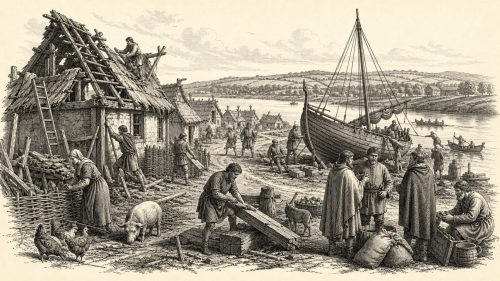
In 1037, Ireland remained a fragmented political landscape, where provincial kings, local dynasties and churches competed for power. Annals, despite differing dates and detail, record blinding, assassination, raiding and ecclesiastical violence across Leinster, Meath, Connacht and the north. Osraige’s Donnchad mac Gilla Pátraic displaced a Leinster rival, while Diarmait mac Máel na mBó strengthened his position and was linked to Waterford’s burning. Waterford’s ruler died amid internal and external conflict. Kings made pilgrimages, but churches were also plundered and sanctuary violated at Lorrha. Trade, farming and craft continued despite disorder. Exceptionally wet, stormy weather compounded an unstable year for communities.
Read Article
Archived: 26 September 2026
Abstract
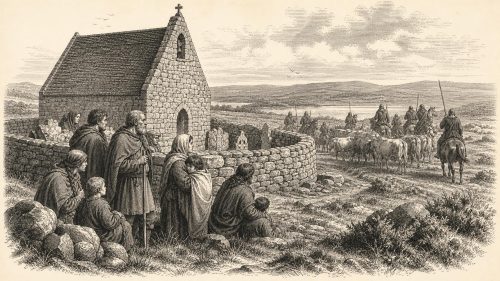
In 1031 Ireland remained politically fragmented after Brian Bóruma, as northern, southern and Hiberno-Norse rulers pursued power through raids, booty and captives. Flaithbertach Ua Néill returned from Rome while Aed Ua Néill campaigned against Cenél Conaill. Dublin’s Sitriuc Silkbeard was linked to Ardbraccan’s devastating plunder, and Waterford’s king was killed in Dublin. Churches at Ardbraccan, Swords, Kildare, Cell Chomair and Clonfert suffered burning, robbery or violence. Donnchad mac Briain raided Osraige but lost men; conflict also afflicted the Déisi. Obituaries emphasised learning, hospitality, piety and ecclesiastical office, revealing society’s religious resilience amid warfare, trade and local rivalry throughout Ireland alike.
Read Article
Archived: 5 October 2026
Abstract
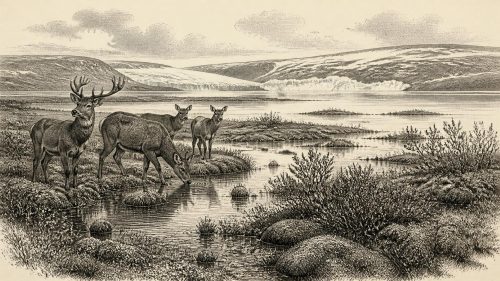
Approximately 30,246 BCE, Ireland experienced unstable Late Pleistocene conditions, with fluctuating ice margins, low sea levels and altered connections to Britain. Derryvree, County Fermanagh, preserves a wetland sequence between glacial advances, indicating cold, treeless freshwater vegetation, but not conditions across all Ireland. Waterford cave finds date red deer to a relevant pre-Last Glacial Maximum interval, demonstrating occasional large herbivore presence in the south-east. Castlepook Cave records diverse cold-stage fauna, although deposits are time-averaged. Possible tool marks on a reindeer bone suggest human visits, not settlement. No evidence supports communities, farming, politics or culture. Fragmentary records reveal a dynamic Ice-Age landscape.
Read Article
Archived: 4 October 2026
Abstract
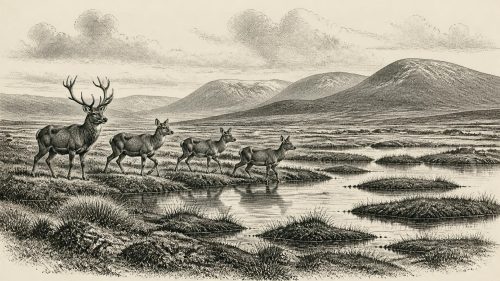
Around 32,215 years ago, Ireland lay in the climatically unstable Late Pleistocene, before the Last Glacial Maximum. Evidence from bones, sediments, plants, insects and cave deposits provides ranges rather than precise annual events. Waterford caves contain pre-maximum red-deer remains, while Derryvree, County Fermanagh, preserves a cold, treeless wetland between glacial advances. Southern caves record diverse mammals, though deposits are mixed and imperfectly dated. Castlepook Cave’s marked reindeer femur may indicate brief human handling, but cannot prove settlement. Lower sea levels altered coasts without establishing a land bridge. Ireland supported life amid advancing and retreating ice, but human presence remains uncertain.
Read Article
Archived: 4 October 2026
Abstract
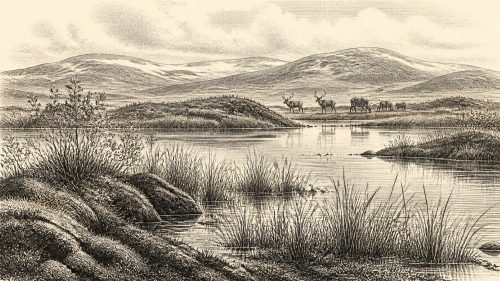
30,290 BCE is a modern label within a broad Late Pleistocene interval, not a datable Irish year. Derryvree, County Fermanagh, preserves freshwater sediments between two tills, indicating an ice-free wetland episode amid changing glaciation. Its plants, pollen and fauna depict treeless, periglacial tundra with shallow water and productive summer vegetation. Ireland was a varied mosaic of ice, open ground and altered coastlines, without proven land routes. Castlepook and Shandon caves record cold-stage mammals, including mammoth, reindeer and predators. A marked reindeer bone may suggest human butchery, yet no permanent population is established. Environmental uncertainty defines this prehistoric Ireland in evidence.
Read Article
Archived: 4 October 2026
Abstract
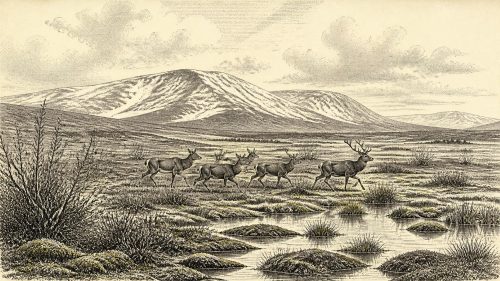
Around 30,304 BCE, Ireland was in the unstable Late Pleistocene build-up to the last major glaciation, rather than a documented historical era. Radiocarbon-dated red deer bones from Waterford caves show that suitable habitats existed around 32,000 years ago, although they prove neither permanent herds nor human hunting. Fermanagh sediments indicate patchy, treeless tundra wetlands supporting diverse vegetation. Cork cave faunas reveal reindeer, mammoth, predators and other animals across the wider period. Ice growth, fluctuating coastlines and later erosion obscure evidence. A possibly cut-marked reindeer bone suggests brief human activity, but no secure settlement, tools, institutions or culture can be established.
Read Article
Archived: 1 October 2026
Abstract
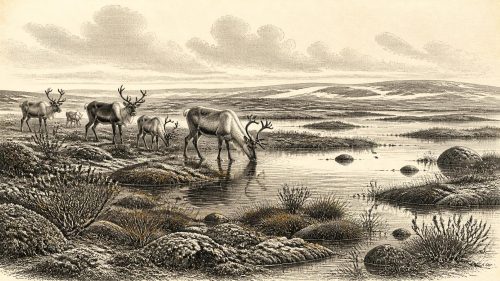
Thirty thousand four hundred and fourteen BCE is a modern chronological waypoint, not a precisely recoverable year. During Marine Isotope Stage 3, Ireland experienced unstable pre-Last Glacial Maximum conditions, with advancing and shifting ice, altered coastlines and low sea levels. Derryvree, County Fermanagh, preserves freshwater organic sediments between glacial tills, demonstrating a temporary ice-free wetland supporting treeless arctic-alpine vegetation, insects and small animals. Cave faunas from Shandon and Castlepook indicate changing open habitats supporting mammoth, reindeer, horse, predators and cold-adapted species. A possibly tool-marked Castlepook reindeer bone may indicate brief human activity, but no securely dated Palaeolithic occupation is known.
Read Article
Archived: 28 September 2026
Abstract
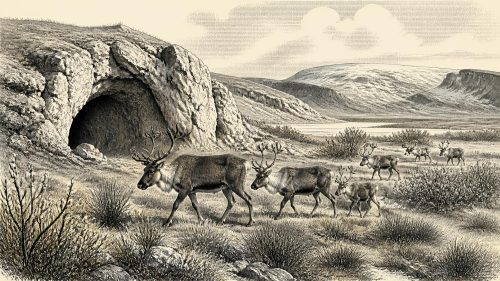
Around 30,544 BCE, Ireland lay in an unstable later Pleistocene environment, before maximum glaciation, with changing climates, exposed continental shelves and expanding ice. Waterford red-deer bones show large grazers occupied parts of the island during this broad period. Cave collections, especially Castlepook in Cork, preserve mammoth, reindeer, giant deer, bears, wolves, Arctic foxes, lemmings and hyenas, indicating varied open and wet tundra habitats. A marked reindeer femur may record Upper Palaeolithic butchery, but its old excavation context prevents firm conclusions about human presence. No settlements, political systems, trade or ritual are known. Subsequent glaciation destroyed or buried much fragile evidence.
Read Article
Archived: 25 September 2026
Abstract
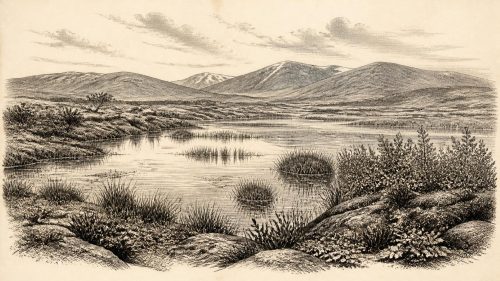
Around 30,705 BCE, Ireland lay within the unstable Middle Midlandian of Marine Isotope Stage 3, rather than a datable historical year. At Derryvree near Maguiresbridge, Fermanagh, freshwater organic deposits between glacial tills record an ice-free interval, although their radiocarbon age spans a broad range. Pollen, plants, mosses and insects indicate open, treeless, periglacial tundra with shallow water, sedges and cold-adapted flora. Cave remains from Cork and Waterford show that mammoths, reindeer, predators and lemmings intermittently reached Ireland, but mixed deposits prevent precise associations. No secure evidence confirms human presence, settlement, politics or culture. These fragmentary records reveal a varied landscape.
Read Article
Archived: 25 September 2026
Abstract
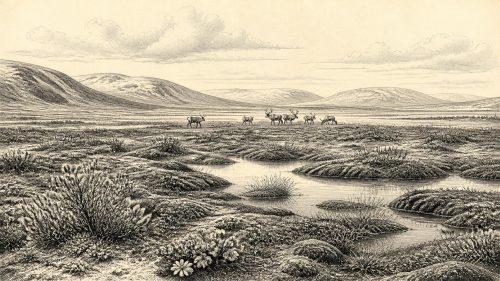
30,709 BCE is a modern label for an uncertain Late Pleistocene interval, not a recoverable Irish year. At Derryvree, County Fermanagh, freshwater sediments between tills record an ice-free local wetland, supporting tundra vegetation, insects and cold-adapted plants during fluctuating MIS 3 conditions. Cave calcite and glacial evidence likewise indicate changing climate and ice extent, before the later Last Glacial Maximum. Irish caves preserve mammals including mammoth, reindeer, giant deer and predators, although dates and pathways remain uncertain. A cut-marked reindeer bone from Castlepook may indicate human butchery, but cannot demonstrate settlement. No evidence supports polities, agriculture, permanent communities or culture.
Read Article

Archived: 24 September 2026
Abstract
Around 30,751 BCE, Ireland was a changing Late Pleistocene landscape as the British–Irish Ice Sheet began major expansion. Radiocarbon-dated red-deer remains from Waterford demonstrate that large herbivores occupied suitable habitats before the Last Glacial Maximum, though this does not prove human presence. Castlepook Cave’s mammoth-steppe fauna, including mammoth, reindeer and hyena, reveals intermittent cold, open-country ecosystems, but revised dates prevent assigning all species to this period. A possibly cut-marked reindeer bone suggests human contact but cannot establish settlement. Sparse evidence instead records climatic transformation, animal populations, and uncertainty at Ireland’s archaeological frontier. Later glaciation destroyed much earlier evidence across island.
Read Article

Archived: 22 September 2026
Abstract
At 30,852 BCE, a modern label rather than a recoverable event, Ireland lay in the climatically unstable later Marine Isotope Stage 3 as the British-Irish Ice Sheet expanded. Open, treeless, locally wet habitats supported cold-adapted fauna, including reindeer, mammoth, giant deer, predators and smaller mammals. Derryvree sediments illuminate periglacial environments, while Castlepook Cave near Doneraile preserves important but disturbed animal remains. A roughly 33,000-year-old reindeer femur bearing a possible stone-tool cut mark may indicate brief Upper Palaeolithic butchery. It cannot establish settlement, occupation or culture. Evidence instead depicts a changing island, with uncertain access routes, preservation and no year-specific history.
Read Article
Archived: 21 September 2026
Abstract
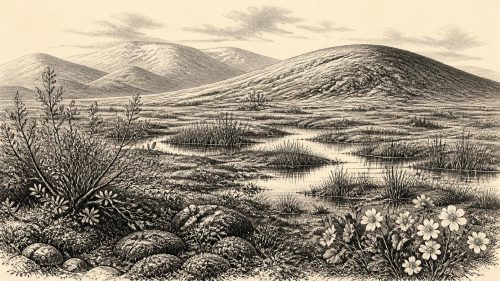
Thirty millennia before the present, Ireland lay within the changing, pre-maximum landscape of the last Ice Age, rather than a uniformly frozen island. At Derryvree, Fermanagh, organic sediments between tills record a periglacial freshwater wetland with tundra vegetation, insects and shallow water, later overridden by ice. Other northern deposits indicate exposed ground. Southern cave assemblages attest to cold-adapted mammals, although cave contexts and older dates require caution. Waterford red deer date broadly to this horizon. A cut-marked Castlepook reindeer bone suggests possible human handling, but no occupation is established. Evidence remains fragmentary, precluding conclusions about settlement, society, routes or populations.
Read Article
Archived: 19 September 2026
Abstract
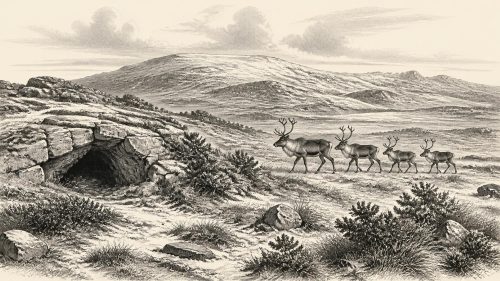
The modern label 31,207 BCE denotes a broad, uncertain MIS 3 horizon rather than a recoverable Irish year. Radiocarbon ranges and cave deposits show that southern Ireland supported, at different times, brown bears, mammoths, reindeer, giant deer, wolves, Arctic foxes, lemmings and spotted hyaenas. Castlepook Cave, County Cork, preserves notable hyaena remains, but mixed sediments cannot establish contemporaneous communities or behaviour. Ireland’s shifting ice, periglacial terrain, low sea levels and variable vegetation connected it intermittently with north-west Europe. Northern organic deposits indicate occasional milder habitats. No secure human occupation dates to this period; a possibly cut-marked reindeer bone remains inconclusive.
Read Article

Archived: 18 September 2026
Abstract
Around 33,200 cal BP, Ireland lay within the climatically unstable MIS 3 period, with changing ice margins, low sea levels and diverse open, wetland habitats. Intertill deposits at Derryvree, Greenagho and Aghnadarragh preserve evidence of freshwater environments, plants and insects. Southern caves, especially Castlepook, contain mammoth, reindeer, giant deer, carnivores and other Ice-Age fauna, demonstrating connections with north-west Europe. A possibly cut-marked reindeer femur from Castlepook may indicate brief Upper Palaeolithic human activity, but cannot prove settlement, hunting traditions or continuous occupation. No evidence supports reconstructed politics, society, ritual, agriculture or trade. Later ice expansion destroyed or concealed much evidence.
Read Article
Archived: 18 September 2026
Abstract
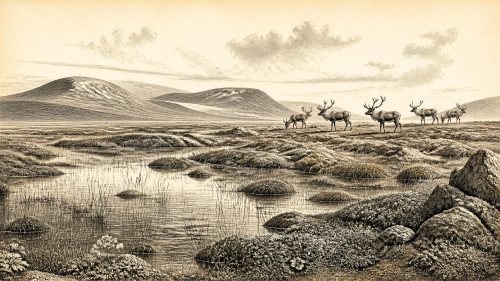
Although 31,263 BCE cannot denote a precise Irish historical year, it falls broadly within MIS 3, before the Last Glacial Maximum. Ireland experienced fluctuating ice, low sea levels and patchy, cold open environments. Derryvree sediments in Fermanagh record an ice-free freshwater wetland between glacial advances, supporting tundra-like vegetation, insects and seasonal water. Castlepook Cave in Cork preserves re-dated MIS 3 fauna including mammoth, reindeer, giant deer, predators and lemmings, demonstrating rich cold-stage ecosystems. A purported stone-tool cutmark on a reindeer bone may indicate human butchery, but remains contested. No secure evidence establishes settlement, institutions; environmental change is the clearest history.
Read Article
Archived: 17 September 2026
Abstract
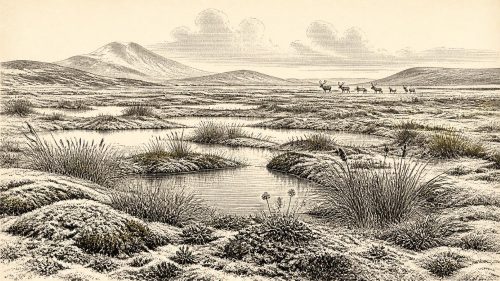
Around 31,394 BCE, Ireland was a fluctuating Late Pleistocene landscape, not a recorded historical society. Freshwater sediments at Derryvree, County Fermanagh, formed between glacial episodes, preserving evidence of treeless wetlands, sedges, grasses, mosses and aquatic plants. They indicate locally exposed, cold, wet ground before the later expansion of the British–Irish Ice Sheet. Cave remains show that mammoth, reindeer, horse, giant deer and predators reached Ireland during the broader Middle Midlandian period, though not necessarily simultaneously. Possible human activity at Castlepook remains unconfirmed as evidence of settlement. No communities, politics, monuments or traditions can be securely assigned to this remote interval.
Read Article

Archived: 17 September 2026
Abstract
Around 31,429 BCE, a retrospective rather than precise date, Ireland lay within the unstable MIS 3 Ice Age environment. Castlepook Cave, County Cork, produced a reindeer femur bearing a deep stone-cut incision, possibly evidence that Upper Palaeolithic visitors processed a carcass. However, antiquarian recovery, carnivore activity and absence of associated tools or occupation deposits prevent claims of settlement. Cave faunas demonstrate reindeer, mammoths, giant deer, bears and hyaenas in productive open habitats. Derryvree sediments reveal treeless, wet tundra. Lower sea levels may have allowed crossings, but no migration evidence exists. Ireland was an ecologically variable frontier, later overwhelmed by glaciation.
Read Article
Archived: 16 September 2026
Abstract
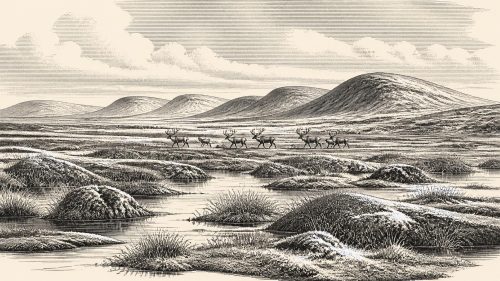
31,591 BCE is best understood as a broad Late Pleistocene, Marine Isotope Stage 3 interval rather than a recoverable Irish calendar year. Ireland experienced volatile cold conditions, with developing ice, permafrost, exposed terrain, tundra wetlands and changing sea routes. Derryvree sediments in Fermanagh preserve evidence of treeless freshwater habitats between glacial advances. Castlepook Cave in Cork yielded cold-adapted fauna, including mammoth, reindeer, hyaena and horse, although cave deposits complicate interpretation. A reindeer femur bearing a possible butchery incision may indicate exceptionally early human contact, but lacks secure archaeological context. Evidence shows environmental change; human presence remains possible, contested and unproven.
Read Article

Archived: 15 September 2026
Abstract
About 31,641 BCE, Ireland lay within the climatically unstable later Marine Isotope Stage 3. Organic sediments at Derryvree, County Fermanagh, record an ice-free freshwater basin amid open, cold tundra vegetation, including Arctic-alpine fringed sandwort. Southern caves, Castlepook and Shandon, preserve remains of mammoth, giant deer, reindeer and predators, though their dates and deposition require caution. These environments preceded wider glaciation during the Last Glacial Maximum, which erased or buried evidence. No secure evidence confirms human occupation at this date; the earliest indication of human presence is later, around 12,810–12,590 years ago. Ireland’s record therefore documents changing ecosystems, not human communities.
Read Article

Archived: 15 September 2026
Abstract
Around 31,703 BCE, Ireland lay within the climatically unstable Late Pleistocene, as ice expanded before its later maximum. Later glaciation destroyed much evidence, but northern buried sediments preserve pollen, plants and beetles indicating treeless, cold grass-sedge tundra, wet hollows and Arctic-like conditions. Southern caves contain reindeer, giant deer, mammoth, bears, wolves and hyaenas, demonstrating changing habitats and animal movement. A cut-marked Castlepook reindeer bone may suggest transient human activity, but cannot prove settlement or occupation. Shifting seas and ice complicated access to Ireland. No evidence supports societies, trade or institutions. This period is understood through fragmentary deposits and radiocarbon ranges.
Read Article
Archived: 15 September 2026
Abstract
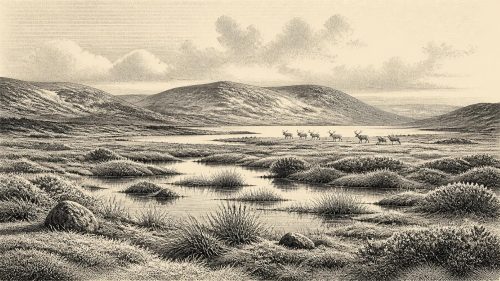
Around 31,708 BCE, Ireland was part of a climatically unstable Late Pleistocene landscape, not a place with a recoverable annual history. Derryvree sediments in Fermanagh indicate cold, open, waterlogged tundra-like habitats with mosses, sedges and northern insects during a broad period encompassing this date. Ice margins, sea levels and vegetation shifted repeatedly before the Last Glacial Maximum. Crag Cave stalagmites record intermittent milder phases, while southern caves preserve varied cold-stage mammals. Castlepook’s marked reindeer bone may indicate human processing, but lacks secure archaeological context. Evidence supports transient animal habitats and possible brief human visits, not settlement, society or political events.
Read Article

Archived: 14 September 2026
Abstract
31,758 BCE is a modern chronological label within climatically unstable Marine Isotope Stage 3, not a precisely datable Irish event. Low sea levels and shifting ice shaped a changing north-west European landscape, while routes into Ireland remain uncertain. Shandon Cave fauna, including reindeer, mammoth, horse, bears and wolves, indicates cold, open habitats and diverse food webs, though cave deposits are not ecological censuses. Castlepook’s marked reindeer bone may evidence human butchery around 33,000 years ago, but cannot prove settlement. Derryvree sediments document treeless freshwater wetlands between glaciations. Later ice transformed or destroyed landscapes, leaving evidence of connections and human presence.
Read Article




