Archived: 1 November 2026
Abstract
In 732, Áed Allán of Cenél nÉogain defeated Flaithbertach of Cenél Conaill, initiating a long decline in Cenél Conaill’s northern dominance, though warfare continued and Ireland remained politically fragmented. Other conflicts killed rulers in Airgíalla and Déisi, accompanied fighting between Leinster, Munster and Connacht. Ecclesiastical deaths included Flann Sinna of Clonmacnoise, Sebdann of Kildare and Gerald of Mayo, demonstrating churches’ political, cultural and cross-channel importance. Magnus, philosopher of Ireland, and Armagh scribe Ferdomnach also died. Annals preserve elite events, while most people lived rurally through farming, pastoralism and dependence, supporting kingdoms and monasteries whose resources sustained religious and secular authority.
Read Article
Archived: 1 November 2026
Abstract
In 731, Irish annals record the burning of Cúl Raithin, generally identified with Coleraine, without naming attackers, motive or losses. As a church-centred settlement on the Bann, its destruction probably disrupted worship, learning, storage, production and lordship. Annalistic chronology supports the date but cautions against detailed reconstruction. Death notices commemorate religious figures including Colmán úa Littáin and Eochaid of Armagh, while revealing varied ecclesiastical centres and ties to dynasties. Reports of fighting in Dál Riata and Pictland, and Ceolwulf’s Northumbrian imprisonment, show a connected northern maritime world. The evidence remains selective, recording no unified Irish crisis but illuminating ordinary life.
Read Article
Archived: 1 November 2026
Abstract
In 730, the Annals of Ulster securely records the burning of Cúl Raithin, probably later Coleraine, but supplies no perpetrators, cause or consequences. The destruction nevertheless highlights the vulnerability and importance of church settlements as religious, economic and political centres. A battle at Bealach Éle between Munster and Leinster, involving Osraige and Déisi leaders, belongs to the early 730s, although annals date it variously to 730 and 735. Heavy losses are reported, without proof of a decisive outcome. These events reveal decentralised authority, intertwined secular and ecclesiastical networks alike, and rural communities dependent upon farming, patronage and vulnerable material resources.
Read Article
Archived: 1 November 2026
Abstract
In 728, battles and deaths reshaped Irish political and ecclesiastical leadership. Flaithbertach son of Loingsech defeated and killed Cináed son of Írgalach at Druim Corcain, enabling his claim to the kingship of Ireland, understood as contested supremacy rather than central rule. In Leinster, Fáelán defeated his brother Dúnchad at Ailenn and became overking. Domnall of Connacht and Flann, abbot of Bangor, also died, creating further uncertainty. Annals reliably date core events but cannot reconstruct battlefields or ordinary experience. The year illustrates violent succession, regional autonomy, dynastic rivalry, and the political importance of monastic and learned communities across early medieval Ireland.
Read Article
Archived: 1 November 2026
Abstract
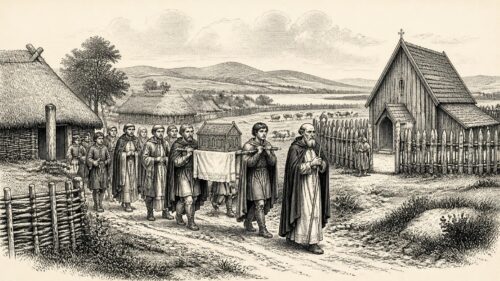
In 727, Ireland experienced dynastic conflict, contested succession and ecclesiastical assertion. Northern Uí Néill forces fought at Druim Fornocht, while other clashes involved Airgialla. Leinster saw the death of king Murchad son of Bran and victories by Uí Dúnlainge at Maistiu against Uí Cheinnselaig, and by Fáelán at Bairenn. Adomnán’s relics entered Ireland during renewal of Cáin Adomnáin, protecting women, children and clerics, though enforcement remains uncertain. Ailchón, abbot of Clonard, died, alongside other church figures. Later annals add traditions requiring caution. The sparse records reveal competing dynasties, church authority, rural dependencies, and sacred law shaping political life throughout Ireland.
Read Article
Archived: 1 November 2026
Abstract
In 726, Irish annals record conflict linking Leinster, Brega and Mide. Cináed son of Írgalach of the Síl nÁedo Sláine fought the Leinstermen at Maíne, demonstrating continuing rivalry after Leinster’s victory at Allen. Crimthann, son of former Leinster king Cellach Cualann, was killed young at Belach Lice; Inisfallen names Muiredach as victor. Ailill son of Badbchad was slain in Mide. The deaths of Da Chonda of Connor, Mainchín of Leighlin and Cillíne Long of Iona underline ecclesiastical importance. Sparse, differing annalistic notices reveal clearly local dynastic violence, regional ambition and interconnected church networks, but not island-wide crisis or settled overlordship.
Read Article
Archived: 1 November 2026
Abstract
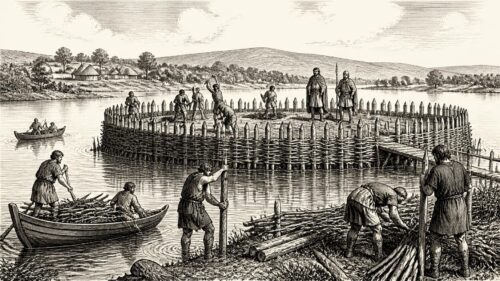
In 725, Irish annals record dispersed events rather than a single national turning point. Cináed son of Írgalach caused the Ulaid to flee, indicating temporary northern reach after his victory in 724, but not conquest. A fortified or constructed island associated with Crach’s son suggests investment in defended wetland settlement, though its site and purpose remain unknown. Obituaries commemorated scribes, teachers and abbots linked to Armagh, Kildare, Munster and communities, demonstrating ecclesiastical learning and institutional influence. Simul son of Drust was imprisoned in northern Britain. Divergent annalistic chronologies require caution, yet these notices reveal organised power, construction and intellectual networks.
Read Article
Archived: 1 November 2026
Abstract
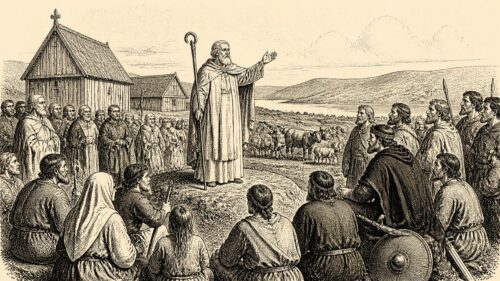
In 721, Cathal son of Finguine of Munster and Murchad son of Bran of Leinster devastated Mag Breg, challenging Uí Néill authority around Tara. Fergal son of Máel Dúin, king of Tara, responded by imposing cattle tribute and taking hostages from Leinster, demonstrating his political supremacy. Inisfallen instead preserves a Munster-centred claim that Cathal and Fergal made peace and that Fergal submitted. Inmesach the religious established a law proclaiming Christ’s peace across Ireland at Campo Delenn. Annals note conflict between Connachta and Corco Baiscinn, deaths of rulers and churchmen, and reveal rivalry, ecclesiastical influence, and limits of evidence for life.
Read Article
Archived: 1 November 2026
Abstract
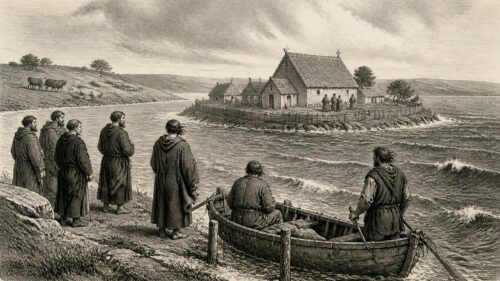
In 720, Irish annals recorded a rainy summer, the death of Sínach of Inis Clothrann, and a great sea-flood in October. The wet season may have disrupted cereal growing, haymaking, travel and fodder supplies, although its effects varied by resources and status and cannot prove famine. Sínach’s obituary attests to an ecclesiastical community on Lough Ree, connected through the Shannon to estates, labour and exchange. Politically, the year lay between Fergal’s campaigns against Leinster, though no conflict is securely dated to it. The sea-flood, perhaps storm surge or tsunami, remains unlocated and unexplained, demonstrating environmental vulnerability and maritime connections alike.
Read Article
Archived: 1 November 2026
Abstract
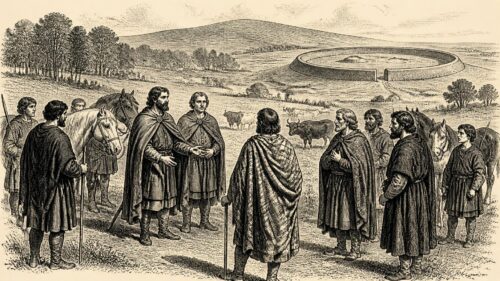
In 719, Leinster suffered internal conflict after the death of overking Cellach Cualann. At Findabair, probably Fennor in Meath, his son Áed was killed in an encounter among the Leinstermen, though sources do not identify combatants or circumstances. Murchad of Uí Dúnlainge held Leinster’s overkingship amid rivalry with Cellach’s Uí Máil kin. Uí Néill forces devastated Leinster five times, reflecting pressure associated with Fergal of Cenél nÉogain and foreshadowing later campaigns. Other annals record killings, violence affecting Armagh, an ecclesiastical death, and a Dál Riata sea-battle. A possibly dry summer compounded raiding’s threat to farming, cattle, lordship and vulnerable communities.
Read Article
Archived: 1 November 2026
Abstract
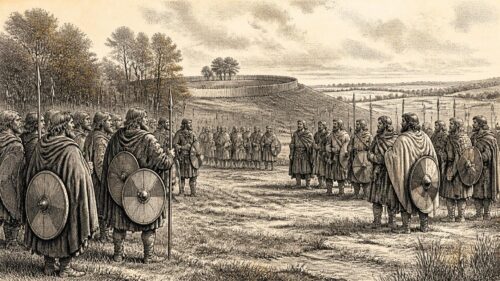
In 718 CE, a battle at Cenannas – the place later known as Kells in County Meath – brought a violent turn in the long struggle for Brega. Conall Grant, grandson of Cernach, emerged as victor over a group of rival leaders, but his success was startlingly brief: the annals state that Fergal son of Máel Dúin killed him two months later. The year also brought deaths at major religious communities, a recorded change in Iona’s monastic observance, reports of remarkable portents, and a lunar eclipse. Together, these sparse notices reveal an Ireland in which dynastic politics, ecclesiastical authority and
Read Article
Archived: 1 November 2026
Abstract
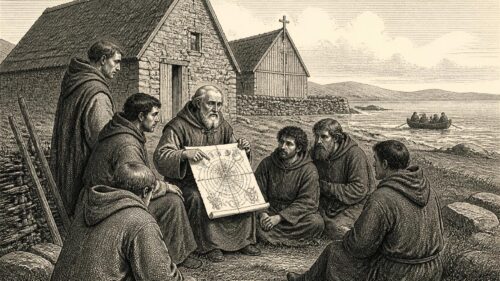
In 716, Northumbrian priest Ecgberht persuaded Iona to adopt the Roman Easter calculation and clerical tonsure, ending its adherence to the older 84-year cycle. Confirmed by Bede and Irish annals, this change affected the Columban network across Ireland, Scotland and Northumbria, requiring new tables, learning and acceptance among dependent houses. Fáelchú assumed Columba’s seat on 29 August, amid uncertain leadership arrangements before Abbot Dúnchad’s death in 717. In Ireland, Fogartach of Síl nÁedo Sláine regained power in Brega, though authority remained contested. The death of Clones’s abbot illustrates monastic networks embedded within rural, agrarian society and their dependence on labour.
Read Article
Archived: 13 October 2026
Abstract
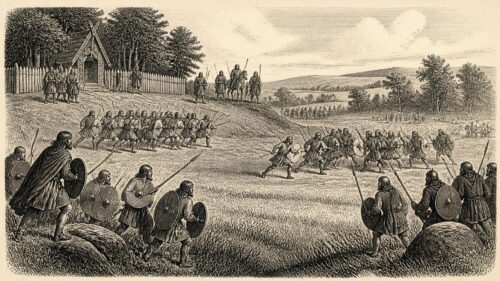
In 714, Irish annals recorded concentrated warfare, political upheaval and environmental strain. Murchad Midi of Clann Cholmáin defeated Brega rivals in two encounters at Bile Tened, while Fogartach of southern Brega was expelled to Britain and Forbassach of Uí Fhailgi was killed in Mide. Other conflicts occurred among Uí Echach and Bairche, and Munstermen killed Clárainech’s travelling religious community. Selbach rebuilt Dún Ollaig in Dál Riata, highlighting Irish Sea links. Ailén Daingen, probably a fortified lake settlement, was destroyed. A great drought and bright autumn night were also noted, revealing a fragmented society vulnerable to conflict and natural pressures alike.
Read Article
Archived: 1 November 2026
Abstract
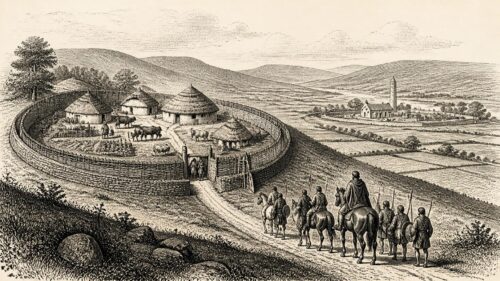
In 712, Irish annals record regional conflicts, dynastic deaths and ecclesiastical losses rather than a unified national crisis. Maíne, a descendant of Áed Sláine, was killed by Flann in Brega, while violence also affected the Ulaid, Cenél Laegaire and southern Leinster. Cú Cerca of Osraige died, and Cormac son of Máenach, king of Munster, fell to the Northern Déisi at Carn Feradaig. Ceode of Iona and Dub Guaile of Glendalough died. An annal noted Bede’s scholarly work. Rural society, farming, maritime connections and monastic networks continued, although sources provide little detail on causes, places or outcomes in the surviving record.
Read Article
Archived: 1 November 2026
Abstract
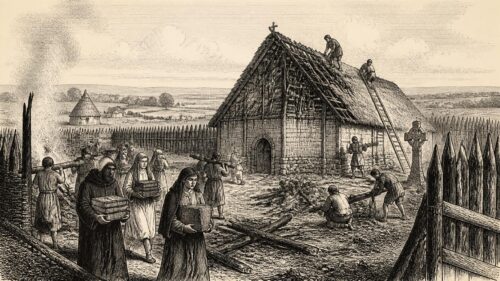
In 709, although annalistic year-numbering varies, Congal Cennmagair of Cenél Conaill died suddenly, reportedly in a fit, ending his kingship of Tara. Fergal son of Máel Dúin of Cenél nÉogain succeeded, reflecting competitive Uí Néill dynastic politics rather than automatic inheritance or unified national rule. The annals also record the burning of Cell Dara, later Kildare, a wealthy and influential Leinster ecclesiastical centre, but provide neither cause nor extent of damage. Deaths of the abbots of Iona and Lorrha underline interconnected Irish Sea religious networks. Together these notices reveal entwined royal, ecclesiastical, economic and patronage systems amid persistent historical uncertainty.
Read Article
Archived: 1 November 2026
Abstract
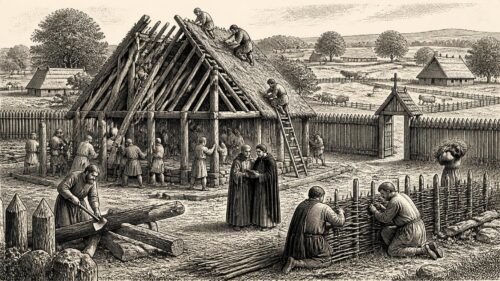
In 708, Cill Dara, modern Kildare, suffered a destructive fire, although annals provide no cause, casualties or details of damage. The disaster followed the death of its bishop, Mael Dóbarchon, and required resources and patronage for recovery. Congal Cennmagair of Cenél Conaill, a leading Uí Néill overking, also died suddenly, prompting Fergal of Cenél nEógain’s accession around 708–709. Obituaries for the abbots of Iona and Lorrha demonstrate ecclesiastical networks extending across Ireland and the Irish Sea. These events reveal a rural, politically fragmented society dependent on churches, agriculture, kinship, tribute and personal leadership, vulnerable to fire, death and shifting alliances.
Read Article
Archived: 13 October 2026
Abstract
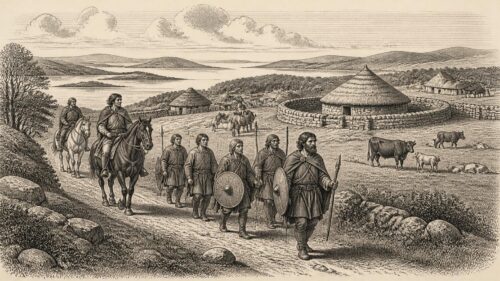
Annals for 707 record political, ecclesiastical and environmental developments in a divided, rural Ireland. Indrechtach mac Dúnchado, overking of Connacht, was killed by northern Uí Néill leaders and allies, demonstrating continuing rivalry without proving conquest. Congal Cennmagair, king of Tara, led a host against Leinster, though no outcome is known. Dúnchad became superior of Iona, reinforcing the monastery’s Irish Sea importance, while Bishop Coibdenach of Ardstraw died and Béc of Bairche undertook religious pilgrimage. Two northern tremors occurred in December. These sparse notices illuminate interconnected kingship, church networks, mobility and agrarian society, while leaving everyday conditions largely unrecorded to historians.
Read Article
Archived: 13 October 2026
Abstract
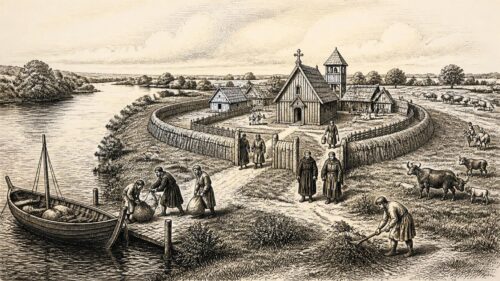
In 706, Irish annals recorded deaths rather than events, revealing ecclesiastical and political transitions amid uncertain chronology. Osséne son of Gallust, abbot of Clonmacnoise, died, affecting a Shannon monastery sustained by rural production, river movement and communities. Flann Febla, abbot of Armagh, also died, marking change at Ireland’s Patrician church. Conchobor, king of Cenél Cairpri, died or was killed, though sources conflict. Notices of Bruide son of Derile suggest Irish Sea connections, while Cellan son of Sechnusach, the learned, reflects valued scholarship despite disputed dating. The sparse record depicts rural, plural, Christian Ireland structured by kinship, churches and regional power.
Read Article
Archived: 1 November 2026
Abstract
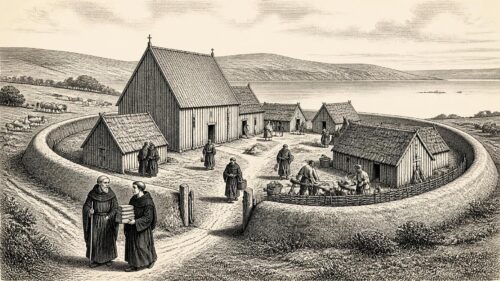
In 705 CE, Ireland’s surviving annalistic record presents a small but unusually revealing cluster of deaths, violence and political change. The notices are terse: the abbot Cenn Faelad of Bangor died; a battle was fought in Corcu Modruad, where Céilechair son of Comán fell; Cellach son of Rogallach, king of Connacht, died after entering clerical life; Conamail son of Canu was killed; and Congal Cenn Magair, son of Fergus of Fána, “begins to reign”. No contemporary narrative tells how these events unfolded. Yet, read alongside the preceding and following annals, they illuminate an Ireland in which monasteries, dynasties and local
Read Article
Archived: 1 November 2026
Abstract
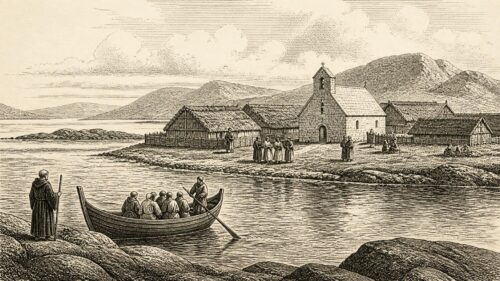
In 704, Ireland witnessed major political reversals and the death of Adomnán, abbot of Iona. On 12 July, Cellach mac Rogallaig of Connacht defeated and killed Loingsech mac Óengusso, king of Tara, with three sons, at Corann; Congal Cennmagair succeeded him. Later, Cellach Cualann of Leinster repelled a southern Uí Néill force at Clóenad, while instability affected neighbouring dynasties. Annals also note Dál Riata's destruction at Glen Leven. Adomnán died on 23 September, leaving widely influential writings, diplomatic achievements and Cáin Adomnáin. These events reveal interconnected Irish, Scottish and Northumbrian worlds, though annalistic dating remains uncertain and their social consequences.
Read Article
Archived: 1 November 2026
Abstract
In 703, Connacht defeated an invading northern Uí Néill coalition at Corann or Claenfhinn, killing Loingsech son of Óengus, styled king of Ireland, his three sons and numerous allied rulers. The battle, probably in south-central Sligo, checked Loingsech’s claim to wider supremacy and preserved Connacht’s autonomy under Cellach son of Rogallach. Annals also record the Ulaid’s victory over Britons at Mag Cuilinn, though details remain uncertain. Colmán, abbot of Lismore, died, while notices mention Ailén Daingen’s construction and Rithe’s siege. These events reveal a rural, contested Ireland where kings, churches and fortified communities managed warfare, resources, mobility and insecure authority.
Read Article
Archived: 1 November 2026
Abstract
In 702, although annalistic dating varies between 701 and 702, Irish records note political and ecclesiastical deaths. Muiredach Muillethan, king of Connacht and ancestor of Síl Muiredaig, died, potentially affecting regional succession. Írgalach of Brega, grandson of Conaing, was killed by Britons at Inis Mac Nesáin, modern Ireland’s Eye, demonstrating dangerous Irish Sea connections without proving an invasion. Faeldobar of Clogher, other kings, an abbot and scholars also died. These notices reveal interdependence between rulers, churches and learning. Most people remained unrecorded, sustaining rural communities whose labour, farming, tribute and seaborne travel underpinned early medieval Irish society amid dynastic instability.
Read Article
Archived: 1 November 2026
Abstract
In 701, Niall son of Cernach was killed at the uncertain site of Drumain Ua Casáin by Írgalach, intensifying rivalry between branches of the southern Uí Néill in Brega. Later Columban tradition portrayed the killing as a violation of sanctuary linked to Kells and Írgalach’s death as retribution, though contemporary annals give no details. The year also recorded cattle mortality, threatening wealth, food production, tribute and rural livelihoods. In Munster, Ailill, king of Mumu, and Conall of Uí Fidgente died, prompting uncertain political transitions. Colmán ua hOrc, abbot of Clonard, also died, highlighting ecclesiastical institutions’ religious, economic and political influence.
Read Article
Archived: 1 November 2026
Abstract
In 699, the Annals of the Four Masters record the death on 30 March of Colmán of Linn Ua Chaille, though his office remains unknown. They also assign deaths of Ailill, king of Munster, and Conall of Uí Fhidgeinte, and Írgalach’s killing of Niall Ua Cernach in Brega. Parallel annals date these political events shortly later, demonstrating chronological divergence in transmitted records. The notices illuminate ecclesiastical commemoration, unstable dynastic authority and aristocratic violence. Set after the synod of Birr, they also evoke a rural society where churches, kinship, cattle, agricultural production and local kingship shaped everyday life and political power.
Read Article
Archived: 1 November 2026
Abstract
In 698, Irish annals record Tarachin’s journey to Ireland and an unexplained battle associated with Fiannamail son of Oiséne. Chronological variation requires caution: Tarachin may have been connected with the deposed Pictish ruler Taran, but neither identity nor motives are certain. His crossing nevertheless illustrates Ireland’s maritime links with Dál Riata, Pictland and western Britain, and its potential role as refuge for displaced elites. Fiannamail’s battle reflects localised violence within a fragmented political landscape under Loingsech’s influence. Churches, rural production and literate communities supported authority and preserved selective memories. Ireland was connected, decentralised, and politically active, not unified or isolated.
Read Article
Archived: 1 November 2026
Abstract
In 696 CE, Irish annalists recorded a striking concentration of deaths and killings among rulers, ecclesiastics and men of high rank. The fullest contemporary-looking notices name the killing of Lóchéne Menn, the learned abbot of Cell Dara (Kildare); the deaths of Finguine, king of Munster, Fergal of Aidhne, and Congalach of Brega; and the killing of Domnall son of Conall Crandomna. The notices are brief, often frustratingly so, but they reveal a year in which power changed hands across several regions and in which a leading monastery suffered the violent loss of its head. Dating a Sparse Year The evidence
Read Article
Archived: 2 November 2026
Abstract
In 695 CE, the most securely placed Irish development was the killing of Fínsnechtae Fledach, king of Tara, and of his son Bresal at Grellach Dollaig. The Annals of Tigernach and Chronicon Scotorum assign the event to this year, naming the killers as Áed son of Dlúthach and Congalach son of Conaing. Their terse record calls it a battle, but supplies neither day nor season, nor a narrative of manoeuvres or troop numbers. It nevertheless marked a decisive rupture in the leadership of Brega and in the wider overkingship which Fínsnechtae had exercised for about two decades. An Annalistic Date,
Read Article
Archived: 2 November 2026
Abstract
In 694 CE, the clearest securely associated Irish event was the death of Crónán Becc, or Crónán “the Little”, abbot of Cluain Moccu Nóis—Clonmacnoise—on the River Shannon. It is a modest record beside the spectacular battles and royal killings that often dominate the annals, but it offers an unusually useful view of Ireland’s real centres of gravity. An abbot’s death mattered because a major monastery was not simply a retreat for prayer: it was a religious community, a landholder, a place of learning and writing, a destination for visitors, and a point at which regional politics met the wider Irish
Read Article
Archived: 2 November 2026
Abstract
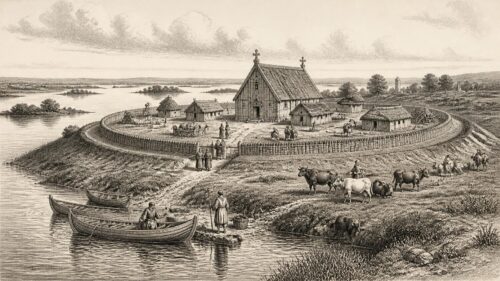
In 693 CE, Ireland’s surviving annalistic record is unusually compact but revealing. The Annals of Ulster, whose annal headed 694 is synchronised to AD 693, record the death of Crón Bec, abbot of Clonmacnoise; the deaths of ecclesiastics at Movilla and Balla; the killing of a layman named Cerball son of Máel Odar; and a siege at Dún Foither. No contemporary narrative explains how these events were connected. Yet together they show an island in which monastic communities, local lordship and fortified places formed the essential framework of public life. The year was not one of a single, island-wide turning
Read Article
Archived: 2 November 2026
Abstract
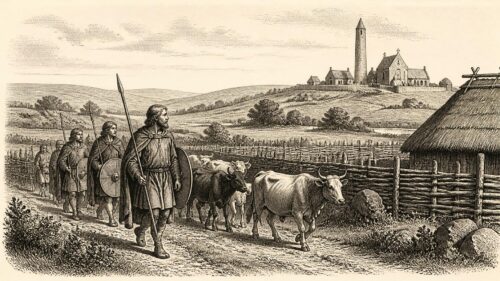
In 692 CE, Ireland’s surviving annalistic record centres on Leinster and its western neighbour Osraige. The firmest items are terse but consequential: Dirath, bishop of Ferns, died; Bran, grandson of Faelán and king of Leinster, also died; and a battle between the Osraige and the Laigin cost the life of Faelchar, grandson of Máel Odor. These entries occur under the following annal heading in the Annals of Ulster, whose calendrical apparatus explicitly equates that heading with AD 692. The precision is important. Irish annals preserve a sequence of notices copied and reshaped over centuries, and their year numbers do not
Read Article





