Archived: 20 October 2026
Abstract
In 1421, Irish annals recorded interlocking conflicts, successions and deaths across Connacht, Breifne, Fermanagh, Offaly, Ulster and Munster. Ruaidhrí Mac Diarmata’s death brought Tomaltach’s contested succession in Moylurg, while Murchadh Ó Conchobhair’s death preceded Calbhach’s accession in Uí Fhailghe. Ó Ruairc, allied with Ó Domhnaill and Mag Uidhir, campaigned destructively against Clann Donnchadha; retaliation damaged Ó Ruairc’s residence before peace followed. Cathal Ó Ruairc seized Inis Caoin on Lough Melvin through garrison betrayal, capturing its lord and castle. Notices also commemorated bishops, nobles, Mór Mumhan, and historian Gilla Riabhach Ó Cléirigh, revealing ideals of hospitality, piety, learning and martial defence.
Read Article
Archived: 20 October 2026
Abstract
In 1420, Irish political life combined warfare, negotiation, trade and royal administration. Brian Ó Conchobair built Bundrowes Castle beside the Drowes, provoking Ulster opposition and fighting around Assaroe, where Domnall Ó Domhnaill was killed and Niall Garbh escaped aboard a trading ship. Kinship disputes in Connacht brought murders, raids, captivity and settlements secured through lordly protections. Granard Castle was briefly seized, then demolished by Ó Fearghail. Dublin officials collected customs and administered justice and finance. Death notices linked leading families to churches, while violence reached sacred spaces. Annals also recorded wolves killing many people, revealing environmental danger amid political instability.
Read Article
Archived: 21 October 2026
Abstract
In 1419 Ireland experienced overlapping conflicts rather than a single national crisis. Eóghan Ó Néill, backed by northern allies, expelled Domnall Ó Néill from Tyrone, while Connacht forces burned Murbach and devastated Tírhugh. A major Connacht invasion of Clanricard ended in defeat at Bél Átha Lige, with heavy losses, captures and plunder. English lieutenant John Talbot’s administration seized Leinster’s Donnchadh Mac Murchadha, while Calbach Ó Conchobair escaped captivity. Succession disputes disturbed Breifne. Plague killed the scholar Dauid Ó Maolconaire; an unusually hot summer brought drought but abundant harvests. Deaths of poets, rulers and clerics highlighted patronage, learning and religious life.
Read Article
Archived: 21 October 2026
Abstract
During 1418, Ireland’s fragmented landscape was shaped by dynastic deaths, raids, fortification and scholarship. In Breifne, the deaths of Tigernán Mór Ó Ruairc, his heir Eógan, and East Breifne’s Risderd Ó Raigillig triggered contested successions; Risderd and his household drowned in Lough Sheelin. At Roscommon, Uilliam Ó Cellaig built a castle opposite the stronghold, resisting an Ó Conchobair-led siege. A royal council met at Naas, while Furnival’s raids in Iveagh met resistance and northern conflict involved Ó Domnaill and Ó Néill. Connacht saw cattle raids and violence. Meanwhile, the Great Book of Lecan neared completion, demonstrating scholarly patronage amid warfare.
Read Article
Archived: 21 October 2026
Abstract
In 1417, the death of Art Mac Murchadha, king of Leinster, ended the career of a Gaelic ruler who had challenged English authority through warfare, negotiation and cross-community alliances. Annals disagree over the date and alleged poisoning, but emphasise his piety, hospitality and power; his son Donnchadh succeeded amid uncertainty after Diarmait Red-hand also died. Elsewhere, John Talbot’s cattle raid demonstrated uneven royal reach. Connacht saw Ruaidhrí Ó Dubhda’s succession, drownings, kin conflicts and hostage settlements. Burnings, killings and ecclesiastical involvement reveal pervasive local violence. Annalistic records also stress penitent deaths, kinship, burial and generosity, showing a fragmented Irish authority.
Read Article
Archived: 21 October 2026
Abstract
In 1416, Ireland remained divided among Gaelic rulers, Anglo-Irish magnates and the Dublin-centred English lordship. Art Mór MacMurrough defeated Wexford’s English settlers, securing booty and hostages in a peace settlement, while alliances involving Talbots and Butlers complicated ethnic divisions. Annals record his death in 1416, though conflicting evidence places it in 1417, creating uncertainty over succession. Raids, feuds and battles affected Connacht, Breifne and Fermanagh. Friar Brian Mac Donnchadha rebuilt Sligo’s Dominican monastery after fire. Another blaze on Church Island destroyed books, precious objects and instruments, illustrating losses to Gaelic learning. Church offices and legal expertise nevertheless endured amid violence.
Read Article
Archived: 21 October 2026
Abstract
In 1415 Irish annals recorded fragmented connected conflicts across lordship Ireland. John Talbot, Lord Furnival, the king’s lieutenant, campaigned through Leix, Oriel and other districts, seizing a castle, killing or taking livestock, and executing Gerald of Geraldine descent. Chroniclers condemned his plundering of poets and alleged disregard for churches and sanctuaries. In Umhall, rivalry within the O’Malley kindred culminated in Aed O’Malley’s defeat and death, enabling Diarmait to assume the lordship. A January night attack at Cloonshee killed Tomaltach O’Birn and devastated a household. Annals noted clerical deaths, burial, capture, ransom, and cultural commemoration, depicting authority as mobile and coercive.
Read Article
Archived: 21 October 2026
Abstract
In 1414 Ireland experienced overlapping warfare, political manoeuvre, disaster and disease. Murchad Ó Conchobair and Fergal Ruad Mac Eochagáin defeated English forces from Meath at Cill Echi, killing prominent clergy and nobles and securing ransoms. In Tír Eógain, hostage exchanges restored Domhnall Ó Néill, while Mac Diarmata lordship changed hands. Fighting between Mac Murchadha rulers and Wexford forces brought capture, burning, plunder and further hostages. Sir John Stanley died, John Talbot became lieutenant and arrived late in the year. A candle fire destroyed Sligo’s Dominican monastery; a dean died; plague was reported in Meath and Leinster. Annalistic discrepancies require caution.
Read Article
Archived: 21 October 2026
Abstract
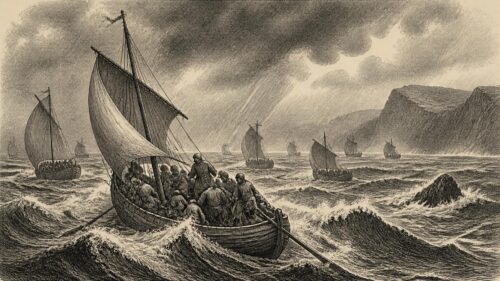
In 1413, Ireland remained politically fragmented, with Gaelic lords, Anglo-Irish interests, towns and churches exercising local power. Limerick suffered a destructive fire attributed by annals to an unnamed woman. Roscommon Castle became the focus of rival military operations, while raids and victories in Meath and Leinster demonstrated continuing frontier warfare. Tuathal Ó Máille’s returning fleet was wrecked near Scotland, causing extensive loss of life. At Lough Conn, violation of church sanctuary led to restitution of land. Annals also recorded lordly deaths, legal learning and Henry V’s accession, portraying a connected yet dangerous society shaped by warfare, religion, trade and reputation.
Read Article
Archived: 21 October 2026
Abstract
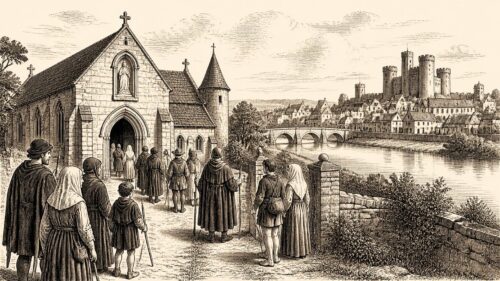
The surviving evidence for 1412 presents Ireland not as a single political unit but as a country of intensely local powers, connected by warfare, kinship, devotion and movement. Annalists recorded raids and counter-raids from the Moy to Fermanagh, the escape of a high-status captive from Dublin, a campaign across Connacht involving Gaelic and Anglo-Irish forces, and reports of miracles at a Marian shrine in Trim. These were not episodes on a national stage directed from one centre. They reveal overlapping lordships, towns and ecclesiastical institutions, each vulnerable to events beyond its own boundaries. A Violent Night in Tullyhunco The sharpest
Read Article
Archived: 21 October 2026
Abstract
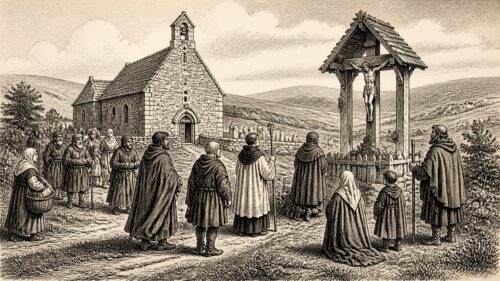
Annals for 1411 portray Ireland as a patchwork of competing lordships, where succession disputes, captivity and violence shaped political life. In Munster, heirs and rivals among the Ó Briains, FitzGeralds, Mac Cárthaighs and Ó Súilleabháins were killed, expelled, blinded or displaced. Ó Conchobhair Fáilghe captured Meath’s sheriff for ransom, illustrating frontier insecurity, while Ó Domhnaill imprisoned Mulmhaire Mac Suibhne amid internal complaints. Annaghdown monastery burned, and church land officers, an historian and Thomond’s master poet died. The annals also report that Raphoe’s crucifix bled and healed illnesses, a medieval miracle claim reflecting devotion, pilgrimage and hopes for relief amid instability.
Read Article
Archived: 21 October 2026
Abstract
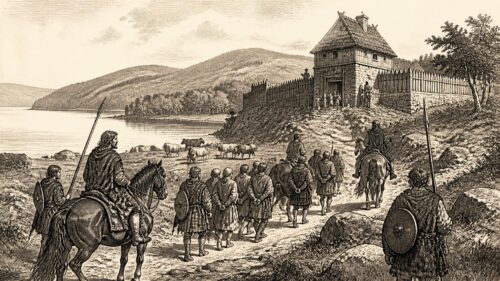
In 1410, Ireland’s political map was not a single kingdom directed from one capital but a field of overlapping lordships, kin-groups, towns and ecclesiastical territories. The year’s most striking recorded episode was the seizure of Domnall Ó Néill, lord of Tír Eógain, by Brian Mac Mathghamhna. Yet the annals also preserve a wider pattern: rulers and heirs dying, castles changing hands, cattle being driven away, a captive rival dying in Munster, and succession being managed amid danger. Taken together, these entries show how authority depended on personal alliances, control of strongpoints, inherited claims and the ability to reward followers.The surviving
Read Article
Archived: 21 October 2026
Abstract
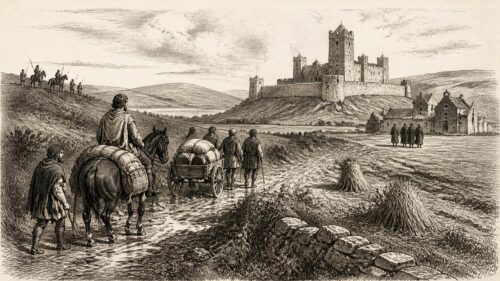
The most sharply dated Irish event of 1409 came in Connacht on the Monday after Michaelmas, the feast of St Michael on 29 September. A relieving force fought its way to the besieged castle of Roscommon with food and stores. The annalists regarded the operation as exceptionally daring. It was not a campaign of a unitary Irish kingdom, nor a clash simply between ‘Irish’ and ‘English’. It was a regional struggle among Gaelic dynasties and their allies, conducted around a formidable castle whose survival depended upon grain, supplies, mounted men and dependable political partnerships.Elsewhere, the year exposed the limited reach
Read Article
Archived: 21 October 2026
Abstract
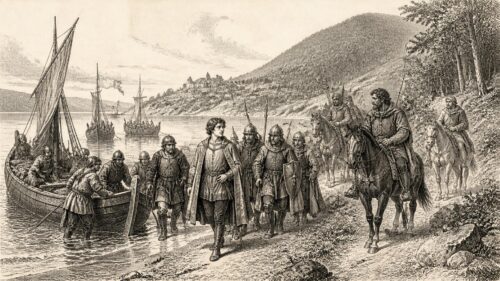
In 1408 Ireland’s political geography remained sharply divided. The English lordship was strongest in and around Dublin, yet its government depended on cooperation from magnates, towns and religious houses, and on money which was chronically scarce. Beyond and across its frontier, Gaelic and Gaelicised lordships pursued their own rivalries, raiding routes and alliances. The year is unusually well illuminated by several annalistic traditions, although they do not all record the same matters. Their entries show an island in which a royal prince could arrive with military purpose, while deaths, cattle-raids, local feuds and new castles continued to shape life far
Read Article

Archived: 21 October 2026
Abstract
In 1407, conflict, succession, learning and subsistence shaped Ireland’s localised political world. Tadhg Ó Cearbhaill of Éile was killed at Callan by Stephen le Scrope’s forces during wider Leinster–Munster struggles; annalists praised him as a leading military protector and patron of poets. In Connacht, rivals contested the kingship, and Cathal Ó Conchobair’s defeat at Cell Achaid brought captures and losses. Archbishop Muirchertach Ó Ceallaigh died at Tuam, remembered for wisdom, charity and learning. Northern captures, raids and internal violence exposed fragile alliances. Very bad weather and cattle losses damaged regional livelihoods, while warfare, church authority and cultural patronage remained intertwined.
Read Article
Archived: 21 October 2026
Abstract
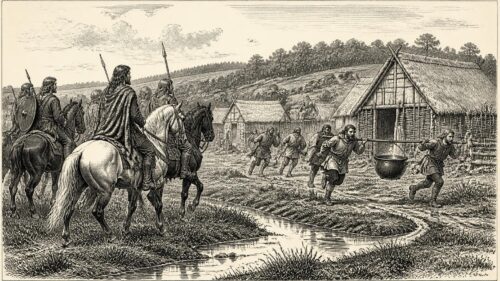
In 1406, Ireland’s fragmented political order was shaped by disease, warfare, ritual and succession. Plague killed several Leinster men eligible for lordship, potentially affecting dynastic calculations. In Offaly, Murchadh Ó Conchobhair Fáilghe defeated a mixed Meath, Connacht and mercenary force at Cluain Immorrais, inflicting heavy losses and capturing the prestigious Buacach Phádraig relic. In Connacht, Toirdhealbhach Óg Ó Conchobhair Donn, joint king for twenty-two years, was killed by rivals and Burke allies, prompting Cathal Ó Conchobhair Donn’s inauguration at Carnfree around year’s end. Dublin retained limited military and civic capacity, while elite deaths and monastic burials underscored lordship’s religious networks.
Read Article
Archived: 21 October 2026
Abstract
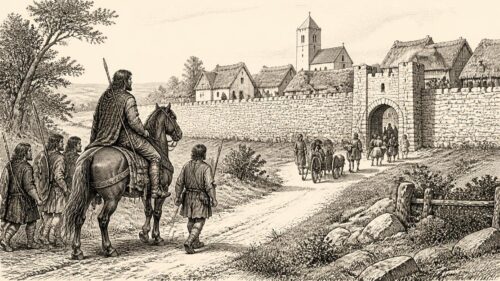
In 1405, Art Mór Mac Murchadha Caomhánach devastated County Wexford and burned Carlow and Tristledermot, demonstrating the vulnerability of English lordship towns and routes in Leinster. His campaign reflected conflicts over land, tribute, jurisdiction and authority, despite earlier interventions by Richard II. Government continued through appointments and James Butler, earl of Ormond’s deputyship, although his death added uncertainty. Elsewhere, warfare over dues in Moylurg killed Tadc Mac Diarmata and prompted succession. Annals also record local feuds, gallowglasses, learned men’s deaths, monastic burials and an early reference to uisce beatha. Ireland remained politically fragmented, culturally sophisticated and shaped by local power.
Read Article
Archived: 21 October 2026
Abstract
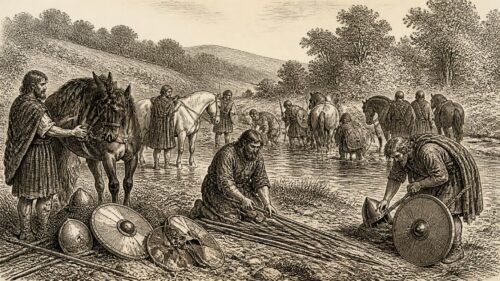
In 1404, Ireland remained politically fragmented between the English lordship, Anglo-Irish magnates and Gaelic rulers. At Blackford in Laigis, Gilla Pátraic Ó Mórdha defeated forces identified as English, capturing horses, weapons and armour. Connacht saw Mac Diarmata succession struggles, regional deaths and warfare, while Domnall Ó Néill claimed Ulster’s kingship amid continuing rivalry. Bishop Tomás Barrett died, Nicholas Fleming was appointed to Armagh, and widespread lectual sickness was reported. Maritime conflict occurred in Munster. The deaths of several ollamhs, or learned masters, highlighted the vulnerability of hereditary cultural institutions. Annals also record household figures, local violence and uncertain chronology throughout.
Read Article
Archived: 21 October 2026
Abstract
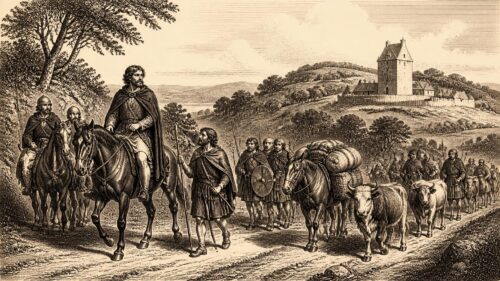
In 1403, Irish annals record shifting alliances, warfare and successions across Connacht, Breifne, Ulster and Munster. Muirchertach Baccach Ó Conchobair of Sligo joined Ó Conchobair Donn in a hosting through central Connacht, subduing Uí Maine and aiding Ulick de Burgh in Clanricarde, before dying that autumn. Uí Maine saw aristocratic deaths alongside killings. Breifne conflict brought deaths, captures and a Ó Raigillig ruler. Northern dynasties changed: Niall Ó Néill and his son died, while Oirgialla and Tyrone gained successors. Disputed annal dates complicate Ulster and Munster events. Records emphasise lordship, patronage, hospitality and religious prestige, while preserving fragmentary, partisan perspectives.
Read Article
Archived: 21 October 2026
Abstract
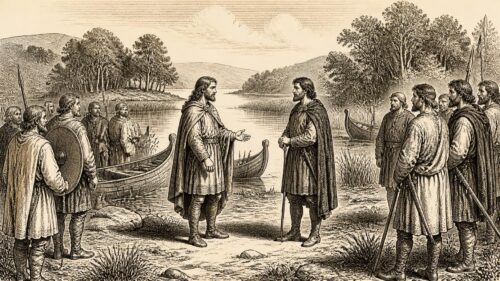
In 1402, Irish politics was characterised by negotiated, contested local authority rather than national unity. At Caol Uisce, Niall Óg Ó Néill of Tyrone made peace with Toirdelbach Ó Domhnaill of Tír Chonaill, whose submission acknowledged northern precedence without ending rivalry. In Connacht, Uilleag and Walter Burke became competing Mac Williams, illustrating divided Burke lordship and its links to Munster conflict. The killing of Louth sheriff John Dowdall and the bloody capture of Carraig Locha Cé exposed insecurity. Quin’s traditional Franciscan foundation reflected Gaelic patronage. Conflicting annal dates require caution, especially concerning Niall Óg’s death, which scholarship places in 1403.
Read Article
Archived: 21 October 2026
Abstract
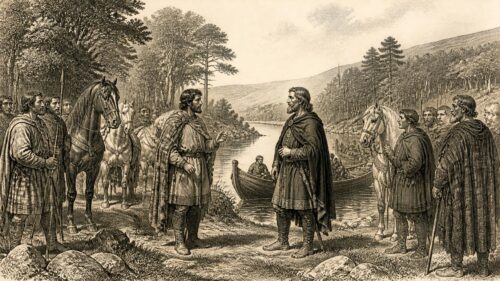
Ireland in 1401 was shaped by competing Gaelic, Anglo-Irish, ecclesiastical and Dublin-based authorities. In Connacht, Thomas Burke’s death produced rival Mac Williams, while Conchobar Anabaidh succeeded in Uí Maine and fighting engulfed Lough Key and Muintir Eolais. Leinster suffered reciprocal devastation between Art Mac Murchadha and Dublin’s forces, alongside a local western plague. Northern politics centred on a peace at Caol Uisce between Niall Óg Ó Néill and Toirdelbach Ó Domhnaill, though annals differ over its date and later violence exposed continuing dynastic tensions. Church and chancery institutions remained influential but geographically limited. The year revealed fragile, locally negotiated power.
Read Article
Archived: 21 October 2026
Abstract
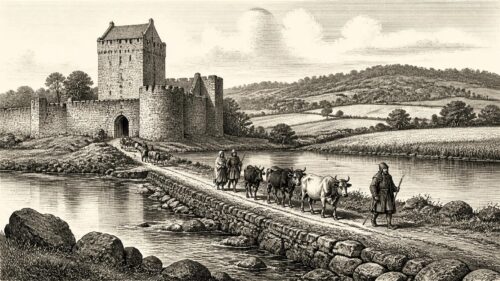
In 1400, Irish annals recorded the capture of Dunamon Castle in Connacht by Mac an Abaidh Ó Conchobair, the death of a Burke, and the release of an Ó Cellaigh captive. Nearby, Grigoir Ó Maelchonaire, a learned heir, was accidentally killed; 126 cows were paid in compensation. Warfare devastated grain and seized horses in Tír Chonaill, while feuds, expulsions and deaths unsettled Ulaid and Breifne. Annals also note uncertain English intervention. Around Longford, the Ó Fearghail foundation of a Dominican priory reflected regional patronage. Collectively, these records reveal competing lordships, cattle-based restitution, agricultural warfare, learned status and uneven English authority.
Read Article
Archived: 21 October 2026
Abstract
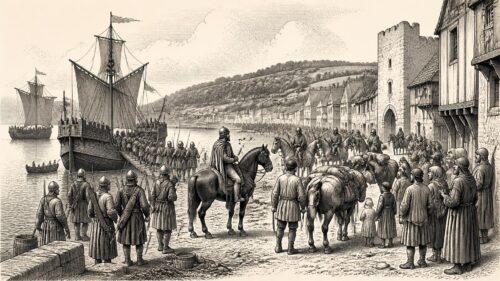
In 1399 Richard II landed at Waterford to subdue Art Mac Murchadha Caomhánach, whose Leinster forces avoided pitched battle, strained royal supplies and prevented a settlement. The expedition exposed the limited reach of English lordship beyond defended centres. While Richard campaigned, conflicts continued in Connacht and Ulster, and John fitz Gerald, earl of Desmond, drowned amid a Munster feud, leaving a minor heir. Annals note deaths of churchmen, rulers and Mac Egan legal scholars. Henry Bolingbroke's English invasion forced Richard’s July departure. Art remained unconquered, and Henry IV’s accession by September ended Richard’s reign, leaving Irish divisions and weakness unresolved.
Read Article

Archived: 21 October 2026
Abstract
In 1398, the political settlement imposed after Richard II’s first Irish expedition was visibly coming apart. The year’s most consequential firmly dated event was the death on 20 July of Roger Mortimer, earl of March and Ulster, the king’s lieutenant in Ireland. Mortimer was a major lord in his own right, an heir presumptive to the childless Richard II, and the Crown’s foremost military representative in Ireland. His death in a Leinster campaign exposed how limited English authority remained beyond the better-defended lordship towns and lordly estates. That did not make 1398 a simple national contest between ‘English’ and ‘Irish’.
Read Article
Archived: 21 October 2026
Abstract
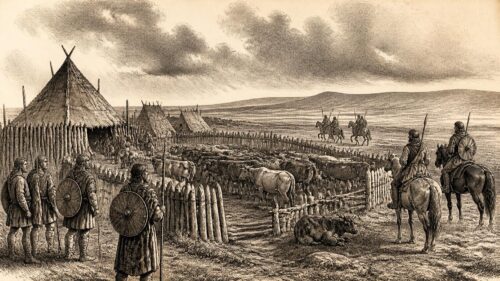
In 1397, Irish politics centred on rival lordships, notably Connacht’s struggle between Ó Conchobhair Donn and Ó Conchobhair Ruadh. Mac Donnchadha’s cattle-bearing camp at Cenn-eitigh was surprised and destroyed in mid-August, prompting retaliatory raids, new alliances and further gallowglass warfare. Conflict devastated crops, houses and herds amid summer food scarcity and a wet, destructive autumn. In Ulster, Niall Mór Ó Néill died and was succeeded by Niall Óg, who inherited continuing struggles. Roger Mortimer sought authority in Leinster and the midlands, building Finnea castle. Ecclesiastical deaths and journeys to Rome reflected enduring religious connections despite widespread instability across the island.
Read Article
Archived: 21 October 2026
Abstract
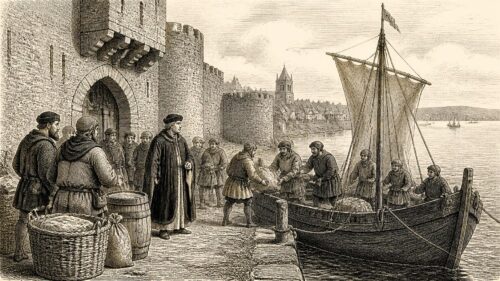
In 1396, Richard II’s charter granted Galway’s provost and burgesses annual election of a sovereign, restricted retail trade to resident burgesses, and extended Drogheda’s liberties, for £6 13s 4d. Building on 1395 murage, it strengthened defence, commerce and civic government, while preserving Roger Mortimer’s seigneurial rights. The charter reflected insecurity in Connacht, where rival dynasties raided, fought and burned Sligo, while O’Tooles defeated English forces in Leinster. Off Aran, Ó Máille raiders drowned when their plunder-laden ship sank. Church life saw Thomas Sparkford appointed to Waterford and Lismore, and scholar-herenagh Matthew Ó Luinín’s death, illustrating enduring ecclesiastical and learned traditions.
Read Article
Archived: 21 October 2026
Abstract
In 1395 Richard II sought to stabilise Ireland through military pressure, submissions and negotiated service from Gaelic and Anglo-Irish rulers. Art Mac Murchadha accepted loyalty, payment and recognition of inheritance, while Niall Ó Néill and others sought royal protection against rival claims. More than eighty nobles submitted, receiving pardons, offices and knighthoods, but important western and northern lords remained outside the settlement. Raids in Uí Fhailghe and Éile, conflict within the Ó Néills, and succession violence in Fermanagh demonstrated instability. Richard departed in May, leaving Mortimer as representative. Deaths, church burnings and lordships underscored that ceremony had not pacified Ireland.
Read Article

Archived: 21 October 2026
Abstract
In 1394 Richard II landed at Waterford with an expedition, the first reigning English king to visit Ireland since 1210. Seeking to strengthen the weakened lordship, he targeted Leinster, where Art MacMurrough challenged crown authority. MacMurrough burned New Ross, seizing wealth and hostages, while Ormond retaliated by ravaging Leinster. Richard travelled through Kilkenny to Dublin, obtaining meetings, pledges and uncertain submissions rather than decisive control. Parliament and counsel in Dublin underscored reliance on magnates, clergy and towns. Elsewhere, inter-lordship violence, clerical deaths, church destruction and rebuilding, and learned men’s killings revealed a fragmented society. Royal prestige rose, but conflict endured.
Read Article

Archived: 21 October 2026
Abstract
In 1393, Moylurg experienced a succession crisis after Aedh Mac Diarmata died and his son Cathal drowned. Maelruanaid Mac Diarmata gained the kingship with Tomaltach Mac Donnchada’s support, defeated Aedh’s sons near Loch Gara, and imprisoned rivals who later escaped. By summer, territorial division and captive exchanges produced a negotiated peace. Elsewhere, deaths among regional lords, clerics, scholars and craftsmen reflected interconnected political and cultural networks. Ferghal Mag Samradain’s death highlighted patronage of learned people. Ó Conchobair Fhailghe founded a Franciscan house at Cill Achaidh, while Richard Northalis became chancellor, pursuing concealed royal debts, revealing diverse local authority across Ireland.
Read Article

Archived: 21 October 2026
Abstract
In 1392, Ireland experienced local warfare, succession disputes and notable deaths rather than an island-wide turning point. Niall Ó Néill of Tír Eógain led a major expedition against the English around Dundalk, achieving temporary mastery. Northern tensions intensified after Henry Aimhreidh Ó Néill’s death and the capture of his son by Toirdelbach Ó Domhnaill. In Connacht, Ó Conchobair Donn’s army burned Uí Maine, revealing fractured regional alliances. Deaths of Archbishop Grigair Ó Mocháin, the countess of Desmond and other nobles highlighted ecclesiastical and aristocratic networks. English administration remained uncertain as Thomas of Woodstock’s lieutenancy failed and Roger Mortimer was appointed.
Read Article




