Archived: 24 October 2026
Abstract
In 1305, Ireland experienced interconnected local conflicts amid divided Gaelic and Anglo-Irish lordships. Piers de Bermingham treacherously killed Muirchertach Ó Conchobair Fhailghe, his brother and leading followers at Carbury Castle, exposing fragility of frontier agreements. Áed Ó Conchobair’s forces defeated Muintir Raighilligh, causing heavy losses, while warfare and killings disturbed Leinster, Desmond and Breifne. Annals also noted early-summer hardship, without specifying its cause. Richard de Burgh built Northburgh Castle on Lough Foyle, strengthening Ulster influence. Meanwhile, royal administration continued through payments, legal inquiries and ecclesiastical property regulation, illustrating Ireland’s patchwork of competing powers across towns, lordships, churches, and royal jurisdictions.
Read Article

Archived: 24 October 2026
Abstract
In 1304, Dublin suffered an accidental fire that destroyed St Mary’s Abbey, the Dominican house and much of the city, disrupting religious, commercial and administrative life. Chancery rolls covering 1291–1300 were lost, deepening later gaps in Ireland’s records. Justiciar John Wogan struggled to secure Athlone while Irish resources supported Edward I’s Scottish war. Richard de Burgh served in Scotland, but his wife and heir Walter died, altering succession. In Bréifne, Matha Ó Raighilligh was killed with his gallóglaigh, exposing volatile regional lordship. These events reveal interconnected vulnerabilities across medieval Ireland, though evidence offers little detail about ordinary people’s lives directly.
Read Article

Archived: 24 October 2026
Abstract
In 1303, Ireland contributed significantly to Edward I's Scottish campaign under Richard de Burgh, earl of Ulster, who led an estimated 3,000 Gaelic and Anglo-Irish troops. Their service demonstrated cross-channel aristocratic connections and required continued Irish administration, including replacement of absent officials and financial management. In Tír Conaill, Áed Ó Domnaill killed his brother Toirrdelbach after prolonged conflict, becoming lord amid widespread devastation. Church leadership also changed: Archbishop Nicholas Mac Maoil Íosa of Armagh and Bishop Máel Sechlainn Mac Briain of Elphin died, prompting succession processes. Despite uncertain annalistic dating, records portray Ireland as politically divided yet engaged with Britain.
Read Article
Archived: 24 October 2026
Abstract
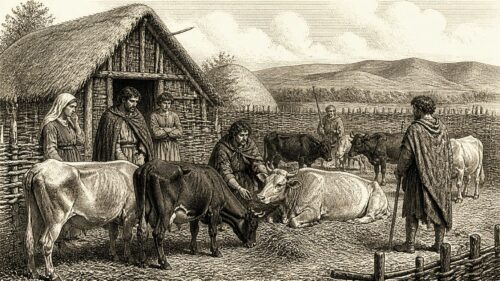
In 1302, Ireland experienced political change, conflict and widespread cattle mortality. Domnall Ruad Mac Carthaig, king of Desmond, died in February after a long reign and was succeeded by his son, Domnall Óc. His Franciscan burial at Cork reflected both dynastic status and penitential religious culture. Donn Carrach Mag Uidir of Fermanagh, several prospective heirs, and leading churchmen also died, creating important vacancies. Raids in Mag Céidne demonstrated continuing competition among Connacht elites. Annals described severe disease among cattle throughout Ireland, threatening rural wealth, food supplies, tribute and lordly power. Chronological differences between sources require caution over some associated events.
Read Article
Archived: 24 October 2026
Abstract
In 1301, Irish annals recorded local conflict, religious deaths and Ireland’s involvement in Edward I’s Scottish campaign. Áed Ó Conchobair and Clann Muirchertaigh raided Mag Cétne, while killings among Muintir Chionaoith and Uí Máel Sechlainn exposed dynastic rivalries. The deaths of Gilla Íosa Mac Fir Bisig, an eminent ollam, Abbess Finnguala of Kilcreevanty, priest Matha Mac Raith and steward Cathal Ó Máel Dúin illuminate Gaelic learning, ecclesiastical leadership and royal administration. Anglo-Irish magnates and forces served in Scotland from late July to November, although the earl of Ulster stayed behind. These fragmentary records reveal interconnected Gaelic and English political worlds.
Read Article

Archived: 24 October 2026
Abstract
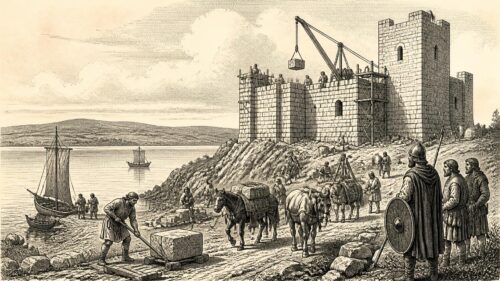
In 1300, construction began at Ballymote Castle in County Sligo, probably under Richard de Burgh, the Red Earl of Ulster and lord of Connacht. The fortress signalled and supported de Burgh influence in contested Corran, though Gaelic and settler powers remained varied and interconnected. Annalistic notices associate deaths in the earl’s household with this period, highlighting succession’s importance, but dating is uncertain. Meanwhile, justiciar John Wogan ordered provisions from Irish ports for Edward I’s Scottish war. Castle-building, royal requisitioning, trade, labour, religious institutions, and local violence reveal Ireland as a politically fragmented yet increasingly interconnected island within wider overseas affairs.
Read Article

Archived: 24 October 2026
Abstract
In 1299, Ireland saw dispersed developments rather than a single national event. Theobald Butler died childless at Turvey, passing his office and lands to Edmund. John Wogan’s government relied on Richard de Burgh as deputy justiciar during his Scottish absence, following settlement of magnate conflict. Edward I protected the Curragh’s pasture by banning swine. In Annaly, Sefraid Ó Fearghail killed Meath knight Seoán de la Mare during a livestock pursuit, illustrating frontier tensions. Irish annals also noted Scottish conflict and Bishop Muiris Ó hÓcáin’s death. Misdated annalistic entries concerning Armagh and Tír Chonaill properly belong to 1303, not 1299 itself.
Read Article
Archived: 24 October 2026
Abstract
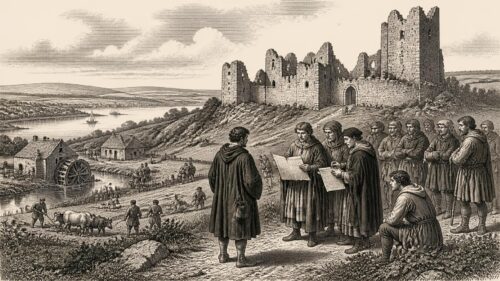
In 1298, Irish records reveal fragmented yet connected authority. Brian Bregach Mag Samradain, chief of Tullyhaw, was killed at Coologe, illustrating violent dynastic politics in Breifne. Thomas fitz Maurice FitzGerald, the Crooked Heir, died, prompting valuations of his extensive but unevenly productive estates, including decayed Dungarvan Castle and its active market economy. Dublin government supplied Edward I’s Scottish war while maintaining administration through officials and inquiries. Deaths and appointments among bishops and abbots underline ecclesiastical influence. Conflicting reports of Domnall Ruad Mac Carthaig’s death demonstrate the need to compare annals. The year exposes power’s local, negotiated and fragile political character.
Read Article

Archived: 24 October 2026
Abstract
In 1297, John Wogan’s Dublin parliament introduced elected knightly representatives from counties and liberties of the English lordship, seeking consent for measures on defence, policing, road clearance and collective military contributions. It also advanced royal administration through the creation of counties Kildare and Meath, while preserving powerful private liberties. These reforms responded to persistent insecurity: Slieve Margy forces burned Leighlin, while leading Orior figures were killed near Dundalk. Elsewhere, annals recorded the deaths of Moylurg’s lord, chiefs and bishops, and disputes over Elphin. Edward I’s wars constrained affairs. The year revealed authority as selective, contested and dependent on local institutions.
Read Article
Archived: 24 October 2026
Abstract
In 1296, Connacht suffered a violent Ó Conchobair succession struggle. Áed son of Eógan was deposed for Conchobar Ruad, whose supporters seized hostages and ravaged Cairbre, including churches. Backed by Uilliam and Theobald Burke, Áed assembled at Boyle Abbey, plundering grain and livestock, before alliances shifted again. Conchobar was killed at Cend Ceti, restoring Áed; his rival’s son was later blinded. Ecclesiastical deaths and burials stressed Boyle and Ballintober’s importance. Meanwhile, Irish magnates and troops joined Edward I’s Scottish invasion, criticised by annalists for sacrilege. Reports of weather and cattle disease illustrate insecurity surrounding food, livestock, lordship and religious institutions.
Read Article
Archived: 24 October 2026
Abstract
In 1295, Ireland remained divided among Anglo-Irish lordships, Gaelic kingdoms and church lands, where authority depended on negotiation, hostages and armed force. At Kilkenny, Richard de Burgh, the Red Earl, was released after hostages guaranteed a settlement with John fitz Thomas FitzGerald. Thomas fitz Maurice, acting as royal keeper, secured temporary submissions from Wicklow groups through fines and hostages. John Wogan became justiciar, tasked with preparing Irish resources for Edward I’s Scottish war. Annals also record dynastic killings, contested successions, plunder and expulsions in northern and southern regions, revealing persistent regional conflict despite royal efforts to restore order and stability.
Read Article

Archived: 24 October 2026
Abstract
In 1294 Richard de Burgh, the Red Earl of Ulster and lord of Connacht, was captured by John fitz Thomas FitzGerald and imprisoned at Lea Castle, intensifying a wider struggle for power in Connacht. Sligo Castle was destroyed amid rival campaigns, while killings, raids and disputed successions destabilised Gaelic lordships. FitzGerald and de Bermingham forces devastated Connacht but failed to secure lasting control. Deaths and successions affected regional dynasties, ecclesiastical offices and political marriages. Bad weather and harvest failure began a three-year dearth, compounded by warfare. Property transactions continued, revealing authority divided among crown, magnates, kings, chiefs and local institutions.
Read Article

Archived: 24 October 2026
Abstract
In 1293, Ireland experienced interconnected political, administrative and religious upheavals. In Connacht, Magnus Ó Conchobair’s death triggered rapid changes of kingship, as Áed mac Eógain, Cathal Ruad and Anglo-Irish interests contested authority. Violence destabilised Moylurg and claimed several regional rulers. William de Vesci’s rivalry with John fitz Thomas FitzGerald prompted Edward I to restrain military mobilisation, reform sheriffs’ accountability and investigate the justiciar. At Saul, Nicholas Mac Máel Ísu enshrined reported relics of Patrick, Columba and Brigid, reinforcing ecclesiastical prestige. Episcopal deaths and contested elections linked Irish churches to royal administration, monasteries and Rome, revealing overlapping, insecure jurisdictions across Ireland.
Read Article
Archived: 24 October 2026
Abstract
In 1292, Richard de Burgh, earl of Ulster and lord of Connacht, sought to enforce authority through campaigning, negotiation and violence. His advance to Roscommon failed to secure hostages from Magnus Ó Conchobair, but Magnus later submitted at Meelick and gained concessions. De Burgh’s raid on Leyney devastated resources without securing Domnall Ó hEgra’s obedience, while Mac Cochlain of Delvin was killed on his orders. Dynastic deaths further unsettled Connacht. In the south, Edward I settled Thomas fitz Maurice FitzGerald’s inheritance, regranting Decies, Desmond and Dungarvan under revised terms. These events exposed Crown authority’s dependence on continually unstable local agreements.
Read Article
Archived: 24 October 2026
Abstract
In 1291 Ireland’s most consequential recorded developments lay in the north and west: the campaigning of Richard de Burgh, earl of Ulster, known to later history as the Red Earl; disputed kingships among the Ó Néill, Ó Domnaill and Ó Conchobair; and a sharp Connacht struggle centred on the weir at Collooney. These events are principally preserved in Irish annals, which organise material by year but do not normally supply dates or a dependable sequence within the year. The campaigns and battles described below can therefore be responsibly assigned to 1291, while their precise seasons and order cannot. Royal administrative
Read Article
Archived: 24 October 2026
Abstract
In 1290, Irish politics saw several local struggles for authority. Cairbre Ó Máelsechlainn, king of Meath, was treacherously killed by Mac Cochlain and the Delbhna amid overlapping Gaelic and colonial lordships. Domnall Ó Néill expelled Niall Ó Néill and seized Tír Eógain, while Toirdelbach Ó Domhnaill, supported by maternal kin and galloglasses, deposed his brother Áed in Tír Chonaill. William Mac Fheorais assumed effective possession of Tuam’s archbishopric, and Kilmacduagh’s bishop died. Edward I appointed William de Vesci justiciar; he arrived in Ireland, combining royal office with Kildare lordship. A Carmelite friary at Kildare was plausibly founded about this time.
Read Article
Archived: 24 October 2026
Abstract
In 1289, Ireland’s overlapping lordships were tested by warfare, alliance and royal intervention. Richard Tuite led Meath settlers and Connacht’s king Maghnus against Uí Máel Sechlainn, but was killed when their coalition lost at Crois-Shliabh. Fiachra Ó Flainn was murdered while seeking a marriage alliance with settlers, while Mac Muiris and Mac Feorais suffered defeat against Leinster princes, losing Meyler de Exeter, horses and spoils. John fitz Thomas FitzGerald secured Peter Bermingham’s lifetime military service. Archbishop John of Sandford, keeper of Ireland, campaigned in Laois, enforcing the king’s peace. Annalistic deaths also reveal active ecclesiastical and learned institutions amid instability.
Read Article
Archived: 24 October 2026
Abstract
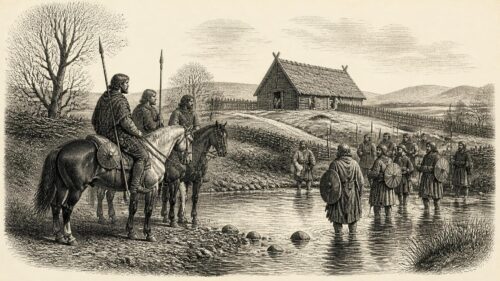
In 1288 Magnus Ó Conchobair seized Connacht after defeating and capturing his brother Cathal at Bellaslishen, a strategic ford near Roscommon. His victory brought plundering, but winter attacks at Ros Mór wounded him and exposed continuing resistance. Recovering, he took hostages in Síl Muiredaig to enforce obedience. Richard de Burgh, Red Earl of Ulster and lord of Connacht, advanced to Roscommon but withdrew amid opposition, although sources dispute subsequent terms. Stephen de Fulbourn, archbishop of Tuam and justiciar, died, prompting William de Bermingham's election. Changes in church and chancery office reflected contested authority among Gaelic rulers, magnates and royal administration.
Read Article

Archived: 24 October 2026
Abstract
1287 in Ireland was marked by succession, local violence and deaths without island-wide upheaval. Thomas de Clare, lord of Thomond, died on 29 August, leaving his six-year-old heir Gilbert and placing lands under wardship. His death altered but did not end contested power around the Shannon; Toirrdelbach Ó Briain later raided Ormond and Limerick. In Connacht, Diarmait Midech Mac Diarmata and Gilla na nÉc Ó Mannacháin died alongside lesser rulers and clerics. Archdeacon Florint Ó Gibealláin was praised for learning. Máel Sechlainn Mag Oirechtaig was killed in revenge for broken loyalty. Misdated de Burgh campaigns belong to 1291, not 1287.
Read Article

Archived: 24 October 2026
Abstract
A year recorded through a single campaign The surviving Irish annals make 1286 look, at first sight, like a year dominated by one extraordinary movement of armed power. Their central notice is a mórshluaiged, or great hosting, led by the Earl of Ulster into Connacht. The earl was Richard de Burgh, later famous as the Red Earl: lord of Connacht through his inheritance and one of the greatest magnates in the English lordship of Ireland. Yet the evidence must be handled closely. No source supplies a day, a route, a battle-site, a list of troops or a full explanation for
Read Article
Archived: 24 October 2026
Abstract
In 1285, records from Connacht and Bréifne depict contested local power rather than a national crisis. Magnus Ó Conchobair defeated Adam Cusack’s settler force at Ballysadare, killing many and capturing Colin Cusack, but Pilib Mac Gosdelb soon routed Magnus’s followers at Sliabh Gamh, with heavy losses among lesser levies. Ruaidrí Ó Gádra, king of Sliabh Lugha, was killed by Mac Feorais near Lough O’Gara. Simon Ó Ruairc, bishop of Bréifne, died, as did Alis, daughter of Cormac, and Enri Mac Gilla Finnein. Annals emphasise fluid alliances, strategic routes, hostage-taking, and precarious lordship, while warning against chronologically misplaced later annalistic entries.
Read Article

Archived: 24 October 2026
Abstract
In 1284, Irish politics was shaped by local conflict, succession and contested lordship rather than an island-wide crisis. In Thomond, Toirdelbach Ó Briain killed his rival Donnchad, strengthening his position and troubling Thomas de Clare’s Bunratty lordship. In Connacht, Simon d’Exeter’s death provoked raids, while losses suffered by Holy Trinity Island and Boyle Abbey were repaid; Fiachra Ó Flainn burned Dunmore. King Cathal mac Conchobair Ruaid demolished Kilcolman Castle, challenging fortified authority. Elphin saw rapid episcopal changes after two deaths. Killings of northern chiefs further demonstrate fragile regional power, where kinship, churches, compensation and strongholds shaped political control across Ireland.
Read Article
Archived: 24 October 2026
Abstract
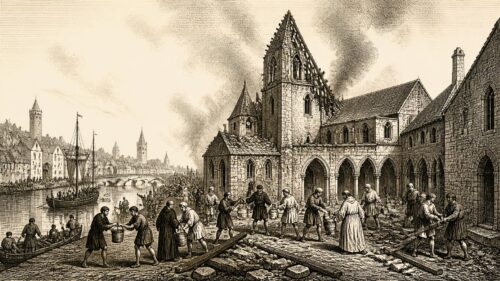
In 1283, Áed Buidhe Ó Néill, king of Tír Eógain, was killed by rivals from Airgíalla and Breifne, destabilising northern politics and encouraging a contested succession. In Connacht, the wounding and death of Tadc Ó Conchobair illustrated dynastic rivalry and the political value of custody. Domnall Ruad Mac Carthaig of Desmond countered a plot with support from prominent Anglo-Irish lords, securing a negotiated settlement involving livestock. Dublin and Christ Church suffered a serious fire, exposing urban vulnerability. Together, these events reveal Ireland as a network of competing lordships, temporary alliances, ecclesiastical institutions, commerce, violence and negotiation across the whole island.
Read Article
Archived: 24 October 2026
Abstract
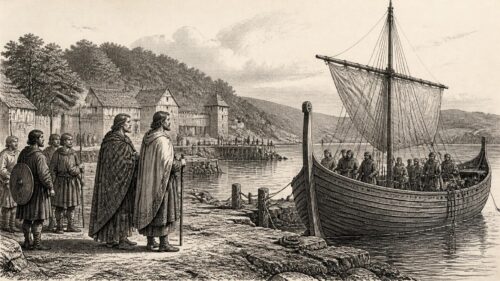
In 1282, Muirchertach Mac Murchada, king of Leinster, and his brother Art were murdered at Arklow on 21 July while travelling under safe conduct to meet Roger Bigod in England. Evidence links the killing to justiciar Stephen de Fulbourn’s frontier policy, exposing the insecurity of agreements between Gaelic rulers and royal government. Their deaths temporarily weakened Leinster unrest but did not end contested lordship. Annals also record Taichlech Ó Dubhda’s killing, Lasarfina Ó Conchobair’s death, chieftaincies changing hands, and prolonged winter snow. These events reveal Gaelic, Anglo-Irish and royal worlds, while annalistic dating cautions against assigning uncertain conflicts to 1282.
Read Article
Archived: 24 October 2026
Abstract
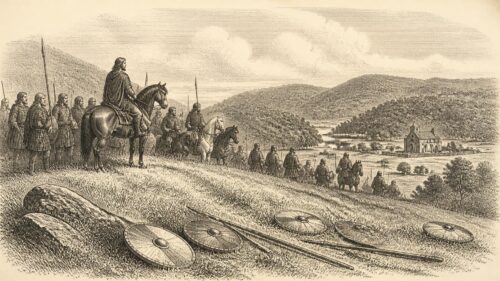
In 1281, Domhnall Óg Ó Domhnaill of Tír Conaill was defeated and killed at Disert-da-chrioch by Áed Buide Ó Néill’s forces, supported by the English of Ulster, devastating his wider political coalition. His son Áed succeeded him. Connacht saw fighting between the Barretts and Cusacks, while Tadhg Mac Diarmada of Moylurg died. In Thomond, rival Ó Briain factions accepted division and Thomas de Clare’s overlordship, enabling relative peace and Quin Castle’s completion. Richard de Burgh assumed Ulster and Connacht. Dublin strengthened administration under Stephen de Fulbourn, reopened its mint, and established one at Waterford, expanding royal revenue and fiscal capacity.
Read Article
Archived: 25 October 2026
Abstract
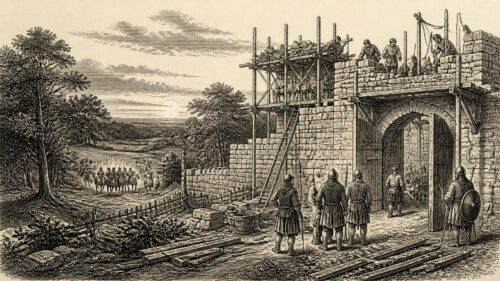
In 1280 Ireland saw conflicts exposing authority. In Thomond, Thomas de Clare’s attempt to establish a castle at Cuinche, near Quin, was devastated by a night attack led by Tairdelbach and Domnall Ó Briain; de Clare escaped to Bunratty, though Quin was completed later. In Connacht, Áed Muimhnech Ó Conchobair was killed during dynastic struggle, and Cathal Ó Conchobair gained kingship. Máel Sechlainn Ó Conchobair was ransomed for 400 cattle and 20 horses, illustrating livestock’s political value. Annals noted deaths of churchmen and Desmond barons. Together, these events reveal contested lordship, resilient Gaelic power, dynastic rivalry, and embedded religious institutions.
Read Article
Archived: 25 October 2026
Abstract
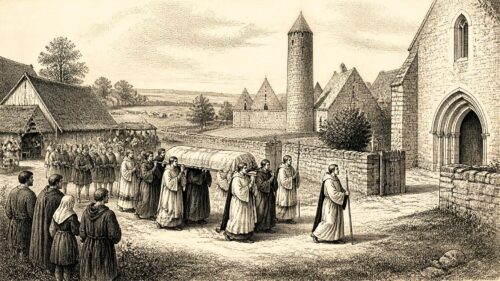
In 1279, Ireland’s fragmented political and religious worlds were marked by leadership changes, local violence and expanding lordly authority. Archbishop Tomaltach Ó Conchobair of Tuam died after two decades in office, while killings among Connacht kindreds exposed persistent dynastic rivalry. Robert of Ufford’s administration strengthened castles at Roscommon, Rindown and Athlone, increasing demands upon surrounding communities and anticipating monetary reform. In Thomond, Thomas de Clare pursued settlement and castle-building at Quin amid Ó Briain resistance and continued campaigning. Elsewhere, aristocratic penitential burial, monastic patronage, learned tradition and a Tipperary land lease demonstrate ecclesiastical, cultural and agricultural life alongside conflict daily.
Read Article
Archived: 25 October 2026
Abstract
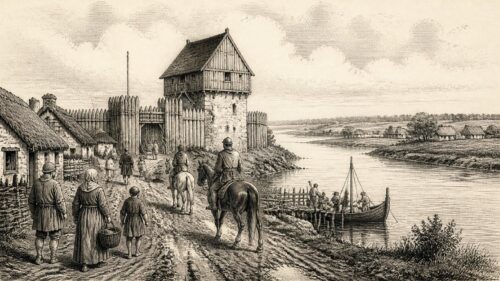
In 1278, Thomas de Clare’s ambitious lordship of Thomond provoked sustained conflict. On 11 May, he executed the displaced king Brian Ruad Ó Briain at Bunratty, allegedly with assistance from Brian’s captains. Brian’s son Donnchad later defeated de Clare’s forces at Quin, where a church was burned and many died. Connacht suffered violent succession struggles: King Tadc Ó Conchobair was killed, followed by further dynastic murders and Áed Muimnech’s contested accession. Violent deaths also affected regional rulers. Bishop Thomas Ó Cuinn died, while Cashel’s archbishop visited England. These events revealed authority’s dependence on alliances, hostages, resources and force across Ireland.
Read Article

Archived: 25 October 2026
Abstract
In 1277, authority in Ireland was contested through dynastic rivalry, warfare, castles and law. In Thomond, Brian Ruad Ó Briain allied with Thomas de Clare, holder of Edward I’s grant to Thomond, against his nephew Toirrdelbach. Defeated, Brian sought refuge at Bunratty but was seized and executed on de Clare’s orders. In Connacht, Irish forces led by an Ó Conchobair and Domnall Ó Domnaill demolished Roscommon Castle, challenging royal control. Irish people reportedly offered 7,000 marks for English common law, seeking legal protections. The year also recorded ecclesiastical continuity and local raiding, illustrating Ireland’s plural, unstable political order throughout society.
Read Article
Archived: 25 October 2026
Abstract
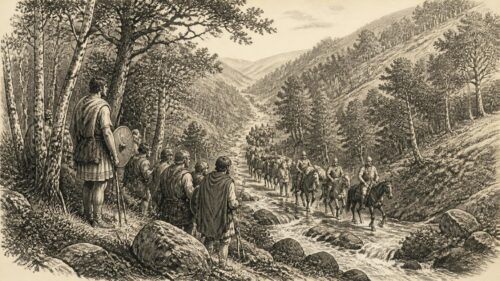
In 1276, Ireland remained politically fragmented, with English lordship dependent on local power, finance and force. In Connacht, rivalry between Tadc Ó Conchobair and Áed Muimnech produced alliances, burnings, cattle raids, recoveries and deaths, affecting wider lordly communities. In Wicklow, Geoffrey de Geneville’s expedition was defeated at Glenmalure by Art Mac Murchada, Gearóid Ó Broin and allies, demonstrating mountain resistance to Dublin’s authority. Edward I replaced Geneville with Robert de Ufford, whose government sought firmer control through administration, military spending and fortifications at Rindoon and Athlone. Possible Irish interest in English common law also exposed law as a negotiable privilege.
Read Article





