Archived: 22 October 2026
Abstract
In 1365, Niall Ó Néill, newly king of Tír Eógain, led a coalition into Oriel, besieging Brian Mac Mathghamhna before an unauthorised assault shattered the settlement and killed allies. Dynastic contention also reshaped Connacht, Magh Luirg and East Bréifne, where deaths, accessions, warfare and Cú Chonnacht Ó Raghallaigh’s religious retirement altered lordship. Raids on border communities demonstrated the human cost of rivalry. Ecclesiastical leaders and learned travellers remained active across Irish Sea networks. In the English lordship, Lionel of Antwerp briefly returned England, while Thomond’s rulers submitted diplomatically. The year reveals authority as negotiated through warfare, kinship, religion and accommodation.
Read Article
Archived: 22 October 2026
Abstract
In 1364, Ireland experienced interconnected transitions rather than a single crisis. Aodh Reamhar Ó Néill, influential king of Tír Eoghain, died and was succeeded by Niall Mór, whose position rested on dynastic support and military power. Diarmait Ó Briain of Thomond and several regional lords, heirs, women and learned figures also died, altering local networks. Lionel of Antwerp campaigned in Laois before returning to England; James Butler of Ormond governed temporarily amid tensions between English-born and Irish-born settlers. Annals, some uncertainly dated, record raids, alliances and mercenary warfare in western regions, revealing power sustained through lordship, kinship, resources and learning.
Read Article

Archived: 22 October 2026
Abstract
In 1363, Ireland comprised overlapping political worlds rather than a unified realm. Lionel of Antwerp, Edward III’s lieutenant, received English money, troops and lordship revenues to sustain royal authority, while regulation of purveyance and weights addressed administrative abuses. Dublin remained crucial: Lionel granted civic liberties on 26 September, confirmed by Edward in November, strengthening the Guildhall’s jurisdiction and commercial governance. Elsewhere, annals recorded deaths of Magnus Ó Domhnaill and Áed Mag Uidir, killings, captivity and inter-kindred conflict in Connacht and neighbouring regions. A severe windstorm damaged churches and houses and sank vessels, disrupting communities, trade and transport networks across waterways.
Read Article
Archived: 22 October 2026
Abstract
In 1362, Ireland was divided among competing Gaelic and English authorities. Cathal Óg Ó Conchobair and King Aodh of Connacht captured Ballintober Castle, an important former de Burgh stronghold, then led a major raid into Meath, burning churches and causing extensive damage before returning safely. Meanwhile, Lionel of Antwerp held parliament in Dublin, oversaw administration, including the exchequer’s move to Carlow, and received the title duke of Clarence. Cathal Óg later died of plague at Sligo. Annals also recorded deaths among churchmen and learned families, revealing continuing religious, legal and scholarly institutions amid warfare, epidemic and unstable regional power relations.
Read Article

Archived: 22 October 2026
Abstract
In 1361, Lionel of Antwerp, Edward III’s son and earl of Ulster, arrived in Ireland as royal lieutenant with troops to reinforce the threatened English lordship. Landing at Dublin in September, he campaigned in Leinster, where Gaelic rulers remained powerful. Irish annals recorded the deceptive seizure and subsequent custodial deaths of Art Mac Murchadha and Domnall Riabach, though details remain uncertain. Lionel transferred the Exchequer to fortified Carlow, creating a forward administrative and financial base without displacing Dublin’s importance. Meanwhile, the widespread epidemic Cluiche an Rí, probably pestis secunda, intensified economic and military pressures, demonstrating the limitations of royal intervention.
Read Article

Archived: 23 October 2026
Abstract
For Ireland, 1360 is remembered most clearly through a stark cluster of fires. The Annals of Connacht record “great burnings” at Roscommon, Devenish, Sligo, the monastery of Lisgoole, Fenagh and Drumlease. The entry gives no date within the year, no named commander and no narrative explaining whether these were connected attacks, separate raids, or destruction arising from several local conflicts. That silence matters. It would be unsafe to turn the notice into a single, neatly organised campaign. Yet its geographical reach, from Connacht into Fermanagh and the north-west, makes it an unusually vivid indication of insecurity in a year otherwise
Read Article

Archived: 23 October 2026
Abstract
In 1359 Cathal Óg Ó Conchobair defeated Cenél Conaill at Ballyshannon, capturing leading men and extending warfare into Tír Chonaill. The battle affected regional lordly networks across Connacht, Donegal and Breifne; the wounded claimant Matha Mag Samradháin later died. Ransom negotiations linked the victory to the transfer of Lebor na hUidre and Leabhar Gearr, demonstrating manuscripts’ political and learned value. In Desmond, Cormac Mac Carthaigh Mór died during a siege, succeeded by Domhnall Óg. Other deaths highlighted contested succession, while eminent judge Aed Mac Aedacáin’s death marked legal learning’s importance. James Butler became chief governor, reflecting Ireland’s divided political authority.
Read Article
Archived: 23 October 2026
Abstract
In 1358, Edward III protected masters, scholars and clerks travelling to Dublin, reinforcing the university associated with St Patrick’s Cathedral. The petition exposed poverty, hazardous sea crossings and inadequate educational resources. Annals recorded fragmented politics: Áed Ó Néill defeated Airgialla and Fermanagh forces; Ó Mórdha overcame men identified with Dublin in Leinster; and Clann Cathmhaoil killed Manus Maguire. Bishop Brian Mac Cathmhaoil and Gaelic rulers also died. A Carbury hailstorm illustrated environmental uncertainty, while disease reports cannot be precisely dated. Together, these events reveal contested authority alongside continuing learning, religious institutions, warfare and local seasonal vulnerability across late medieval Ireland.
Read Article
Archived: 23 October 2026
Abstract
In 1357, Ireland’s surviving records reveal overlapping worlds rather than national unity. Art Mór Mac Murchadha Caomhánach was born amid unstable Leinster alliances linking Gaelic rulers, settler lordships and Dublin government. Royal administration issued commissions and relied on magnates, notably Maurice FitzGerald, Earl of Kildare, whose military resources supported authority. Annals record deaths of rulers, an earl drowned during a crossing, executions, killings and a peace, illustrating contested lordship. They also commemorate scholars, clerics and musicians. An English chronicler reported renewed pestilence devastating Gaelic communities, though its scale remains uncertain. Ireland combined political fragmentation, cultural networks, negotiation, violence and mortality.
Read Article
Archived: 23 October 2026
Abstract
In 1356, Áed son of Toirrdelbach Ó Conchobair was killed at Baile Locha Deacair after allegedly abducting Donnchad Carrach Ó Cellaig’s wife, prompting allied retaliation by Ó Cellaig, Clann an Bhaird and Uí Maine. Áed son of Feidlim claimed full kingship of contested Connacht amid further dynastic deaths. Killings and successions elsewhere, including Tír Chonaill, reflected fragmented lordship. In Dublin, Justiciar Maurice fitz Thomas FitzGerald died, and Gearoidín Tyrrell was publicly executed. The deaths of Armagh’s primate, Clogher’s bishop and relic-keeper Solam Ó Melláin marked ecclesiastical losses. Sources document political violence but cannot establish precise circumstances or wider economic conditions.
Read Article
Archived: 23 October 2026
Abstract
In 1355 Edward III appointed Maurice fitz Thomas FitzGerald, first earl of Desmond, justiciar of Ireland, and he began serving in August. His restoration after earlier conflict with the crown demonstrated royal dependence on powerful Anglo-Irish magnates. Dublin’s institutions could not control a politically fragmented island, where Gaelic and Anglo-Irish lordships exercised overlapping authority. Plague’s recent effects worsened economic and military pressures. Annal-dated reports describe killings, successions and retaliatory warfare in Bréifne, Annaly, Muintir Eolais and Connacht, alongside ecclesiastical and legal continuity. Desmond’s appointment was firmly dated, but annal chronology requires caution. Governance relied on negotiated regional, often violent power.
Read Article
Archived: 23 October 2026
Abstract
In 1354, Ireland experienced executions, warfare, dynastic killings, deaths and administrative inquiry amid the aftermath of plague. Annals recorded Mac Murchada’s execution by the Galls, followed by wider conflict, while Clann Aedha Buidhe and Dundalk’s Galls heavily defeated Aodh Ó Néill. Local struggles killed rulers in Laois and Connacht, although Domhnall Ó Dubhda succeeded his father in Uí Fhiachrach. Bishops and learned ollamhs also died. Justiciar Thomas de Rokeby governed through courts and inquiries, including valuation of the Pembroke estates at Wexford. Tenant complaints of poverty and high prices reveal hardship. The year demonstrates fragmented authority, cross-community alliances and insecurity.
Read Article
Archived: 23 October 2026
Abstract
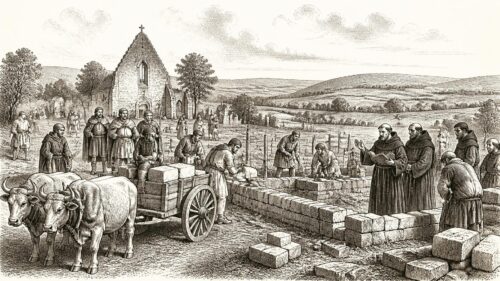
Medieval Ireland in 1353 appears through diverse, sometimes conflicting records. The Four Masters date William Buí Ó Ceallaigh’s Franciscan foundation at Kilconnell to this year, although Franciscan tradition proposes 1414 and surviving fabric reflects later patronage. The friary linked Gaelic lordship, Latin Christianity and local social life. Annals record Áed Ó Conchobair’s deposition in Connacht, other dynastic deaths and killings across the midlands and Ulster, while differing chronologies complicate dating. Pope Innocent VI reportedly settled Armagh and Dublin’s primacy dispute. Youghal received trading privileges in England and Wales. Together, these notices reveal politically fragmented yet religiously and commercially interconnected Ireland.
Read Article
Archived: 23 October 2026
Abstract
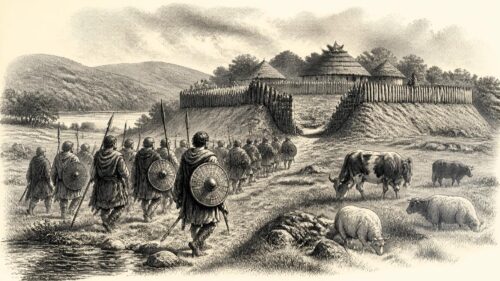
In 1352, annals from Connacht and later Four Masters record violent contests for lordship across Connacht, Breifne and Tír Chonaill. Aodh mac Toirdelbach Ó Conchobair forcibly recovered Connacht’s kingship against Gall and Gael, amid associated killings, and breached Baile an Dúin, destroying cattle and sheep. In Breifne, Aodh Ó Ruairc and his Clann Suibhne gallóglaigh were killed, while further deaths exposed unstable leadership. Aengus Ó Domhnaill’s treacherous killing triggered disputed succession in Tír Chonaill. Notices of captains, nobles and patrons reveal intertwined warfare and cultural support. Recent plague formed the background, but evidence does not establish a 1352 nationwide outbreak.
Read Article
Archived: 23 October 2026
Abstract
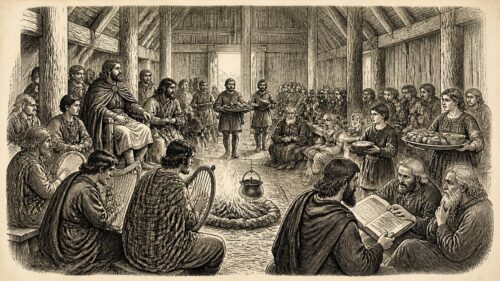
In 1351, Irish politics combined unstable lordship, royal administration, warfare and cultural patronage. Aodh Ó Conchobhair regained Connacht’s kingship through hostages and support, but conflict following Aodh Ó Ruairc’s capture devastated Moylurg. Other deaths and killings reflected continuing regional feuds. Thomas Rokeby’s October ordinances sought to reinforce English law, frontier security, labour regulation and land recovery, revealing the lordship’s weaknesses after plague and war. A Franciscan foundation at Ross Errilly was traditionally dated to this year, though evidence is late. At Christmas, Uilliam Buide Ó Ceallaigh hosted Ireland’s learned classes, using hospitality to proclaim wealth, authority and cultural prestige publicly.
Read Article
Archived: 23 October 2026
Abstract
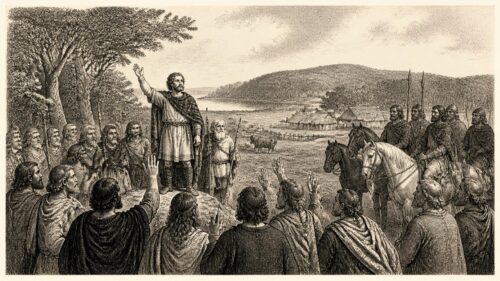
In 1350, plague remained active in Ireland, evidenced by legal notes, vacant Kilkenny holdings and deaths linked cautiously to pestilence, while its impact varied regionally. Connacht underwent a major coup when Sir Edmund Albanach de Burgh, Macwilliam Burke, and leading communities deposed Aed Ó Conchobair and installed another dynastic claimant. Killings and reprisals in Connacht, Moylurg, Breifne and Thomond exposed violent struggles over lordship, land and cattle. English administration nevertheless continued: Justiciar Thomas Rokeby held a Kilkenny council, raised taxation and negotiated service. Chancery, inheritance inquiries, religious leadership and learned culture endured amid demographic loss, insecurity and contested power locally.
Read Article
Archived: 23 October 2026
Abstract
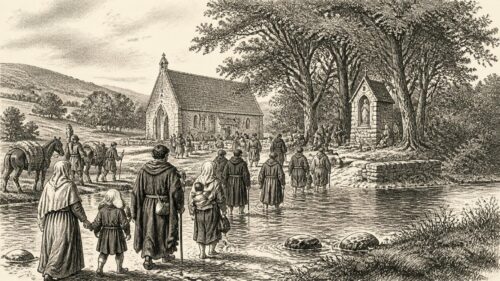
During 1349, a pestilence remembered as the Black Death became an all-Ireland crisis, although its arrival and mortality cannot be dated or quantified precisely. John Clyn recorded contagion, deaths among clergy and households, pressure on burial and care, and costly imported goods in Kilkenny. Connacht annals reported heavy losses in Moylurg, while warfare, raiding and contested lordship continued across Connacht and elsewhere. Ecclesiastical vacancies exposed institutional vulnerability, though individual causes of death remain uncertain. Clyn's final entries, ending amid violence and epidemic fear, symbolise the fragility of record-keeping. The year strained trade, worship, families and political authority without halting conflict.
Read Article

Archived: 23 October 2026
Abstract
In 1348, pestilence reached Ireland by sea, devastating Dublin and Drogheda from late summer, though its extent elsewhere remains uncertain. John Clyn recorded a fearful pilgrimage by clergy, magnates and ordinary people to St Moling’s water at Taughmoling, seeking spiritual protection amid mass mortality. Meanwhile, Fulk de la Frêne fortified and coerced Ormond tenants around Nenagh, before James Butler received the earldom. Bishop Richard of Ossory gained independence from Dublin’s archbishop. In Connacht, killings, captures and war between kindreds ravaged Moylurg, while learned poets still travelled for patronage. The year combined disease, warfare, lordship, worship and cultural continuity under strain.
Read Article
Archived: 23 October 2026
Abstract
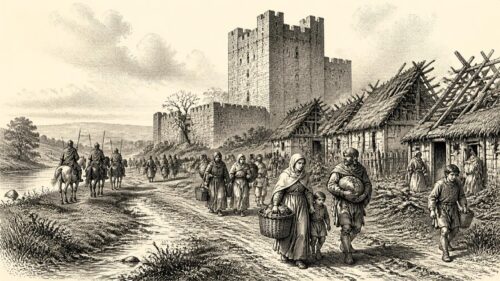
In 1347, Ireland comprised competing lordships, dynasties, church jurisdictions and towns. At Christmas, Domhnall Ó Ceinnéidigh led forces reportedly drawn from several provinces in a devastating assault on Nenagh and Ormond, sparing Nenagh Castle but exposing Butler authority while young Earl James Butler served in France. Annals also record killings, captures and successions across Connacht, Breifne, Ulster, Annaly and the south-east, revealing warfare affecting cultivation. Churches remained active through building, patronage and papal links. Learned figures were commemorated. Although plague spread in Europe, surviving Irish records place its arrival in 1348, making 1347 a year of political crisis before pandemic.
Read Article
Archived: 23 October 2026
Abstract
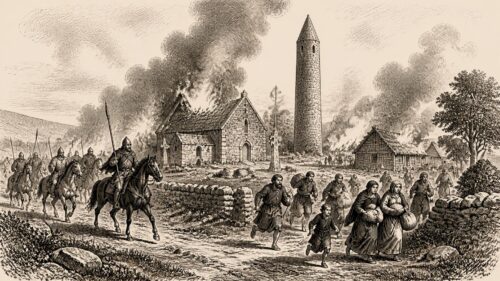
In 1346, Ireland experienced political instability, warfare and dearth following the death of Sir Ralph Ufford, the royal justiciar. Gaelic and settler forces contested Leinster, capturing castles, raiding communities and damaging churches. On 5 May, Diarmaid Mac Giolla Phádraig and an Ó Cearbhaill ally burned Aghaboe, including its church, cemetery and St Canice’s shrine, a religious and communal loss. Wheat prices reflected scarcity, worsened by conflict. Walter de Bermingham became justiciar in May but violence continued, including northern defeats, killings and winter raids. John Clyn’s annals document events, while evidence does not place the Black Death in Ireland before 1348–49.
Read Article
Archived: 23 October 2026
Abstract
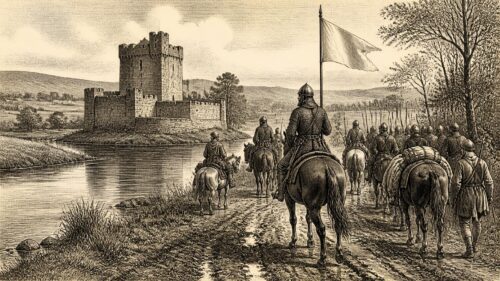
In 1345, the sharpest political struggle in the English lordship of Ireland unfolded not at a frontier ford but across the towns, castles and lordships of Munster. Sir Ralph Ufford, justiciar of Ireland and the king’s chief governor, moved against Maurice fitz Thomas FitzGerald, first earl of Desmond. Their quarrel exposed a basic weakness in royal administration: the Crown needed the co-operation of the great Anglo-Irish magnates, yet Ufford sought to discipline them with an unusually forceful assertion of central authority.The year also brought a violent change of ruler in Connacht, fighting upon Lough Neagh in Ulster, and smaller but
Read Article
Archived: 23 October 2026
Abstract
In 1344, Ralph d’Ufford became justiciar of Ireland, landing at Dublin with Maud of Lancaster and pursuing stronger royal oversight of grants, revenues, frontier defence and officials. His inquiries in Cork, administrative changes and Leinster campaign signalled intervention, though not restored island-wide control. Royal military demands also linked Irish magnates to Edward III’s French war. Elsewhere, annals recorded killings, imprisonments and rapid successions among Gaelic lordships in Mide, Airgialla, Breifne, Connacht and Ulster. Church affairs included James Bermingham’s appointment as bishop of Killala. Notices of Finnguala Ó Duibhgeannáin and Cill Rónáin illustrate cultural patronage and the uncertainties of medieval chronology.
Read Article
Archived: 23 October 2026
Abstract
In 1343, Ireland saw shifting lordship, violence and religious investment. Toirrdelbach Ó Conchobair regained Connacht and made peace with Conchobar Mac Diarmata, while Clann Feorais and Clann Ricaird crushed Uí Maine, killing eleven Ó Ceallaigh princes. In Thomond, Diarmait Ó Briain briefly succeeded Muirchertach before Brian Bán seized power. In Tír Conaill, Aengus Ó Domhnaill displaced Niall through a broad coalition, granted land to exiles, and defeated his rival’s supporters. Deaths included nobles, churchmen and scholars. Kilronan received a new church, St Mary’s, Kilkenny, a belfry, and Boyle Abbey remained central to Mac Diarmata burials and succession during the year.
Read Article
Archived: 23 October 2026
Abstract
In 1342, Connacht was convulsed by a dynastic war that displaced King Toirrdelbach Ó Conchobair. Conchobar Mac Diarmata, Edmund Burke and rival Ó Conchobairs formed a coalition, humiliating Toirrdelbach at Elphin, destroying crops, fighting over fords and fortresses, and exploiting captivity and assassination. Aed Ó Conchobair became king, though Toirrdelbach regained power in 1343. Elsewhere, Conchobar Ó Domnaill was murdered in Tír Conaill, while raids caused deaths in Oriel. Dublin government abandoned contested reforms amid local resistance. Annalistic notices also record the deaths of poets, historians and clerics, revealing overlapping political, military, ecclesiastical and learned worlds during the year itself.
Read Article
Archived: 23 October 2026
Abstract
In 1341, Toirrdelbach Ó Conchobair, king of Connacht, captured Roscommon Castle, a royal English fortress, with annals differing over the role of his imprisoned rival Áed. The seizure strengthened him temporarily amid continuing Connacht dynastic conflict. Meanwhile, Edward III’s administration ordered investigations, resumed grants and proposed replacing locally connected officials, provoking resistance from the English of Ireland. Parliaments at Dublin and Kilkenny petitioned the king, defending lands, liberties and consultation while affirming loyalty. Elsewhere, violence and rapid successions marked Meath, Oriel and Connacht. Ecclesiastical deaths reflected institutional continuity. The year exposed fragmented, negotiated authority across overlapping Gaelic and settler societies.
Read Article

Archived: 23 October 2026
Abstract
In 1340, Connacht lordship was contested through dynastic intervention, captivity, raiding and negotiated settlement. Toirdelbach Ó Conchobair installed a ruler in Uí Maine, but resistance killed his appointee; his imprisonment of a nephew provoked Mac Diarmata opposition and a peace at Ballymote. Breifne warfare over cattle killed Domnall Ó Ruairc, while prisoners were exchanged to restore political advantage. Other kin-group killings exposed fragile local rule. Edward III pardoned Edmund Albanach and Reymund de Burgh, seeking accommodation and military service. Cill Rónáin burned, and learned men died. Sources caution against misdating Ulster entries and a supposed Franciscan foundation in later annals.
Read Article

Archived: 23 October 2026
Abstract
In 1339, Ireland endured severe frost and snow that damaged livestock and winter crops, while warfare in Meath ruined grainlands and caused famine. Political violence accompanied hardship: Ruaidhrí Ó Cellaigh, king of Uí Maine, was killed, and Toirdhealbhach Ó Conchobhair reshaped Connacht alliances through marriage, repudiation and pressure upon Edmund Albanach Burke. Northern campaigning by Aodh Reamhar Ó Néill brought further deaths, while Tomás Mag Samhradháin was released from captivity. Despite instability, Fergal Muimhneach Ó Duibhgeannáin erected Kilronan church. In Dublin, Edward III’s administration briefly minted silver coinage, thereby linking local society to royal fiscal demands amid wider Anglo-French war.
Read Article
Archived: 23 October 2026
Abstract
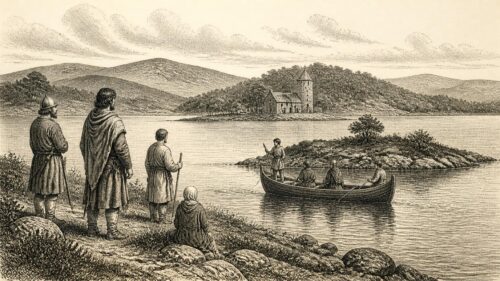
A Killing That Changed ConnachtThe most consequential Irish event securely placed in 1338 was the killing of Sir Edmund de Burgh, known in the annals as the son of the Earl of Ulster. He was captured by his kinsman Edmund Albanach de Burgh, had a stone tied about his neck, and was cast into Lough Mask. The stark formula occurs in both the Annals of Connacht and the Annals of Loch Cé. Neither supplies a day or month, and none should be invented; but both place the killing firmly within their annal for 1338.Its importance lay not merely in the
Read Article
Archived: 23 October 2026
Abstract
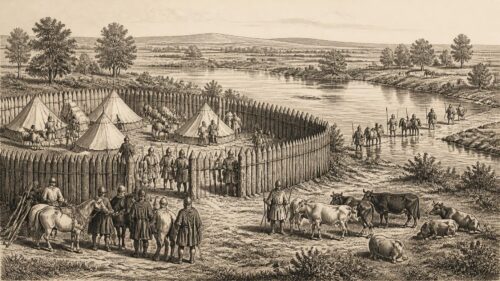
In 1337, Ireland remained politically fragmented, with Anglo-Irish, Gaelic and royal authorities pursuing alliances, rents and warfare. William, son of the Earl of Ulster, reached a rent-based settlement with Brian Bán Ó Briain, while Aodh Reamhar Ó Néill made northern peace. In Connacht, Toirdelbach Ó Conchobair established a military position at Athleague against Edmund Burke, but Clann Cheallaig defeated and captured him. Feuds in Dartry and Breifne brought killings, raids, captivity and succession. Domnall Ruadh Ó Máille and his son were murdered. Dublin received royal governors, while bishops, scholars and poets died, illustrating the interdependence of power, church and learning.
Read Article
Archived: 23 October 2026
Abstract
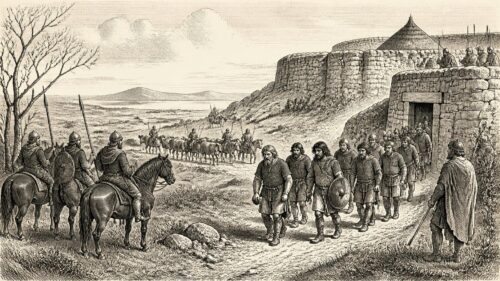
In 1336, Connacht remained fragmented after William de Burgh’s murder, as Gaelic and Anglo-Irish lords pursued raids, alliances and territorial advantage. Tomaltach Mac Diarmata of Moylurg died and was buried at Boyle Abbey, succeeded by Conchobar. Forces led by Toirrdelbach Ó Conchobair captured and destroyed Mac Goisdelb’s Great Castle, allowing its mercenary garrison safe departure. Ruaidhri Ó Ceallaigh, king of Uí Maine, was killed, while Toirrdelbach reshaped alliances through marriage. Edmund Mac William de Burgh was expelled. Warfare reached Tír Chonaill. Legal scholar Trinnoit Ó Naan died. Severe snow and frost devastated cattle and winter growth, straining communities across Ireland.
Read Article





