Archived: 23 October 2026
Abstract
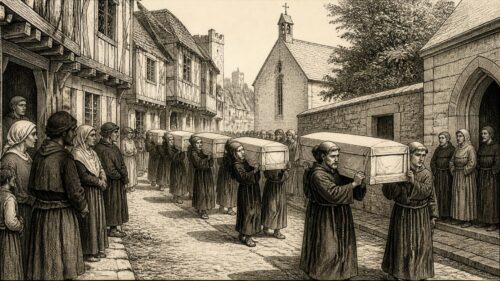
In 1335, Ireland was divided among competing Gaelic lordships, settler families, church jurisdictions, towns and royal officials. On 4 May, Lysaght Ó Mórdha’s household killed Sir Raymond le Ercedekne, relatives and allies at a meeting near Claregalway, an exceptional blow memorialised at Kilkenny. Connacht suffered raids, plunder and uneasy reconciliation amid de Burgh fragmentation after 1333. Sir John Darcy mobilised Irish ships, nobles and taxation for Edward III’s Scottish war, raiding Arran and Bute. Local warfare, captures and church disputes continued. Heavy spring snow harmed birds throughout Ireland, while devotional practices and hereditary learning, including physician Gilla-na-nAingel Ó Casaide, persisted.
Read Article
Archived: 23 October 2026
Abstract
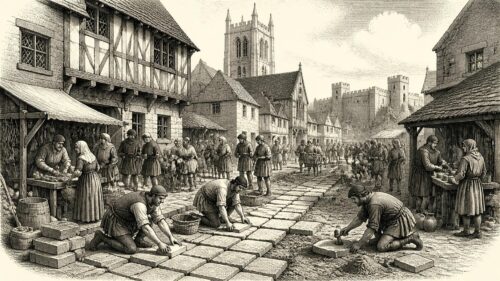
In 1334, severe winter weather injured people and livestock and damaged mills, weirs and bridges across Kilkenny’s region. Kilkenny burgesses began the town’s first recorded paving, later supported by a seven-year royal pavage grant. Local lordship remained contested: Thomas Fanyn seized Moytobyr Castle before Earl James Butler imposed temporary custody. Elsewhere, Donnchad Mac Carthaigh captured David de Barry, John de St Aubin was murdered, and a Connacht force of Gaels and settlers secured Munster hostages but burned a church, killing 180 people. Kilkenny also saw raids, erection of a market cross, crusading branding, and Desmond’s knighting campaign in late December.
Read Article
Archived: 23 October 2026
Abstract
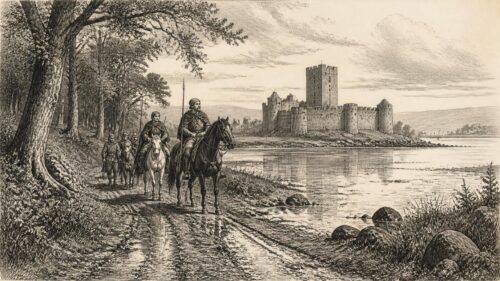
On 6 June 1333, William de Burgh, twenty-year-old earl of Ulster and lord of Connacht, was murdered near Carrickfergus by men associated with Ulster’s settler community. His death, following de Burgh family conflict, deprived vast, fragile lordships of an adult ruler. His widow fled to England with their infant heiress, while royal justice punished some killers but could not restore stability. Annals also record cattle-raiding, noble sureties, official campaigns and violence in Dublin, illustrating insecure aristocratic politics. The murder initiated divisions that later produced the Burke civil war and Mac William lordships, exposing limits of inherited power and English administration.
Read Article
Archived: 23 October 2026
Abstract
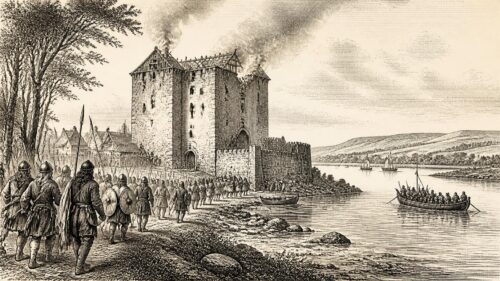
In 1332, Ireland’s lordship faced acute political and social strain. Sir William de Bermingham was executed in Dublin after politically charged conspiracy proceedings, while his son Walter was released. Thomond forces destroyed Bunratty Castle, whereas Anthony de Lucy recovered and garrisoned Arklow. Hostages seized castles at Limerick and Nenagh, exposing fragile authority; civic action restored Limerick. Raids, rivalries and warfare affected Munster, Leinster, Connacht and Ulster. Disease and exceptionally expensive wheat compounded hardship after famine. Edward III’s planned expedition was abandoned for Scotland, weakening government and leading to Lucy’s replacement by John Darcy. Richard FitzRalph’s Oxford chancellorship illustrated Irish connections.
Read Article

Archived: 23 October 2026
Abstract
In 1331, authority in Ireland was asserted, evaded and fought over in several very different places at once. At Dublin, Edward III’s government sent a new justiciar and issued ambitious instructions for reform. In Leinster, raiders captured a royal castle and struck at the estates of the archbishop of Dublin. In Connacht, a lord abandoned secular rule for the monastery just as an army burned through his son’s territory. The surviving records do not create a complete national narrative: they are annals, administrative measures and later compilations, each with its own priorities. Yet together they show a lordship in which
Read Article

Archived: 23 October 2026
Abstract
In 1330, violent storms and flooding devastated parts of Ireland, sweeping away nearly all Boyne bridges, damaging Trim and Drogheda, delaying harvests and raising grain prices. These disruptions hindered trade, travel, government and military movement. Meanwhile, Roger Outlaw’s Kilkenny parliament sought support against Brian Bán Ó Briain in Munster, exposing rival magnates’ uncertain loyalties. Edward III warned the earls of Ulster and Desmond against private warfare, while Adam de Lymbergh became chancellor. Violence afflicted Meath, although Wexford fighting is uncertainly dated. Gilla Ísu Ruad Ó Ragallaig died at Cavan’s Franciscan friary, illustrating the links between Gaelic lordship and religious patronage.
Read Article
Archived: 23 October 2026
Abstract
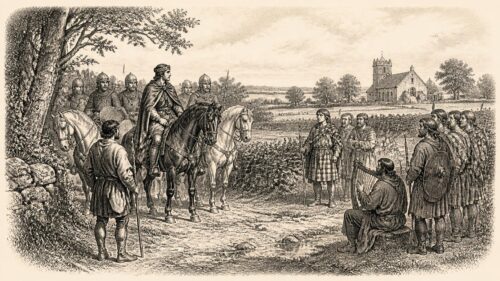
In 1329, John de Bermingham, earl of Louth, was killed at Braganstown near Ardee by Louth’s English gentry, exposing divisions within the lordship rather than an ethnic revolt. His disputed authority, kern’s alleged depredations, and weak local roots fuelled resentment. Parliament in Dublin sought to curb magnate feuds, while rivalries persisted. The killers received pardons, Bermingham’s earldom lapsed, and Mortimer acquired Louth’s liberty. Political conflict also embroiled Bishop Ledrede. Campaigns and killings in Wicklow, the midlands, Breifne and Connacht revealed continuing warfare and shifting alliances. Wet weather delayed harvests, intensifying insecurity across Ireland for tenants, townspeople, and landed communities alike.
Read Article

Archived: 24 October 2026
Abstract
In 1328 Ireland endured crop damage, illness, destructive winds and scarcity, recorded across annalistic traditions. Political authority remained fragmented: William de Burgh returned to his Ulster inheritance, while royal orders sought to restrain magnates and an attempted Scottish-Irish peace meeting failed. De Burgh, Connacht and Thomond allies suffered defeat against Brian Bán Ó Briain; violence also killed John de Bermingham, earl of Louth. Obituaries reveal losses to legal, ecclesiastical and musical culture, amid church factionalism. On 2 November Edward III created James Butler earl of Ormond, granting Tipperary’s liberty and strengthening royal influence through territorial, judicial and commercial patronage networks.
Read Article
Archived: 24 October 2026
Abstract
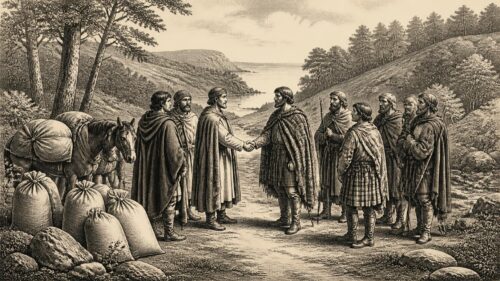
In 1327, Ireland experienced overlapping political, military and social crises amid the accession of Edward III. Thomas FitzGerald, earl of Kildare, became justiciar, but magnates contested royal authority while trade and administration continued. At Glendun, Robert Bruce secured a year’s truce with Ulster, paid for by promised wheat and barley. Domhnall Mac Murchadha was proclaimed king in Leinster before capture by royal officers. Rival Anglo-Irish lords devastated lands during private war, while O’Rourkes and O’Reillys fought over Lough Oughter. A widespread speckled sickness, probably smallpox but diagnostically uncertain, killed people across social ranks alike, disrupting labour, food supplies and lordship.
Read Article
Archived: 24 October 2026
Abstract
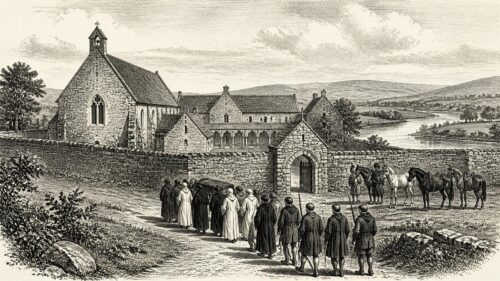
Richard de Burgh, the Red Earl of Ulster and lord of Connacht, died at Athassel on 29 July 1326, ending a powerful four-decade lordship. His fourteen-year-old grandson William inherited vast but vulnerable estates, exposing Ulster and Connacht to guardians, rivals and local conflict. Munster saw fighting between Maurice FitzGerald of Desmond and Arnold le Poer, temporarily restrained by Justiciar John Darcy. Royal administration continued through travelling chancery business and financial enforcement. Local records note Ímar Mag Ragnaill’s killing and the succession at Elphin. Meanwhile, English political crisis unsettled Ireland, making 1326 a pivotal year of insecure lordship and contested authority.
Read Article

Archived: 24 October 2026
Abstract
In 1325, Domhnall Ó Néill, king of Tír Eógain, died at Loch Laoghaire, and his son Cú Uladh was murdered by rival kinsmen, precipitating a disputed succession eventually favouring Henry Ó Néill of Clandeboye. Intra-dynastic violence also affected Fermanagh and Thomond. Maurice fitz Thomas FitzGerald’s seizure of Bunratty Castle exposed contested Anglo-Irish authority and required intervention by justiciar John Darcy. Meanwhile, an audit at Westminster uncovered forged Irish exchequer accounts associated with Archbishop Alexander Bicknor, leading to confiscation of his temporal property. Together, these events reveal unstable, personal lordship, constrained royal power, and fragile administration across medieval Ireland at once.
Read Article

Archived: 24 October 2026
Abstract
In 1324, Connacht experienced a decisive dynastic reversal when Toirrdelbach Ó Conchobair killed Cathal Ó Conchobair in Tír Briúin na Sinna in autumn and was recognised as king. Cathal, ruler since 1318, had long contested power with his rival amid Gaelic and Anglo-Irish pressures. Annála Connacht also recorded the continuing Mael Domnaig cattle murrain throughout Ireland, a severe but undiagnosed epizootic threatening food, farming, transport, wealth and lordship. John Darcy, newly appointed justiciar, administered English-controlled jurisdictions under Edward II, where common law, Dublin ordinances and local usages coexisted. Sparse annalistic evidence portrays political succession and rural vulnerability as closely intertwined.
Read Article
Archived: 24 October 2026
Abstract
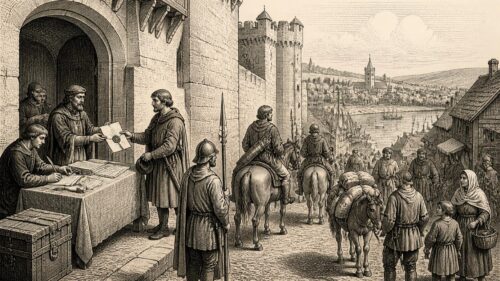
In 1323, Ireland’s importance lay in its connections with wider Plantagenet politics rather than a single decisive event. A Scottish truce cancelled planned paid military service by leading Anglo-Irish magnates, leaving local rivalries intact. Roger Mortimer’s escape from the Tower raised fears for his Irish estates and supporters, prompting Chancellor Roger Outlaw’s warning mission to Edward II. The king appointed John Darcy justiciar in November, although John de Bermingham remained in office until Darcy’s arrival in 1324. Legislation addressed official abuses, requisitioning, trade, fees and pardons. Meanwhile, Cistercian authorities condemned national exclusion in Irish monasteries, revealing ethnic and institutional tensions.
Read Article
Archived: 24 October 2026
Abstract
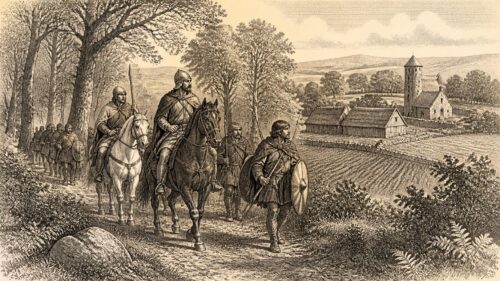
In 1322 Ireland was divided among royal, settler, ecclesiastical and Gaelic powers, while Edward II demanded troops, supplies and revenue for war against Scotland. John de Bermingham organised the Irish levy, leaving William de Bermingham deputy justiciar. On 29 September, O'Nolan forces killed Andrew Bermingham, Nicholas de la Launde and others in the unstable Leinster frontier. Dynastic murders, capture and plunder in Annaly, Connacht and the midlands revealed competition within Gaelic lordships. Obituaries recorded the deaths of Ardagh's bishop and legal scholar Andrias Mag Mailin. Uneven, sometimes misdated annals portray military, political and economic pressures rather than a nationwide crisis.
Read Article
Archived: 24 October 2026
Abstract
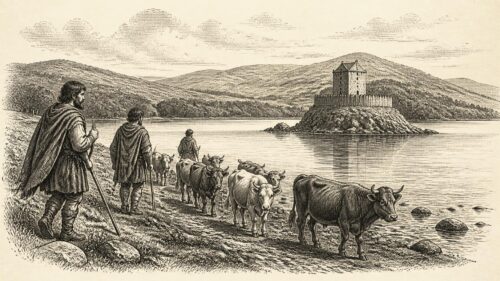
In 1321, Irish annals recorded an unprecedented cattle murrain across Ireland, corroborated in Connacht, Ulster and Munster, where famine was also noted. The disease, of unknown cause, destroyed vital sources of food, labour, wealth and political obligation, exposing fragile recovery after earlier war and subsistence crises. Conflict nevertheless continued: Cathal Ó Conchobair destroyed the Rock of Loch Key and rivals were killed; Oriel endured dynastic mutilation and assassination involving Dundalk; Meath forces defeated Offaly chiefs; and a Munster hosting sought castles and hostages. These events reveal local, interwoven Gaelic and settler politics, but cattle mortality remained the year’s island-wide calamity.
Read Article
Archived: 24 October 2026
Abstract
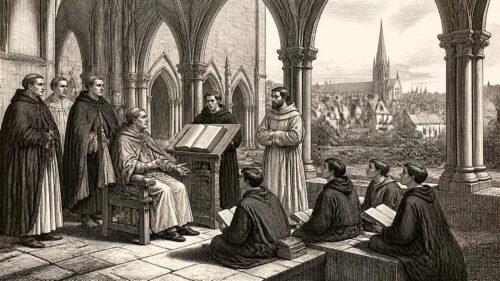
In 1320, Ireland showed contrasting efforts at order and continuing conflict after the Bruce invasion. Archbishop Alexander de Bicknor established statutes for a studium generale at St Patrick’s Cathedral, appointing teachers and a chancellor to promote theology and canon law, while strengthening ecclesiastical discipline through synodal measures. Roger Mortimer’s Dublin parliament reaffirmed English statutes, regulated administration and market measures, and named the earl of Kildare deputy justiciar. Elsewhere, authority remained contested: Cathal Ó Conchobair broke peace with Maelruanaid Mac Diarmata, seizing captives and ravaging Connacht; a Connacht claimant was killed; and Munster’s Ó Briain tanist Mathgamain died violently, unsettling succession.
Read Article
Archived: 24 October 2026
Abstract
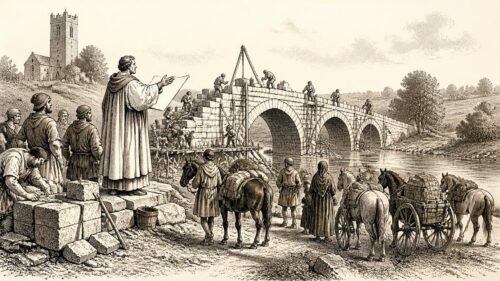
In 1319, Ireland remained unsettled after Edward Bruce’s defeat, with famine, warfare and administrative disruption still affecting lordships and towns. Maurice Jakis, canon of Kildare, built a stone bridge across the Liffey at Kilcullen, improving travel and encouraging the settlement’s later growth. English officials sought missing financial accounts, reflecting weakened government. In Tyrone, Domhnall Ó Néill was expelled, sheltered in Fermanagh, restored, then lost his heir Brian to enemies. Annals also recorded killings, deaths of Gaelic and Anglo-Irish lords, and several episcopal vacancies. The year combined local reconstruction, ecclesiastical continuity, family feuds and precarious political authority across the island overall.
Read Article

Archived: 24 October 2026
Abstract
In 1318, defeats at Dysert O’Dea and Faughart reshaped Ireland without bringing peace. Richard de Clare’s death ended his family’s attempt to dominate Thomond, enabling Gaelic rulers to regain regional control. Edward Bruce’s death near Dundalk ended the Scottish-backed invasion, though it exposed weaknesses within English lordship. Warfare intensified the Great Famine’s effects: requisitioning, ruined crops, disease, disrupted trade and severe weather produced acute hardship. Political alliances crossed Gaelic, settler and Scottish communities, reflecting local interests rather than national divisions. Connacht remained unstable amid dynastic conflict. Alexander de Bicknor arrived as Dublin’s archbishop and justiciar, inheriting a weakened, impoverished lordship.
Read Article
Archived: 24 October 2026
Abstract
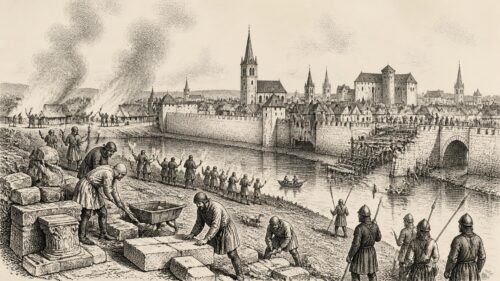
In 1317, at the height of the Bruce invasion, Robert Bruce joined his brother Edward in Ireland and marched through Meath towards Dublin. Fearing siege, Dublin’s citizens burnt western suburbs, demolished the Liffey bridge and religious buildings for defensive stone, and detained the earl of Ulster. The Bruces bypassed the fortified city, campaigned unsuccessfully in Munster, and retreated north; Robert departed in May. Famine, worsened by military requisitioning, afflicted Ireland amid warfare, dynastic struggles and castle destruction. Connacht changed kings, while learned legal culture suffered a loss. Irish leaders’ Remonstrance to Pope John XXII sought support, but Edward’s kingship endured.
Read Article
Archived: 24 October 2026
Abstract
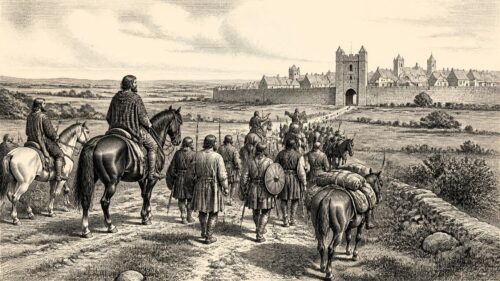
In 1316, Ireland endured Scottish invasion, provincial conflict, destructive warfare and famine. Edward Bruce, supported by Ulster allies, claimed kingship but controlled chiefly the former earldom of Ulster; his Leinster raid exposed divisions among Anglo-Irish magnates without establishing rule. In Connacht, Feidlim Ó Conchobair defeated rival Ruaidrí, built a broad coalition and attacked Anglo-Irish lordships. On 10 August, William de Burgh and the Berminghams crushed Feidlim’s army outside Athenry, killing Feidlim and leaders, and destabilising Connacht anew. Meanwhile, famine compounded military devastation. Carrickfergus surrendered to Bruce in September, yet no power secured Ireland: regional rivalries, hunger and contested lordship persisted.
Read Article
Archived: 24 October 2026
Abstract
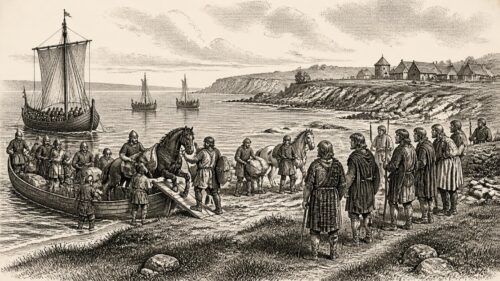
In May 1315 Edward Bruce, brother of Robert Bruce, landed near Larne with a Scottish army, exploiting divisions among Irish rulers, Anglo-Irish magnates and officials. Supported by some Ulster Gaelic lords, he claimed Irish kingship, captured Carrickfergus town and besieged its castle. His forces devastated settlements and supplies, defeated Richard de Burgh at Connor, and advanced into Meath, where opposition faltered amid local rivalries. The invasion also intensified Connacht dynastic conflict. Neither Ireland nor Ulster was unified behind Bruce: Dublin, Trim and Carrickfergus castle remained hostile. Warfare, crop destruction, requisitioning and weather worsened the Great Famine, causing hardship and disorder.
Read Article

Archived: 24 October 2026
Abstract
In 1314, Ireland experienced instability across Gaelic lordships and the English administration rather than a single national turning point. Ruaidhrí Ó Conchobair defeated the O’Reillys at Drumlane, while killings within leading families, including Matha Mac Tigernáin’s murder by his foster-son, exposed contested authority. Bishop Matha Mac Duibne died, and Niall Ó Néill, heir to Cenél nÉogain, was lost. Theobald de Verdon governed the lordship as Edward II sought Irish money and soldiers for war. Robert Bruce’s victory at Bannockburn altered Irish Sea strategy, encouraging later ambitions without causing Edward Bruce’s 1315 invasion. Famine was not attested in Ireland during 1314.
Read Article

Archived: 24 October 2026
Abstract
In 1313, Thomond faced a contested O’Brien succession after Diarmait Cléirech Ó Briain died and was buried in the Franciscan habit at Ennis. Donnchad Ó Briain asserted his claim through destructive campaigns in Uaithne and Ara, while Muirchertach Ó Briain entered from Connacht, defeated his rivals and ravaged the Limerick district. Their conflict ended in a territorial partition, though warfare resumed in 1314. Regional struggles involved O’Brien factions, Mac Conmaras and Anglo-Irish magnates, notably Richard de Clare and the de Burghs. In Dublin, acting justiciar Edmund Butler held a feast and knighted thirty men, asserting royal authority amid political instability.
Read Article
Archived: 24 October 2026
Abstract
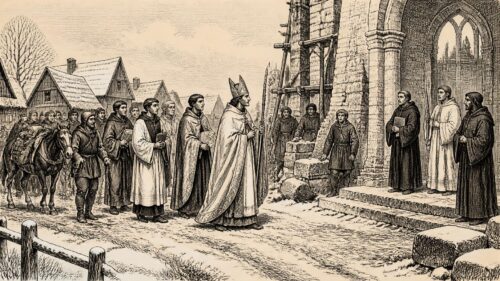
In 1312, ecclesiastical and governmental transitions highlighted tensions within Ireland’s lordship. William de Bermingham’s death created a vacancy at Tuam, where Máel Sechlain Mac Áeda, formerly bishop of Elphin, was formally translated on 19 December, strengthening Gaelic representation in a major metropolitan see. Religious life continued through developments at Boyle and episcopal deaths in Connacht. In Louth, a de Verdon rising defeated royal forces near Ardee, exposing fragile crown authority. Edmund Butler replaced John Wogan as keeper in August and administered Dublin while campaigning in Wicklow. These institutional changes preceded, but did not initiate, the crises of 1315 and afterwards.
Read Article
Archived: 24 October 2026
Abstract
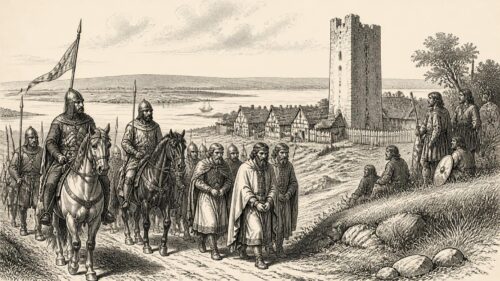
In 1311, conflict at Bunratty in Thomond brought rival Uí Bhriain branches, Richard de Clare, William Liath de Burgh and forces from Connacht and Meath into shifting alliances. Although de Clare’s side suffered heavier losses, it captured de Burgh and northern nobles, briefly altering regional power. Thomond endured further killings, including King Donnchad Ó Briain’s murder, contested succession, hostage agreements and later fighting. Raids also struck the Dublin marches, exposing weak governmental control. Church appointments in Dublin and Armagh revealed competing royal, papal and local interests. Deaths, raids and scarcity heightened insecurity, foreshadowing vulnerabilities later exploited during the Bruce invasion.
Read Article
Archived: 24 October 2026
Abstract
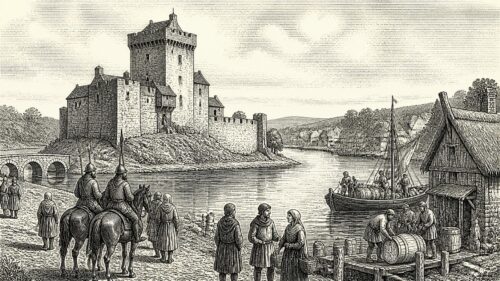
In 1310, Ireland remained politically fragmented despite Edward II’s lordship. At Kilkenny Parliament, John Wogan, Richard de Burgh and church leaders addressed disorder, revealing reliance on powerful magnates. In Connacht, Aed Brefnech Ó Conchobair’s destructive campaign against Mac Diarmata included killings, capture and burning; his allies then sacked Buninna Castle. Aed was subsequently murdered by mercenaries, allegedly bribed by William de Burgh, whose soldiers imposed oppressive quartering. Feidlim Ó Conchobair emerged as king of Connacht. Richard rebuilt Sligo Castle, asserting contested authority. The year also saw scholar Tanaide Ó Maelchonaire’s death, wine landing in Magh Cétné, and violence across Ireland.
Read Article
Archived: 24 October 2026
Abstract
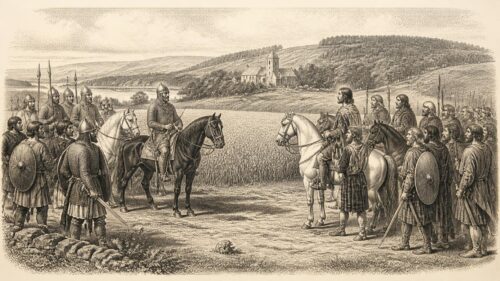
In 1309, Áed mac Éogain Ó Conchobair, king of Connacht, was killed at Coill an Chlocháin by Áed Brefnech, triggering wider conflict among rival dynasties and allies. Elite casualties included legal scholar Gilla na Naem Mac Aodhagáin, illustrating the political importance of learned service. Competing claimants sought submissions, tribute, royal jewels and military support, while raids damaged grain and monasteries served strategic roles. Elsewhere, violence involved Leinster magnates and Thomond rivals; Cathal Ó Conchobair became bishop of Elphin. Roger Mortimer and Joan de Geneville assumed Meath's lordship, while Dublin received murage for bridge-tower repairs, revealing Ireland's interconnected local politics clearly.
Read Article
Archived: 24 October 2026
Abstract
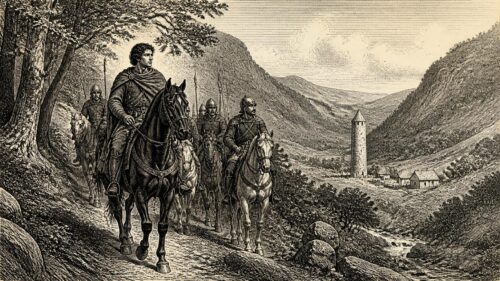
In 1308, John Wogan’s defeat at Glenmalure exposed the vulnerability of royal power near Dublin, although administration continued. Piers Gaveston, Edward II’s controversial favourite, arrived as king’s lieutenant, combining political exile with military responsibility. Later campaigns against Wicklow opponents, including the Ó Byrnes, sought to restore authority through coercion and infrastructure. In Connacht, raids, broken peace agreements and failed hostages involved Ó Conchobair branches, Mac Diarmata, Ó Dubda and Anglo-Irish forces, demonstrating unstable alliances and dynastic violence. Stormy weather damaged people and cattle, while lightning struck Roscommon’s Dominican friary. The year revealed an uneven landscape where powers constrained royal government.
Read Article
Archived: 24 October 2026
Abstract
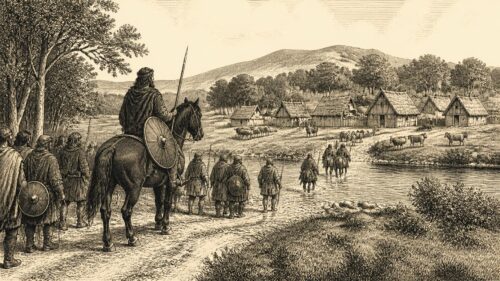
In 1307, Edward II succeeded Edward I as Lord of Ireland, while existing Dublin administration continued under officials including newly appointed Exchequer treasurer Alexander de Bicknor. Richard de Havering received Dublin archbishopric temporalities but was never consecrated, and bishops died at Kilmacduagh and Elphin. At Ahascragh, Donnchad Muimhneach Ó Cellaigh of Uí Maine defeated forces associated with Roscommon, capturing the sheriff and other opponents. Prisoners were released under restitution for an earlier burning attributed to Edmund Butler, before Ó Cellaigh died. Killings among Ó Conchobair claimants underscored Connacht instability. Sources require caution because annalistic chronologies conflict over some recorded events.
Read Article
Archived: 24 October 2026
Abstract
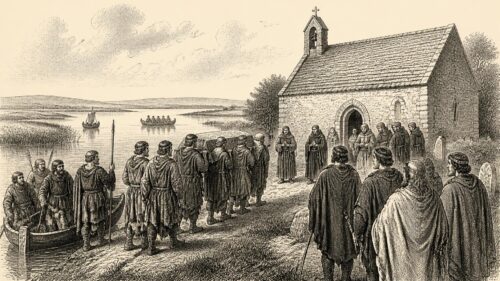
In 1306, Ireland experienced contested succession, warfare and political instability rather than decisive national change. Toirdelbach Ó Briain, king of Thomond, died and was buried at his foundation for friars on Inis Mac nInill, while his son Donnchad succeeded amid opposition. Connacht suffered prolonged conflict between Ó Conchobair rivals, involving raids, cattle seizure, arson and killings. Betrayals and lordship struggles affected Fermanagh, Meath, Leinster and Desmond, where prominent captives and rivals were killed. Annals also record clerical deaths, church damage, maritime trade and fortification. Robert Bruce’s Scottish accession had Irish significance, although no invasion followed. Sources require caution over chronology.
Read Article





