Archived: 25 October 2026
Abstract
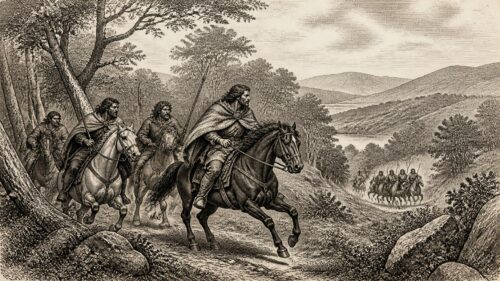
In 1275, Ireland experienced regional conflict rather than a single national crisis. In Connacht, Tadc Ó Conchobair captured his brother Ruaidrí, raided Mac Diarmata territory, and lost his prisoner after Ruaidrí escaped with Conchobar Ó hAinlide, who was killed in pursuit. In Breifne, Art Ó Ruairc died at Granard during conflict involving Anglo-Norman forces. Annals also note killings among Gaelic kindreds, an Ulster victory over the Galls, and the deaths of bishops of Raphoe and Killala. Meanwhile, Edward I supported Justiciar Geoffrey de Geneville, ordering defence measures, an inquiry, and appointments. Sources caution against misdating events assigned differently in annals.
Read Article

Archived: 25 October 2026
Abstract
In 1274 Connacht suffered a rapid succession crisis after the death of Áed mac Fedlimid Ua Conchobair, a powerful king who had resisted Gaelic and Anglo-Norman opponents. Eogan mac Ruaidrí succeeded him but was killed by kin in Roscommon’s friars’ church after three months. Áed mac Cathail Dall then ruled for a fortnight before being killed at Grainsech Sruthra, leaving Tadc mac Toirrdelbaig king. Elsewhere, deaths and killings altered lordship in Brefne, Annaly and Dartry. Dublin’s forces were defeated at Glenmalure, while Edward I’s coronation and Thomas de Clare’s arrival linked Ireland to Plantagenet politics. The year revealed fragmented power.
Read Article
Archived: 25 October 2026
Abstract
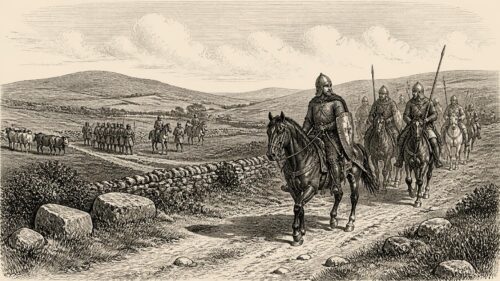
In 1273, Irish authority remained fragmented among royal officials, settler magnates and Gaelic dynasties. Jordan d’Exeter’s raid in Corann provoked a failed Connacht pursuit, killing several members of ruling and learned families. Elsewhere, Conchobar Buidhe Ó Ruairc of Brefne and Eochaid Mac Mathghamhna of Oriel were killed, while expulsions altered power in western Connacht. Maurice FitzGerald’s expedition into Thomond obtained O’Brien hostages and submission, though not lasting conquest. Geoffrey de Geneville arrived as justiciar, strengthening royal administration without eliminating regional independence. Richard de Carew died, and a Barry charter granted Cahirduggan church to Ballybeg Priory, illustrating ecclesiastical patronage amid warfare.
Read Article
Archived: 25 October 2026
Abstract
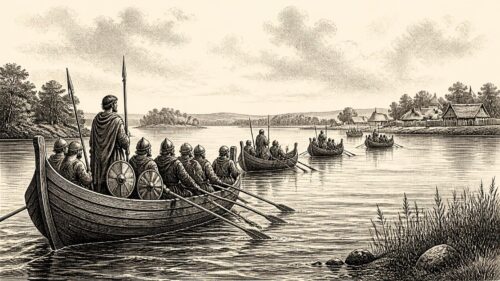
In 1272, Áed Ó Conchobair, king of Connacht, intensified resistance to Anglo-Norman power by destroying Roscommon castle, burning Athlone and Meath towards Granard, breaking Athlone’s bridge, and deploying a flotilla on Lough Ree. Fighting also killed Henry Butler of Umhaill, while dynastic violence and deaths unsettled Connacht and Breifne. Justiciar James de Audley died amid disputed circumstances, weakening royal administration, though official links with England continued. Henry III’s death brought Edward I’s succession as lord of Ireland. Annals also record elite deaths and burials, while warfare devastated settlements, resources, travel and local security across western and central Ireland that year.
Read Article
Archived: 25 October 2026
Abstract
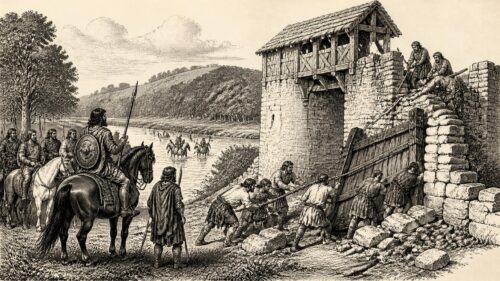
Walter de Burgh, earl of Ulster and lord of Connacht, died at Galway in July 1271, leaving his young heir Richard vulnerable during a minority. His death coincided with Áed mac Fedlimid Ó Conchobair’s destruction of castles at Templehouse, Sligo and Athleague, weakening de Burgh authority across Connacht. Killings in Connacht, Annaly, Oriel and the Breifne borderlands further revealed fragmented lordship and shifting local alliances. Annalistic notices also record religious deaths, penitence and burial, reflecting political and spiritual culture. Although Anglo-Norman power endured, 1271 reduced its capacity while Áed’s Gaelic kingship remained formidable, making the year a significant turning point.
Read Article
Archived: 25 October 2026
Abstract
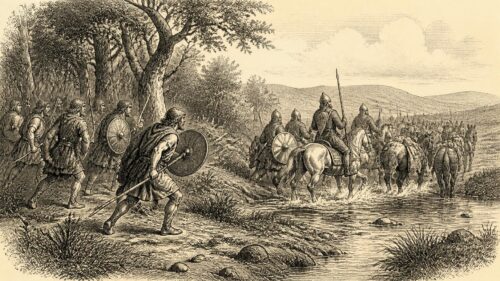
In 1270, Áed Ó Conchobair defeated Walter de Burgh’s Connacht expedition at Áth an Chip after manoeuvres around the Shannon, failed negotiations and hostage-taking. Local forces harassed the invaders, broke their vanguard and rear guard, and inflicted notable losses. Áed subsequently attacked castles, towns and settlements, including Roscommon, although conflict and reprisals continued across Connacht, Sligo, Corann and Thomond. The campaign demonstrated the strength of Gaelic kingship against Anglo-Irish magnates without ending de Burgh’s influence. Ireland also suffered widespread hunger and destitution. The year saw Archbishop Máel Pátraic Ó Scanaill’s death and Tanaide Mór Ó Maelchonaire’s succession as Connacht’s ollamh.
Read Article
Archived: 25 October 2026
Abstract
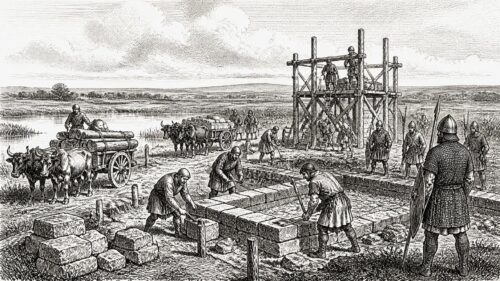
In 1269 Robert de Ufford, the English crown’s justiciar, began Roscommon Castle while Áed Ó Conchobair, king of Connacht, was ill, exploiting a temporary weakness to establish a durable royal foothold. The project disrupted local people and intensified Anglo-Irish pressure within Ó Conchobair territory, although it did not signify Connacht’s conquest. Sligo Castle’s rebuilding by Mac Muiris Mac Gerailt similarly demonstrated contested frontier control. Religious life featured Imar Ó Birn’s entry into Roscommon’s Dominican priory and aristocratic patronage. Annals also noted killings, the death of musician Áed Ó Finn, and uncertain reports of an earthquake and weather, requiring cautious chronology.
Read Article

Archived: 25 October 2026
Abstract
In 1268, Áed Ó Conchobair of Connacht defeated an army termed the Galls of Ireland at the Faes after answering a challenge at Athlone, strengthening Gaelic resistance to lordship expansion. The year also brought severe famine across Ireland, compounding warfare and pressures. In Thomond, King Conchobar Ó Briain, his family and followers were killed amid dynastic conflict, followed by reprisals and mutilation. Other rulers died or were killed in struggles. Ecclesiastical succession continued at Armagh, Clogher and Annadown, while the death of poet-host Aengus Ó Dálaigh reflected cultural life. Sea travel, northern captivity and escape show a fragmented, connected society.
Read Article

Archived: 25 October 2026
Abstract
In 1267, Connacht and neighbouring districts experienced raids, destruction and political uncertainty rather than a single campaign. Drumcliff, an important ecclesiastical centre and settlement in present-day County Sligo, was completely burned with its churches, although attackers and casualties remain unknown. West Connacht Foreigners raided Carbury and Ballysadare, while Mac William Burke plundered Áed Ó Conchobair’s lands. Murchad Mac Suibne was captured in Umhall, delivered to Walter de Burgh, and died in prison. Áed recovered from grave illness amid several dynastic deaths. Bishop Romanus of Clonfert sought the pope, while annals also noted Munster murder and England’s continuing baronial civil war.
Read Article

Archived: 25 October 2026
Abstract
In 1266, Connacht experienced conflict among Gaelic rulers, settler communities and Walter de Burgh’s lordship. Tiaquin Castle was demolished and Conmaicne ravaged, while townships, castles and grain stores were burned. Áed Ó Conchobair, king of Connacht, pursued rivals and projected authority into Bréifne, deposing Art Ó Ruairc, installing Conchobar Buide and taking hostages. His regime also used blinding as political punishment. Raids, killings and a failed Burke hosting demonstrated an unsettled balance of power. Despite warfare, monasteries, dioceses and learned families remained active, recording deaths, appointments and consecrations. Ireland’s order endured through violent, local negotiation of resources, fortifications and succession.
Read Article

Archived: 25 October 2026
Abstract
In 1265, Connacht underwent rapid political and military change. King Fedlimid Ó Conchobair died and was buried at the Dominican priory in Roscommon, while his son Áed na nGall succeeded him, asserted authority through a destructive hosting into Uí Fhailge, and eliminated a dynastic rival by blinding. Áed also led the demolition of castles at Sligo, Bannada and Ráth Ard Craibe, challenging Anglo-Irish lordship, though Sligo was soon rebuilt. Ballintober Abbey burned, under unknown circumstances. Deaths and elections altered church leadership, and negotiations at Kilmaine ended in killings. Wider Anglo-Irish conflicts influenced Connacht’s unstable balance of power during this year.
Read Article

Archived: 25 October 2026
Abstract
On 18 June 1264, an assembly at Castledermot became the earliest securely documented Irish gathering to call itself a parliament. Chaired by the justiciar Richard de la Rochelle, it investigated Dublin archbishops’ claimed criminal jurisdiction against Prince Edward’s rights, illustrating contested authority rather than representation. Meanwhile Walter de Burgh’s war with the FitzGeralds devastated Connacht and exposed weakness in royal administration. Anglo-Irish leaders negotiated peace with Fedlimid Ó Conchobair at Athlone, acknowledging Gaelic power. In Armagh, Archbishop Máel Pátraic Ó Scannail built defences and welcomed Franciscans. Together, these events vividly reveal competing lordly, royal, Gaelic and ecclesiastical powers in Ireland.
Read Article

Archived: 25 October 2026
Abstract
In 1263 Walter de Burgh received the earldom of Ulster from Lord Edward, strengthening his claims while facing persistent resistance in Connacht. His Roscommon expedition against Fedlimid Ó Conchobair failed to secure plunder and suffered losses in an ambush. De Burgh built a castle at Ath in Gail, Corann, seeking durable control of a contested district. Donn Ó Breisléin was murdered in Raphoe’s episcopal court. Deaths among bishops and monastic leaders, papal revenue demands, a notably hot summer, and northern sea connections were recorded. Conflicting annal dates caution against certainty over a Desmond expedition, whose chronology remains uncertain in sources.
Read Article
Archived: 25 October 2026
Abstract
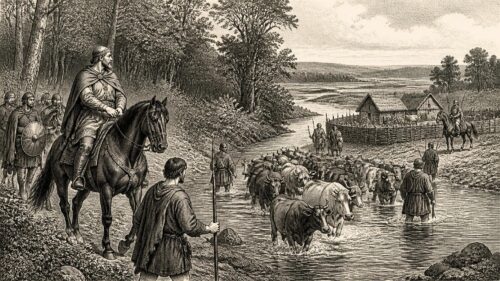
In 1262, Ireland experienced interconnected conflicts and negotiations across Connacht, Annaly, Munster and church politics. Fedlimid Ó Conchobair and his son Áed resisted forces led by Mac William de Burgh, the justiciar and John de Verdun, safeguarding cattle, devastating enemy territory and making a temporary peace. Roscommon was selected for a future royal castle. In Annaly, Gilla na Naem Ó Fergail regained lordship after local defections. Mac Carthaig defeated an expedition at Mangerton, but Cormac Mac Carthaig died. Munster endured further raids. At Drogheda, Archbishop Máel Pátraic Ó Scannail reinforced Armagh’s jurisdiction over Meath, while Dublin disputes exposed urban tensions.
Read Article
Archived: 25 October 2026
Abstract
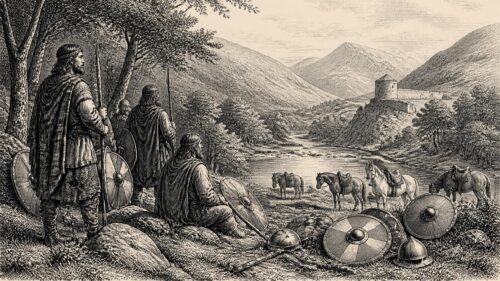
In 1261, Fínghin Mac Carthaigh defeated a major Geraldine force at Callann in Desmond, killing John fitz Thomas FitzGerald, his heir Maurice and many followers. The victory checked Geraldine expansion, but Fínghin was killed soon afterwards, leaving Desmond disputed. Annals differ over details, including dating, casualties and participants, while confirming the battle's significance. Conflict elsewhere included raids, burned settlements and fortresses, rival successions in Breifne and Tír Eógain, and struggles in Thomond and Connacht. Clerics and churches suffered violence at Derry and Ballysadare, while Raphoe's bishop was elected archbishop of Armagh. The year reveals politically fragmented, shifting power across Ireland.
Read Article
Archived: 25 October 2026
Abstract
In 1260 Brian Ó Néill’s Gaelic coalition, including forces from Tír Eógain, Connacht and Meath, was defeated by northern English interests at Druim Derg near Downpatrick. Brian and many leading allies died, ending his claim to leadership of Ireland’s Gaels; Áed Buide Ó Néill succeeded in Tír Eógain. Elsewhere, Connacht resisted MacWilliam de Burgh’s raid through defensive deployment and negotiated peace, while Thomond defeated Mac Muiris’s force. A cough affected people and horses. Church offices changed hands, and Kildare’s Franciscan friary may have been founded during this period. The year revealed political fragmentation, regional resilience and religious life amid warfare.
Read Article
Archived: 25 October 2026
Abstract
In 1259, Áed Ó Conchobair of Connacht asserted authority in Breifne by replacing rivals, taking hostages, raiding opponents and ordering blinding. At Devenish, he and Brian Ó Néill restored Domnall Ó Ruairc, demonstrating northern alliance politics and Brian’s wider influence. Áed’s marriage at Derry to Dubgall Mac Somairle’s daughter linked Connacht with the western seaways and armed support. Ulster, Thomond and Desmond saw raids, conflict and attacks affecting churches and communities. Tomaltach Ó Conchobair returned from Rome as archbishop of Tuam, while the deaths of Bishop Cormac Ó Luimlín and poet Gilla Cam marked losses to learning and ecclesiastical life.
Read Article
Archived: 25 October 2026
Abstract
In 1258, Brian Ua Néill secured recognition at Cáeluisce from Connacht and Thomond leaders as king of the Gaels of Ireland, though this alliance neither unified Ireland nor ended regional rivalries. Hostage arrangements and conflict in Breifne exposed unstable lordship. English pressure prompted defensive destruction of ecclesiastical sites, while war in the south devastated settlements and crops. Hebridean raiders defeated Connacht’s sheriff after seizing valuable maritime cargo. Separate Gaelic-English peace talks demonstrated pragmatic local politics. Church life continued through episcopal changes, Armagh’s papal pallium, Dominican commemoration and a Franciscan foundation at Clane, amid enduring political and economic uncertainty across Ireland.
Read Article
Archived: 25 October 2026
Abstract
In 1257, Irish politics were shaped by local conflicts and shifting alliances between Gaelic rulers and Anglo-Irish power. Conchobar Ó Ruairc surrendered Cherry Island castle to Fedlimid Ó Conchobair, but later destroyed it after its garrison withdrew. Dynastic rivalry, including blinding and killings, exposed Connacht’s instability despite Fedlimid’s peace with colonial leaders and royal charter. Gofraid Ó Domnaill demolished Cáel Uisce castle, burned Sligo and routed Anglo-Irish forces at Credran, though he was wounded. Fighting also affected Thomond. Meanwhile, Roscommon’s Dominican church was consecrated, Abraham Ó Conalláin travelled to Rome, and churchmen remained involved in political violence and patronage there.
Read Article

Archived: 25 October 2026
Abstract
In 1256, the political frontier running through Connacht and Breifne was anything but fixed. The year’s fullest surviving narrative, preserved in the Annals of Connacht and the closely related Annals of Loch Cé, records a remarkable sequence of armies, negotiations, raids, hostage-taking and local feuds. Its central event was a hard-fought encounter at Magh Slecht, near the passes of Sliabh an Iarainn, where Áed Ó Conchobair and Conchobar Ó Ruairc defeated leading men of the Uí Raghallaigh. Yet the battle was not an isolated clash: it exposed the fragile alliances and overlapping claims that shaped life in the Irish midlands.
Read Article

Archived: 25 October 2026
Abstract
In 1255, Feidlim Ua Conchobair of Connacht and his son Áed strengthened their position through diplomacy, protected movement and negotiated peace. Áed travelled to Tír Eógain, reconciled his father with northern powers, and escorted Connacht exiles, dependants and goods safely home through hostile territory. Feidlim’s envoys and Archbishop Florence Mac Flainn secured favourable responses from Henry III, while Feidlim reached a major settlement with Mac William Burke at Tochar Mona Conneda. Elsewhere, Brian Ua Néill failed to obtain hostages in Breifne. Ecclesiastical appointments, clerical deaths, killings and raids reflected local instability. The year demonstrated peace’s strategic, fragile role amid rivalries.
Read Article

Archived: 25 October 2026
Abstract
The records for 1254 preserve a revealing contrast. At the highest level, Henry III of England reassigned much of the royal lordship of Ireland to his teenage heir, Lord Edward. In Dublin, the rebuilt church of St Patrick was dedicated as a cathedral. Yet the Irish annals are equally attentive to a burned Dominican house in north Mayo, killings around Lough Ree and Cluain Conmaicne, an arrest and blinding ordered by the king of Connacht, and an exceptionally productive year of milk, acorns and other foodstuffs. Ireland was not one political unit moving in step with an English royal decision.
Read Article

Archived: 25 October 2026
Abstract
In 1253, Sligo gained a Dominican friary and consecrated cemetery, establishing a centre for preaching, learning, burial and patronage in a strategic Geraldine settlement. The foundation reflected mendicant expansion supported by both Anglo-Irish and Gaelic rulers, also evident at Roscommon. Politically, Maurice FitzGerald’s Anglo-Irish expedition into Tír Eógain failed to secure hostages from Brian Ó Néill, demonstrating limits to colonial power and strengthening Ó Néill’s position. Church notices recorded deaths of leading bishops and construction of an episcopal residence at Elphin. Annals described a notably productive summer, while December royal orders sought Irish military and logistical aid for threatened Gascony.
Read Article
Archived: 25 October 2026
Abstract
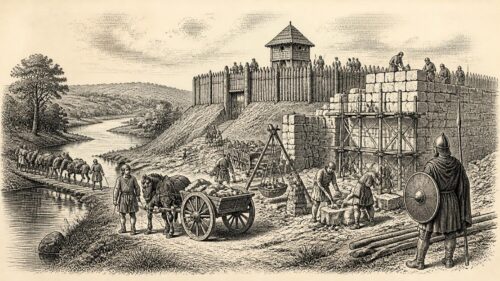
In 1252, Crown authority in Ireland was asserted through fortification, campaigning and monetary reform, amid persistent regional conflict. Maurice FitzGerald built castles at Cáel Uisce and Moycova, the latter under oversight, while Henry III ordered fortification and expansion at Annaghdown. Justiciar John FitzGeoffrey’s expedition secured Brian Ó Néill’s submission and his brother Ruaidrí as hostage, though rivalry divided both colonial forces and Irish lordships. Annals recorded raids, killings and deaths, alongside Máelmaedóc Ó Beolláin’s death at Drumcliff. A winter wind preceded exceptional drought and early harvest. New Dublin coinage strengthened royal control, but personal alliances, cattle and churches remained central.
Read Article
Archived: 25 October 2026
Abstract
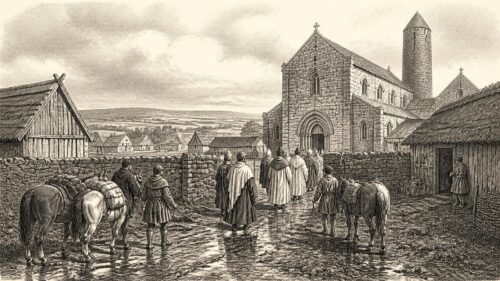
In 1251, Ireland’s fragmented political order combined royal administration, Gaelic rivalry, ecclesiastical organisation and environmental disruption. John Fitz Geoffrey’s wardship purchase illustrated links between office, inheritance and lordship, while Henry III approved Hugh’s election to Ossory and authorised an Irish coinage exchange. Connacht clergy held a synod at Tuam under Archbishop Flann Mac Flainn, although its decisions are unknown. Annals record killings among Connacht and northern kindreds, clerical deaths and Archbishop Raighned’s journey to Rome. Grants of privileges expressed royal authority locally. Summer lightning and flooding, followed by severe winter frost, damaged people, cattle, travel and livelihoods without proving famine.
Read Article
Archived: 25 October 2026
Abstract
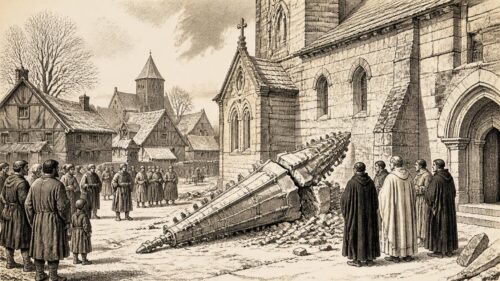
In 1250, Ireland experienced interconnected regional conflicts rather than a single national crisis. Feidlimid Ó Conchobair returned to Connacht with northern support, regained kingship through negotiation with English authorities, and expelled a rival, while Connacht hostages were blinded at Athlone. In Ulster, an expedition failed to secure Ó Néill submission; Niall Ó Canannáin was captured and killed, and Cecilia Mac Lochlainn, wife of Brian Ó Néill, died. In Desmond, Fíngen Mac Carthaig was killed after a peace breach. Derry’s church pinnacle collapsed on 8 February. Episcopal and monastic deaths further underscored institutional uncertainty during that year amid violent, contested lordship.
Read Article
Archived: 25 October 2026
Abstract
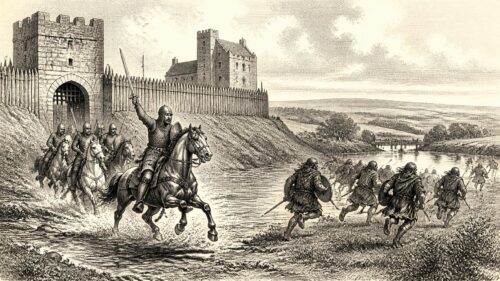
In 1249, conflict swept across Ireland’s fragmented political landscape. Justiciar John FitzGeoffrey punished resistant Leinster rulers and, with Maurice FitzGerald, invaded Connacht, devastated Ó Conchobair lands and installed Toirrdelbach Ó Conchobair in place of King Fedlimid. Fighting also afflicted Desmond and Ossory, while dynastic raids and counter-raids unsettled north-west Connacht. Fedlimid safeguarded his movable wealth beyond the Shannon as royal forces plundered territories and Loch Cé. On 15 August, Connacht princes attacked Anglo-Norman Athenry but were routed by Jordan de Exeter’s armoured sortie; Áed Ó Conchobair and many allies died. Annals also record notable ecclesiastical deaths, hospitality, learning, and chronology.
Read Article

Archived: 25 October 2026
Abstract
In 1248, military and political struggle linked northern and western Ireland across contested regions. Justiciar John FitzGeoffrey compelled Cenél nEógain to give hostages, then built a bridge over the Bann and a castle near Coleraine, strengthening royal leverage without securing conquest. Maurice FitzGerald intervened in Tír Conaill, backing Gofraid Ó Domnaill, whose rival was later killed. In Connacht, revolts, raids, cattle seizures, island warfare and a reverse in Connemara exposed limits to colonial power. Meanwhile, Fedlimid Ó Conchobair endowed Kilmore’s Augustinians, Armagh’s primate returned from Rome, and Henry III addressed baronial liberties, demonstrating intertwined warfare, lordship, church patronage and administration.
Read Article

Archived: 25 October 2026
Abstract
In 1247, warfare across north-western Ireland and Connacht exposed fragile power among Gaelic, Anglo-Irish and maritime allies. Maurice FitzGerald’s force outmanoeuvred Tír Conaill’s defenders at Ballyshannon, killing Máel Sechlainn Ó Domhnaill and installing a provisional ruler, though losses followed during withdrawal. In Connacht, Toirrdelbach Ó Conchobair and allies captured strongholds, burned Galway and other settlements, while retaliatory raids devastated communities. Waterways, fords, crannogs and castles shaped campaigning, and sea travel brought both opportunity and disaster. Churchmen mediated evacuations and maintained wider connections. Meanwhile, partition of the Marshal inheritance reshaped Leinster’s lordship. The year ended without lasting political settlement or conquest.
Read Article

Archived: 25 October 2026
Abstract
In 1246, newly built Sligo Castle became a focus of conflict between Maurice FitzGerald's expanding Anglo-Irish power and Máel Sechlainn Ó Domhnaill of Tír Chonaill. After attackers burned Sligo's enclosure but failed to seize the castle on 1 November, its garrison hanged two hostages, Ó Domhnaill's foster-father and foster-brother. FitzGerald also sought to reshape northern politics through Cormac Ó Conchobair and hostage-taking. Elsewhere during that turbulent year, John Fitz Geoffrey became justiciar; Connacht dynastic prisoners escaped, were recaptured, or were killed; bishops changed at Elphin and Armagh; Drumlane burned; Oriel suffered violence; and a stranded whale enriched coastal Sligo communities.
Read Article





