Archived: 30 October 2026
Abstract
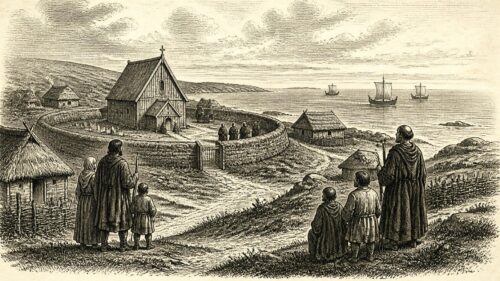
In 795, Irish annals recorded the burning of Rechru by heathens, generally identified as Scandinavian raiders and conventionally regarded as Ireland’s first surviving notice of Viking activity. Rechru’s location, possibly Rathlin or Lambay, and the raid’s scale remain uncertain; associated references may concern Skye or a shrine. The year also saw Leinster’s overking Bran Ardchenn and Queen Eithne killed by a rival dynast, weakening Donnchad Midi’s political alliances, and the death of Armagh’s abbot Faendelach. These events occurred within a rural, church-centred society connected by vulnerable seaways. They signalled emerging maritime insecurity, not immediate Scandinavian permanent settlement or Irish transformation.
Read Article
Archived: 30 October 2026
Abstract
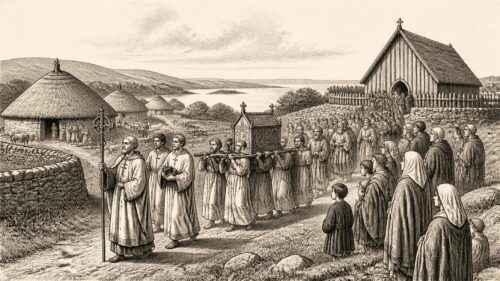
In 794, Irish annals record interconnected religious, political and maritime developments, while remaining sparse about causes and outcomes. The relics of Trian travelled on circuit, extending ecclesiastical authority among communities. Donnchad of Mide led forces supporting Leinster against Munster, while Áed son of Niall invaded Mugdorna Maigen, illustrating regional rivalry rather than national unity. Deaths of senior figures at Armagh, Bangor, Clonmacnoise, Tuaim Gréine and Cluain Bairenn marked significant ecclesiastical transitions, including female leadership. Reports of Scandinavian devastation around Britain warned Irish communities of mounting seaborne danger, preceding securely recorded attacks on Irish islands in following years and transforming horizons.
Read Article
Archived: 30 October 2026
Abstract
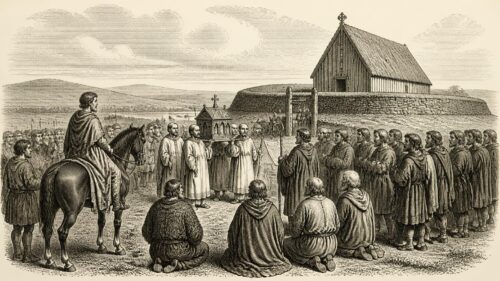
In 793, Ireland’s annals depict religious institutions as instruments of regional power rather than a unified kingdom. Muirgius of Connacht supported the promulgation of Comán’s law, while Munster’s Artrí was formally acknowledged as king alongside Ailbe’s law, probably strengthening Emly’s ecclesiastical claims. Armagh suffered the death of abbot Dub dá Leithe, other notable obituaries, and violent violation by Uí Chremthainn, followed by restoration. Tóla’s relics were taken on circuit, extending sacred authority beyond monasteries. In south-west Munster, the king of Corcu Duibne died at Conchenn. Chronological uncertainties remain, and however no securely recorded Viking raid occurred in Ireland that year.
Read Article
Archived: 30 October 2026
Abstract
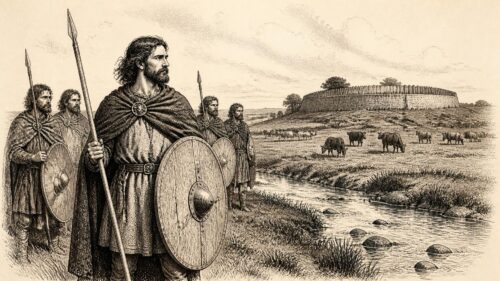
In 792, Muirgius son of Tommaltach of Síl Muiredaig defeated and killed Cináed son of Artgal at Sruth Cluana Argait, probably Cloonargid, establishing his effective overkingship of Connacht. A related battle at Ard Maic Rími crushed Uí Ailello forces and killed rulers from Cairpre and Bréifne, strengthening Muirgius without ending Connacht’s political rivalry. Annals also record deaths of kings in Dál nAraidi, Uí Fhiachrach, Dál Riata and elsewhere. Máel Ruain, founder of Tallaght’s influential religious community, died peacefully. These compressed notices reveal an Ireland shaped by contested dynastic authority, ecclesiastical succession, agricultural communities, and interconnected secular and religious power structures.
Read Article
Archived: 30 October 2026
Abstract
In 791, Muirgius son of Tommaltach defeated and killed rival claimant Cináed son of Artgal at Sruth Cluana Argait, establishing his reign over Connacht. Both belonged to competing Uí Briúin lineages, and a further defeat of the Uí Ailello, with several regional rulers killed, suggests wider consolidation. The annals date the entry under U792 but identify the year as 791. Muirgius's victory strengthened Uí Briúin Aí, though provincial authority remained contested and dependent on tribute, followers and land. The year also recorded deaths of rulers and churchmen, notably Máel Ruain of Tallaght, influential monastic reformer. No Viking raid is recorded.
Read Article
Archived: 30 October 2026
Abstract
In 790, recorded in the Annals of Ulster under a chronologically disputed heading, Donnchad Midi of Clann Cholmáin defeated Áed Ingor of Cenél nÉogain at Tailtiu, the prestigious Uí Néill assembly site. Allies from Uí Chremthainn died with Áed’s force, demonstrating complex political connections. Diarmait of Tethba was killed at Ard Ablae, while regional kings of Uí Maine and Airthir also died. Obituaries marked leading clerics’ deaths across major churches, and Connacht’s king Artgal died at Iona. Rural farming, ecclesiastical estates and assemblies underpinned society. No securely dated Viking raid belongs to this year; indigenous rivalry dominated political life throughout.
Read Article
Archived: 30 October 2026
Abstract
The Irish annal entered under AD 789 in the modern edition of the Annals of Ulster presents a country of intensely local politics, powerful churches and fragile material settlements. Its internal annal number is U790, a reminder that early Irish chronologies require care; nevertheless, the editor’s calendar heading places the cluster of notices considered here in 789 CE. The record does not describe one national event. Instead it preserves sharp glimpses from Connacht, Ulster, Leinster, Munster and the Dublin region: a battle at Áth Rois, deaths among kings and abbots, a major killing in the north-east, a church burned, and,
Read Article
Archived: 30 October 2026
Abstract
The most consequential Irish notice securely placed in 788 is not a battle or a royal accession, but a brief statement of authority: “Ciarán’s law in force in Connacht.” In an island divided among many kingdoms, dynasties and ecclesiastical federations, such a line signals a major public act. It points to the standing of the saint of Clonmacnoise, to the ability of Connacht’s rulers and clerics to cooperate, and to the practical value of religious protection in a society where cattle, tribute, land and people were vulnerable to seizure. Dating the Year Carefully Medieval Irish annals require particular care with
Read Article
Archived: 30 October 2026
Abstract
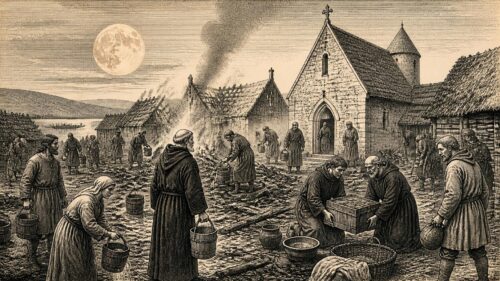
In 787, Irish annals record the death of Máel Dúin, king of In Fochla, creating a transition within the Cenél nÉogain dynasty rather than a national succession. In Connacht, Ciarán of Clonmacnoise’s law was proclaimed, extending ecclesiastical authority and protections with secular support after unrest. Deaths of abbots and bishops at several churches illustrate religious institutions managing land, learning and ritual. Daire Calgaid, probably Derry, suffered a fire of unknown cause. Annalists also noted a blood-red Moon on 18 February, preserving a celestial observation without establishing its explanation. These entries reveal intertwined political, religious and authority in early medieval Ireland.
Read Article
Archived: 30 October 2026
Abstract
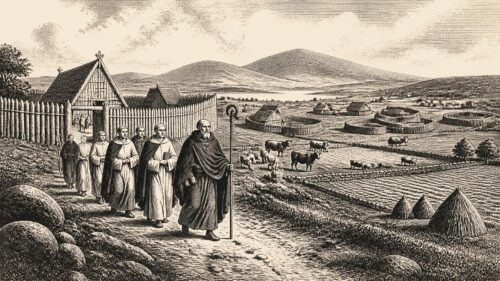
In 786, annalistic evidence depicts Ireland as politically fragmented but connected by ecclesiastical networks. In Connacht, the Uí Briúin were defeated at Gola, while the Uí Fhiachrach of Muirisc killed Flaithgal of Umall and his nobles; Tipraite of Connacht and Conall of Uí Maine also died. In the north, Máel Dúin of Cenél nEógain defeated and expelled Domnall of Cenél Conaill. Dub dá Bairenn, abbot of Clonard, visited Clonard’s Munster ecclesiastical sphere. Deaths among abbots, bishops, scholars and ascetics, notably at Kildare, underline church institutions’ importance. They nonetheless show clearly volatile local lordship, rural dependence, and durable religious authority throughout.
Read Article
Archived: 30 October 2026
Abstract
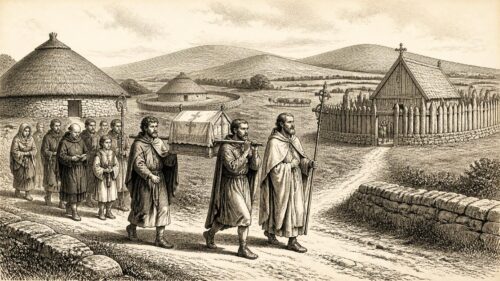
In 785, annalistic records noted political and ecclesiastical transitions across a divided, predominantly rural Ireland. Ruaidrí mac Fáeláin, Leinster overking, died, creating opportunities later exploited by Donnchad Midi and Bran Ardchenn. Máel Dúin of Loch Gabor and Dúnchad of Uí Maine also died, while Tipraite won an otherwise unexplained battle of the Muad. Relics of Ultán were carried on circuit, demonstrating mobile saintly authority and church patronage. Deaths included abbots, learned clerics, a scribe and Abbess Ellbríg. The notices reveal interconnected royal and religious networks, although they preserve little about ordinary people, chronology, motives, warfare, or material conditions in detail.
Read Article
Archived: 30 October 2026
Abstract
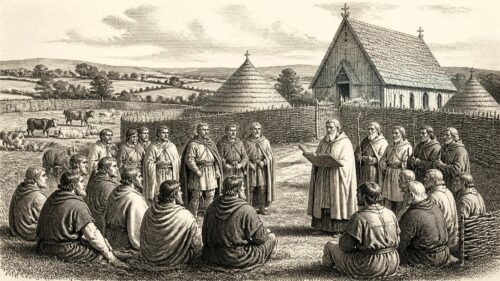
In 784, the Annals of Inisfallen record that the Law of Ailbe operated throughout Munster, indicating a provincial ecclesiastical settlement backed by saintly and likely secular authority. No surviving text identifies its rules, sponsors or proclamation, but such cána could protect churches, regulate obligations, secure revenues and reinforce peace. The measure reflected Emly’s importance and Munster’s contested kingship, without proving any specific ruler’s involvement. Notices of abbots’ deaths at Clonmacnoise and Terryglass reveal interconnected religious institutions. On 27 November, Irish-born Virgil of Salzburg died, demonstrating Irish ecclesiastical influence abroad. Together, these events illuminate sacred authority, political negotiation and rural obligations.
Read Article

Archived: 30 October 2026
Abstract
In 783, Irish annals recorded political rivalry, regional warfare, ecclesiastical change and royal deaths across a connected but divided island. Donnchad, southern Uí Néill ruler, and Fiachna of Ulaid met at Inis na Ríg, yet neither would enter the other’s sphere, exposing limits to high-kingship. Battles occurred among northern Uí Néill groups and at Carn Conaill in Connacht, while Áth Truim was burned. Church leaders died, including Flann of Inis Caín Dega, killed by poison; Dúnchad of Uí Maine adopted religious observance. Relics reached Tailtiu, demonstrating ecclesiastical authority and mobility. The notices reveal shifting local power rather than unified rule.
Read Article
Archived: 30 October 2026
Abstract
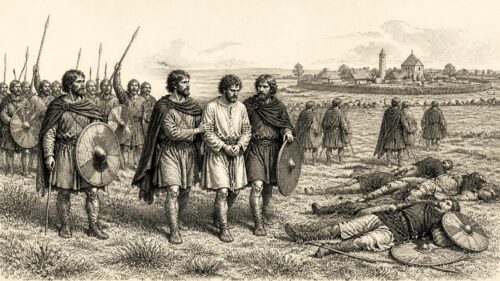
In 782, Ruaidrí son of Fáelán defeated his cousin Bran son of Muiredach at the Curragh near Kildare, killing allies including Mugrón of Uí Fhailgi and capturing Bran. The Leinster struggle involved rival Uí Dúnlainge branches and allied regional interests, amid wider pressure from Donnchad Midi of Tara, Bran’s father-in-law. In Connacht, King Artgal son of Cathal adopted the pilgrim’s staff, declaring a journey to Iona for the following year. Annals also record numerous ecclesiastical deaths, illustrating monastic administration and influence. Careful chronology is essential, since Four Masters entries are misdated; 782 reveals clearly intertwined dynastic, religious and maritime connections.
Read Article
Archived: 30 October 2026
Abstract
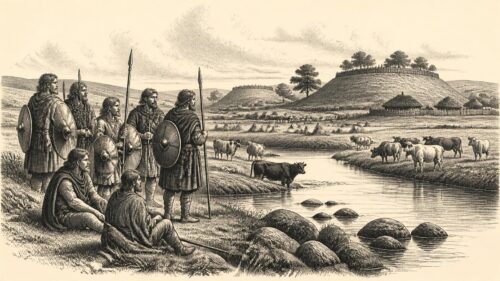
In 781, men of Brega defeated a Leinster force at the battle of the Ríg during Samhain, killing Cú Chongalt, king of Ráith Inbir. Annals name four Bregan leaders and preserve a verse recalling an unwelcome Leinster visit and encampment beside the river. The conflict reflected contested borderlands, dynastic rivalry and pressure from Tara under Donnchad Midi, without proving his involvement. Autumn warfare affected farming, tribute, livestock and local authority. Society remained rural, bound by clientship and ecclesiastical institutions. The evidence records no Viking activity, permanent conquest, or precise location, illustrating both the political significance and limits of surviving sources.
Read Article
Archived: 30 October 2026
Abstract
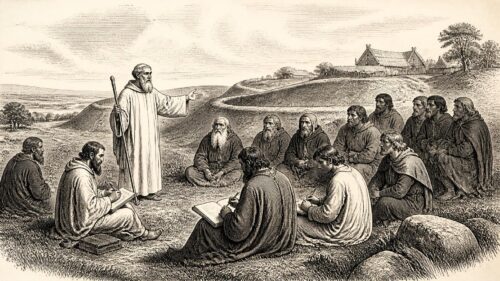
In 780, Donnchad Midi, king of Tara, campaigned against Ruaidrí of Leinster near Óchtar Ocha, driving him away and devastating territory and churches. At Tara, Dublittir, abbot of Finglas and Céli Dé leader, presided over a gathering of Uí Néill and Leinster synods, attended by anchorites and scribes, possibly seeking settlement after conflict. The third enforcement of the law of Comán and Aedán demonstrated church-backed legal authority. Annals also noted April snow, deaths among religious figures, Colgu’s victory over the Airthir, and burnings including Dumbarton Rock. Together, these notices reveal warfare, ecclesiastical mediation, law, learning, weather and Irish Sea connections.
Read Article

Archived: 30 October 2026
Abstract
In 779, Irish annals record converging environmental, ecclesiastical and political crises. A continuing cattle murrain, human deaths from want, widespread smallpox and an autumn windstorm placed severe pressure on rural communities and their pastoral economy. On 11 June, Kildare burned; fires also damaged Clonmore and Kildalkey, though causes and connections remain unknown. Several prominent clerics died, including Clonard’s bishop and Roscommon’s abbot. Donnchad Midi, king of Tara, secured hostages from northern king Domnall son of Áed Muinderg, demonstrating contested overlordship. In Munster, Breislén of Béirre killed Fergal of Desmumu in internal conflict. Fragmentary sources portray exceptional vulnerability and rivalry alike.
Read Article

Archived: 30 October 2026
Abstract
In 778, securely dated through the Annals of Ulster, Ireland endured interconnected crises. Kildare burned on 11 June, alongside Cluain Mór Maedóc and Cell Delge, damaging ecclesiastical settlements central to worship, learning and local economies. Continuing cattle disease, deaths from want, an island-wide epidemic termed smallpox, and an autumn storm intensified insecurity. Political conflict persisted: Donnchad of Clann Cholmáin took northern hostages; regional kings died or were killed; and Breislén of Béirre defeated Fergal of Desmumu. Deaths of bishops and abbots, including at Fursa’s French monastery, demonstrate ecclesiastical networks beyond Ireland. The annals reveal intertwined religious, economic and political vulnerability.
Read Article
Archived: 30 October 2026
Abstract
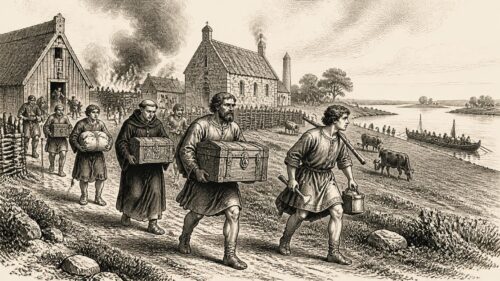
Records for 777 illustrate the difficulties of early Irish chronology. The Annals of Inisfallen report Nia son of Cú Allaid killed at Sliab Mis, the death of Connacht king Flaithrí son of Domnall, and the drowning of more than one hundred Connachta at Tír dá Glas. The Annals of Ulster's associated dossier, conventionally dated 778, describes Donnchad Midi's victory at Forchalad, Clonmacnoise's burning on 10 July, illness and cattle disease, and promulgation of Columba's law. It also notes deaths and conflict. Together the evidence depicts interconnected yet politically fragmented communities vulnerable to warfare, accidents, disease and monastic disaster across Ireland.
Read Article
Archived: 30 October 2026
Abstract
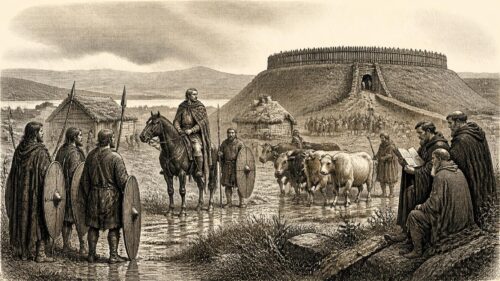
In 776, Irish annals record political conflict alongside severe environmental and health pressures. Donnchad Midi, ruler of Mide, organised a Leinster hosting against Brega, disturbed an assembly involving the Ciannachta, and entered conflict with Congalach, whose later defeat should not be dated to this year. Flaithrí, king of Connacht, died, while skirmishes and killings involved northern and local dynasties. Most strikingly, summer brought heavy rain and wind, described as winterlike, followed by bloody flux, widespread illness and major cattle murrain. These disasters threatened rural livelihoods, tribute and social security. The notices also record death of Bán Boidbgni, a learned man.
Read Article
Archived: 30 October 2026
Abstract
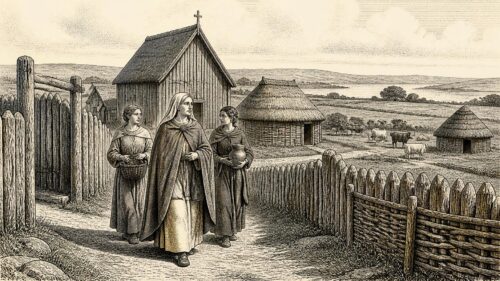
In 775, Irish annalistic evidence records deaths of ecclesiastical and learned figures, including Scannal, Maicníad, Augustin, Adarchu and Forbflaith, abbess of Clonbroney, alongside a battle at Uilleann Guaire that killed Flann son of Cellach and Scannlán son of Fínnechta. Dates and details remain uncertain because medieval annalistic chronologies differ. The year also saw Donnchad Midi, king of Tara, devastate Munster, demonstrating coercive but limited overlordship. These notices reveal interconnected political, religious and intellectual communities, in which churches held economic and social authority, women could lead religious houses, and rural households locally sustained kingdoms and monasteries through labour, rents, and service.
Read Article
Archived: 30 October 2026
Abstract
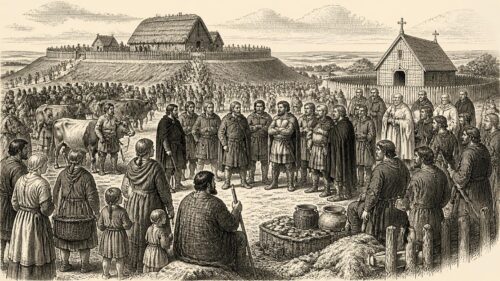
In 774, Irish annals recorded political unrest, elite deaths, ecclesiastical change and lethal illness across a fragmented yet connected island. A disturbance involving Donnchad Midi, probably at Tailtiu’s major assembly, reflected his contested consolidation of Clann Cholmáin power in Mide and among the Uí Néill, though details remain unknown. Kings of Cruachain Ai, Cenél Fiachach, the Cruithni, Uí Fhidgeinte and Corcu Baiscinn died, illustrating regional succession. Obituaries for abbots, a bishop-scribe and an anchorite demonstrate churches’ social and political importance. A bloody flux killed Eógan son of Colmán and many others, exposing wider vulnerability. No Viking raids were recorded there.
Read Article
Archived: 30 October 2026
Abstract
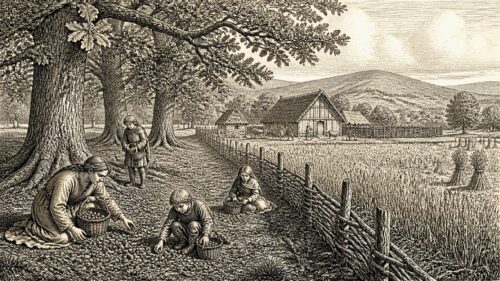
In 773, securely dated by a December lunar eclipse, Ireland experienced exceptional drought and heat, causing widespread failure of staple bread-grain. Abundant oak-mast, or acorns, offered limited relief, particularly through pig fodder, but did not erase subsistence pressures. Donn Cothaid, king of Connacht, died, prompting a dynastic transition later associated with Flaithrí of the Uí Briúin. Annals also recorded deaths of Maenach of Sláine, scribe Dainél of Letuba, several abbots and bishop Aedán, Lerthan, abbess of Kildare, and Áed of Rechru. These notices reveal interconnected environmental, political and ecclesiastical vulnerabilities, while preserving only limited detail about local consequences for communities.
Read Article
Archived: 30 October 2026
Abstract
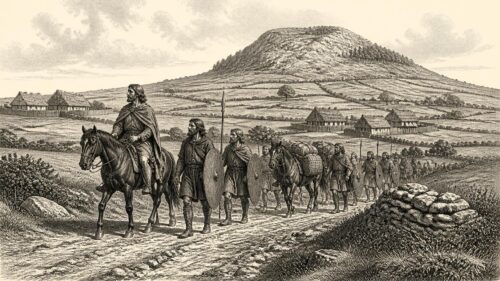
In 772, despite chronological uncertainties in the annals, Donnchad Midi of Clann Cholmáin led a hosting to Cnoc Báine in Airgialla, projecting Midland power northwards amid changing Uí Néill leadership. Connacht lost Áed Aithgén of Uí Maine and Art of Aidne, while the law of saints Comán and Aedán was renewed across its three divisions. On St Michael’s Day, lightning, thunder and heaven-sent fire terrified an assembly, prompting widely observed penitential fasts. Airlid of Clonard, Máel Aichthen of Cluain Eidnig and Suibne of Iona died, illustrating ecclesiastical networks linking Ireland, regional politics and the wider Columban world beyond its shores.
Read Article
Archived: 30 October 2026
Abstract
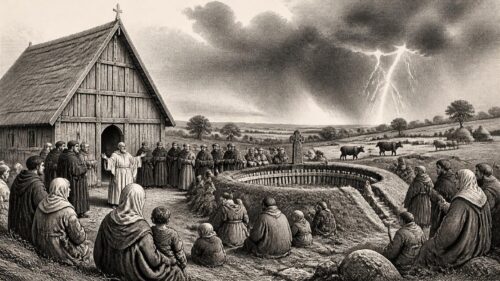
In annalistic year 771, Donnchad mac Domnaill, king of Tara, led a hosting to Cnoc Báine, probably in modern County Tyrone, demonstrating authority rather than recording a confirmed victory. The annals also note killings of Conchobor and Connacht rulers Áed Aithgein of Uí Maine and Art of Aidne. The law of saints Comán and Aedán was renewed across the three Connachts, illustrating church and secular collaboration. A severe Michaelmas thunderstorm prompted widespread fasting. Deaths included ecclesiastics from Clonard and Cluain Eidnig, and Suibne, abbot of Iona. Chronological discrepancies among later annals require caution when assigning additional events to this year.
Read Article
Archived: 30 October 2026
Abstract
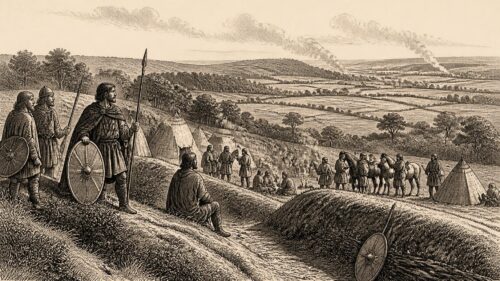
In 770, Donnchad Midi led a Uí Néill army into Leinster, where King Cellach mac Dúnchada avoided a decisive battle. Donnchad occupied Ráith Ailinne for seven days and burned Leinster’s borders, demonstrating coercive power rather than conquering the province. Leinster was already divided: Cellach had defeated rival groups at Áth Orc. Subsequent fighting brought a Leinster victory over southern Brega at Bolg Bóinne, while the Ciannachta defeated Uí Téig at Áth Cliath, with heavy losses and drownings. Annals also record ecclesiastical deaths and Feidlimid of Cashel’s possible birth, illustrating fragmented authority, warfare’s rural disruption, and limited surviving evidence in Ireland.
Read Article
Archived: 30 October 2026
Abstract
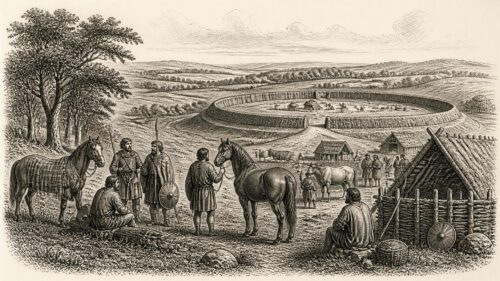
In 769, annalistic dating varied, yet records depict regional conflict. Donnchad Midi’s Uí Néill army camped at Ráith Ailinne for seven days and ravaged Leinster’s borderlands, while Cellach of Leinster later won at Áth Orc amid internal provincial struggles. Battles also affected Brega, Dublin Bay and south Leinster. In Osraige, King Tóim Snáma was killed after recent dynastic fighting. Conchobar of Aidne and Torpaid of Corcu Modruad died, alongside prominent churchmen, including abbots of Clogher and Clonmacnoise. The sources reveal fragmented kingship, military mobility and vulnerable communities. Tallaght’s foundation remains uncertain, and adjacent notices cannot securely be assigned to 769.
Read Article
Archived: 30 October 2026
Abstract
Conventionally dated to 768, the annals record transitions rather than a national crisis in Ireland. Dub Innrecht, Uí Briúin king of Connacht, died from bloody flux, creating an undocumented succession question but not evidence of epidemic or civil war. Ecclesiastical leadership changed with the deaths of Aedán of Lismore, the senior abbot at Clonmacnoise, Fer dá Crích son of Suibne at Armagh, and Coibdenach of Cell Tóma. Eithne of Brega, styled queen of Tara’s kings, was praised for penance. These selective notices illuminate intertwined dynastic, religious and economic authority in a rural, fragmented Ireland connected to Britain through learned networks.
Read Article
Archived: 30 October 2026
Abstract
In 767, reconstructed from chronologically problematic annalistic entries, Ireland’s surviving record highlights political violence, ecclesiastical succession and sacred law. Murchad son of Flaithbertach, king of Cenél Conaill, was killed, weakening a northern Uí Néill lineage already eclipsed by Cenél nÉogain under Tara’s king, Niall Frossach. Cellach son of Cairpre died at a robber’s hands, while Flathgus son of Fiachra was treacherously slain. The annals also record abbots’ deaths, demonstrating churches’ religious, economic and political importance. Patrick’s law, probably a proclamation of Cáin Phátraic linked to Armagh and royal authority, asserted a moral order, though its provisions and enforcement remain unknown.
Read Article
Archived: 30 October 2026
Abstract
In annalistic year 766, Ireland’s fragmentary records reveal political rivalry and ecclesiastical links. Folloman, king of Mide, was treacherously killed after supporting Donnchad Midi, while fighting between Mide and Brega claimed Máel Uma and Donngal. In Connacht, Dub Innrecht’s Uí Briúin defeated the Conmaicne at Sruthair, killing many, including Áed Dub. In Munster, Uí Fhidgeinte and Araid Cliach defeated Máel Dúin at Énboth Breg. Crimthann, abbot of Clonfert, died, and Suibne, abbot of Iona, visited Ireland. These notices depict competing dynasties, powerful churches, and Irish Sea connections, while leaving ordinary life largely unrecorded and offer no evidence of Viking raids.
Read Article





