Archived: 30 October 2026
Abstract
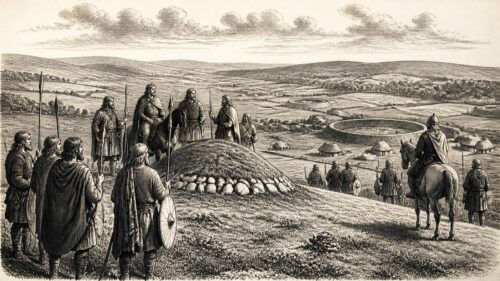
Recorded conventionally under 765, though Ulster’s chronology suggests 764, the year combined dynastic conflict, food insecurity and ecclesiastical change. At Carn Fiachach near Uisnech, Donnchad son of Domnall Midi defeated his brother Murchad, who was killed; Murchad’s ally Ailgel of Tethbae fled, strengthening Donnchad’s position in Mide. Annals also noted a shortage of bread, probably reflecting grain supplies, without proving a nationwide famine. Deaths included abbots and churchmen at Birr, Clonard, Clonbroney and Ard Braccan, kings in southern and eastern kingdoms, and retired Tara king Flaithbertach at Armagh. Together, these notices reveal Ireland’s fragmented politics, powerful churches and precarious subsistence.
Read Article
Archived: 30 October 2026
Abstract
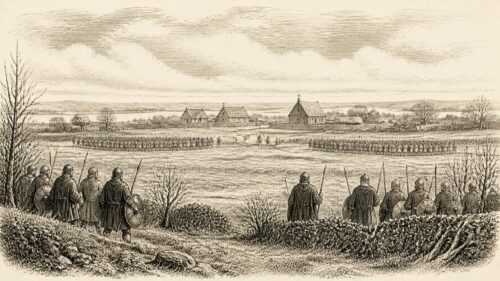
Irish annals conventionally date 764, despite chronological uncertainty, as a year of disruption. Exceptional snow, famine, drought and an intestinal sickness afflicted Ireland, though their precise effects remain unknown. The battle of Argaman saw Clonmacnoise defeat Durrow, with Durrow leaders Diarmait Dub and Diglach among 200 dead, while Bresal of Clonmacnoise was killed. The conflict reflected monasteries’ roles as wealthy, politically connected communities, not solely religious houses. Other notices record battles, deaths of abbots and kings, and Connacht’s king Ailill. Later sources add regional conflicts. A poem celebrating Niall Frossach’s miraculous showers contrasted ideal kingship and abundance with widespread privation.
Read Article
Archived: 31 October 2026
Abstract
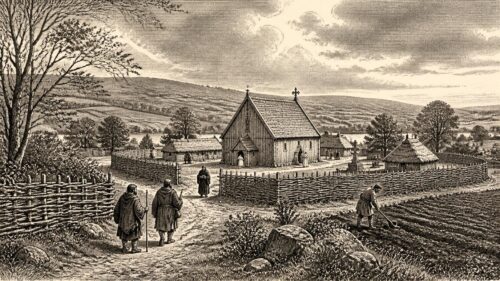
In 763, Domnall Midi of Clann Cholmáin, king of Tara, died at Durrow on 20 November, ending a southern Uí Néill ascendancy. Niall Frossach of Cenél nÉogain then began to rule, restoring the leading overkingship to the northern Uí Néill amid a contested political order rather than a unified monarchy. Annals also record Connacht’s severe but unexplained defeat at Cuilnech Mór and fighting between Munster peoples. Deaths of abbots and clerics at several major churches reveal an extensive ecclesiastical network. A daytime darkening of the sun was noted, though its cause and meaning remain unknown. Kingship, warfare and church intertwined.
Read Article
Archived: 31 October 2026
Abstract
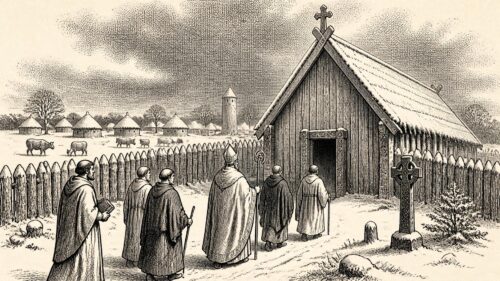
In the annalistic dossier conventionally dated 762, Ireland experienced exceptional snow and a darkened moon, perhaps linked to an eclipse dated elsewhere to December 763. Bishop Eóthigern was killed by a priest in Kildare's wooden oratory, demonstrating violence within a prestigious ecclesiastical centre, although motives remain unknown. Cenél Cairpri defeated the Luigne at Caill Tuidbig, illustrating local warfare amid Domnall Midi's overlordship. Deaths included Cormac, abbot of Clonmacnoise, and Fer Fio of Comrair, a noted scholar; Tigernach also records Fogartach of Éile and Suibne of Clonfert. These notices reveal dispersed authority, church influence, learning, and vulnerability to weather and conflict.
Read Article
Archived: 31 October 2026
Abstract
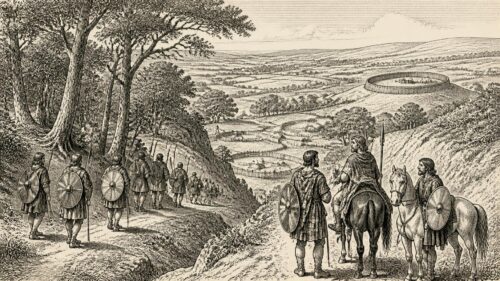
In 761, Irish annals record localised dynastic conflicts rather than an island-wide crisis. At Belach Gabráin, probably near Gowran, Osraige under Anmchad son of Con Cú Cerca defeated a Leinster force; Donngal son of Laidcnén, king of Uí Chennselaig, was killed. The repeated fighting there, also noted in 759, reflected competition for frontier routes and resources. At Áth Duma, Ulaid fought Uí Echach and Ailill son of Fíelmid died, amid north-eastern rivalries. Annals also note Pictish king Óengus’s death, illustrating Irish interest in interconnected British politics. Sources reveal changing political relationships but omit causes, numbers, civilian effects and battlefield detail.
Read Article
Archived: 31 October 2026
Abstract
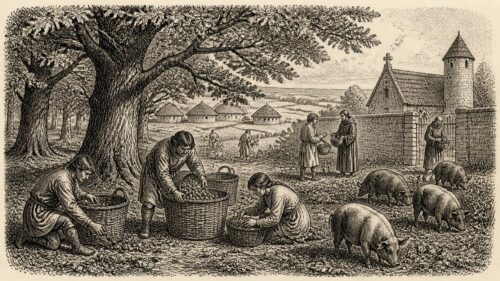
In 760, Irish annals recorded famine alongside an exceptional acorn crop, highlighting food insecurity despite local abundance and unequal access to resources. Political change followed the death of Leinster ruler Muiredach, while a battle at Belach Gabráin exposed rivalry between Leinster and Osraige. Ecclesiastical institutions were equally entangled in conflict: communities of Clonmacnoise and Birr fought, and a bishop was killed at Kildare’s altar, reportedly prompting a liturgical restriction. Death notices for rulers and churchmen reveal networks spanning Ireland. Though chronologically uncertain and selective, the annals portray a divided, interconnected society shaped by scarcity, dynastic competition, church power, and violence.
Read Article
Archived: 31 October 2026
Abstract
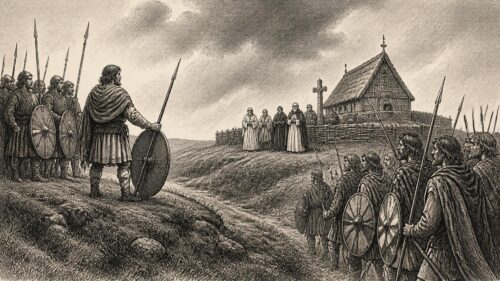
In 759, annals record conflict, death and weather across Ireland, though their dating differs slightly. At Emain Macha, rivalry between priest Airechtach and Armagh’s abbot Fer dá Chrích helped provoke battle between Ulaid and Uí Néill forces. Fiachnae of Ulaid prevailed; Dúngal grandson of Conaing and Donn Bó died. Anmchad, king of Osraige, defeated Leinstermen at Gabráin. Domnall of Leinster died, alongside kings Rechtabra and Ferdamal, several abbots and named scholars. A rainy summer and a remarkable fish-bearing stream were noted. These terse records reveal intertwined ecclesiastical authority, regional warfare, learning and environmental observation within contested local networks of authority.
Read Article
Archived: 31 October 2026
Abstract
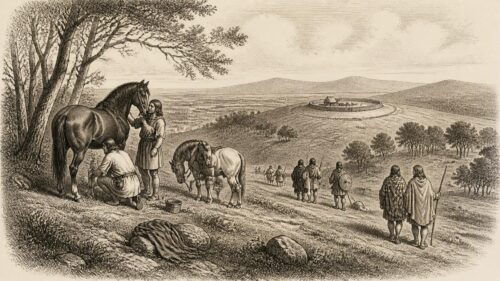
In 758, Irish annals record regional political and ecclesiastical transitions rather than an island-wide crisis. At Druim Róbaig in Connacht, Uí Briúin defeated Uí Fhiachrach; Ailill grandson of Dúnchad prevailed, while Tadc son of Muirdibur and three grandsons of Cellach were killed. Deaths included Niallgus, king of the Déisi of Brega, Cathal of Uí Chennselaig, and Aed of the Ciannachta. Céile Petair, abbot of Armagh, and Marthu, abbess of Kildare, also died. These notices reveal Ireland's regional lordships, kin-based succession and influential churches, while their selectivity precludes claims about nationwide conditions, causes, or outcomes beyond the sparse surviving evidence available.
Read Article
Archived: 31 October 2026
Abstract
In annalistic 757, Ireland’s fragmented political and ecclesiastical landscape was marked by conflict, loss and religious assertion. At Cenn Febrat in Munster, Bodbgal, superior of Mungret, died in fighting among Munstermen, while Donn of the southern Uí Briúin was killed in Connacht. Tomaltach of Ciannachta Glinne Gaimin and several churchmen also died. Uí Chremthainn burned Cell Mór Dithraib, demonstrating religious communities’ material vulnerability. Obits recorded abbots and anchorites across Ireland. Most significantly, Sléibéne, abbot of Iona, promulgated the Law of Colum Cille, renewing Columban claims and links between ecclesiastical authority, secular protection, obligations and networks spanning Ireland and western Scotland.
Read Article
Archived: 31 October 2026
Abstract
For Ireland in 756, the annals offer no single, all-embracing story. Instead, they preserve a sharp cluster of incidents: the burning of the great church settlement of Bangor on St Patrick’s Day; a military expedition which brought Leinster forces into Mag Muirthemne; the death of a Connacht overking; fighting in the midlands and Connacht; and a catastrophic wreck on Lough Ree. Read together, these terse notices reveal an island in which kingship, ecclesiastical authority and movement by water were all deeply consequential. They also demand care. Medieval annals did not record every event, and they often give outcomes without causes.
Read Article
Archived: 31 October 2026
Abstract
In the annal-year 755, Cluain Moccu Nóis (Clonmacnoise), a major monastery beside the Shannon, was burned on 21 March, though modern calendar alignment remains uncertain. The annals do not state the cause, scale or casualties, but the fire exposed the vulnerability of a wealthy religious and transport centre dependent on regional labour and patronage. They also record deaths of kings of Uí Méith, Uí Maine and Uí Fhailgi, alongside churchmen and abbots from several communities. These notices reveal politically fragmented, interconnected Ireland, where monasteries held economic, scholarly and social importance. No evidence supports nationwide crisis, war, famine or rebuilding details.
Read Article
Archived: 31 October 2026
Abstract
In 754, Irish annals recorded Sléibéne, abbot of Í (Iona), arriving in Ireland, illustrating Columban influence across the Irish Sea. Although chronology is uncertain, the associated notices portray fragmented political authority and interconnected ecclesiastical networks. Flann of Mag Aí and Loingsech of Cenél Conaill died, affecting important regional dynasties. Warfare included Osraige’s destruction of Fotharta Fea, heavy losses between Uí Briúin and Cenél Cairpri at Ard Naescán, and internal conflict among the Uí Thuirtri. The annals also noted local and religious deaths. Together, these brief records reveal an agricultural society shaped by local kingship, monasteries, violence and wider Gaelic connections.
Read Article
Archived: 31 October 2026
Abstract
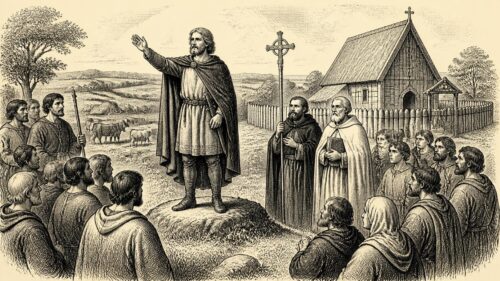
In 753 CE, Domnall Midi of Clann Cholmáin enforced the law of Colum Cille, publicly combining royal authority with the saint’s protection, privileges and ecclesiastical claims. The act reflected Ireland’s fragmented political order, where rulers, kin groups and churches negotiated power. Annals also record a solar eclipse, deaths of abbots and churchmen across Ireland, the death of Echaid, king of Uí Moccu Uais, slaughter among Connacht groups, and Ferblae’s death as a learned man. These terse notices reveal interconnected religious, political and economic communities. Chronological differences among annals require caution, although the eclipse is securely dated to 9 January 753.
Read Article
Archived: 31 October 2026
Abstract
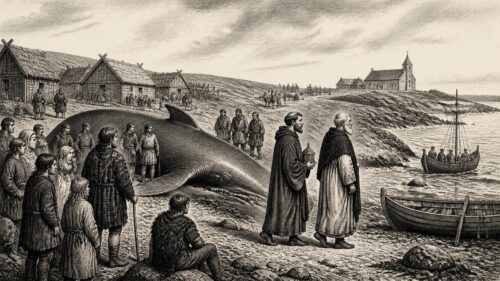
In 752, Irish annals recorded a darkened sun, the deaths of prominent abbots and scholars, and violence between the Uí Ailella and Grecraige. They also report that Domnall Midi, king of Tara, enforced the law of Colum Cille, linking royal authority with the Columban church’s claims to protection and prestige across Ireland and the Irish Sea. Most memorably, a whale stranded at Bairche in Ulaid was said to possess three golden teeth, one placed on Bangor’s altar. Though implausible literally, the tale reflects medieval connections between natural wonders, wealth, sanctity, political power, and ecclesiastical public memory within this fragmented record.
Read Article
Archived: 31 October 2026
Abstract
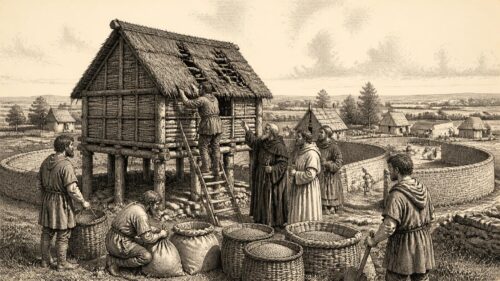
In 751, Irish annals recorded regional political and ecclesiastical change rather than a national event. Half the stored grain at Clonard, a major Meath monastery, was destroyed in uncertain circumstances, exposing the dependence of religious communities upon agricultural production, estates and redistribution. Flann of Uí Fhailgi and Fergus of southern Brega died, creating potential succession openings without recorded conflict. Numerous abbots, bishops, rulers and learned figures also died across Ireland, illustrating the reach of connected churches and monastic networks. The evidence does not establish famine, epidemic, warfare or Viking activity. Instead, 751 reveals fragmented kingship, clerical influence and material vulnerability.
Read Article
Archived: 31 October 2026
Abstract
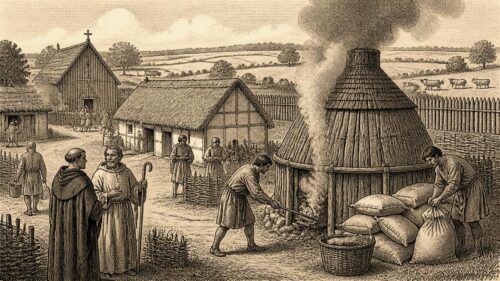
In 750 CE, the Annals of Ulster recorded that half the grain stores at Cluain Ioraird, or Clonard, County Meath, burned in a kiln or drying-house. The cause, quantity lost and consequences remain unknown, but the notice demonstrates the importance and vulnerability of a church settlement dependent on food, labour and reserves. Clonard, an established midland church linked later with learning, operated within networks of land, obligation and regional power. That year also saw the deaths of kings of Uí Fhailgi and southern Brega, illustrating fragmented political authority. The fire reveals material foundations supporting religious life, hospitality and institutional survival.
Read Article
Archived: 31 October 2026
Abstract
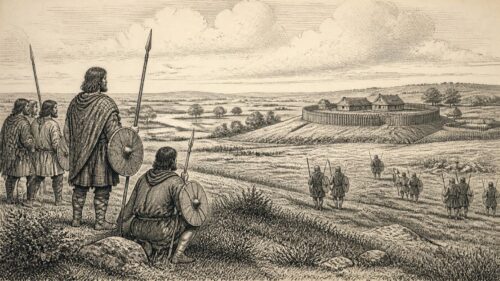
In 749, Irish annals recorded warfare, killings, fires, ecclesiastical deaths and ominous phenomena. At Ard Ciannachta near the Boyne, Dúngal son of Amalgaid won a battle in which Ailill son of Dub dá Crích fell, while Domnall son of Cináed, initially victorious, died in a counter-attack. Cathusach, king of the Cruithin, was killed in Ulaid. Clonfert and Cell Mór burned, and several abbots and rulers died. Iona’s community suffered drowning, while a great windstorm was noted. Ships reportedly appeared above Clonmacnoise, a prodigy reflecting annalists’ providential outlook. Together, these sparse records reveal political fragmentation, vulnerable religious institutions and environmental dangers.
Read Article
Archived: 31 October 2026
Abstract
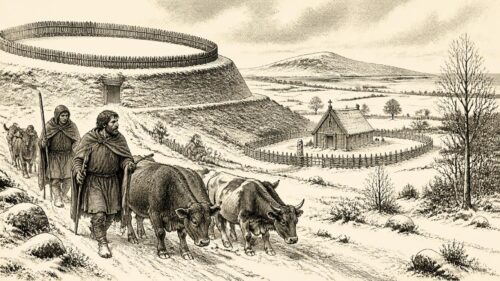
In 748, Irish annals recorded exceptional snow, widespread cattle mortality and subsequent drought, placing severe pressure on a pastoral economy without proving famine. The death of Indrechtach, king of the Ciannachta, affected politics in Brega, while Congal of Airthir was killed at Ráith Escla. Ua Suanaig’s law was enforced in Leth Cuinn, demonstrating proclaimed legal authority despite uncertain provisions or reach. Annals also noted deaths of abbots, anchorites and learned men, illustrating churches’ economic and social importance. A described battle and an aerial-ship prodigy reveal chronicles combining conflict, environment, leadership and marvels. The evidence depicts interconnected hardship, authority and learning.
Read Article
Archived: 1 November 2026
Abstract
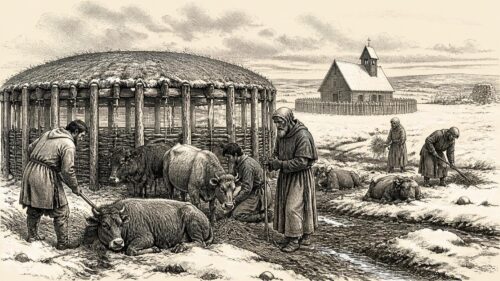
In 747, Ireland experienced exceptionally deep snow, widespread cattle mortality and subsequent drought, shocks that endangered a rural economy dependent on livestock for food, labour, tribute and status. The annals do not establish famine or population loss, but attest severe island-wide disruption. Political life continued: Indrechtach of the Ciannachta and Queen Muirenn died, while Congal of the Airthir was slain. Suanach’s grandson’s law operated in Leth Cuinn, indicating public legal or ecclesiastical authority. Obituaries recorded abbots, anchorites and scholars, including Cúan Cam. Munster sources noted fighting at Cúil Géisi. Together, the entries reveal interconnected environmental, political, legal and religious pressures.
Read Article
Archived: 1 November 2026
Abstract
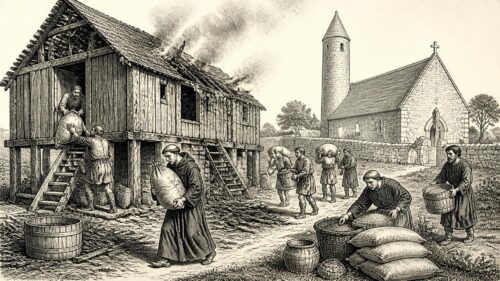
In 746, Irish annals recorded the violation of sanctuary at Domnach Pátraic, where six unnamed captives were hanged, exposing the religious and political weight of ecclesiastical protection. They also noted local warfare, including deaths among rival leaders, defeat of the Conmaicne, slaughter among southern Uí Briúin, and kin-slaying at Les Mór. Obits of abbots, bishops and rulers reveal a dispersed network of churches and regional powers. The Four Masters record fire damage to half Clonard’s granary, highlighting institutional resources and vulnerability. Notices concerning Domnall Midi’s era and dragons seen in the sky further convey a fragmented, unsettled Ireland in transition.
Read Article
Archived: 1 November 2026
Abstract
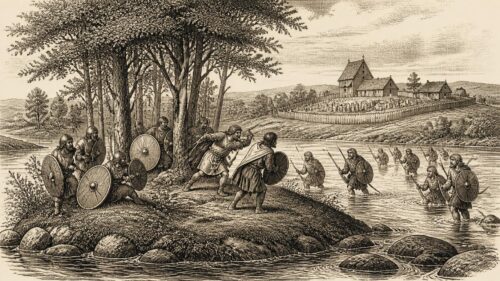
In 745, Irish annals recorded a battle at Inis eter dá Dabul between the Uí Thuirtri and Airthir. Congal son of Éicnech led the Airthir to victory; notable opponents were killed or fled. The conflict reflected shifting local power within Airgíalla, despite Domnall Midi’s wider kingship of Tara. The same annalistic year saw the deaths of abbots at Clonard, Lann Léire and Tech Taille, an anchorite, a church superior and the scribe Conall Foltchain. A remarkable night-time celestial sign was also reported. Together, these concise notices illuminate interconnected warfare, ecclesiastical leadership, learning, rural resources and belief in early medieval Ireland.
Read Article
Archived: 1 November 2026
Abstract
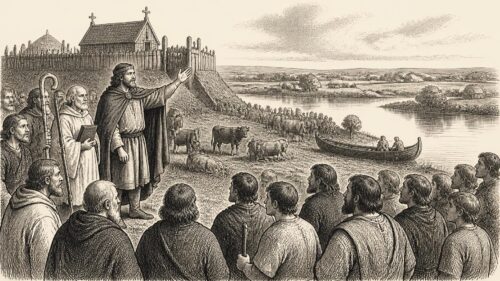
In the political moment around 744, Irish annals record regional deaths, warfare and the close alliance of kingship and church authority. Ardgal, king of Éile, died, while bishops and ecclesiastical leaders including Laidcnén of Saigir and Colmán of Lesán were killed. Conflicts claimed Conchobor of Uí Fhidgente and other elites, and the Déisi defeated Corcu Mo-Druad. Most significantly, Forggus son of Cellach, Uí Briúin king of Connacht, jointly enforced the laws of Saints Ciarán of Clonmacnoise and Brénainn of Clonfert, securing ecclesiastical rights through royal power. Differing annalistic chronologies place much of this cluster in 743 or 744. Sources differ.
Read Article
Archived: 1 November 2026
Abstract
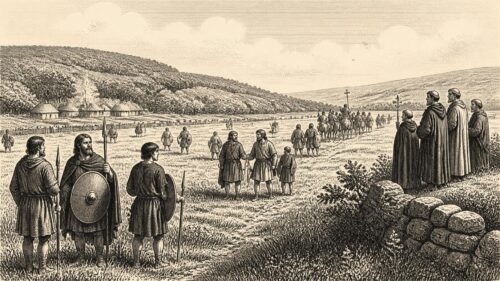
In 743, at Seredmag, probably Kells, Domnall Midi of Clann Cholmáin defeated and killed Áed Allán of Cenél nÉogain, king of Tara, with three Airgíallan allies. The victory shifted Uí Néill pre-eminence from northern to midland hands, though Ireland remained divided among kingships. Annalistic dating differs slightly, but denotes one battle. It occurred during a summer of conflicts across Brega, the midlands, Connacht and the north. Notices also record ecclesiastical law, relics on circuit, a widespread disease called bolgach, deaths of church leaders, and a later tradition of airborne ships. The year reveals contested authority, religious influence and social insecurity.
Read Article
Archived: 1 November 2026
Abstract
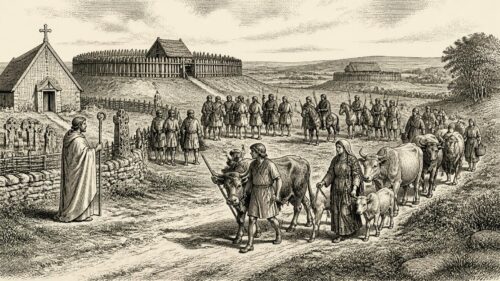
An annalistic dossier assigned to 742 by the Annals of Ulster, but often dated 743, records intense political, ecclesiastical and social change in Ireland. At Seredmag near Kells, Domnall Midi defeated and killed Áed Allán, gaining wider kingship and strengthening Clann Cholmáin against Cenél nÉogain. Other regional battles and killings reveal widespread instability. Deaths of Affrica of Kildare and abbots of Rechru and Mag Bile marked ecclesiastical successions. Suanach’s law was enacted, and relics of Trian of Cell Delge travelled on circuit. The annals also report widespread bolgach, probably a smallpox-like disease, showing warfare, religious authority and illness shaped communities.
Read Article
Archived: 1 November 2026
Abstract
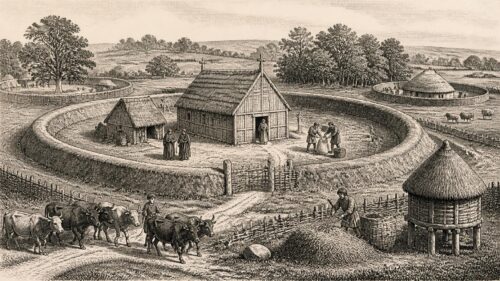
In 741, the Annals of Inisfallen record the death of Cúán, abbot of Ferna, probably Ferns in County Wexford, and Flann Feórna son of Colmán, king of Ciarraige Luachra in western Munster. These brief notices reveal the importance of ecclesiastical and local royal leadership in early medieval Ireland. Ferns was a significant religious and economic community, while Ciarraige Luachra was a petty kingdom within Munster’s layered political order. The entries provide no details of succession or circumstance. They instead demonstrate how annalists preserved selected deaths within Christian chronology, reflecting a rural, hierarchical society shaped by churches, kinship and regional kingship.
Read Article
Archived: 1 November 2026
Abstract
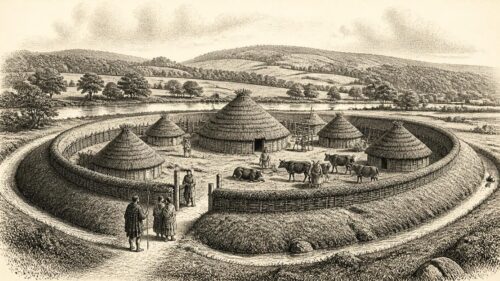
In 740, Irish annals record the killing of Forbasach son of Ailill, ruler of Osraige, revealing the vulnerability of a strategically placed kingdom between Leinster and Munster. They provide no details of his killer, circumstances or successor, limiting interpretation. Another secular leader, Ua Ailello of Cenél Fiachrach, was also killed. Ecclesiastical deaths included Cellach, abbot of Clonmacnoise, Dub dá Boirenn of Fore, Bran of Lann Ela and Flann Febla of Gort Conaig. These losses illustrate changes in authority across political and religious communities. Rural life continued through farming, craftwork and livestock management, while monastic literacy preserved this selective historical record.
Read Article
Archived: 1 November 2026
Abstract
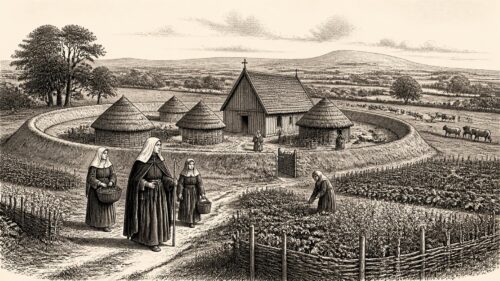
In 739, Irish annals record the death of Samthann, abbess of Cluain Brónaig near Granard, alongside deaths of the scribe Cúán of Treóit, Bishop Flann of Rechru, another bishop, and Ailill, king of Uí Chremthainn. They also describe the burning at Bodbráith of followers belonging to a Domnall, in which Ailill of Brí Léith died in a banqueting hall. The event’s cause and Domnall’s identity remain uncertain. These sparse notices, set after warfare in Leinster, reveal interconnected religious communities, regional dynasties and dependants. Churches were centres of landholding, learning and authority, while rural farming sustained ecclesiastical institutions and political households.
Read Article
Archived: 1 November 2026
Abstract
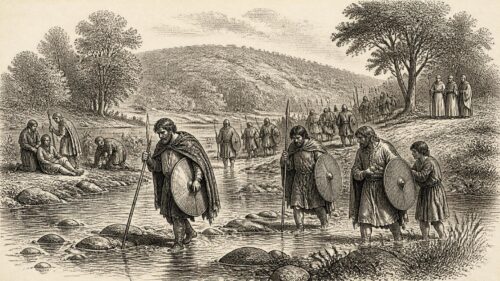
In 738, Áed Allán, king of Tara, defeated Leinster at Áth Senaig, probably near modern Kilcullen, killing Áed mac Colggen, Bran Bec and numerous provincial leaders. Annals date the battle to 19 August, although claims of near-total destruction and 9,000 deaths are rhetorical. The defeat intensified Leinster’s succession crisis, weakened Uí Chennselaig, and preceded long Uí Dúnlainge dominance, without conquering the province. Munster’s Cathal mac Finguine also exacted hostages and treasure from Leinster, though chronology is uncertain. Tólae, bishop of Clonard, died, while Cernach of Brega was murdered, illustrating ecclesiastical influence and continuing dynastic instability across Ireland during the year.
Read Article
Archived: 1 November 2026
Abstract
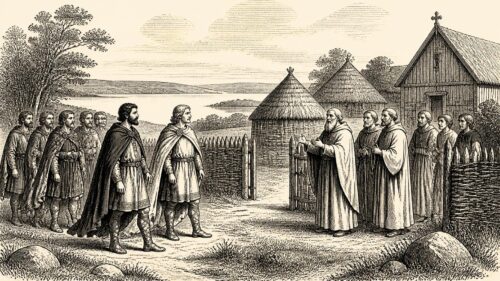
In 737, Áed Allán, northern Uí Néill overking, met Cathal mac Finguine of Munster at the monastery of Tír dá Glas, probably to limit conflict, although terms remain unknown. Annals then declared Patrick’s law effective in Ireland, projecting ecclesiastical legitimacy and wider order rather than recording a uniform national code. The year nevertheless saw dynastic violence in Brega, where Conaing defeated Cernach and Cathal son of Áed died, alongside deaths of regional rulers and abbots. Failbe of Applecross drowned with twenty-two sailors, illustrating Gaelic maritime links. These records reveal negotiation, church influence, instability, and aspirations to unity amid fragmented kingship.
Read Article
Archived: 1 November 2026
Abstract
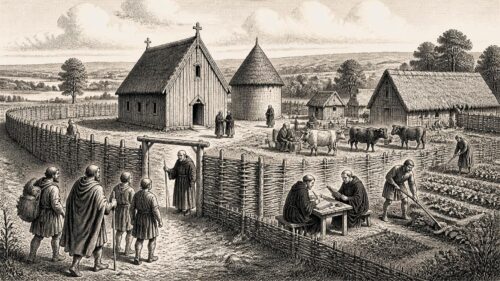
In 736, Irish annals recorded deaths of abbots at Clonard, Lusk, Ardbraccan and Mag Bile, alongside the passing of the scholar-anchorite Duiblitir on Inis Bó Finne. Máel Fothartaig was killed by fellow Leinstermen, while Bodbthach, king of Cairpre, died, illustrating localised political authority and conflict. These terse notices reveal churches as influential economic, social and political centres, though succession details remain unknown. Across the North Channel, Pictish king Óengus devastated Dál Riata, capturing Dúnadd and imprisoning Selbach's sons. The evidence indicates transition rather than collapse, highlighting Ireland's ecclesiastical networks, regional rivalries and maritime connections. Dating uncertain; precise dates remain unrecorded.
Read Article





