Archived: 25 October 2026
Abstract
In 1279, Ireland’s fragmented political and religious worlds were marked by leadership changes, local violence and expanding lordly authority. Archbishop Tomaltach Ó Conchobair of Tuam died after two decades in office, while killings among Connacht kindreds exposed persistent dynastic rivalry. Robert of Ufford’s administration strengthened castles at Roscommon, Rindown and Athlone, increasing demands upon surrounding communities and anticipating monetary reform. In Thomond, Thomas de Clare pursued settlement and castle-building at Quin amid Ó Briain resistance and continued campaigning. Elsewhere, aristocratic penitential burial, monastic patronage, learned tradition and a Tipperary land lease demonstrate ecclesiastical, cultural and agricultural life alongside conflict daily.
Read Article
Archived: 25 October 2026
Abstract
In 1278, Thomas de Clare’s ambitious lordship of Thomond provoked sustained conflict. On 11 May, he executed the displaced king Brian Ruad Ó Briain at Bunratty, allegedly with assistance from Brian’s captains. Brian’s son Donnchad later defeated de Clare’s forces at Quin, where a church was burned and many died. Connacht suffered violent succession struggles: King Tadc Ó Conchobair was killed, followed by further dynastic murders and Áed Muimnech’s contested accession. Violent deaths also affected regional rulers. Bishop Thomas Ó Cuinn died, while Cashel’s archbishop visited England. These events revealed authority’s dependence on alliances, hostages, resources and force across Ireland.
Read Article

Archived: 25 October 2026
Abstract
In 1277, authority in Ireland was contested through dynastic rivalry, warfare, castles and law. In Thomond, Brian Ruad Ó Briain allied with Thomas de Clare, holder of Edward I’s grant to Thomond, against his nephew Toirrdelbach. Defeated, Brian sought refuge at Bunratty but was seized and executed on de Clare’s orders. In Connacht, Irish forces led by an Ó Conchobair and Domnall Ó Domnaill demolished Roscommon Castle, challenging royal control. Irish people reportedly offered 7,000 marks for English common law, seeking legal protections. The year also recorded ecclesiastical continuity and local raiding, illustrating Ireland’s plural, unstable political order throughout society.
Read Article
Archived: 25 October 2026
Abstract
In 1273, Irish authority remained fragmented among royal officials, settler magnates and Gaelic dynasties. Jordan d’Exeter’s raid in Corann provoked a failed Connacht pursuit, killing several members of ruling and learned families. Elsewhere, Conchobar Buidhe Ó Ruairc of Brefne and Eochaid Mac Mathghamhna of Oriel were killed, while expulsions altered power in western Connacht. Maurice FitzGerald’s expedition into Thomond obtained O’Brien hostages and submission, though not lasting conquest. Geoffrey de Geneville arrived as justiciar, strengthening royal administration without eliminating regional independence. Richard de Carew died, and a Barry charter granted Cahirduggan church to Ballybeg Priory, illustrating ecclesiastical patronage amid warfare.
Read Article
Archived: 25 October 2026
Abstract
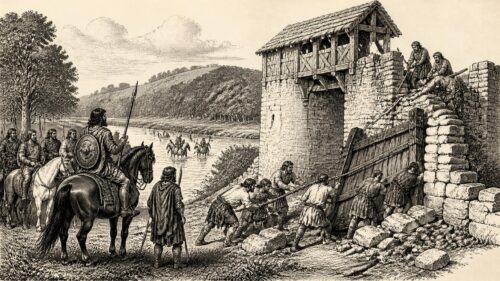
In 1272, Áed Ó Conchobair, king of Connacht, intensified resistance to Anglo-Norman power by destroying Roscommon castle, burning Athlone and Meath towards Granard, breaking Athlone’s bridge, and deploying a flotilla on Lough Ree. Fighting also killed Henry Butler of Umhaill, while dynastic violence and deaths unsettled Connacht and Breifne. Justiciar James de Audley died amid disputed circumstances, weakening royal administration, though official links with England continued. Henry III’s death brought Edward I’s succession as lord of Ireland. Annals also record elite deaths and burials, while warfare devastated settlements, resources, travel and local security across western and central Ireland that year.
Read Article
Archived: 25 October 2026
Abstract
Walter de Burgh, earl of Ulster and lord of Connacht, died at Galway in July 1271, leaving his young heir Richard vulnerable during a minority. His death coincided with Áed mac Fedlimid Ó Conchobair’s destruction of castles at Templehouse, Sligo and Athleague, weakening de Burgh authority across Connacht. Killings in Connacht, Annaly, Oriel and the Breifne borderlands further revealed fragmented lordship and shifting local alliances. Annalistic notices also record religious deaths, penitence and burial, reflecting political and spiritual culture. Although Anglo-Norman power endured, 1271 reduced its capacity while Áed’s Gaelic kingship remained formidable, making the year a significant turning point.
Read Article
Archived: 25 October 2026
Abstract
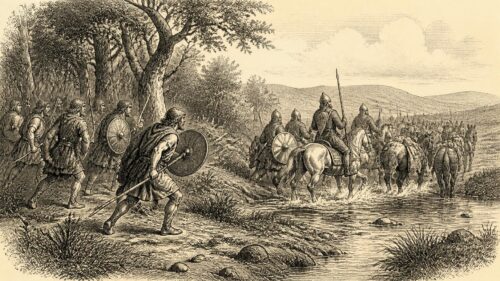
In 1270, Áed Ó Conchobair defeated Walter de Burgh’s Connacht expedition at Áth an Chip after manoeuvres around the Shannon, failed negotiations and hostage-taking. Local forces harassed the invaders, broke their vanguard and rear guard, and inflicted notable losses. Áed subsequently attacked castles, towns and settlements, including Roscommon, although conflict and reprisals continued across Connacht, Sligo, Corann and Thomond. The campaign demonstrated the strength of Gaelic kingship against Anglo-Irish magnates without ending de Burgh’s influence. Ireland also suffered widespread hunger and destitution. The year saw Archbishop Máel Pátraic Ó Scanaill’s death and Tanaide Mór Ó Maelchonaire’s succession as Connacht’s ollamh.
Read Article
Archived: 25 October 2026
Abstract
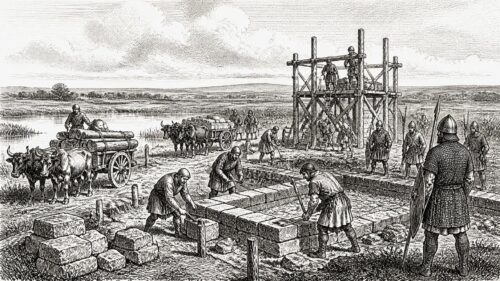
In 1269 Robert de Ufford, the English crown’s justiciar, began Roscommon Castle while Áed Ó Conchobair, king of Connacht, was ill, exploiting a temporary weakness to establish a durable royal foothold. The project disrupted local people and intensified Anglo-Irish pressure within Ó Conchobair territory, although it did not signify Connacht’s conquest. Sligo Castle’s rebuilding by Mac Muiris Mac Gerailt similarly demonstrated contested frontier control. Religious life featured Imar Ó Birn’s entry into Roscommon’s Dominican priory and aristocratic patronage. Annals also noted killings, the death of musician Áed Ó Finn, and uncertain reports of an earthquake and weather, requiring cautious chronology.
Read Article

Archived: 25 October 2026
Abstract
In 1268, Áed Ó Conchobair of Connacht defeated an army termed the Galls of Ireland at the Faes after answering a challenge at Athlone, strengthening Gaelic resistance to lordship expansion. The year also brought severe famine across Ireland, compounding warfare and pressures. In Thomond, King Conchobar Ó Briain, his family and followers were killed amid dynastic conflict, followed by reprisals and mutilation. Other rulers died or were killed in struggles. Ecclesiastical succession continued at Armagh, Clogher and Annadown, while the death of poet-host Aengus Ó Dálaigh reflected cultural life. Sea travel, northern captivity and escape show a fragmented, connected society.
Read Article

Archived: 25 October 2026
Abstract
In 1267, Connacht and neighbouring districts experienced raids, destruction and political uncertainty rather than a single campaign. Drumcliff, an important ecclesiastical centre and settlement in present-day County Sligo, was completely burned with its churches, although attackers and casualties remain unknown. West Connacht Foreigners raided Carbury and Ballysadare, while Mac William Burke plundered Áed Ó Conchobair’s lands. Murchad Mac Suibne was captured in Umhall, delivered to Walter de Burgh, and died in prison. Áed recovered from grave illness amid several dynastic deaths. Bishop Romanus of Clonfert sought the pope, while annals also noted Munster murder and England’s continuing baronial civil war.
Read Article

Archived: 25 October 2026
Abstract
In 1266, Connacht experienced conflict among Gaelic rulers, settler communities and Walter de Burgh’s lordship. Tiaquin Castle was demolished and Conmaicne ravaged, while townships, castles and grain stores were burned. Áed Ó Conchobair, king of Connacht, pursued rivals and projected authority into Bréifne, deposing Art Ó Ruairc, installing Conchobar Buide and taking hostages. His regime also used blinding as political punishment. Raids, killings and a failed Burke hosting demonstrated an unsettled balance of power. Despite warfare, monasteries, dioceses and learned families remained active, recording deaths, appointments and consecrations. Ireland’s order endured through violent, local negotiation of resources, fortifications and succession.
Read Article

Archived: 25 October 2026
Abstract
In 1265, Connacht underwent rapid political and military change. King Fedlimid Ó Conchobair died and was buried at the Dominican priory in Roscommon, while his son Áed na nGall succeeded him, asserted authority through a destructive hosting into Uí Fhailge, and eliminated a dynastic rival by blinding. Áed also led the demolition of castles at Sligo, Bannada and Ráth Ard Craibe, challenging Anglo-Irish lordship, though Sligo was soon rebuilt. Ballintober Abbey burned, under unknown circumstances. Deaths and elections altered church leadership, and negotiations at Kilmaine ended in killings. Wider Anglo-Irish conflicts influenced Connacht’s unstable balance of power during this year.
Read Article

Archived: 25 October 2026
Abstract
On 18 June 1264, an assembly at Castledermot became the earliest securely documented Irish gathering to call itself a parliament. Chaired by the justiciar Richard de la Rochelle, it investigated Dublin archbishops’ claimed criminal jurisdiction against Prince Edward’s rights, illustrating contested authority rather than representation. Meanwhile Walter de Burgh’s war with the FitzGeralds devastated Connacht and exposed weakness in royal administration. Anglo-Irish leaders negotiated peace with Fedlimid Ó Conchobair at Athlone, acknowledging Gaelic power. In Armagh, Archbishop Máel Pátraic Ó Scannail built defences and welcomed Franciscans. Together, these events vividly reveal competing lordly, royal, Gaelic and ecclesiastical powers in Ireland.
Read Article
Archived: 25 October 2026
Abstract
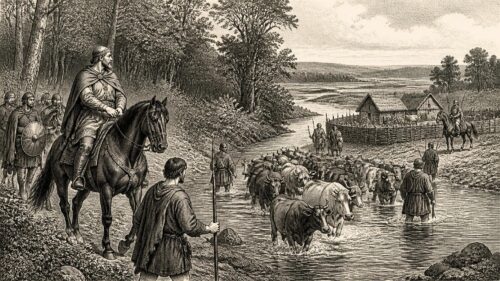
In 1262, Ireland experienced interconnected conflicts and negotiations across Connacht, Annaly, Munster and church politics. Fedlimid Ó Conchobair and his son Áed resisted forces led by Mac William de Burgh, the justiciar and John de Verdun, safeguarding cattle, devastating enemy territory and making a temporary peace. Roscommon was selected for a future royal castle. In Annaly, Gilla na Naem Ó Fergail regained lordship after local defections. Mac Carthaig defeated an expedition at Mangerton, but Cormac Mac Carthaig died. Munster endured further raids. At Drogheda, Archbishop Máel Pátraic Ó Scannail reinforced Armagh’s jurisdiction over Meath, while Dublin disputes exposed urban tensions.
Read Article
Archived: 25 October 2026
Abstract
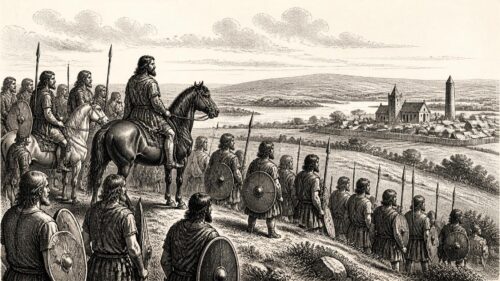
In 1260 Brian Ó Néill’s Gaelic coalition, including forces from Tír Eógain, Connacht and Meath, was defeated by northern English interests at Druim Derg near Downpatrick. Brian and many leading allies died, ending his claim to leadership of Ireland’s Gaels; Áed Buide Ó Néill succeeded in Tír Eógain. Elsewhere, Connacht resisted MacWilliam de Burgh’s raid through defensive deployment and negotiated peace, while Thomond defeated Mac Muiris’s force. A cough affected people and horses. Church offices changed hands, and Kildare’s Franciscan friary may have been founded during this period. The year revealed political fragmentation, regional resilience and religious life amid warfare.
Read Article
Archived: 25 October 2026
Abstract
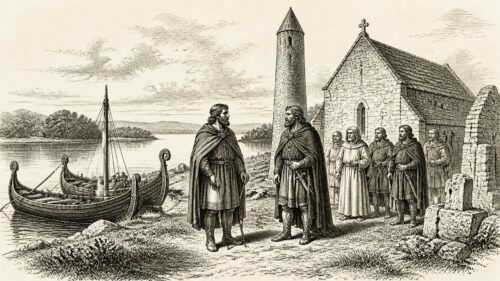
In 1259, Áed Ó Conchobair of Connacht asserted authority in Breifne by replacing rivals, taking hostages, raiding opponents and ordering blinding. At Devenish, he and Brian Ó Néill restored Domnall Ó Ruairc, demonstrating northern alliance politics and Brian’s wider influence. Áed’s marriage at Derry to Dubgall Mac Somairle’s daughter linked Connacht with the western seaways and armed support. Ulster, Thomond and Desmond saw raids, conflict and attacks affecting churches and communities. Tomaltach Ó Conchobair returned from Rome as archbishop of Tuam, while the deaths of Bishop Cormac Ó Luimlín and poet Gilla Cam marked losses to learning and ecclesiastical life.
Read Article

Archived: 25 October 2026
Abstract
In 1256, the political frontier running through Connacht and Breifne was anything but fixed. The year’s fullest surviving narrative, preserved in the Annals of Connacht and the closely related Annals of Loch Cé, records a remarkable sequence of armies, negotiations, raids, hostage-taking and local feuds. Its central event was a hard-fought encounter at Magh Slecht, near the passes of Sliabh an Iarainn, where Áed Ó Conchobair and Conchobar Ó Ruairc defeated leading men of the Uí Raghallaigh. Yet the battle was not an isolated clash: it exposed the fragile alliances and overlapping claims that shaped life in the Irish midlands.
Read Article

Archived: 25 October 2026
Abstract
In 1243, Connacht and its borderlands saw political violence centred on Tadhg Ó Conchobair, grandson of Cathal Crobderg. Released by Cú Chonnacht Ó Raigillig, Tadhg seized Cormac Mac Diarmata and his own mother, Étáin, delivering her to Ó Raigillig as ransom. At Martinmas, Ó Raigillig treacherously recaptured Tadhg and killed his followers, worsening Connacht-Bréifne tensions. Raids by Cathal Ó Conchobair deepened conflict. Ecclesiastical notices record clerical deaths, overseas learning, and enlargement of Ardcarne church. Richard de Burgh died campaigning for Henry III in France. Annalistic confusion over Hugh de Lacy’s death requires caution, illustrating limitations of medieval chronology in sources.
Read Article
Archived: 25 October 2026
Abstract
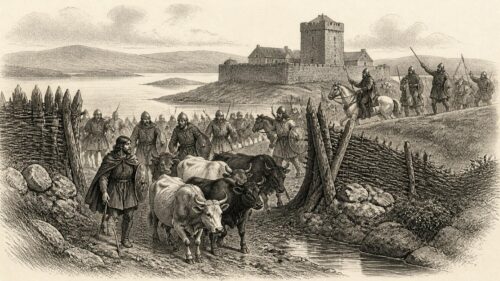
In 1236, Connacht remained unstable after Anglo-Norman conquest, as Maurice FitzGerald displaced Fedlimid Ó Conchobair, who escaped northwards. FitzGerald’s forces pillaged lands, captured women and built a stronghold, while Brian Ó Conchobair ruled with foreign support. Fedlimid returned with allies and raided Rindoon’s defended settlement for cattle, but his dispersed forces were defeated. Richard de Burgh later backed him, yet warfare devastated Tuam, Mayo and surrounding districts, including churches and their food stores. Burned sanctuaries, captivity, hunger and scarcity marked the year. Ecclesiastical authority proved ineffective against violence, although Tuam’s archbishop-elect gained English and papal confirmation. No durable settlement emerged.
Read Article
Archived: 25 October 2026
Abstract
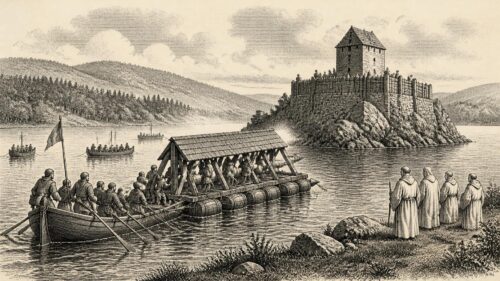
In 1235, Richard de Burgh and Justiciar Maurice FitzGerald led a broad Anglo-Irish army into Connacht, burning Roscommon and Elphin, raiding cattle, and disrupting communities. The expedition extended into Thomond, forcing King Donnchad Ó Briain to surrender hostages and tribute, before pursuing Fedlimid Ó Conchobair’s allies across western coastal and island regions. At Lough Key, attackers deployed ships, siege engines and a floating ram to capture the Rock, but its garrison lost it within twenty nights. Fedlimid later made peace and retained five cantreds. The campaign demonstrated lordship power, yet Connacht remained damaged, politically contested and far from securely conquered.
Read Article
Archived: 26 October 2026
Abstract
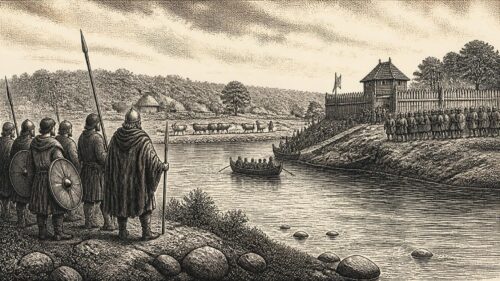
In 1230, Áed mac Ruaidrí Ó Conchobair’s revolt against Richard de Burgh, Mac William, intensified Connacht’s succession crisis. De Burgh assembled Anglo-Norman and Gaelic allies, advanced through Galway and Mayo, secured submissions and hostages, and defeated Donn Óc Mac Airechtaig’s forces at Fincharn. His troops devastated communities sheltering with cattle in remote terrain, causing hunger, deaths and dispossession. At Lough Key, de Burgh installed Fedlimid mac Cathail Chrobdeirg as king and expelled Áed, who sought Ó Néill’s protection in Tír Eógain. The year also recorded Áed Ó Néill’s death and obituaries illuminating ecclesiastical leadership, monastic craftsmanship and scholarship across Ireland.
Read Article
Archived: 26 October 2026
Abstract
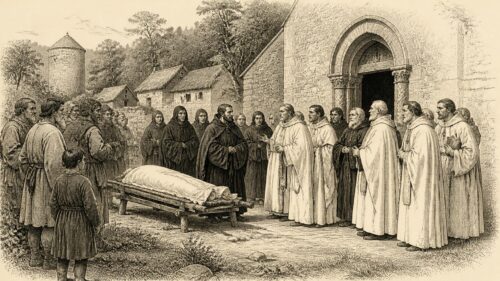
In 1229, the disputed burial of Diarmait Mac Gilla Carthaig, erenach of Tibohine, exposed rivalry between Boyle’s Cistercians and Trinity’s canons, leaving his body at Drum for three days before settlement. The year also brought clerical deaths, resignations and the loss of learned canon Gerald Ó Catháin, amid Connacht’s instability after 1228. Duibessa Ó Conchobair died as a nun, while rulers of Desmond and Corcu Laígde died. Henry III granted Dublin a mayoralty and Drogheda urban liberties, disafforested lands linked with Glendalough, and Ballybeg Priory was conventionally founded. These events reveal regional institutions, succession, patronage and authority across medieval Ireland.
Read Article
Archived: 26 October 2026
Abstract
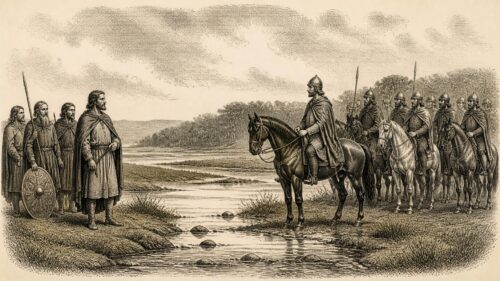
In 1227, Connacht faced intensified pressure from the English lordship, dynastic rivals and regional raiders. Summoned to Dublin, King Áed mac Cathail Chrobdeirg Ó Conchobair escaped an alleged plot through William Marshal’s intervention. He subsequently captured William de Marisco and companions at Lathach Caich, attacked Athlone, and exchanged prisoners for his children, Connacht hostages and a peace. Meanwhile Geoffrey de Marisco and Áed’s rivals took hostages, raided Connacht and constructed castles at Rindoon and Athleague, strengthening Shannon frontier control. Warfare brought cattle theft, captivity and local killings. Famine, cold and sickness compounded insecurity, while crusading observances linked Ireland to Christendom.
Read Article
Archived: 26 October 2026
Abstract
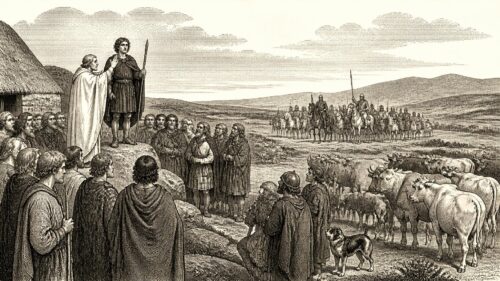
In 1225, Connacht was devastated by a succession war after Cathal Crobderg Ó Conchobair’s death. Toirrdelbach, son of Ruaidrí Ó Conchobair, was inaugurated at Carnfree with support from Áed Ó Néill and Connacht allies, but Áed mac Cathail regained power through Anglo-Norman, Thomond and local assistance. Campaigns centred on cattle, territory and hostages, displacing communities and bringing plunder, killings, drowning, hunger and exposure. Alliances repeatedly shifted, while church and secular lands suffered alike. A second rising failed, forcing Ruaidrí’s sons back to Ulster. Fever, disrupted harvests and ploughing compounded destruction, leaving Áed restored but Connacht socially and economically shattered severely.
Read Article





