
Redmond Chosen(c.1890s)
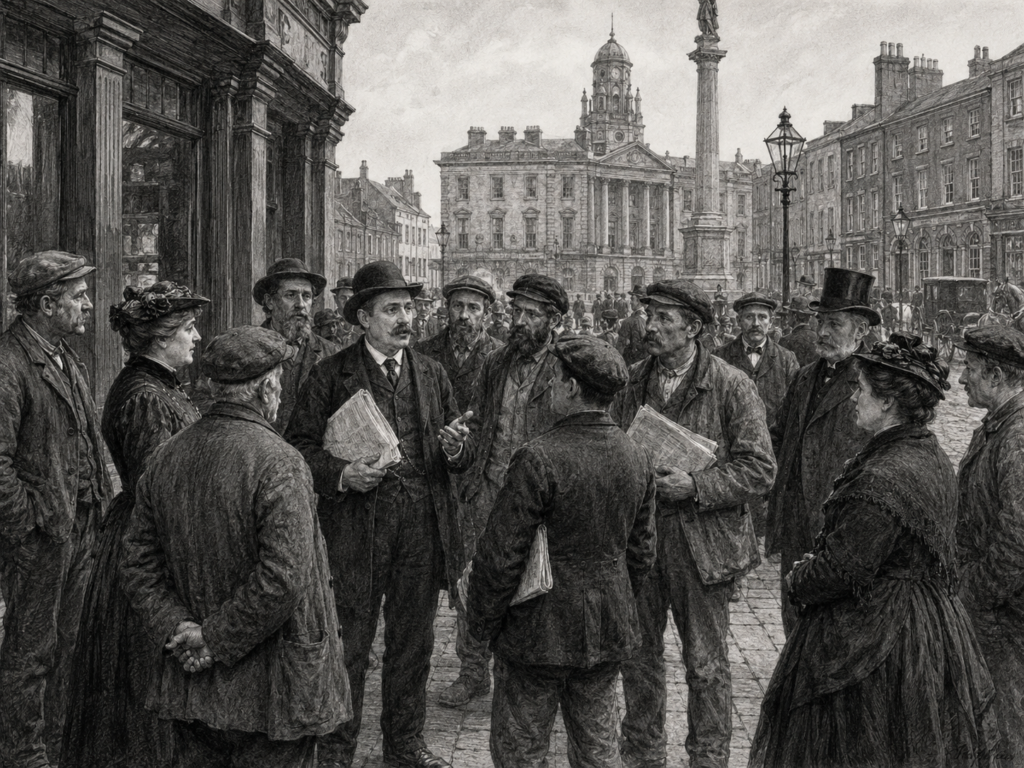
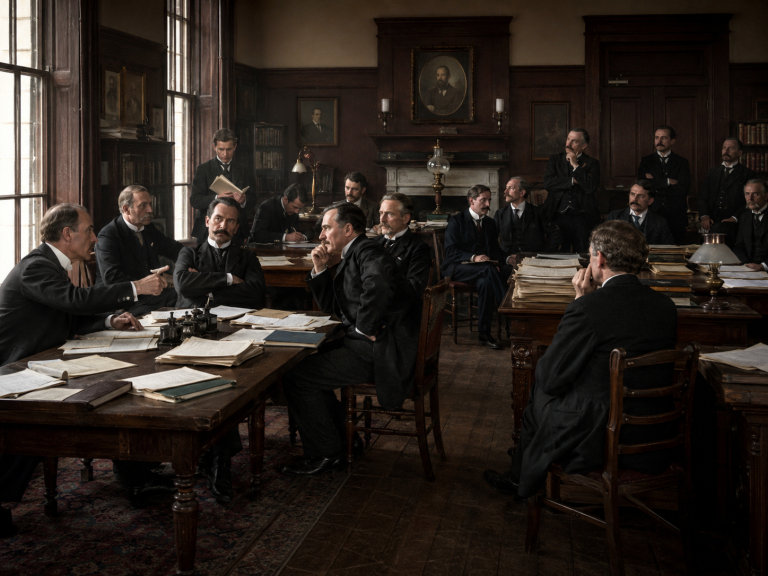
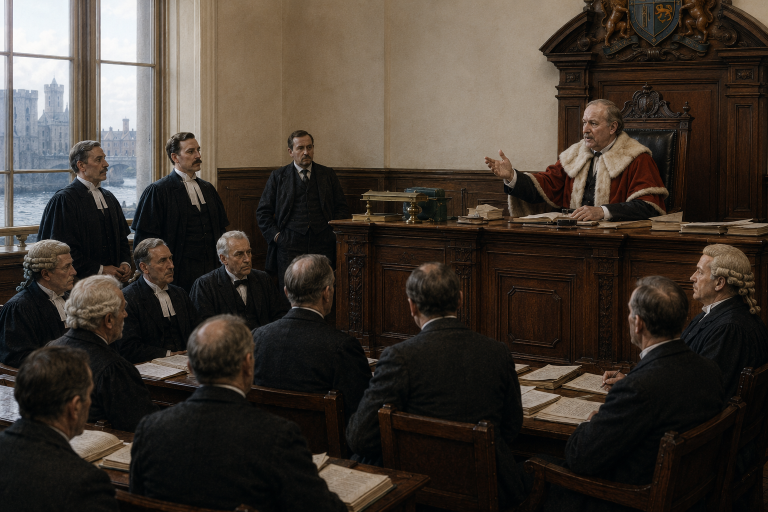
Nationalists throughout the city and county are today considering the election of John Redmond as chairman of the reunited Irish Parliamentary Party. His appointment follows the agreement that brought Parnellites and anti-Parnellites together after almost ten years of damaging division. Local supporters of Home Rule hope the choice will restore authority, discipline and purpose to Ireland’s representation at Westminster. Redmond, long identified with the Parnellite cause, now assumes responsibility for men who recently stood in opposing camps. His success will depend upon persuading Limerick voters and nationalists elsewhere that old quarrels can finally yield to common political action.
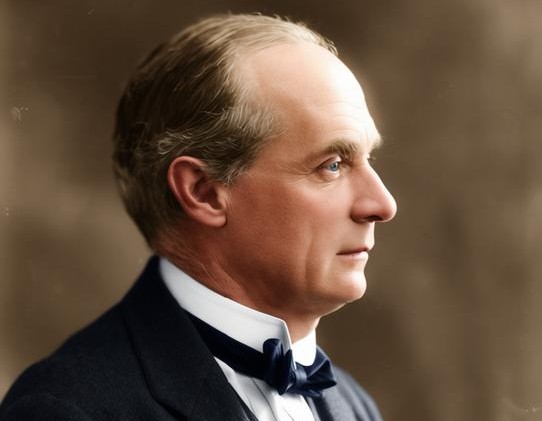
The new chairman is a barrister and seasoned parliamentarian who has represented Waterford City since 1891. He remained loyal to Charles Stewart Parnell during the crisis that destroyed the unity of Irish nationalism, later becoming leader of the smaller Parnellite group. That loyalty made him respected by one faction but mistrusted by some former opponents. His selection is therefore regarded as a compromise intended to prevent either side from claiming complete victory. Redmond must now balance the influence of John Dillon, William O’Brien, Timothy Healy and other prominent figures while rebuilding an organisation weakened by rivalry, contested elections and public disappointment.
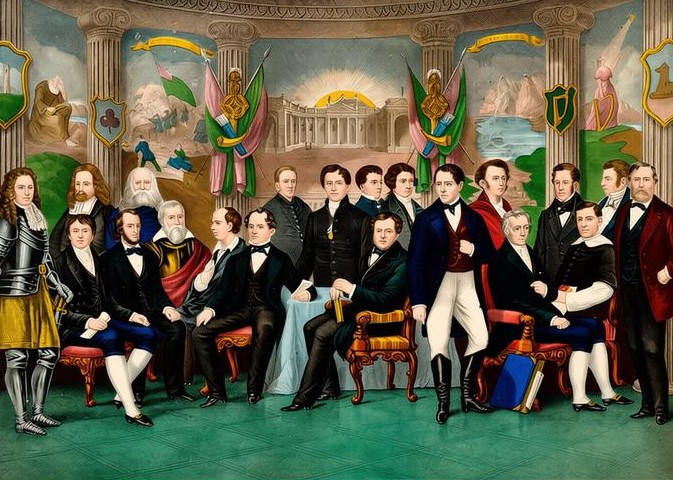
The reunited party has renewed its commitment to securing Home Rule through constitutional and parliamentary methods. Its members intend to use their representation at Westminster to press Ireland’s claims while supporting land reform, tenant purchase and relief for impoverished rural districts. Redmond believes disciplined voting and careful negotiation can make Irish members an influential force in British politics. Critics question whether Parliament will concede self-government without pressure from Ireland. Supporters answer that a united party can achieve what divided factions could not, provided its MPs act together and local organisations maintain enthusiasm behind their programme during the coming political contests.
William O’Brien and the United Irish League have been instrumental in creating the conditions for reunion. The organisation has spread from County Mayo, drawing farmers, labourers and local activists into a campaign joining land reform with national self-government. League branches demanded that parliamentary leaders abandon personal hostility and restore a single movement. Their pressure made continued division difficult to defend before an impatient electorate. Redmond must now work with this organisation without allowing local agitation to overwhelm parliamentary strategy. The relationship between party leaders and League organisers may determine whether reunion becomes a lasting settlement or another temporary political arrangement.
In Limerick, attention will focus upon how Redmond’s leadership affects candidate selection, party discipline and demands for reform. Tenant farmers will expect progress towards land purchase, agricultural labourers will seek better cottages and conditions, while city workers and traders will judge whether national unity brings stronger representation. Memories of the Parnell split remain sharp, and personal loyalties cannot be erased by one meeting. Nevertheless, the appointment provides constitutional nationalism with a recognised leader for the first time since its organisation fractured. Redmond begins his chairmanship carrying hope, but also the burden of proving that reunion can survive its first disagreement.
Primary Sources
- Freeman’s Journal, 7 February 1900 — contemporary reporting on the reunion of the Irish Parliamentary Party and John Redmond’s election as chairman.
- The Irish Times, 7 February 1900 — contemporary coverage of the parliamentary meeting, Redmond’s selection and the response of Irish political factions.
- The Times of London, 7 February 1900 — British newspaper reporting on the restored unity of the Irish nationalists at Westminster and Redmond’s appointment.
- Hansard, House of Commons Debates, February 1900 — the official parliamentary record of Redmond’s speeches and activity at Westminster immediately after becoming chairman. Redmond’s recorded contributions for 1900 include speeches on 6, 7, 8 and 9 February. (Parliament API)
- John Redmond Papers, 1878–1918, National Library of Ireland — Redmond’s surviving correspondence and political papers concerning colleagues, party organisation and contemporary political affairs. (catalogue.nli.ie)
- The first three newspaper dates should be checked against the digitised editions before quoting exact wording or assigning page and column numbers.