
Archived: 8 October 2026
Abstract
In 1951, Noel Browne’s resignation over the Mother and Child Scheme exposed conflicts between social reform, Catholic authority, medical interests and governmental caution. The inter-party government then fell amid agricultural disputes; May’s election returned Fianna Fáil as largest party, enabling Éamon de Valera to lead a minority administration. The census recorded 2,960,593 people, as emigration largely offset natural increase amid economic insecurity. Welfare pensions rose, agricultural workers gained half-holidays, and electrification and peat development continued. The Arts Act established An Chomhairle Ealaíon. In Northern Ireland’s Westminster poll, Unionists retained dominance despite Nationalist victories and a narrowly contested West Belfast seat.
Read Article
Archived: 8 October 2026
Abstract
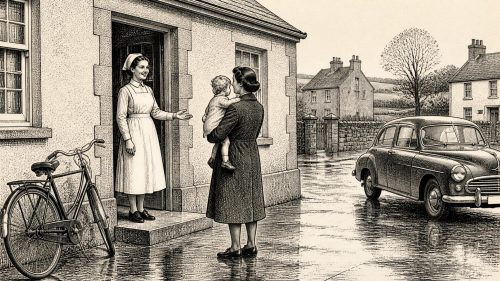
In 1950, Ireland combined republican independence with economic dependence on Britain, persistent poverty, emigration and partition. Dr Noël Browne’s June memorandum proposing free healthcare for mothers and children exposed conflict between universal welfare, medical interests, Catholic authority and parental rights, foreshadowing his 1951 resignation. Tuberculosis remained severe despite expanded State treatment. Legislation reorganised social welfare, improved agricultural workers’ rights, addressed housing, and strengthened transport and industrial development. Ireland appointed its first ambassador to London and signed the European Convention on Human Rights. Cultural events included Alfred Chester Beatty’s arrival and George Bernard Shaw’s death. Social and economic problems remained unresolved.
Read Article
Archived: 8 October 2026
Abstract
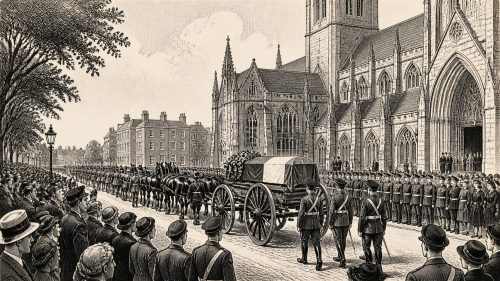
In 1949 Ireland became a republic, ending the Crown’s remaining external role, while Britain’s Ireland Act reinforced Northern Ireland’s constitutional position within the United Kingdom. Southern political leaders united publicly against partition, but efforts to link reunification with NATO membership failed. Post-war recovery remained uneven, with shortages, emigration, rural poverty and extensive state regulation continuing alongside electrification, statistical development and welfare administration. Housing, health and public services expanded gradually. Douglas Hyde’s funeral honoured a founder of cultural nationalism whilst exposing denominational divisions in public ceremony. The year combined republican assertion with enduring partition, social constraints, institutional growth and cultural ambition.
Read Article

Archived: 8 October 2026
Abstract
In 1948, Fianna Fáil lost its Dáil majority after sixteen years, enabling John A. Costello to lead the First Inter-Party Government, supported by Clann na Poblachta, Labour and others. The coalition addressed post-war housing, welfare, health, employment and agricultural trade, while Ireland joined European recovery co-operation and concluded a British trade agreement. Costello’s September Canadian announcement preceded the Republic of Ireland Act, enacted in December. Although effective only in 1949, it repealed the External Relations Act, ended the Crown’s remaining external role and authorised presidential functions. Partition remained unchanged, while An Taisce’s foundation and Olympic return suggested national civic renewal.
Read Article
Archived: 8 October 2026
Abstract
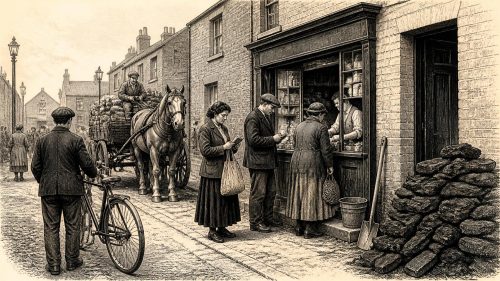
In 1945, Ireland emerged cautiously from wartime neutrality, retaining rationing, shortages and emergency powers despite Europe’s liberation. De Valera’s condolences on Hitler’s death provoked international condemnation, while VE Day renewed disputes over neutrality, partition and Allied relations. Censorship ended, but wartime administration unwound gradually. Seán T. Ó Ceallaigh became the second President after defeating Seán MacEoin, symbolising continuity and change. Legislation addressed drainage, tuberculosis and mental treatment, while supply functions returned to Industry and Commerce. Northern Ireland elections confirmed Unionist dominance, though Labour and nationalist representation exposed political divisions. Ireland entered peace facing economic constraint, institutional transition and diplomatic isolation.
Read Article
Archived: 8 October 2026
Abstract
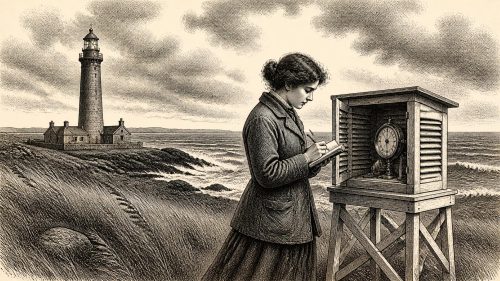
During 1944, neutral Ireland endured Emergency shortages, rationing and transport disruption while remaining strategically entangled in the war. At Blacksod Point, Maureen Flavin’s weather observations assisted Allied forecasting before the Normandy landings, illustrating neutrality’s limits. De Valera rejected Allied demands to expel Axis diplomats, defending sovereignty amid espionage concerns and partition. Fianna Fáil won a Dáil majority in May. Children’s allowances began in August, easing family pressures. December’s Transport Act prepared Córas Iompair Éireann, while the Abbey staged Joseph Tomelty’s Belfast-set play, The End House. The year combined democratic continuity, cautious social reform and preparations for postwar reconstruction across Ireland.
Read Article

Archived: 8 October 2026
Abstract
In 1942, neutral Ireland endured the Emergency while Northern Ireland became an Allied base after American troops arrived in Belfast. De Valera’s government maintained neutrality, emergency controls and censorship, while creating the Central Bank and confronting extremist politics. Shortages of fuel, rubber, food and consumer goods reshaped work, travel and household life; labour migration to Britain remained significant. Irish merchant ships risked Atlantic attack while rescuing survivors, until the Irish Pine was torpedoed with all thirty-three crew lost. Cultural life persisted through Cavan Cathedral, Kavanagh’s The Great Hunger and folklore scholarship, alongside censorship disputes. Ireland faced constraint, danger and change.
Read Article
Archived: 8 October 2026
Abstract
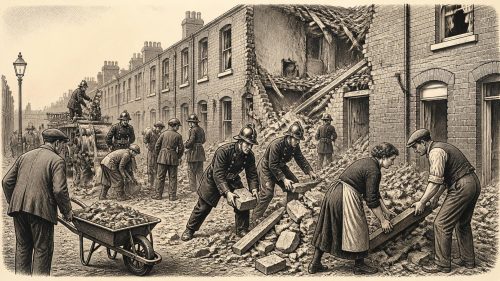
In 1941, neutral Éire faced the Second World War’s consequences despite preserving its Emergency policy. German raids devastated Belfast, a British industrial centre, killing hundreds and prompting fire brigades from Dublin and other southern towns to assist. On 31 May, German bombs killed twenty-eight people, injured over ninety and destroyed about 300 homes in Dublin’s North Strand. The attack demonstrated neutrality’s limits amid diplomatic tension over Northern Irish conscription and Churchill’s appeals for Irish participation. Shortages of food, fuel and imports led to rationing, expanded turf supplies and Irish Shipping’s creation. Maritime dangers and cross-border relief underscored Ireland’s wartime vulnerability.
Read Article

Archived: 8 October 2026
Abstract
In 1940, neutral Éire faced danger as German victories transformed its strategic position. De Valera defended neutrality, expanded emergency powers and rejected Britain’s unity proposal, judging it insecure and incompatible with sovereignty. The government suppressed IRA activity, while Seán Russell died during an abortive German-backed mission. On 26 August, German bombs killed three women at Campile creamery, Ireland’s first fatal Luftwaffe raid. Shortages prompted censorship, restrictions and compulsory tillage to strengthen food security. Northern Ireland mobilised for Britain, with Belfast industry expanding and John Miller Andrews succeeding Craigavon. The Bell appeared, while in December John Charles McQuaid became Dublin’s archbishop.
Read Article

Archived: 9 October 2026
Abstract
In 1939, Ireland faced both European war and republican militancy. The Government strengthened internal security through the Offences Against the State Act, while air-raid precautions reflected fears of attack. Following Germany’s invasion of Poland, constitutional amendments and the Emergency Powers Act enabled neutral Ireland to regulate security, supplies and communications. Dublin denied belligerents use of its territory and ports, despite British pressure, asserting sovereignty after the Treaty Ports’ return. Northern Ireland entered the war with Britain, underscoring partition’s consequences. Refugee appeals highlighted Nazi persecution. The December IRA raid on Dublin’s Magazine Fort demonstrated that armed challenges to State authority persisted.
Read Article
Archived: 9 October 2026
Abstract
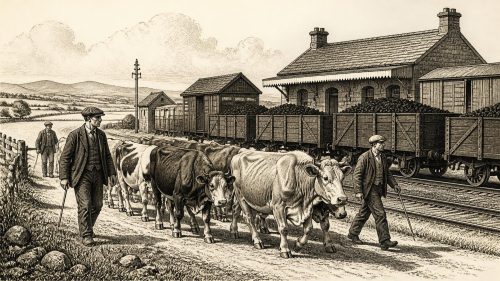
In 1935, the Irish Free State pursued autonomy amid economic hardship and the continuing Anglo-Irish Economic War. The Coal–Cattle Pact expanded cattle exports to Britain in return for coal purchases, easing but not resolving agricultural distress. Citizenship legislation and constitutional planning strengthened state identity, while laws regulating dance halls, contraception, labour and agricultural production extended official control. Interventionist measures addressed bacon, dairy, transport and employment, yet emigration and insecurity persisted. Belfast’s July sectarian riots, causing ten deaths, revealed partition’s instability; Carson’s funeral affirmed unionism. At Geneva, de Valera supported League collective security during Italy’s Abyssinia crisis, demonstrating Ireland’s international ambitions.
Read Article

Archived: 9 October 2026
Abstract
During 1934, de Valera’s Free State confronted Blueshirt militancy by restricting political uniforms, while seeking unsuccessfully to abolish the Seanad. The Economic War strained rural Ireland, contributing to violence at Cork’s Copley Street cattle sale, though December’s cattle-and-coal agreement provided limited relief without ending the dispute. Republican Congress emerged at Athlone, linking independence with socialism, but rapidly divided. In Northern Ireland, Craigavon’s declaration of a Protestant state highlighted entrenched Unionist dominance, alongside civic developments including Belfast Zoo. Cultural life included Man of Aran, Dublin’s Theatre Royal closure, a newspaper strike, and Adolf Mahr’s National Museum directorship, reflecting contested Irish identities.
Read Article
Archived: 9 October 2026
Abstract
In 1933 Fianna Fáil secured a Dáil majority, enabling Éamon de Valera’s government to pursue a stronger interpretation of Irish self-government. The Constitution (Removal of Oath) Act ended compulsory parliamentary declarations involving the Crown and repealed the Treaty’s overriding constitutional status, though Ireland remained short of a republic. Anglo-Irish conflict over land annuities continued to damage agricultural exports during the Economic War. Protectionist measures promoted cereals, industrial credit and sugar production, while land reform and unemployment assistance expanded state intervention. Government suppression of Blueshirt mobilisation preceded Fine Gael’s formation. Meanwhile, Northern Ireland’s Unionist administration remained firmly entrenched, underscoring partition’s persistence.
Read Article
Archived: 9 October 2026
Abstract
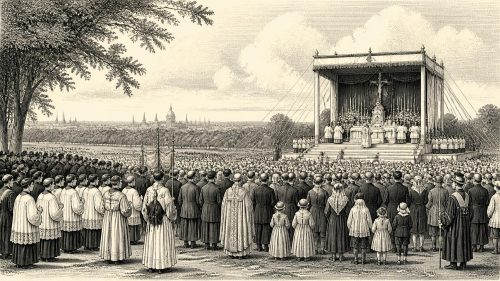
In 1932 Fianna Fáil, led by Éamon de Valera, replaced Cumann na nGaedheal through constitutional politics, marking peaceful anti-Treaty accession to Free State power. The government challenged Treaty symbols, introduced oath-removal legislation, and withheld land annuities, provoking Britain’s tariffs and the Economic War. Dublin’s International Eucharistic Congress displayed Catholic confidence, while de Valera enhanced standing at the League of Nations and Irish athletes won Olympic gold. In Northern Ireland, Stormont’s opening embodied unionist permanence. Simultaneously, Belfast outdoor-relief protests briefly united Catholic and Protestant workers against depression, securing improved payments amid police repression. Partition, hardship, sovereignty and divergent cultures remained unresolved.
Read Article
Archived: 9 October 2026
Abstract
In 1931 the Irish Free State gained legislative autonomy through the Statute of Westminster, while unresolved Treaty issues, partition and political rivalry persisted. Cosgrave’s government faced Fianna Fáil’s growing constitutional challenge, republican fears and economic depression affecting farming, exports, employment and emigration. The Public Safety Act introduced emergency powers after Saor Éire’s congress, revealing anxieties about violence. The Four Courts reopened, symbolising post-Civil War recovery. Flooding struck Cork, while An Óige encouraged rural travel. The Irish Press began publication, strengthening nationalist political communication. Dublin’s first state-sponsored St Patrick’s Day parade projected order, although industrial unemployment remained severe in Northern Ireland.
Read Article
Archived: 9 October 2026
Abstract
In 1930, the Irish Free State combined consolidation with unresolved social and economic strains. Its election to the League of Nations Council asserted an independent diplomatic role, while John Dulanty’s London appointment strengthened relations with Britain. Cosgrave’s government and Fianna Fáil maintained parliamentary rivalry, passing measures on constitutional procedure, monuments, pensions and administration. Mayo’s rejection of Protestant librarian Letitia Dunbar-Harrison exposed religious prejudice, cultural nationalism and conflict between local and central authority. Falling agricultural export values revealed dependence on British markets as depression advanced. Northern industry suffered unemployment. Cultural developments included Beckett’s Whoroscope and film censorship, highlighting creativity and regulation.
Read Article
Archived: 9 October 2026
Abstract
In 1927, Irish Free State politics moved decisively towards parliamentary competition. Fianna Fáil won 44 seats in June but initially refused the Oath of Allegiance. Kevin O’Higgins’s assassination at Booterstown exposed continuing republican violence, prompting the Public Safety Act. In August, de Valera and his deputies entered the Dáil, treating the oath as a political formula; September’s election established Fianna Fáil as the principal opposition. Government advanced land reform, liquor regulation, jury law and electrification. Partition remained entrenched, while diplomatic activity strengthened international status. Joyce’s Pomes Penyeach reflected Irish culture’s international reach. Unresolved divisions remained, but conflict shifted towards elections.
Read Article
Archived: 9 October 2026
Abstract
In 1926, the Irish Free State consolidated its institutions amid demographic decline, political division and economic change. The first Free State census counted 2,971,992 people, confirming rural depopulation, emigration, agricultural dependence, Catholic predominance and limited Irish-language knowledge. Legislation addressed allotments, school attendance and shop hours while accommodating farm labour. Construction of the Shannon hydro-electric scheme at Ardnacrusha demonstrated technological ambition, though reliant on foreign expertise. Éamon de Valera’s break with Sinn Féin produced Fianna Fáil, establishing a new republican organisation. Partition endured, while Cosgrave’s government asserted greater Commonwealth equality at the Imperial Conference. Women participated in political and peace activism.
Read Article
Archived: 9 October 2026
Abstract
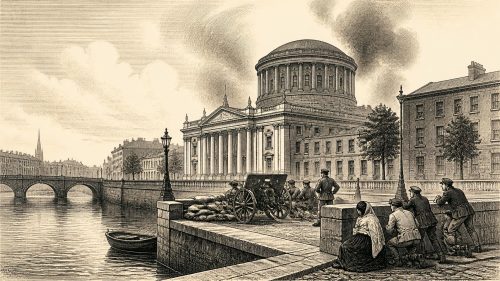
In 1922, Dáil Éireann ratified the Anglo-Irish Treaty, splitting Sinn Féin and the IRA between supporters of dominion status and republican opponents. Michael Collins led the Provisional Government as Northern Ireland remained separate amid continuing sectarian violence. Failed mediation and the anti-Treaty occupation of the Four Courts led to National Army bombardment on 28 June, initiating Civil War. Fighting devastated Dublin, destroyed the Public Record Office’s Record Treasury, and spread nationwide. Arthur Griffith and Collins died in August. Under W. T. Cosgrave, the Free State Constitution established democratic institutions. On 6 December the Free State began; Northern Ireland opted out.
Read Article
Archived: 9 October 2026
Abstract
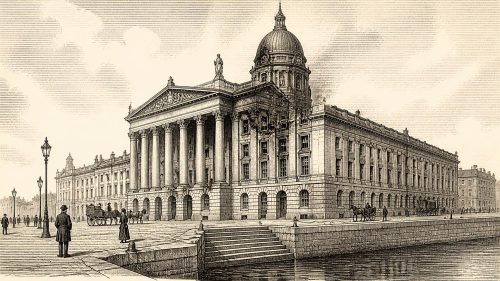
In 1921, Ireland moved from intense War of Independence fighting towards truce and treaty, amid coercion, raids and executions. IRA engagements at Crossbarry and Tourmakeady maintained pressure, while the Custom House burning destroyed records but cost lives and arrests. May elections confirmed Sinn Féin’s southern mandate and established Northern Ireland’s unionist government. The 11 July truce ended principal IRA–Crown operations but not Belfast’s sectarian violence. London negotiations produced the December Anglo-Irish Treaty, creating a dominion Free State while retaining the Crown, partition and British naval facilities. Signed but unapproved, it deeply divided republicans, leaving border, constitutional and security questions unresolved.
Read Article




