Archived: 21 October 2026
Abstract
In 1403, Irish annals record shifting alliances, warfare and successions across Connacht, Breifne, Ulster and Munster. Muirchertach Baccach Ó Conchobair of Sligo joined Ó Conchobair Donn in a hosting through central Connacht, subduing Uí Maine and aiding Ulick de Burgh in Clanricarde, before dying that autumn. Uí Maine saw aristocratic deaths alongside killings. Breifne conflict brought deaths, captures and a Ó Raigillig ruler. Northern dynasties changed: Niall Ó Néill and his son died, while Oirgialla and Tyrone gained successors. Disputed annal dates complicate Ulster and Munster events. Records emphasise lordship, patronage, hospitality and religious prestige, while preserving fragmentary, partisan perspectives.
Read Article
Archived: 21 October 2026
Abstract
In 1402, Irish politics was characterised by negotiated, contested local authority rather than national unity. At Caol Uisce, Niall Óg Ó Néill of Tyrone made peace with Toirdelbach Ó Domhnaill of Tír Chonaill, whose submission acknowledged northern precedence without ending rivalry. In Connacht, Uilleag and Walter Burke became competing Mac Williams, illustrating divided Burke lordship and its links to Munster conflict. The killing of Louth sheriff John Dowdall and the bloody capture of Carraig Locha Cé exposed insecurity. Quin’s traditional Franciscan foundation reflected Gaelic patronage. Conflicting annal dates require caution, especially concerning Niall Óg’s death, which scholarship places in 1403.
Read Article
Archived: 21 October 2026
Abstract
Ireland in 1401 was shaped by competing Gaelic, Anglo-Irish, ecclesiastical and Dublin-based authorities. In Connacht, Thomas Burke’s death produced rival Mac Williams, while Conchobar Anabaidh succeeded in Uí Maine and fighting engulfed Lough Key and Muintir Eolais. Leinster suffered reciprocal devastation between Art Mac Murchadha and Dublin’s forces, alongside a local western plague. Northern politics centred on a peace at Caol Uisce between Niall Óg Ó Néill and Toirdelbach Ó Domhnaill, though annals differ over its date and later violence exposed continuing dynastic tensions. Church and chancery institutions remained influential but geographically limited. The year revealed fragile, locally negotiated power.
Read Article
Archived: 21 October 2026
Abstract
In 1400, Irish annals recorded the capture of Dunamon Castle in Connacht by Mac an Abaidh Ó Conchobair, the death of a Burke, and the release of an Ó Cellaigh captive. Nearby, Grigoir Ó Maelchonaire, a learned heir, was accidentally killed; 126 cows were paid in compensation. Warfare devastated grain and seized horses in Tír Chonaill, while feuds, expulsions and deaths unsettled Ulaid and Breifne. Annals also note uncertain English intervention. Around Longford, the Ó Fearghail foundation of a Dominican priory reflected regional patronage. Collectively, these records reveal competing lordships, cattle-based restitution, agricultural warfare, learned status and uneven English authority.
Read Article
Archived: 21 October 2026
Abstract
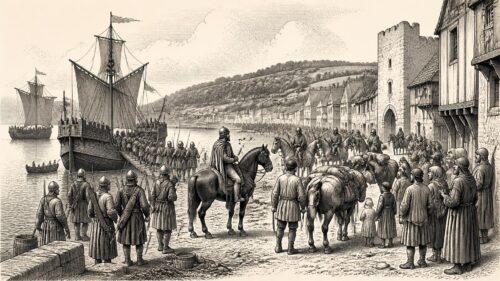
In 1399 Richard II landed at Waterford to subdue Art Mac Murchadha Caomhánach, whose Leinster forces avoided pitched battle, strained royal supplies and prevented a settlement. The expedition exposed the limited reach of English lordship beyond defended centres. While Richard campaigned, conflicts continued in Connacht and Ulster, and John fitz Gerald, earl of Desmond, drowned amid a Munster feud, leaving a minor heir. Annals note deaths of churchmen, rulers and Mac Egan legal scholars. Henry Bolingbroke's English invasion forced Richard’s July departure. Art remained unconquered, and Henry IV’s accession by September ended Richard’s reign, leaving Irish divisions and weakness unresolved.
Read Article

Archived: 21 October 2026
Abstract
In 1398, the political settlement imposed after Richard II’s first Irish expedition was visibly coming apart. The year’s most consequential firmly dated event was the death on 20 July of Roger Mortimer, earl of March and Ulster, the king’s lieutenant in Ireland. Mortimer was a major lord in his own right, an heir presumptive to the childless Richard II, and the Crown’s foremost military representative in Ireland. His death in a Leinster campaign exposed how limited English authority remained beyond the better-defended lordship towns and lordly estates. That did not make 1398 a simple national contest between ‘English’ and ‘Irish’.
Read Article
Archived: 21 October 2026
Abstract
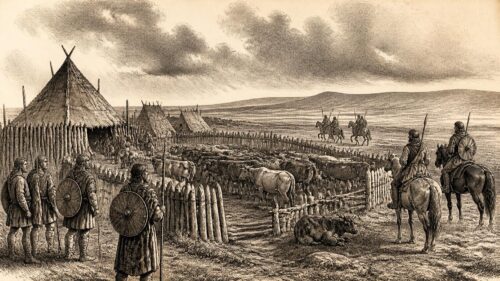
In 1397, Irish politics centred on rival lordships, notably Connacht’s struggle between Ó Conchobhair Donn and Ó Conchobhair Ruadh. Mac Donnchadha’s cattle-bearing camp at Cenn-eitigh was surprised and destroyed in mid-August, prompting retaliatory raids, new alliances and further gallowglass warfare. Conflict devastated crops, houses and herds amid summer food scarcity and a wet, destructive autumn. In Ulster, Niall Mór Ó Néill died and was succeeded by Niall Óg, who inherited continuing struggles. Roger Mortimer sought authority in Leinster and the midlands, building Finnea castle. Ecclesiastical deaths and journeys to Rome reflected enduring religious connections despite widespread instability across the island.
Read Article
Archived: 21 October 2026
Abstract
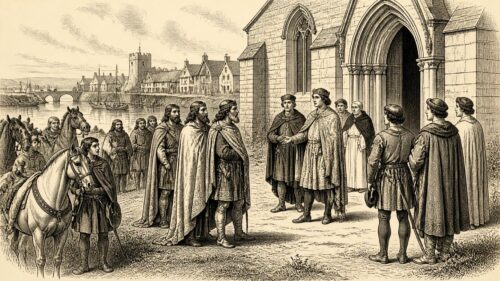
In 1395 Richard II sought to stabilise Ireland through military pressure, submissions and negotiated service from Gaelic and Anglo-Irish rulers. Art Mac Murchadha accepted loyalty, payment and recognition of inheritance, while Niall Ó Néill and others sought royal protection against rival claims. More than eighty nobles submitted, receiving pardons, offices and knighthoods, but important western and northern lords remained outside the settlement. Raids in Uí Fhailghe and Éile, conflict within the Ó Néills, and succession violence in Fermanagh demonstrated instability. Richard departed in May, leaving Mortimer as representative. Deaths, church burnings and lordships underscored that ceremony had not pacified Ireland.
Read Article

Archived: 21 October 2026
Abstract
In 1392, Ireland experienced local warfare, succession disputes and notable deaths rather than an island-wide turning point. Niall Ó Néill of Tír Eógain led a major expedition against the English around Dundalk, achieving temporary mastery. Northern tensions intensified after Henry Aimhreidh Ó Néill’s death and the capture of his son by Toirdelbach Ó Domhnaill. In Connacht, Ó Conchobair Donn’s army burned Uí Maine, revealing fractured regional alliances. Deaths of Archbishop Grigair Ó Mocháin, the countess of Desmond and other nobles highlighted ecclesiastical and aristocratic networks. English administration remained uncertain as Thomas of Woodstock’s lieutenancy failed and Roger Mortimer was appointed.
Read Article
Archived: 21 October 2026
Abstract
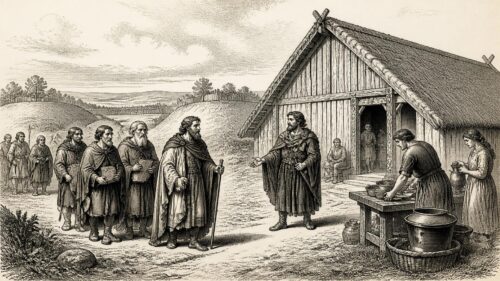
In 1387 Niall Ó Néill junior built a house at Emain Macha to support Ireland’s learned companies, linking Ulster lordship with cultural patronage. The year also saw deaths of chief poet Gofraidh Fionn Ó Dálaigh and historian-scribe Ruaidhri Ó Cianáin, illustrating networks sustained by aristocratic hospitality. Annals record feuding, killings and Nualaith Ó Fearghail’s capture in the Midlands, while Richard Óg de Burgh died in Connacht. In Munster, royal officials mediated discord between Desmond and Ormond. Deaths and marriages reflected ecclesiastical, kinship and Irish Sea connections. Sparse sources nevertheless show authority negotiated through force, patronage, reputation and learning across Ireland.
Read Article
Archived: 21 October 2026
Abstract
In 1384, Niall Ó Néill burned Carrickfergus, demonstrating Gaelic power against a major crown-held port and castle, though the sources do not show that the fortress fell. In Connacht, Ruaidhrí Ó Conchobair died of plague after a long reign, prompting rival inaugurations and provincial warfare, including attacks on lordly strongholds. Plague and other deaths affected leading families and rulers across Ireland, while feuds caused further killings. Annals also recorded deaths of churchmen and scholars, reflecting enduring learned institutions. Within the lordship, mediation addressed conflict between Ormond and Desmond, and Sir Philip Courtenay appointed Ormond chief governor, illustrating fragmented regional authority.
Read Article
Archived: 21 October 2026
Abstract
In 1383, fragmented Ireland experienced renewed royal administration, northern warfare and serious disease. Richard II appointed Sir Philip Courtenay lieutenant, who arrived at Waterford in September, while Ralph Cheyne served as chancellor. In Ulster, Niall Mór Ó Néill’s coalition burned and plundered territories associated with English lordship. During the campaign, his son Aodh Óg and Raibilin Savage fatally wounded one another, provoking further killing among the Bissets. Annalists reported widespread plague throughout Ireland, including the death in captivity of Art Magennis. Deaths, killings and successions among secular and religious leaders reveal local instability, while hospitality remained an important lordly ideal.
Read Article
Archived: 21 October 2026
Abstract
On 31 May 1379, Niall Mór Ó Néill defeated Pilib Mag Uidhir, lord of Fir Manach, and Domnall Ó Néill at Dreach, probably near Kinawley. Annals record serious Maguire losses but not the battle’s course. The victory asserted Ó Néill influence without ending Fir Manach’s power. Subsequent killings, including that of Pilib’s son Cú Chonnacht, exposed fragile lordships and kin rivalries. Notices of Gaelic, English and Hiberno-English elites, marriage alliances, church officers and learned figures reveal a plural political society. Edmund Mortimer’s October appointment as lieutenant foreshadowed intervention, though he arrived only in 1380. Ordinary people's experiences remain largely unrecorded.
Read Article
Archived: 21 October 2026
Abstract
In 1375, Ireland’s fragmented political order was revealed through warfare, succession, negotiation and administration. Niall Ó Néill defeated the English or Anglo-Irish of Downpatrick, killing Sir James of Malahide and others, demonstrating northern Gaelic strength. In Leinster, Donnchad Caemánach Mac Murchada was treacherously killed, opening the way for Art Mór’s later rise. Connacht rivals exchanged Roscommon and Ballintober castles, while Thomas succeeded Sir Edmund Albanach Mac William Burke. Raids, betrayals and kin killings exposed local insecurity. Annals recorded religiously framed deaths and poet Máel Sechlainn Ó Domhnalláin. William de Windsor’s cash-strapped administration operated as Edward III sought support at Westminster.
Read Article

Archived: 21 October 2026
Abstract
In 1374, Ireland was shaped by contested local lordships rather than unified conflict. Cú Choicriche Óg Mac Eochagáin, chief of Cenél Fiachach, was murdered near Athlone while accompanying the Bishop of Meath; his killer was brutally executed. William de Windsor returned as royal lieutenant, but crown authority remained limited. Connacht saw Theobald Burke, Mac William’s heir, killed by Uí Maine, while Annaly warfare claimed Máel Sechnaill Ó Fearghail. Feuds followed disputed killings. Annals also record Niall Ó Néill’s victory over Ulster settlers, though its date is uncertain. Deaths including historian Máel Sechnaill Ruad Ó Duibhgeannáin underline violence and fragmented authority.
Read Article
Archived: 22 October 2026
Abstract
In 1370, Brian Sreamhach Ó Briain defeated and captured Gerald FitzGerald, earl of Desmond, near Monasternenagh, then pressured Limerick, which was burned and briefly placed under Mac Conmara control. King’s lieutenant William of Windsor secured Desmond’s release, recovered the city and agreed reparations of cattle and timber. His government, hampered by inadequate funds, also faced fighting in Wicklow. Elsewhere, Niall Mór Ó Néill consolidated Tyrone through hostages, land grants, marriage and victory over Brian Mór Mac Mathghamhna. Captures, succession disputes and raids in Breifne and Leinster further demonstrated that Irish power rested on local alliances, coercion, resources and negotiated settlements.
Read Article
Archived: 22 October 2026
Abstract
In 1365, Niall Ó Néill, newly king of Tír Eógain, led a coalition into Oriel, besieging Brian Mac Mathghamhna before an unauthorised assault shattered the settlement and killed allies. Dynastic contention also reshaped Connacht, Magh Luirg and East Bréifne, where deaths, accessions, warfare and Cú Chonnacht Ó Raghallaigh’s religious retirement altered lordship. Raids on border communities demonstrated the human cost of rivalry. Ecclesiastical leaders and learned travellers remained active across Irish Sea networks. In the English lordship, Lionel of Antwerp briefly returned England, while Thomond’s rulers submitted diplomatically. The year reveals authority as negotiated through warfare, kinship, religion and accommodation.
Read Article
Archived: 22 October 2026
Abstract
In 1364, Ireland experienced interconnected transitions rather than a single crisis. Aodh Reamhar Ó Néill, influential king of Tír Eoghain, died and was succeeded by Niall Mór, whose position rested on dynastic support and military power. Diarmait Ó Briain of Thomond and several regional lords, heirs, women and learned figures also died, altering local networks. Lionel of Antwerp campaigned in Laois before returning to England; James Butler of Ormond governed temporarily amid tensions between English-born and Irish-born settlers. Annals, some uncertainly dated, record raids, alliances and mercenary warfare in western regions, revealing power sustained through lordship, kinship, resources and learning.
Read Article
Archived: 23 October 2026
Abstract
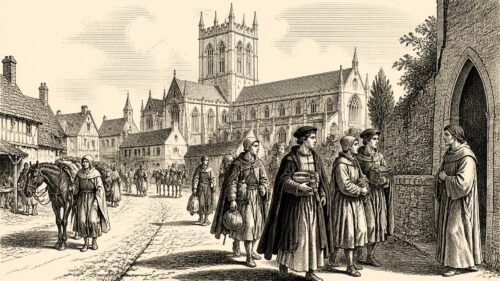
In 1358, Edward III protected masters, scholars and clerks travelling to Dublin, reinforcing the university associated with St Patrick’s Cathedral. The petition exposed poverty, hazardous sea crossings and inadequate educational resources. Annals recorded fragmented politics: Áed Ó Néill defeated Airgialla and Fermanagh forces; Ó Mórdha overcame men identified with Dublin in Leinster; and Clann Cathmhaoil killed Manus Maguire. Bishop Brian Mac Cathmhaoil and Gaelic rulers also died. A Carbury hailstorm illustrated environmental uncertainty, while disease reports cannot be precisely dated. Together, these events reveal contested authority alongside continuing learning, religious institutions, warfare and local seasonal vulnerability across late medieval Ireland.
Read Article
Archived: 23 October 2026
Abstract
In 1354, Ireland experienced executions, warfare, dynastic killings, deaths and administrative inquiry amid the aftermath of plague. Annals recorded Mac Murchada’s execution by the Galls, followed by wider conflict, while Clann Aedha Buidhe and Dundalk’s Galls heavily defeated Aodh Ó Néill. Local struggles killed rulers in Laois and Connacht, although Domhnall Ó Dubhda succeeded his father in Uí Fhiachrach. Bishops and learned ollamhs also died. Justiciar Thomas de Rokeby governed through courts and inquiries, including valuation of the Pembroke estates at Wexford. Tenant complaints of poverty and high prices reveal hardship. The year demonstrates fragmented authority, cross-community alliances and insecurity.
Read Article

Archived: 24 October 2026
Abstract
In 1325, Domhnall Ó Néill, king of Tír Eógain, died at Loch Laoghaire, and his son Cú Uladh was murdered by rival kinsmen, precipitating a disputed succession eventually favouring Henry Ó Néill of Clandeboye. Intra-dynastic violence also affected Fermanagh and Thomond. Maurice fitz Thomas FitzGerald’s seizure of Bunratty Castle exposed contested Anglo-Irish authority and required intervention by justiciar John Darcy. Meanwhile, an audit at Westminster uncovered forged Irish exchequer accounts associated with Archbishop Alexander Bicknor, leading to confiscation of his temporal property. Together, these events reveal unstable, personal lordship, constrained royal power, and fragile administration across medieval Ireland at once.
Read Article
Archived: 24 October 2026
Abstract
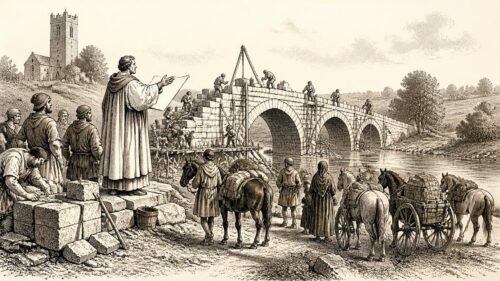
In 1319, Ireland remained unsettled after Edward Bruce’s defeat, with famine, warfare and administrative disruption still affecting lordships and towns. Maurice Jakis, canon of Kildare, built a stone bridge across the Liffey at Kilcullen, improving travel and encouraging the settlement’s later growth. English officials sought missing financial accounts, reflecting weakened government. In Tyrone, Domhnall Ó Néill was expelled, sheltered in Fermanagh, restored, then lost his heir Brian to enemies. Annals also recorded killings, deaths of Gaelic and Anglo-Irish lords, and several episcopal vacancies. The year combined local reconstruction, ecclesiastical continuity, family feuds and precarious political authority across the island overall.
Read Article

Archived: 24 October 2026
Abstract
In 1314, Ireland experienced instability across Gaelic lordships and the English administration rather than a single national turning point. Ruaidhrí Ó Conchobair defeated the O’Reillys at Drumlane, while killings within leading families, including Matha Mac Tigernáin’s murder by his foster-son, exposed contested authority. Bishop Matha Mac Duibne died, and Niall Ó Néill, heir to Cenél nÉogain, was lost. Theobald de Verdon governed the lordship as Edward II sought Irish money and soldiers for war. Robert Bruce’s victory at Bannockburn altered Irish Sea strategy, encouraging later ambitions without causing Edward Bruce’s 1315 invasion. Famine was not attested in Ireland during 1314.
Read Article
Archived: 24 October 2026
Abstract
In 1291 Ireland’s most consequential recorded developments lay in the north and west: the campaigning of Richard de Burgh, earl of Ulster, known to later history as the Red Earl; disputed kingships among the Ó Néill, Ó Domnaill and Ó Conchobair; and a sharp Connacht struggle centred on the weir at Collooney. These events are principally preserved in Irish annals, which organise material by year but do not normally supply dates or a dependable sequence within the year. The campaigns and battles described below can therefore be responsibly assigned to 1291, while their precise seasons and order cannot. Royal administrative
Read Article
Archived: 24 October 2026
Abstract
In 1290, Irish politics saw several local struggles for authority. Cairbre Ó Máelsechlainn, king of Meath, was treacherously killed by Mac Cochlain and the Delbhna amid overlapping Gaelic and colonial lordships. Domnall Ó Néill expelled Niall Ó Néill and seized Tír Eógain, while Toirdelbach Ó Domhnaill, supported by maternal kin and galloglasses, deposed his brother Áed in Tír Chonaill. William Mac Fheorais assumed effective possession of Tuam’s archbishopric, and Kilmacduagh’s bishop died. Edward I appointed William de Vesci justiciar; he arrived in Ireland, combining royal office with Kildare lordship. A Carmelite friary at Kildare was plausibly founded about this time.
Read Article

Archived: 24 October 2026
Abstract
A year recorded through a single campaign The surviving Irish annals make 1286 look, at first sight, like a year dominated by one extraordinary movement of armed power. Their central notice is a mórshluaiged, or great hosting, led by the Earl of Ulster into Connacht. The earl was Richard de Burgh, later famous as the Red Earl: lord of Connacht through his inheritance and one of the greatest magnates in the English lordship of Ireland. Yet the evidence must be handled closely. No source supplies a day, a route, a battle-site, a list of troops or a full explanation for
Read Article
Archived: 24 October 2026
Abstract
In 1283, Áed Buidhe Ó Néill, king of Tír Eógain, was killed by rivals from Airgíalla and Breifne, destabilising northern politics and encouraging a contested succession. In Connacht, the wounding and death of Tadc Ó Conchobair illustrated dynastic rivalry and the political value of custody. Domnall Ruad Mac Carthaig of Desmond countered a plot with support from prominent Anglo-Irish lords, securing a negotiated settlement involving livestock. Dublin and Christ Church suffered a serious fire, exposing urban vulnerability. Together, these events reveal Ireland as a network of competing lordships, temporary alliances, ecclesiastical institutions, commerce, violence and negotiation across the whole island.
Read Article
Archived: 24 October 2026
Abstract
In 1281, Domhnall Óg Ó Domhnaill of Tír Conaill was defeated and killed at Disert-da-chrioch by Áed Buide Ó Néill’s forces, supported by the English of Ulster, devastating his wider political coalition. His son Áed succeeded him. Connacht saw fighting between the Barretts and Cusacks, while Tadhg Mac Diarmada of Moylurg died. In Thomond, rival Ó Briain factions accepted division and Thomas de Clare’s overlordship, enabling relative peace and Quin Castle’s completion. Richard de Burgh assumed Ulster and Connacht. Dublin strengthened administration under Stephen de Fulbourn, reopened its mint, and established one at Waterford, expanding royal revenue and fiscal capacity.
Read Article
Archived: 25 October 2026
Abstract
In 1261, Fínghin Mac Carthaigh defeated a major Geraldine force at Callann in Desmond, killing John fitz Thomas FitzGerald, his heir Maurice and many followers. The victory checked Geraldine expansion, but Fínghin was killed soon afterwards, leaving Desmond disputed. Annals differ over details, including dating, casualties and participants, while confirming the battle's significance. Conflict elsewhere included raids, burned settlements and fortresses, rival successions in Breifne and Tír Eógain, and struggles in Thomond and Connacht. Clerics and churches suffered violence at Derry and Ballysadare, while Raphoe's bishop was elected archbishop of Armagh. The year reveals politically fragmented, shifting power across Ireland.
Read Article
Archived: 25 October 2026
Abstract
In 1260 Brian Ó Néill’s Gaelic coalition, including forces from Tír Eógain, Connacht and Meath, was defeated by northern English interests at Druim Derg near Downpatrick. Brian and many leading allies died, ending his claim to leadership of Ireland’s Gaels; Áed Buide Ó Néill succeeded in Tír Eógain. Elsewhere, Connacht resisted MacWilliam de Burgh’s raid through defensive deployment and negotiated peace, while Thomond defeated Mac Muiris’s force. A cough affected people and horses. Church offices changed hands, and Kildare’s Franciscan friary may have been founded during this period. The year revealed political fragmentation, regional resilience and religious life amid warfare.
Read Article





