Archived: 19 October 2026
Abstract
In 1471, Ireland’s competing lordships pursued power through sieges, raids, hostages, alliances and negotiated submissions. Henry O’Neill captured Oghmagh after a winter-long siege, strengthening his son Conn’s position, while northern settlements accompanied continued conflict. In Fermanagh, Thomas Óg Maguire surrendered lordship to his son Edmund, illustrating dynastic succession, patronage and ecclesiastical connections. Connacht saw lineage violence, cattle-raiding and contested castles, while English and Gaelic forces contested frontier regions. Churchmen and learned families remained politically vulnerable yet valued. Annals also recorded unusual weather: damaging spring hail, followed by heat, drought, early crops and abundant nuts, linking security to land and harvest.
Read Article
Archived: 19 October 2026
Abstract
In 1470, Ireland remained politically fragmented, with the English lordship largely confined to the Pale while Gaelic and Gaelicised dynasties contested power through warfare, alliances, tribute and inauguration. Enrí Ó Néill campaigned in Clandeboye and faced internal rivalry; plague struck Fermanagh amid Maguire succession disputes. Aodh Ruadh Ó Domhnaill captured Sligo Castle, gained Lower Connacht’s submission and recovered Leabhar na hUidre and other dynastic treasures, though his Breifne intervention failed. Thomas FitzGerald became chief governor as parliament addressed local Pale concerns. John Ó Conchobair Kerry founded the Franciscan house at Lislaughtin there, illustrating lordly patronage alongside conflict and cultural prestige.
Read Article
Archived: 20 October 2026
Abstract
In 1463, Ireland’s political geography was not governed from a single centre. The lordship claimed by Edward IV had institutions, courts, ports and mints, but its effective reach was uneven. Beyond and across the English-controlled districts, Gaelic and Gaelicised dynasties exercised authority through kinship, clientship, tribute, military followings and negotiated alliances. The year’s surviving records are especially rich in such local dealings. They do not describe one national crisis; rather, they reveal an island linked by gifts, cattle-raids, ransoms, church offices, coinage and the movement of armed men.Most events below come from annals compiled within learned Irish traditions. Annalists normally
Read Article

Archived: 20 October 2026
Abstract
In 1462, Ireland experienced interconnected conflicts, raiding, lordship and institutional development. Butler forces, supported by English followers, contested Desmond control in the south-east; their defeat at Piltown enabled FitzGerald advances, though maritime captures and parliamentary attainder prolonged the struggle. In Ulster, Henry Ó Néill raided Tír Chonaill, devastating districts amid rivalry with Aodh Ruadh Ó Domhnaill, while killings reflected continuing northern instability. Connacht disputes involved ransoms, rents and cattle seizures. Franciscan friars founded a house at Monaghan, and Thomas Cusin taught law in Armagh. These events demonstrate power exercised through warfare, wealth, patronage, fortified places and learning across medieval Ireland.
Read Article

Archived: 20 October 2026
Abstract
In 1459, Ireland remained divided among lordships, churches, towns and learned families. Thomas FitzGerald, earl of Kildare, defeated and captured Conn O’Connor Faly in Offaly, strengthening Geraldine influence. Raids, burnings and killings in Breifne, Fermanagh and neighbouring territories reflected rivalry, while Toirdelbach Ó Briain’s death opened a transition in Thomond. Richard, duke of York, arrived after his defeat, making Ireland a Yorkist refuge, although Drogheda’s affirmation followed in 1460. Learned culture endured: scholars died, and Cormac Mac Duinnshléibhe completed an Irish medical translation at Cloyne. Ecclesiastical deaths marked the year, whose sources reveal conflict and patronage but little about conditions.
Read Article
Archived: 20 October 2026
Abstract
In 1456 Enrí Ó Néill consolidated power in northern Ireland after the death of his father, Eóghan, whom he had displaced as ruler of Tír Eóghain in 1455. Allied with Tomás Óg Mag Uidhir, he invaded Inis Eógain, where Domhnall Ó Domhnaill of Tír Conaill was killed on 28 May and opponents captured. Ó Néill installed Toirdelbach Cairbreach Ó Domhnaill, securing acknowledged superiority rather than annexation. Obituaries from Connacht recorded the deaths of Moylurg’s tanist Fergal Mac Diarmata, his daughter Lasarfina, and John Burke. At Lisgabhail, deaths among teachers and fosterage networks reveal ecclesiastical communities, learning, kinship and women’s roles.
Read Article
Archived: 20 October 2026
Abstract
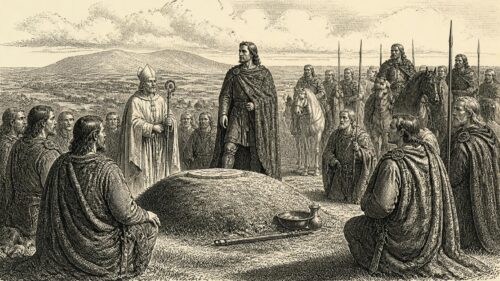
In 1455 Henry O’Neill was inaugurated at Tullyhogue as king over Ulster, backed by allied lords and Armagh’s ecclesiastical leader, although his father remained alive and dynastic conflict persisted. Elsewhere, Philip Maguire’s forces raided east Breifne, burning settlements, killing rivals and capturing a crannog, demonstrating mobile lordly warfare. Annals also recorded deaths among ruling, clerical and learned families, revealing networks of status, hospitality and service. At Navan, Abbot John Bole granted a Pentecost indulgence supporting religious observance and monastic repair. In Connacht, a lord was killed by his own men. These events illustrate Ireland’s multiple, localised and precarious political worlds.
Read Article
Archived: 20 October 2026
Abstract
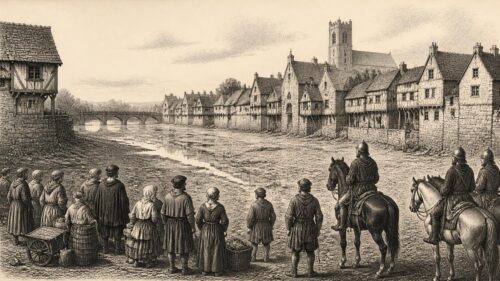
In 1452, Ireland was governed through competing lordships, kinship, warfare and negotiation. Neachtan Ó Domhnaill’s assassination by nephews destabilised Tír Chonaill, enabling Énrí Ó Néill to broker a settlement while gaining territory and tribute. Marriage alliances drew James Butler, fourth earl of Ormond, north to compel Énrí’s reconciliation with his first wife. Fighting in the Fews ended with compensation and peace. Ormond’s rapid circuit across the midlands and north-east secured submissions, payments and prisoners, but he died at Ardee in August. His death weakened settlements. Annals also noted the Liffey’s recession, raids on Teagh-Munna, plague, and deaths among learned families.
Read Article

Archived: 20 October 2026
Abstract
In 1450 Thomas Óg Mág Uidhir, lord of Fermanagh, departed for Rome’s jubilee, demonstrating Gaelic lordship’s international religious connections and dependence on learned patronage. During his absence, Donnchadh Dunchadhach Maguire murdered Cathal Maguire, seized his wealth, and sought wider power; after negotiation, Edmond Maguire captured and mutilated him. Annals also record deaths of Clogher’s Maguire bishop, pilgrims and physician Tadhg Ó Cáiside, illustrating ecclesiastical and hereditary service networks. Elsewhere, Ó Néill raids, alliances and killings, and an Ó Raghallaigh settlement reshaped northern politics. Richard, duke of York, left Ireland in September, appointing Ormond deputy, thereby highlighting Ireland’s multiple political centres.
Read Article
Archived: 20 October 2026
Abstract
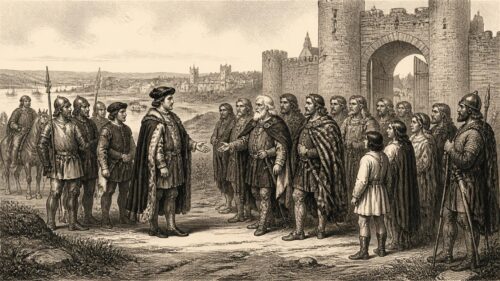
In 1449 Richard, duke of York, arrived in Ireland as Henry VI’s lieutenant, combining royal office with extensive Irish lordships. At Drogheda, he concluded an agreement with Énrí Ó Néill, backed by Eóghan Ó Néill, exchanging military support for protection. York received earls, negotiated hostages from Meath and demonstrated government through personal alliances rather than conquest. Elsewhere, disputed successions destabilised Breifne, while warfare involved Ó Néills, MacQuillans, Scottish connections and Cenél Conaill. Annals also record religious renunciation, dynastic deaths and learned families. The year reveals a plural political landscape, where English administration and Gaelic rulers formed shifting, pragmatic coalitions locally.
Read Article
Archived: 20 October 2026
Abstract
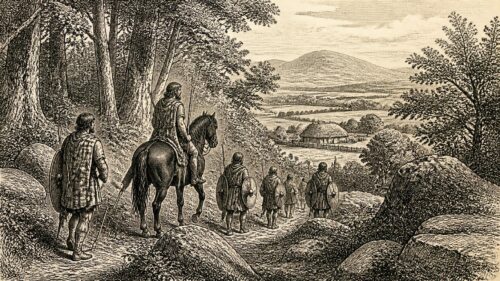
In 1444, Aodh Buidhe O’Neill of Clandeboye died from wounds received raiding Iveagh, prompting Eóghan O’Neill of Tír Eógain to intervene. Clandeboye leaders, allied with the MacQuillans, ambushed and defeated him in Dufferin, taking hostages including his son. Eóghan also compelled Dundalk to pay money and wine, while English government met at Drogheda with limited reach. Thomond suffered a violent Ó Briain succession rupture, including Mathgamain’s blinding and Toirdelbach’s seizure of power. Rome appointed Cormac Mác Shamhradháin bishop of Ardagh, while Trim’s Marian miracle cult, charity, deaths, warfare, and learned patronage reflected Ireland’s interconnected yet fragmented political and religious world.
Read Article

Archived: 20 October 2026
Abstract
In 1443, Muirchertach Ó Cellaigh briefly captured Athlone Castle, a key Shannon crossing, before James Dillon and William Boy Dillon recovered it; William Boy was killed, while Muirchertach received safe conduct. The episode illustrated contested authority and negotiated frontier politics. Annals also record deaths, feuds, raids, restitution and killings among Irish lordships, notably in Oriel, Ulster, Connacht, Ossory and the midlands. Aengus Mac Gilla-Fhinnein, abbot of Lisgoole, died on 17 September. Legal scholars Gilla na Naem Mac Aodhagáin and Hugh Mac Aodhagáin were commemorated. Differing annalistic dates complicate events in Thomond, showing Ireland's connected institutions amid persistent conflict and rivalry.
Read Article

Archived: 20 October 2026
Abstract
In 1442, James Butler, earl of Ormond, resumed the Irish lieutenancy, governing through fragile alliances rather than centralised power. In the north-west, Énrí and Eóghan Ó Néill secured assistance from the English settlement and compelled Neachtain Ó Domhnaill to cede Castlefin, Cenél Moen and Inis Eógain’s tribute. Other struggles involved Enniskillen, Oriel, Ulster raiding and Wicklow warfare. After Muircheartach Caomhánach’s killing, his father won prisoners and compensation from Wexford. Obituaries recorded lords and clergy, while Ormond rental accounts reveal farming, rents and seigneurial justice. Together, the sources portray a connected, contested Ireland shaped by castles, kinship, tribute, negotiation and authority.
Read Article

Archived: 20 October 2026
Abstract
Annals for 1440 depict regional political and social change rather than an island-wide event. Walter Burke, Mac William Íochtar of Lower Connacht, died of plague in early September and was promptly succeeded by his brother Edmund, illustrating Gaelicised kin-based succession. Neachtan O’Donnell and Owen O’Neill made peace, temporarily easing northern conflict. In Fermanagh, deaths and killings among Maguire kin revealed interconnected lordly households, while Matthew Mac Craith’s replacement as coarb of St Dabeoc showed hereditary ecclesiastical authority. The deaths of historian Duibhgenn Ua Duibhgennáin and lawyer Domnall Ua Breislen underscored learned orders’ political importance. Sources remain fragmentary and cautiously dated.
Read Article

Archived: 20 October 2026
Abstract
In 1436, Ó Conchobhair Fáilghe launched raids against the English lordship, reportedly avenging the captivity of an Ó Domhnaill kinsman. English settlers of Meath, Ó Fearghail allies and the Prior of Kilmainham defeated him, though conflict continued. In Ulster, Niall Ó Néill was killed in a night attack, while Eóghan Ó Néill secured the crannóg of Loch Laoghaire before raiding Tírhugh. Annals also record local deaths and feuds. The deaths of jurist Gilla-Íosa Mac Aodhagáin and historian Geanann Mac Cruitín, alongside a 1436 Dindshenchas manuscript, attest to enduring learned culture amid fragmented, interconnected warfare and lordship across Ireland's political landscape.
Read Article
Archived: 20 October 2026
Abstract
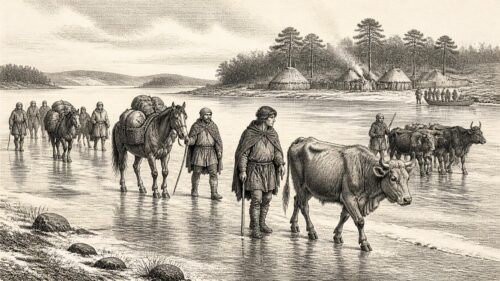
A Winter Made PassableFor Ireland, 1435 opened in a landscape temporarily remade by cold. The annals call it an exceptional frost: lakes and rivers were hard enough to be crossed on solid ice. The Annals of Ulster add an unusually vivid detail from Fermanagh. When Eóghan Ó Néill entered the region with an army, the people of Fir Manach moved cattle, horses carrying loads and other portable goods westward across Lough Erne—not in boats, but over the frozen lake. This was not merely a picturesque curiosity. It changed the practical geography of a frontier lordship. Water that normally protected communities,
Read Article
Archived: 20 October 2026
Abstract
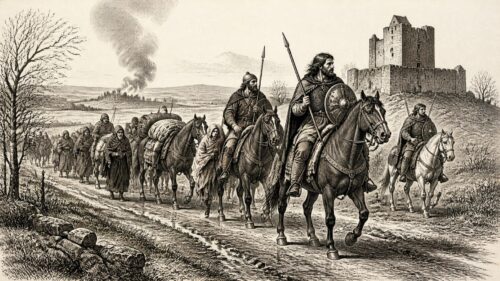
In 1434, Eóghan Ó Néill of Tír Eóghain and Niall Garbh Ó Domhnaill of Tír Chonaill, recently rivals, led a broad Ulster coalition into the English lordship. They exacted tribute at Sradbaile, burned Sliabh Breagh and Oriel, and attacked Nobber Castle. Thomas Stanley’s mounted response allowed Ó Néill’s sons to withdraw safely but trapped Ó Domhnaill’s separated party seeking cattle. His heir Toirdhealbhach and other leaders died, while Niall Garbh was captured, enabling his brother Neachtan to rule. Annals also recorded deaths among churchmen and learned families. Late in the year, severe frost froze major lakes, disrupting life and travel.
Read Article
Archived: 20 October 2026
Abstract
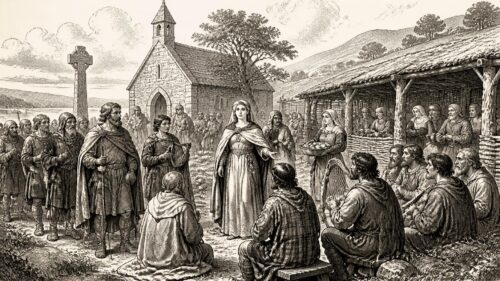
In 1433, regional conflict, diplomacy, famine and patronage shaped Ireland. Eóin Ó Néill, aided by Mac Domhnaill’s Scottish fleet, campaigned against Niall Garbh Ó Domhnaill and MacQuillan in Dufferin, devastating creaghts and burning Ardglass. Negotiations by Niall Garbh’s wife and subordinate rulers halted a proposed attack, while subsequent travel produced peace at Caol Uisce. In Breifne, Mag Raghnaill factional warfare involved paid soldiers. Severe summer famine accompanied notable hospitality by Mag Uidhir and Margaret Ó Cearbhaill. Pope Eugenius IV licensed Franciscan Regular Observance at Quin, reinforcing Mac Conmara patronage and linking local lordship to wider ecclesiastical reform currents across Europe.
Read Article
Archived: 20 October 2026
Abstract
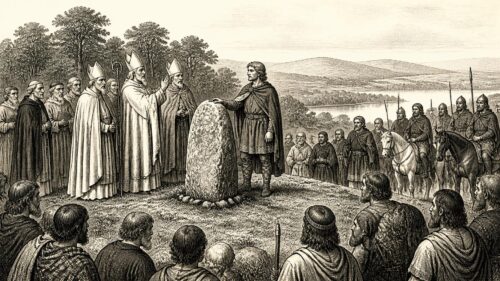
In 1432, Domhnall Bog Ó Néill was killed in Ó Catháin territory, enabling his rival Eóghan, son of Niall Óg, to be inaugurated king of Tír Eóghain at Tullaghoge with clerical and learned support. Eóghan’s alliance with Sligo provoked conflict with Niall Garbh Ó Domhnaill of Tír Conaill, bringing armed diplomacy, Erne crossings, prolonged campaigning, burned settlements and crops. Raids exposed Armagh’s vulnerability, while bishops and learned families remained centres of hospitality, law and memory. Elsewhere, Ormond attacked Éile and Mac Murchadha challenged English power in Leinster. The year revealed fragmented authority, shifting alliances, and legitimacy unable to secure peace.
Read Article
Archived: 20 October 2026
Abstract
In 1431, Ireland experienced raids, reprisals, dynastic conflict and institutional losses. Sir Thomas Stanley's delayed arrival as royal lieutenant left the English lordship constrained around Dublin, though chancery business continued. After John Maguire was killed in Tullyhaw, Tomás Óg Maguire ravaged the district and burned Ballymagauran. O'Neill, Maguire and O'Reilly devastated MacQuillan territory, while hostage negotiations and O'Donnell rivalries reshaped Ulster. Gaelic and English forces conducted reciprocal raids in Breifne and Leinster. Deaths of bishops, clerics, poets and nobles underscored the fragility of lordship. Warfare damaged crops and homes, yet religious, learned and administrative institutions endured amid mobile local power.
Read Article
Archived: 20 October 2026
Abstract
In 1430, Irish political life was marked by warfare, negotiation and succession rather than an island-wide event. Tomás Mág Uidhir died on 13 November after thirty-six years ruling Fermanagh, and his son Tomás Óg succeeded with publicly affirmed support. Eóghan O’Neill raided Oriel and Meath, securing tribute, submissions and a hostage without permanently conquering these territories. In Cork, Kilbrittain castle changed hands amid MacCarthy and Desmond conflict. Raids and rival claims affected Connacht and Breifne, where sanctuary and éraic enabled settlement. Deaths of clerics and legal scholars underline ecclesiastical and learned institutions’ roles in authority, hospitality, memory and social order.
Read Article
Archived: 20 October 2026
Abstract
In 1427, Ireland’s fragmented political order was shaped by dynastic rivalry, constrained English administration and local military action. Donnchadh Mac Murchadha, king of Leinster, returned after eight years’ imprisonment in England, challenging his brother Gerald’s authority while receiving English support. Lord Grey briefly assumed the lieutenancy, reliant on local deputies amid fiscal and factional weakness. English or Anglo-Irish forces demolished Edenderry Castle, while an Ulster coalition led by Niall Garbh Ó Domhnaill defeated MacQuillan’s forces, taking prisoners and booty. Annalistic obituaries emphasised penitence, hospitality and charitable guest-houses, demonstrating that reputation, kinship and religious patronage remained central to power and standing.
Read Article
Archived: 20 October 2026
Abstract
In 1426, Ireland comprised overlapping English, Gaelic and Gaelicised jurisdictions rather than a unified state. Naghtan O'Donnell was ransomed from English captivity by his brother Niall, who provided extensive property and hostages; Turlough O'Donnell subsequently escaped with four fellow hostages. Annals record successions, deaths and kin violence, including O'Brien inauguration, Mac Mahon’s killing, and O'Conor losses. Reconciliation between Owen O'Neill and O'Neill aimed to recover alienated lands. Learned historians, hospitality, penance and plague also feature. Dublin received royal compensation for earlier military service, while an Ormond deed leased Kilkenny mills, demonstrating administrative, economic and seigneurial institutions alongside regional personal power.
Read Article
Archived: 20 October 2026
Abstract
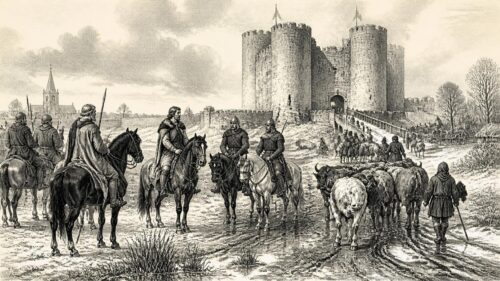
In 1425, Edmund Mortimer, the king’s lieutenant and earl of March and Ulster, died suddenly at Trim while pursuing agreements with northern Gaelic lords. His death undermined a fragile settlement, followed by arrests of visitors and worsening Ulster conflict. James Butler, earl of Ormond, became lieutenant and negotiated written alliances with the Meic Mathghamhna and Éoghan Ó Néill. In Connacht, Toirrdelbach Ruad Ó Conchobair died and Cathal, son of Ruaidrí, succeeded amid violence. Brian Ballach Mac Uí Néill Buidhe was killed at Carrickfergus. Severe winter weather devastated cattle, crops and people, while records showed religious and learned life across Ireland.
Read Article
Archived: 20 October 2026
Abstract
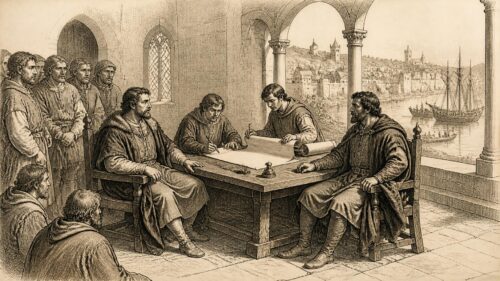
In 1422 Irish politics operated through local lordships, alliances, hostages, land and warfare. At Youghal, Ormond granted Desmond a life interest in 240 acres, securing revenues and services while retaining rights. In Tír Conaill, Toirdhealbhach Ó Domhnaill retired to Assaroe, succeeded by Niall Garbh, whose campaigns asserted authority across Ulster and into Connacht. Eóghan Ó Néill’s ransom and subsequent alliances demonstrated hostage diplomacy’s importance. Offaly’s An Calbhach defeated Meath forces near Trim, amid wider frontier fighting. Raids damaged crops, cattle, homes, churches and learned people. Henry V’s death brought Henry VI’s minority, while regional powers continued negotiating, raiding and fighting.
Read Article
Archived: 21 October 2026
Abstract
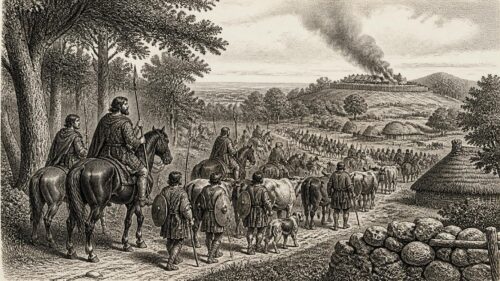
In 1419 Ireland experienced overlapping conflicts rather than a single national crisis. Eóghan Ó Néill, backed by northern allies, expelled Domnall Ó Néill from Tyrone, while Connacht forces burned Murbach and devastated Tírhugh. A major Connacht invasion of Clanricard ended in defeat at Bél Átha Lige, with heavy losses, captures and plunder. English lieutenant John Talbot’s administration seized Leinster’s Donnchadh Mac Murchadha, while Calbach Ó Conchobair escaped captivity. Succession disputes disturbed Breifne. Plague killed the scholar Dauid Ó Maolconaire; an unusually hot summer brought drought but abundant harvests. Deaths of poets, rulers and clerics highlighted patronage, learning and religious life.
Read Article
Archived: 21 October 2026
Abstract
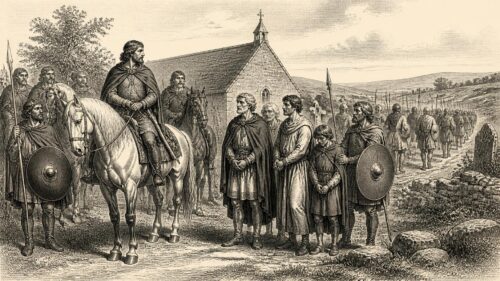
In 1414 Ireland experienced overlapping warfare, political manoeuvre, disaster and disease. Murchad Ó Conchobair and Fergal Ruad Mac Eochagáin defeated English forces from Meath at Cill Echi, killing prominent clergy and nobles and securing ransoms. In Tír Eógain, hostage exchanges restored Domhnall Ó Néill, while Mac Diarmata lordship changed hands. Fighting between Mac Murchadha rulers and Wexford forces brought capture, burning, plunder and further hostages. Sir John Stanley died, John Talbot became lieutenant and arrived late in the year. A candle fire destroyed Sligo’s Dominican monastery; a dean died; plague was reported in Meath and Leinster. Annalistic discrepancies require caution.
Read Article
Archived: 21 October 2026
Abstract
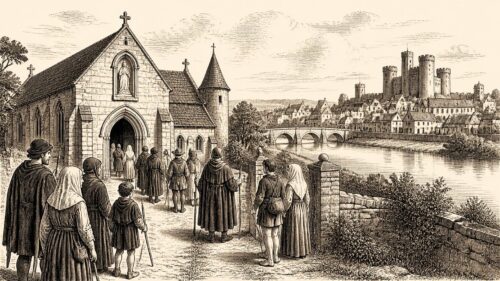
The surviving evidence for 1412 presents Ireland not as a single political unit but as a country of intensely local powers, connected by warfare, kinship, devotion and movement. Annalists recorded raids and counter-raids from the Moy to Fermanagh, the escape of a high-status captive from Dublin, a campaign across Connacht involving Gaelic and Anglo-Irish forces, and reports of miracles at a Marian shrine in Trim. These were not episodes on a national stage directed from one centre. They reveal overlapping lordships, towns and ecclesiastical institutions, each vulnerable to events beyond its own boundaries. A Violent Night in Tullyhunco The sharpest
Read Article
Archived: 21 October 2026
Abstract
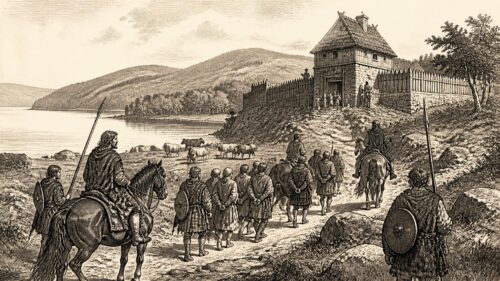
In 1410, Ireland’s political map was not a single kingdom directed from one capital but a field of overlapping lordships, kin-groups, towns and ecclesiastical territories. The year’s most striking recorded episode was the seizure of Domnall Ó Néill, lord of Tír Eógain, by Brian Mac Mathghamhna. Yet the annals also preserve a wider pattern: rulers and heirs dying, castles changing hands, cattle being driven away, a captive rival dying in Munster, and succession being managed amid danger. Taken together, these entries show how authority depended on personal alliances, control of strongpoints, inherited claims and the ability to reward followers.The surviving
Read Article
Archived: 21 October 2026
Abstract
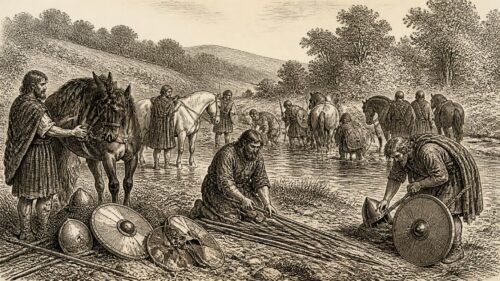
In 1404, Ireland remained politically fragmented between the English lordship, Anglo-Irish magnates and Gaelic rulers. At Blackford in Laigis, Gilla Pátraic Ó Mórdha defeated forces identified as English, capturing horses, weapons and armour. Connacht saw Mac Diarmata succession struggles, regional deaths and warfare, while Domnall Ó Néill claimed Ulster’s kingship amid continuing rivalry. Bishop Tomás Barrett died, Nicholas Fleming was appointed to Armagh, and widespread lectual sickness was reported. Maritime conflict occurred in Munster. The deaths of several ollamhs, or learned masters, highlighted the vulnerability of hereditary cultural institutions. Annals also record household figures, local violence and uncertain chronology throughout.
Read Article





