
Archived: 26 September 2026
Abstract
In 2006, Ireland’s boom brought record housebuilding, low unemployment, migration and pressure on infrastructure and services. The census recorded 4,239,848 people, with non-Irish nationals comprising about one tenth, reflecting profound social and religious change. Government responded through employment-permit, strategic-planning and social-partnership measures, while the Dublin Port Tunnel opened to improve freight access. In Northern Ireland, the St Andrews Agreement created a route towards restoring devolved power-sharing, although Stormont remained suspended; a Transitional Assembly began preparatory work. The High Court rejected recognition of Katherine Zappone and Ann Louise Gilligan’s Canadian marriage. Europe’s Ryder Cup victory at the K Club projected confidence.
Read Article

Archived: 26 September 2026
Abstract
In 1989, Ireland combined tentative recovery with enduring social and political strain. Fianna Fáil, short of a majority after June’s election, formed its first coalition, with the Progressive Democrats. Judicial separation legislation modernised family law without legalising divorce. Social partnership, European structural funding and Intel’s Leixlip investment signalled economic change, although unemployment and emigration remained severe. Northern Ireland endured killings, including Patrick Finucane’s murder and the IRA attack on two RUC officers, while Peter Brooke acknowledged military means alone could not end conflict. Three Irish UN soldiers died in Lebanon. Ireland’s football team qualified for its first World Cup finals.
Read Article

Archived: 9 October 2026
Abstract
In 1914, Ireland experienced social hardship after the Dublin Lockout, escalating conflict over Home Rule, and the growth of armed volunteer movements. The Curragh crisis undermined army neutrality, while Ulster Volunteers imported arms at Larne. Nationalists responded through Cumann na mBan’s formation and the Howth gun-running, followed by fatal shootings at Bachelor’s Walk. Efforts to resolve Ulster’s status at the Buckingham Palace Conference failed. Britain’s entry into the First World War transformed priorities. Although the Third Home Rule Act received Royal Assent in September, it was immediately suspended. Redmond’s call for wartime enlistment divided the Irish Volunteers, deepening political uncertainty.
Read Article
Archived: 9 October 2026
Abstract
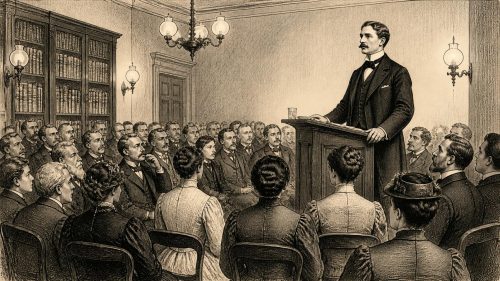
In 1892, Ireland’s general election confirmed anti-Parnellite dominance, with Justin McCarthy’s federation winning seventy-two seats against nine for John Redmond’s faction, while nationalist division persisted. Liberal victory returned Gladstone to office, making Home Rule possible but not yet enacted. Belfast’s Ulster Unionist Convention demonstrated organised resistance, and Edward Carson entered Parliament. Rural labourers founded Knights of the Plough, demanding land, wages and housing. St Macartan’s Cathedral was dedicated in Monaghan. Douglas Hyde’s Dublin address, The Necessity for De-Anglicising Ireland, urged cultural renewal through language and tradition. Census reports documented social change; Belfast also hosted Ireland’s international football match against England.
Read Article
Archived: 10 October 2026
Abstract
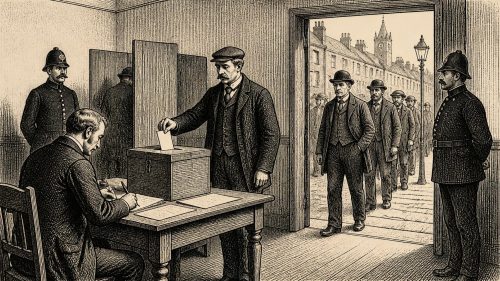
In 1872, the Ballot Act introduced secret voting for Irish parliamentary and municipal elections, first tested at Londonderry City, where Conservative Charles Lewis won a four-cornered by-election. Franchise restrictions and local religious, social and political influence nevertheless persisted. Isaac Butt’s Home Rule movement expanded through contested elections, linking constitutional reform with tenant grievances. Repeal of the Party Processions Act enabled nationalist demonstrations: Derry’s passed peacefully, but Belfast’s Hannahstown procession preceded severe sectarian rioting, deaths and displacement. Religious education, Church affairs, agricultural change, urban institutions and literary publication reflected pressures. Lord Mayo’s assassination in India highlighted Ireland’s connections to imperial government.
Read Article

Archived: 10 October 2026
Abstract
In 1862, Ireland saw significant infrastructural, civic and institutional development alongside enduring poverty and political frustration. Edward Harland and Gustav Wolff formed their Belfast shipbuilding partnership, while Ulster Hall opened, symbolising the city’s industrial and cultural confidence. The railway reached Sligo, and a Stranraer–Larne steam service improved connections with Scotland. Dublin gained statutory authority for a municipal fire brigade. Meanwhile, parliamentary debates highlighted severe rural distress and workhouse dependence; Poor Law changes expanded infirmary care and child boarding-out. Churches marked Archbishop Beresford’s death, republican organisation persisted covertly, and Irish communities remained connected to America, literature, and expanding national education systems.
Read Article
Archived: 10 October 2026
Abstract
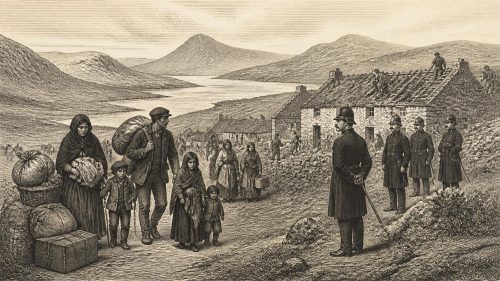
In 1861, Ireland faced continuing post-Famine decline, emigration and unequal development. The Derryveagh evictions in Donegal saw John George Adair remove 244 people from forty-seven families, with police enforcing lawful writs and homes destroyed. Parliamentary debate exposed tenants’ lack of security, while poor-law authorities assisted displaced families. Census enumeration recorded 5,798,967 inhabitants, reflecting sustained demographic loss, although household returns were later destroyed. Land-improvement legislation promised rural progress amid continuing insecurity. Queen Victoria reviewed troops at the Curragh, while Dublin’s Mater Misericordiae Hospital opened. Belfast’s linen industry expanded, Sheridan Le Fanu began a novel serial, and Irish scholar John O’Donovan died.
Read Article
Archived: 11 October 2026
Abstract
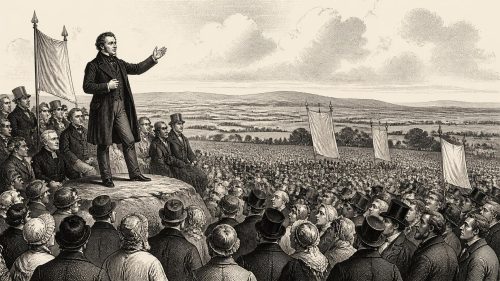
In 1843 Daniel O’Connell’s Repeal campaign sought restoration of an Irish parliament while retaining the Crown. Organised by the Repeal Association, enormous peaceful monster meetings at Trim, Tara and Mullaghmast mobilised supporters and linked self-government to Ireland’s nationhood, poverty, land insecurity and development. Thomas Davis and The Nation broadened its cultural nationalism, while clergy played organisational roles. Beneath pageantry, agricultural dependence, insecure tenancies and harsh Poor Law relief revealed social vulnerability. The prohibited Clontarf meeting marked the campaign’s defeat: O’Connell cancelled it to avert violence, after which government prosecutions began. Repeal failed, but 1843 shaped nationalism and highlighted Ireland’s crisis.
Read Article

Archived: 11 October 2026
Abstract
In 1832, Ireland experienced reform, conflict and epidemic crisis. Glasnevin Cemetery opened in February as Daniel O’Connell’s inclusive burial project, its first interment an eleven-year-old Dublin boy. Cholera soon spread from Belfast to Dublin and other towns, killing perhaps 25,000 people and exposing poor sanitation, inadequate institutions and improvised medical and burial provision. Local boards of health organised contested responses. Meanwhile, resistance to Church of Ireland tithes continued despite government relief and enforcement measures. Parliamentary reform revised constituencies and increased representation but retained a property-based franchise. Debates over national education and restrictions on partisan processions reflected religious and political tensions.
Read Article
Archived: 11 October 2026
Abstract
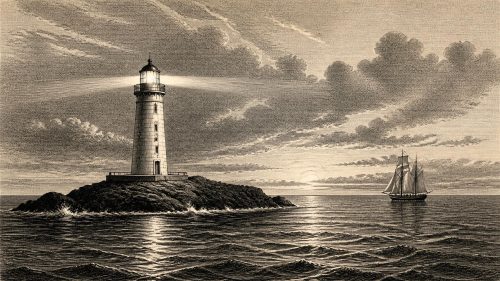
In 1815, Ireland, within the United Kingdom, faced transition from Napoleonic war to peace. Daniel O’Connell’s fatal duel with John D’Esterre heightened his prominence amid Catholic exclusion and Protestant civic power. Waterloo ended wartime demand, exposing agriculture’s dependence on British markets and foreshadowing hardship. New infrastructure included Tuskar Rock lighthouse, Charles Bianconi’s Clonmel–Cahir passenger service, and Cork’s first Irish-built steamship. Catholic public confidence appeared in St Mary’s Pro-Cathedral’s foundation and the Religious Sisters of Charity. The Dublin Society acquired Leinster House, William Drennan published reformist writing, and asylum governance was formalised, revealing Ireland’s changing political, religious, commercial and institutional systems.
Read Article
Archived: 11 October 2026
Abstract
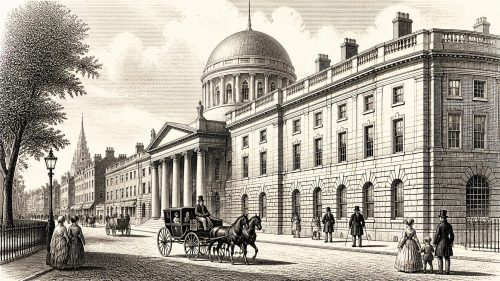
In 1808, seven years after the Union, Ireland experienced political subordination, wartime economic activity and Catholic institution-building. The Bank of Ireland opened in Dublin's former Parliament House, symbolising the loss of domestic legislature and the growing importance of finance and commerce. Catholic petitions, presented by Henry Grattan, sought equality but were overwhelmingly rejected at Westminster; controversy over a proposed royal veto on bishops deepened divisions. Meanwhile, the Patrician and Presentation Brothers were founded, and Cork's North Cathedral was dedicated. Cork Harbour dispatched Wellesley's expedition to Iberia, while Nelson's Pillar foundation and Mary Leadbeater's poetry reflected imperial commemoration and cultural life.
Read Article
Archived: 12 October 2026
Abstract
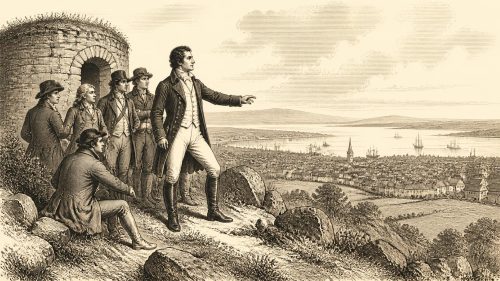
In 1795, wartime Ireland experienced reform, concession and sectarian conflict within its subordinate relationship to Britain. Lord Fitzwilliam’s arrival encouraged Catholic hopes of parliamentary admission, but London recalled him and defeated Grattan’s bill, undermining constitutional reform. United Irish leaders consequently moved further towards clandestine republicanism; Wolfe Tone departed for America seeking French support. Parliament nevertheless founded St Patrick’s College, Maynooth, to train Catholic clergy domestically. In County Armagh, the Battle of the Diamond confirmed Protestant dominance and prompted the formation of the Orange Order, followed by expulsions of Catholics. Routine infrastructure, legal and trade measures continued amid insecurity and polarisation.
Read Article

Archived: 12 October 2026
Abstract
In 1784, Rutland’s new administration resisted Irish parliamentary reform, and Henry Flood’s measure was defeated, exposing the limits of legislative independence under Anglican patronage. Reform meetings and Volunteer delegates continued to demand broader representation, while Catholic leaders debated whether further relief risked existing gains. In County Armagh, raids by Peep o’ Day Boys amid competition for land, linen work and security prompted the first organised Defenders near Ballymacnab. Expanding linen exports and the Grand Canal service to Robertstown indicated commercial growth, yet insecurity and inequality persisted. The year ended without settlement, revealing divisions of power, religion, property and livelihood throughout.
Read Article
Archived: 12 October 2026
Abstract
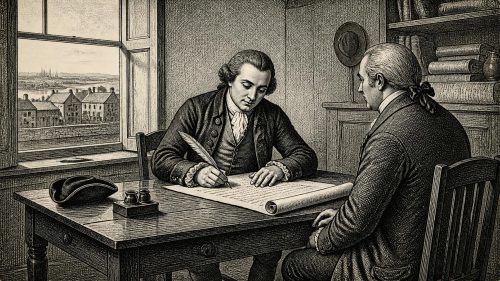
In 1759, Ireland, a separate but constitutionally restricted kingdom under George II, experienced political unrest and urban change. On 3 December, Dublin crowds invaded Parliament House over a false union rumour, demonstrating Protestant civic patriotism, economic anxiety and expanding popular political engagement. Speaker John Ponsonby helped restore calm, while Henry Flood entered Parliament. Catholics, still excluded from political power, promoted a loyal address to the Crown. Dublin's economy depended on agriculture, linen, trade and regulated industries. Arthur Guinness leased St James's Gate brewery for 9,000 years. Trinity's West Front was completed, and Bartholomew Mosse's maternity hospital survived its founder's death.
Read Article

Archived: 12 October 2026
Abstract
In 1753, Ireland’s exchequer surplus provoked a constitutional crisis when the Dublin Commons, led by Speaker Henry Boyle, rejected a debt bill returned from Britain with Crown control over expenditure. The dispute affirmed Commons resistance to executive interference but exposed the limits of parliament under Poynings’ Law, Protestant ascendancy and Westminster’s claimed supremacy; bargaining continued for years. In Dublin, the failing Essex Bridge was dismantled and replacement foundations begun, disrupting traffic while signalling Georgian engineering ambition. Authorities also addressed coal prices, begging, street cleaning and Kildare unrest. George Berkeley died in Oxford, ending an episcopate marked by practical improvement schemes.
Read Article

Archived: 12 October 2026
Abstract
In 1751, Nathaniel Clements became ranger of Phoenix Park and began the lodge later transformed into Áras an Uachtaráin, embodying the Palladian authority of Ireland’s Protestant elite. The shortened legal year, preceding Gregorian reform, altered timekeeping. Architect Richard Castle died, while actor Peg Woffington returned to Dublin’s Theatre Royal, illustrating cultural connections. Debate over Burton’s Bank’s 1733 collapse exposed insecurity. Parliament, dominated by Protestant interests and excluding Catholics, considered revenue, commerce, law, roads and charitable medicine, including Cork Infirmary. These developments reveal a connected Georgian Ireland whose growth, administration and institutions rested upon inequalities of religious, property and political power.
Read Article
Archived: 13 October 2026
Abstract
In 1735, Ireland’s Protestant governing system addressed poverty, security and economic improvement through parliamentary proposals, proclamations and print. Dublin’s parliament, constrained by Poynings’ Law and dominated by property-owning Protestants, considered measures reinforcing Catholic exclusion from juries and restricting mixed marriages. Cork advanced plans for St Fin Barre’s reconstruction and a workhouse combining relief, labour discipline, foundling care and Protestant instruction; legislation passed in 1736. Road schemes and liquor-credit regulation reflected social concerns. Proclamations pursued robbers across counties. George Berkeley’s Querist promoted debate on employment, consumption and national resources, while Protestant schooling and Ulster Scots print illustrated confessional and cultural currents.
Read Article
Archived: 13 October 2026
Abstract
In 1720, Westminster's Sixth of George I asserted Britain's power to legislate for Ireland and made the British Lords Ireland's final appellate court, deepening dependency. Ireland's Anglican ascendancy governed a population restricted by penal laws; James Cotter's execution heightened sectarian tensions. Jonathan Swift's Irish Manufacture pamphlet urged consumers to reject English goods, articulating economic patriotism amid mercantilist constraints. A proposed national bank reflected commercial ambition, but the South Sea Bubble's collapse brought banking panic. Construction began on Dr Steevens' Hospital, promoted by Grizelda Steevens, while Cork Harbour's Water Club was founded. Together they exposed dependence, inequality, charity and elite sociability.
Read Article
Archived: 13 October 2026
Abstract
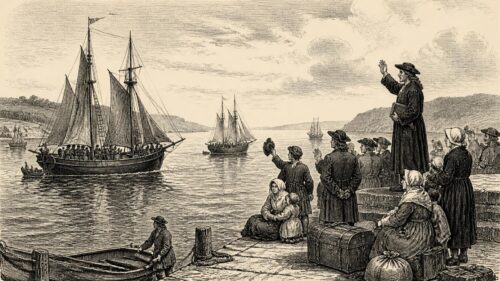
In 1718, Ireland’s significant developments centred on migration, religion and voluntary institutions rather than rebellion. Five vessels carried Presbyterian emigrants from Ulster to Boston, beginning a durable Atlantic movement driven by tenancy insecurity, economic pressures, religious disabilities and colonial opportunity. Ireland’s Protestant ruling order continued to disadvantage Catholics and dissenters, while Sherlock v Annesley highlighted contested Irish autonomy. Six surgeons founded Dublin’s Cook Street infirmary for injured poor, precursor to Jervis Street Hospital. A Ballybough cemetery lease recorded Jewish life. Church appointments and Catholic diocesan administration demonstrated competing authorities, while Thomas Parnell’s death connected Irish culture with British literary networks.
Read Article

Archived: 14 October 2026
Abstract
In 1697, post-war Ireland faced food scarcity, political consolidation and social disruption. Grain exports were restricted amid fears of shortages, while parliament reinforced Protestant ascendancy through property, security and religious legislation. It confirmed limited treaty protections for qualifying Jacobites but secured wartime forfeitures. The Banishment Act ordered Catholic bishops and regular clergy to leave, while restrictions targeted Protestant-Catholic marriages. Peace with France ended the Nine Years’ War, yet fears of Jacobitism persisted. Lightning destroyed Athlone Castle’s powder magazine, causing major damage. Scottish migration strengthened Ulster Presbyterian communities, while commercial tensions over Irish woollens and modest rebuilding reflected an uneven recovery.
Read Article

Archived: 15 October 2026
Abstract
In 1643, Ireland’s conflict within the Wars of the Three Kingdoms continued despite shifting military and political circumstances. Confederate forces captured Birr but suffered defeat at New Ross, while achieving a Munster success at Cloughleagh. Supply shortages, taxation, agricultural regulation, trade controls and anti-Catholic measures revealed wartime pressures around Dublin. On 15 September, Ormond and Confederate commissioners agreed the Sigginstown Cessation, a year-long armistice involving territorial arrangements, diplomacy and payments. It excluded Scottish Covenanting forces in Ulster and resolved neither religion nor landownership. The truce intensified Confederate debates, enabled northern planning, and coincided with Mícheál Ó Cléirigh’s work at Louvain.
Read Article

Archived: 15 October 2026
Abstract
In 1642, Ireland’s uprising became organised war amid the Wars of the Three Kingdoms. Catholic leaders united Gaelic and Old English interests around defence of worship, property and liberties, while professing loyalty to Charles I. Synods at Kells and Kilkenny promoted an oath of association. In October, the Kilkenny General Assembly established a Supreme Council, subordinate councils, military administration and taxation, creating a fragile Catholic government. Royalist, Protestant and Scottish forces retained key territories; defeats at Kilrush and Liscarroll checked Catholic arms. Owen Roe O’Neill’s return aided Ulster’s future resistance. War brought displacement, requisitioning and violence to all communities nationwide.
Read Article
Archived: 17 October 2026
Abstract
In 1604, after the Nine Years’ War, the crown sought to convert military victory in Ireland into durable administration. James I’s 11 July charter for Derry envisaged a fortified commercial town on the Foyle, combining garrison, trade, law and settlement, though it preceded the later Ulster Plantation. Recovery remained painful amid famine, displacement and contested land rights; Brian Óg O’Rourke’s death symbolised defeated resistance. Knighthoods, patents and territorial grants rewarded cooperative elites while reshaping Gaelic lordship and provoking rivalries. Anglo-Spanish peace reduced prospects of intervention. Arthur Chichester’s appointment and John Davies’s policies foreshadowed stronger crown government, surveys and planned settlement.
Read Article
Archived: 17 October 2026
Abstract
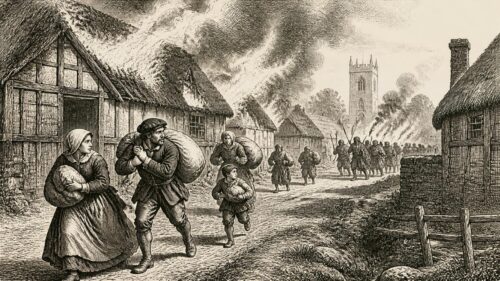
In 1577, Tudor authority in Ireland expanded through garrisons, agreements and coercion, yet faced resistance and disputes over the burdensome cess imposed on the Pale. In Leinster, Rory Óg O’More opposed plantation in Laois after Crown forces received authority to wage destructive war. His followers burned Naas in May and later captured Crown officers, while reprisals intensified. A recorded killing at Mullaghmast exposed mistrust, although claims of a larger massacre remain chronologically uncertain. Elsewhere, officials strengthened control in Thomond and negotiated revenue with Brian O’Rourke. Catholic resistance, overseas plans, religious division and comet marked continuing Leinster conflict at year's end.
Read Article

Archived: 18 October 2026
Abstract
In 1554 Queen Mary restored Gerald FitzGerald, surviving Kildare heir, as earl of Kildare and baron of Offaly, symbolising Geraldine rehabilitation while retaining tighter Tudor supervision. His return accompanied military cooperation with Lord Delvin against Clandeboye amid O’Neill dynastic conflict. Elsewhere, O’Brien campaigns, Burke alliances and a MacSweeney battle demonstrated persistent local warfare, raiding and divided kindreds. Marian religious restoration deprived Edward Staples of Meath, advanced William Walsh, and promoted Catholic discipline under George Dowdall. Dublin’s legal administration continued through new judicial appointments. Deaths of Gaelic lords and poet Tadhg Ó Cobhthaigh underscored Gaelic power, cultural memory and learned traditions.
Read Article
Archived: 18 October 2026
Abstract
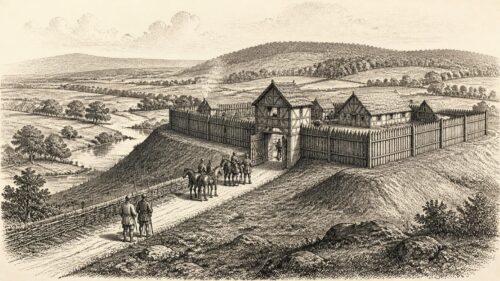
In 1548 Sir Edward Bellingham replaced Anthony St Leger as lord deputy, shifting Tudor policy from accommodation towards military occupation. Fort Protector, established in Leix on the future site of Portlaoise, provided a permanent garrison base against the O’Mores and O’Connors. Cahir Roe O’Connor was executed, while Brian O’Connor Faly and Giolla Pádraig O’More submitted, were taken to England, and the latter died there. Cess and the reopened Dublin mint supported government. Bellingham intervened in Wicklow, detained Desmond, while Ulster remained divided by conflict. Edwardian religious reforms advanced unevenly. Tudor power remained limited but relied on garrisons, coercion and confiscation.
Read Article
Archived: 18 October 2026
Abstract
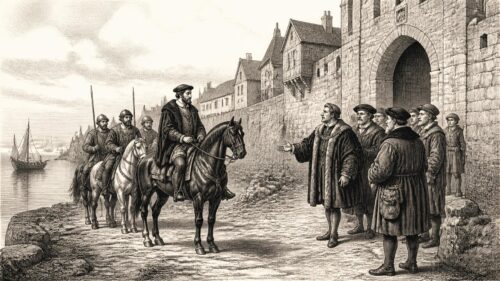
In 1538, Lord Leonard Grey extended Tudor influence through an armed western progress, securing submissions, attacking Claregalway Castle and visiting Galway, where civic hospitality reflected loyalty. Yet authority remained contingent: regional rulers used crown alliances for dynastic rivalries, while warfare continued in Connacht, Tyrone, Fermanagh and Wicklow. Grey’s support helped Ulick Burke dominate Clanricarde, and Thomond politics shifted around O’Brien competition. Religious reform advanced unevenly through Browne’s contested visitation and monastic suppressions, while Newry was remodelled rather than dissolved. Piers Butler regained Ormond’s earldom, and urban education and patronage persisted. Ireland remained politically fragmented, governed through force, negotiation and bargains.
Read Article
Archived: 18 October 2026
Abstract
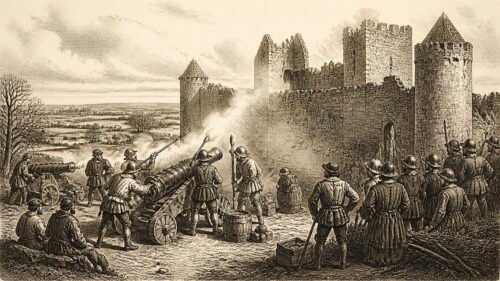
In 1535, the Kildare rebellion collapsed through military defeat, fractured alliances and Thomas FitzGerald’s surrender. Crown artillery captured Maynooth Castle in March, after which surrendered defenders were executed, creating the notorious memory of Maynooth’s pardon. Gaelic allies submitted or negotiated as royal pressure intensified. Leonard Grey received Thomas’s surrender in August and escorted him to England, where imprisonment preceded execution in 1537. Government forces also captured Dungarvan, while northern agreements revealed dependence on powerful local lords. Skeffington’s death closed a campaign. Victory dismantled Geraldine power without establishing secure government across Ireland, leaving authority contested through rivalries, coercion and fragile bargains.
Read Article
Archived: 18 October 2026
Abstract
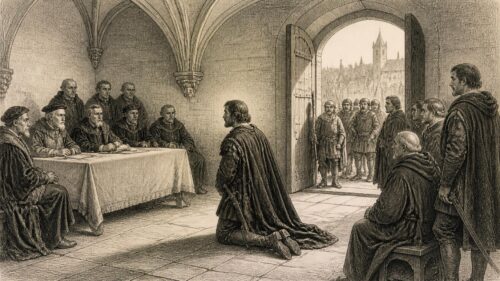
In 1534, Thomas FitzGerald, vice-deputy and heir to Kildare, renounced Henry VIII at Dublin’s St Mary’s Abbey after his father Gerald was recalled and imprisoned in London. Claiming papal loyalty, Thomas besieged Dublin Castle, mobilised Geraldine, Gaelic and Pale support, and sought foreign aid, but faced opposition from towns, Butlers and royal officials. War brought raiding and devastation across surrounding regions; Archbishop John Alen was murdered after capture near Clontarf. Gerald died in the Tower in September, making Thomas earl. Sir William Skeffington’s October arrival with a royal army shifted the balance, leaving Thomas entrenched at Maynooth under a truce.
Read Article
Archived: 18 October 2026
Abstract
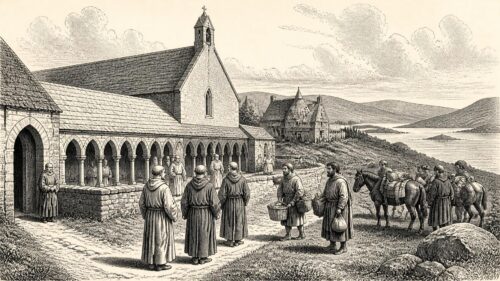
In 1530, Ireland remained divided among the Pale, Anglo-Irish magnates and Gaelic lordships. Gerald FitzGerald, ninth Earl of Kildare, returned from England alongside the new deputy, Sir William Skeffington, whose government relied uneasily on Kildare’s influence. Their forces compelled midland submissions from the O’Mores and O’Connors. Aodh Dubh O’Donnell raided Connacht and Breifne, extracting tribute, burning settlements and making temporary peace. Donegal hosted a Franciscan chapter lavishly supported by O’Donnell patronage. Annals also record deaths, dynastic killings and hospitality, illustrating authority founded on armed followings, negotiated settlements, religious patronage and household generosity rather than stable national rule throughout the island.
Read Article

