Derry Siege(c.1680s)

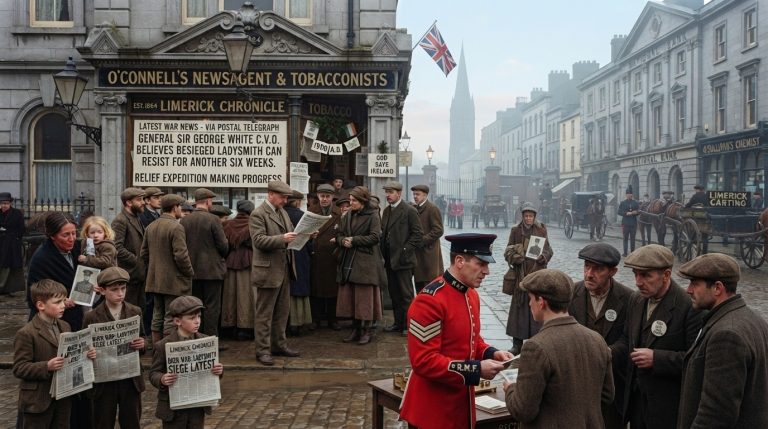
For Limerick, the siege of Derry in 1689 was an early turning point in the war that would eventually reach the Shannon and make the city the final Jacobite stronghold. The failure to secure Derry allowed Williamite resistance to survive in Ulster, delayed Jacobite control of Ireland and gave William time to organise a major invasion. The decisions taken before Derry therefore helped shape the later sieges of Limerick and the final settlement of the war.
After the Jacobite victories at Dromore and Cladiford, Richard Hamilton advanced towards Derry. The Williamite defenders had withdrawn behind the River Finn, but Hamilton forced a crossing, defeated their army and drove the survivors towards Raphoe. He then received delegates from Derry who offered to negotiate surrender. Hamilton proposed generous terms, including protection of life, liberty and property, and an agreement appeared close.
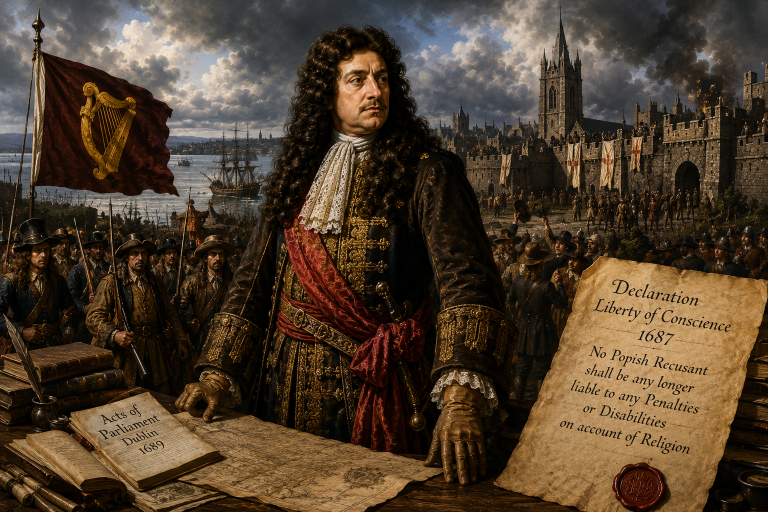
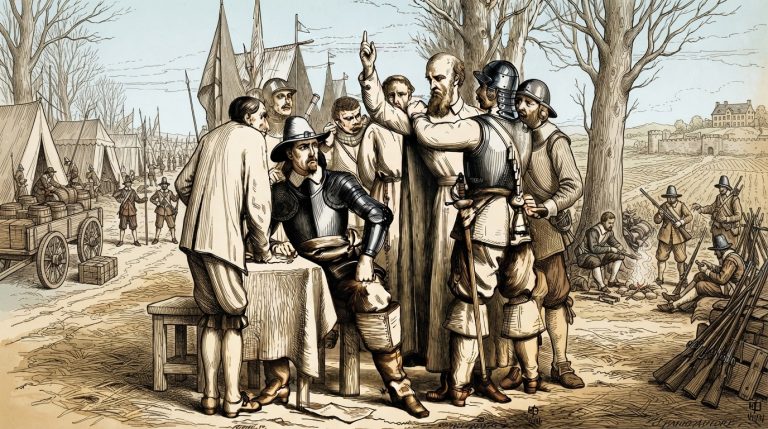
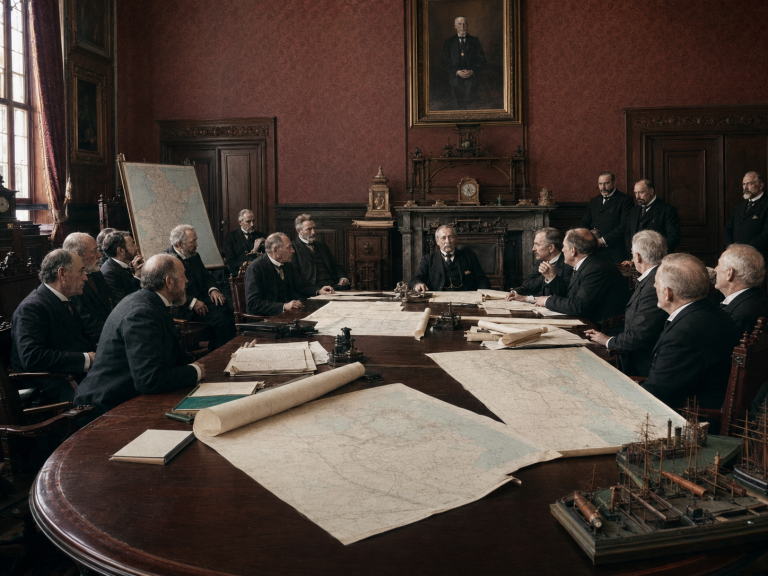
James II arrived unexpectedly near the city while negotiations were continuing. Persuaded that his presence would force an immediate surrender, he approached the walls and demanded admission. The defenders answered with cannon fire, killing an officer beside him. Believing Hamilton had acted deceitfully, they abandoned the negotiations and prepared for resistance. A siege was ordered, while James returned to Dublin to meet the Parliament summoned for May.
The Jacobite army surrounded Derry with only limited artillery and fewer troops than the defenders. The city had strong walls, a large population and increasing military support. Jacobite forces occupied positions around Pennyburn, Waterside, Hollywell Hill and Culmore, while a boom obstructed the River Foyle. Several attempts to gain stronger positions resulted in severe fighting and the deaths of important officers, including de Momont, de Pusignan and Ramsay.
Inside the city, the defenders reorganised their command after removing Governor Lundy. George Walker, Henry Baker and Captain Murray became leading figures. Although the population faced the threat of famine, the defenders remained better armed and protected by their walls. Jacobite assaults failed to produce a decisive breakthrough, while delays allowed Williamite relief efforts to develop.
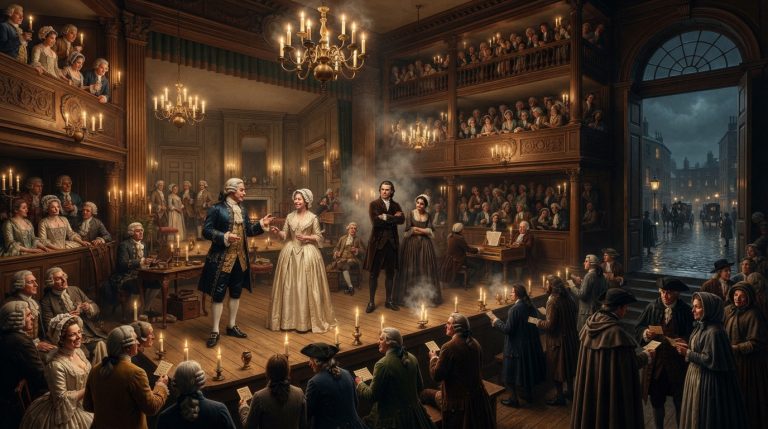
At the same time, James’s Parliament met in Dublin. It attempted to restore Catholic rights, repeal earlier land settlements, regulate tithes and raise money for the army. An act of attainder threatened those serving William with forfeiture unless they submitted. The Parliament also increased the king’s monthly subsidy, but financial weakness remained severe.
To fund the war, James issued large quantities of copper coin at an artificial value, restricted banking and attempted to regulate prices. These emergency measures caused resistance among merchants and weakened confidence in the currency. His interference with Dublin University also consumed time and created further Protestant distrust.
While political argument continued in Dublin, Tyrconnell struggled to maintain the army. The siege of Derry remained unresolved, Enniskillen stayed in Williamite hands, and preparations for invasion continued in England. The Jacobite opportunity for a rapid victory had been lost. Its consequences would eventually be felt at Limerick. There, Ireland’s remaining Jacobite army would inherit the military, political and financial weaknesses exposed during the unsuccessful campaign in northern Ulster.
Primary Sources
These sources directly support the article’s account of the Jacobite advance, the Siege of Derry, James II’s Dublin Parliament and the emergency copper currency.
- George Walker, A True Account of the Siege of London-Derry — 1689.
Written immediately after the siege by one of Derry’s governors, Walker’s account records the organisation of the garrison, military engagements, shortages, deaths from hunger and the eventual relief of the city. It presents the contemporary Williamite and Protestant interpretation of events. (Quod) - A True and Impartial Account of the Most Material Passages in Ireland Since December 1688 — 1689.
Published from the notes of an eyewitness who had resided in Derry, this contemporary narrative describes the forces inside the city and the progress of the conflict. It also includes an early map and description of Derry. (Quod) - James FitzJames, Duke of Berwick, Memoirs of the Duke of Berwick.
Berwick was James II’s son and served personally in the Irish campaign. His memoirs describe the Jacobite advance, fighting around Derry, the weakness of the besieging artillery and his disagreements with the French commanders. Although published later, they constitute the testimony of a direct participant. (Google Books) - Irish Parliament, Acts of Parliament at Dublin — 1689.
The surviving legislation includes the Declaratory Act asserting that English parliamentary laws could not automatically bind Ireland and the act repealing the Cromwellian Acts of Settlement and Explanation. These documents directly support the article’s discussion of constitutional and property reform. (CELT) - James II, Speech to the Irish Parliament and Proclamation concerning copper and brass money — 1689.
James’s speech at the opening of Parliament on 7 May set out his political programme, while his proclamation of 18 June authorised copper and brass currency to finance the government and army. Contemporary copies survive in the National Library of Ireland. (NLI Sources)
Walker and the anonymous Derry eyewitness represent the Williamite position, while Berwick, James II and the Dublin Parliament provide Jacobite and Irish governmental perspectives.