
Irish Reforms(c.1640s)
For Limerick, the reforms introduced in Ireland under James II were the beginning of a political and military struggle that would eventually bring Jacobite armies, Williamite forces and two devastating sieges to the city. The divisions created during these years hardened Ireland into opposing camps and ultimately made Limerick the final great stronghold of the Jacobite cause. Before war reached its walls, however, James and his Irish deputy, Richard Talbot, Earl of Tyrconnell, attempted to reverse decades of religious exclusion, confiscation and political inequality.
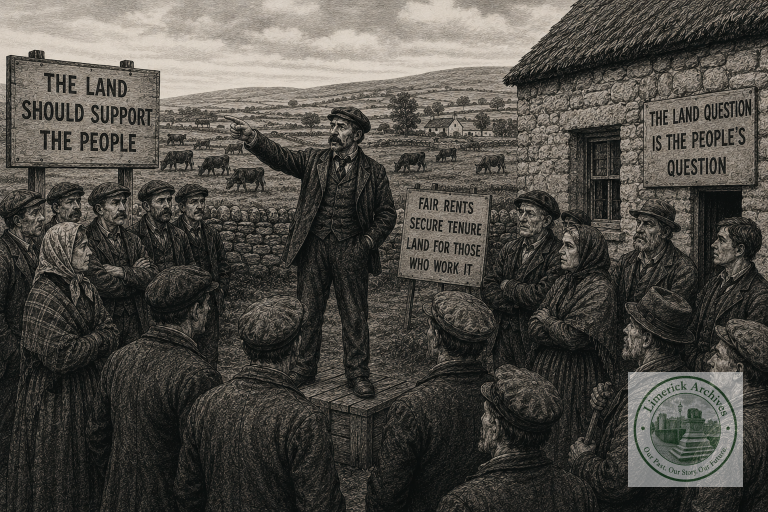
Ireland had endured repeated wars, plantations and land seizures during the previous century. The wars of Desmond, Tyrone and the Confederates of 1641 were followed by extensive confiscations that transferred much of the country from its traditional owners to Protestant settlers. Catholic education had been suppressed, property rights weakened and access to public office severely restricted. Native Irish families and Catholic descendants of the Norman settlers experienced different degrees of hardship, but both remained excluded from full political and religious equality.
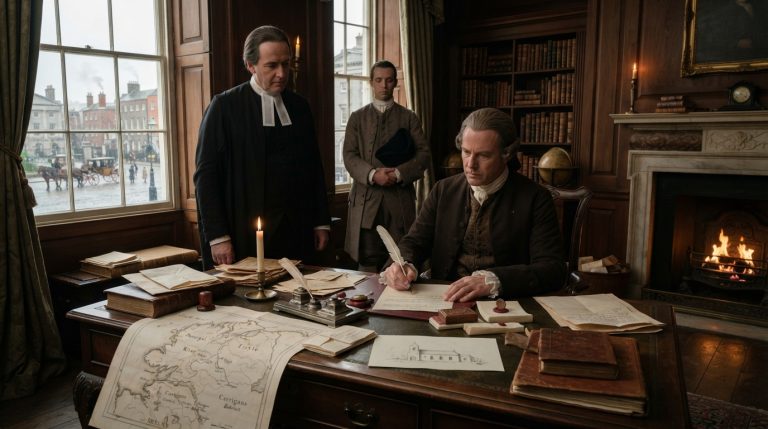
When James became king in 1685, he removed the Duke of Ormond from government in Ireland. James considered Ormond hostile to Catholic interests and incapable of implementing reform. After a brief period under two Lords Justices and the Earl of Clarendon, Richard Talbot was appointed deputy and commander-in-chief. Tyrconnell was a Catholic, an Irish patriot and a determined supporter of the king’s policy of religious toleration.
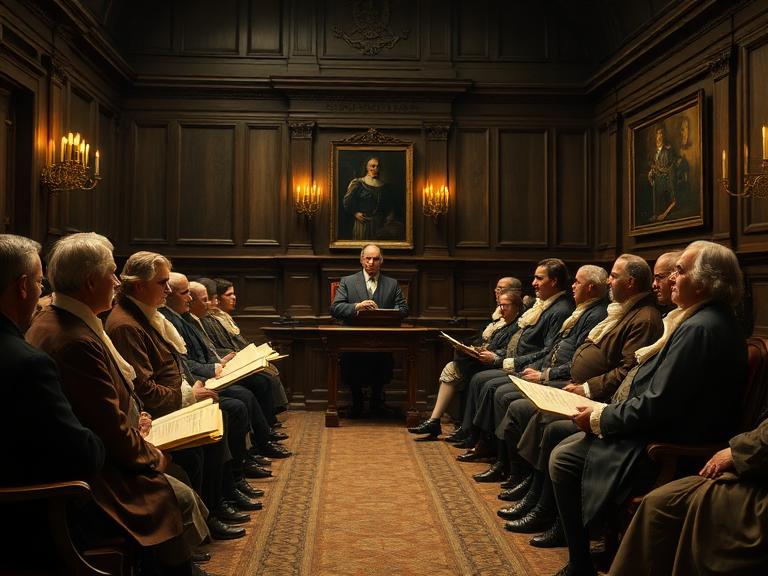
Under Tyrconnell, Catholics were gradually restored to public life. Judges, mayors, sheriffs and military officers were appointed without the religious restrictions that had previously excluded them. Catholic churches reopened, schools appeared and political disabilities were reduced. The Irish Parliament introduced measures intended to strengthen trade, encourage shipbuilding, protect Irish legal authority and remove restrictions imposed by England.
One proposed law declared that the English Parliament could not legislate for Ireland and sought to overturn the limitations associated with Poynings’ Law. Although James accepted several reforms, he rejected this challenge to royal and English control. The episode revealed that even a Catholic king committed to toleration would not surrender the political authority traditionally claimed over Ireland.
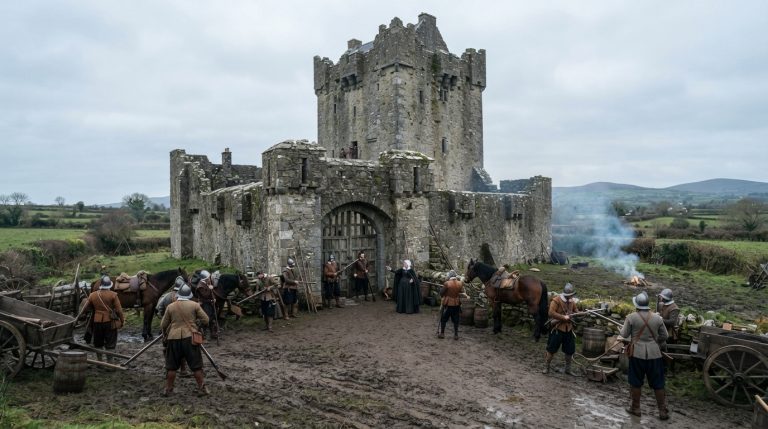
Tyrconnell also reorganised the militia. Ireland’s armed forces had been overwhelmingly Protestant and were commanded by men often hostile to Catholic reform. Arms were recalled for redistribution, religious tests were removed and Catholics were invited to enlist. Thousands joined, while many Protestant officers refused service or departed for Holland, where some entered the forces of William of Orange.
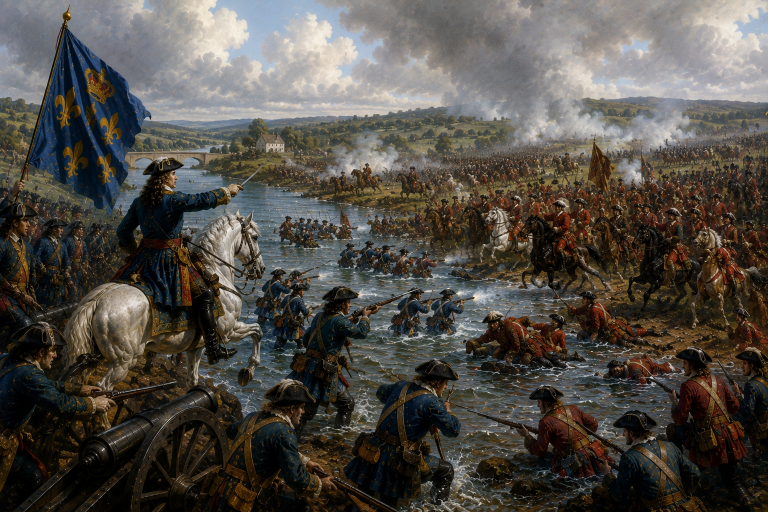
When William’s invasion of England became known, Ireland divided rapidly between Jacobites loyal to James and Williamites supporting the Prince of Orange. Fear and rumours intensified the crisis. In December 1688, the gates of Derry were closed against troops sent by Tyrconnell, while Protestant organisations seized several northern strongholds.
Open conflict had begun. Ireland was no longer merely debating reform, toleration or political authority. It was preparing for war. The struggle would move from Ulster across the country and eventually reach Limerick, where the fate of James’s Irish cause would be decided during two historic sieges.
Primary Sources
These sources directly support the article’s account of land confiscation, Catholic exclusion, Tyrconnell’s reforms, Irish legislative independence and the outbreak of conflict in Ulster.
- Sir Richard Nagle, The Coventry Letter — 26 October 1686.
Written to Richard Talbot, Earl of Tyrconnell, this detailed letter argues that the Acts of Settlement and Explanation had unjustly deprived Irish Catholics of their property. It is a central primary source for understanding the demands for land reform under James II. (CELT) - James II, His Majesty’s Gracious Declaration to All His Loving Subjects for Liberty of Conscience — 4 April 1687.
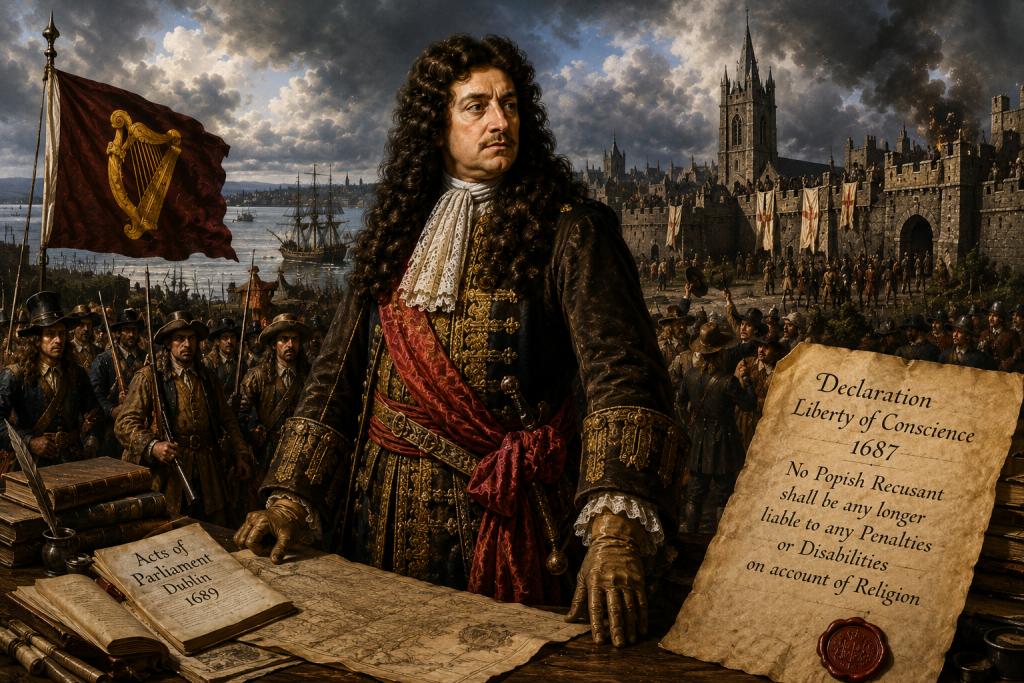
James suspended religious penalties and declared freedom of worship for Catholics and Protestant dissenters. A Dublin reprint circulated in Ireland during the same year, directly supporting the article’s discussion of religious toleration and the removal of disabilities. (LingPhil) - Richard Talbot, Earl of Tyrconnell, A Declaration on the Conduct of the Forces — 24 February 1686/87.
Issued by Tyrconnell as Lord Deputy and commander of the army in Ireland, this official proclamation concerns military discipline and administration during the reorganisation of the Irish forces. An original printed copy is preserved in the National Library of Ireland. (National Library of Ireland Catalogue) - Parliament of Ireland, Acts of Parliament at Dublin — 1689.
These surviving extracts include the Declaratory Act, which maintained that England’s Parliament could not legislate for Ireland, and the act repealing the Cromwellian Acts of Settlement and Explanation. Together, they directly demonstrate the programme of political and property reform pursued by James’s Irish Parliament. (CELT) - George Walker, A True Account of the Siege of London-Derry — 1689.
Written by one of Derry’s governors immediately after the siege, Walker’s narrative presents the Williamite and Protestant perspective on the resistance to James II. It documents the military organisation, conditions inside the city and allegiance offered to William and Mary. (Quod)
The sources represent opposing political viewpoints: Nagle and the Dublin legislation express Jacobite and Catholic arguments, while Walker presents the Williamite interpretation. Reading them together provides a more balanced contemporary record.