
Punitive Oaths(c.1700s)
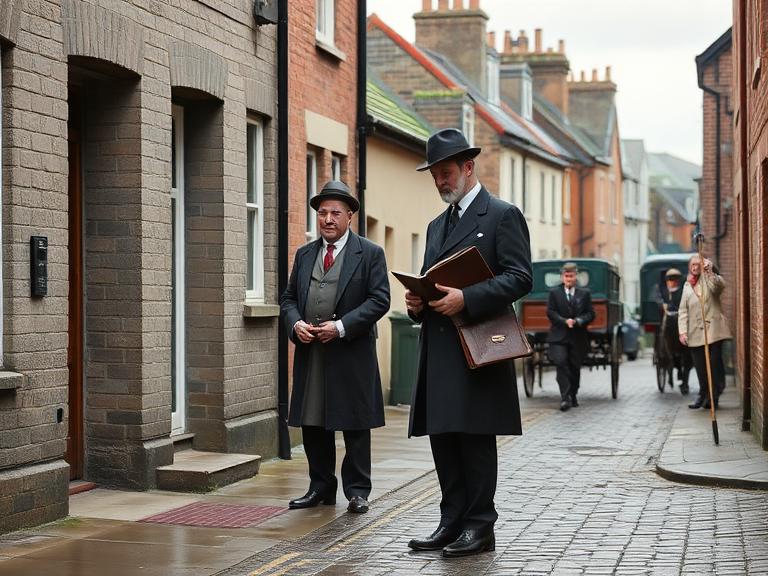
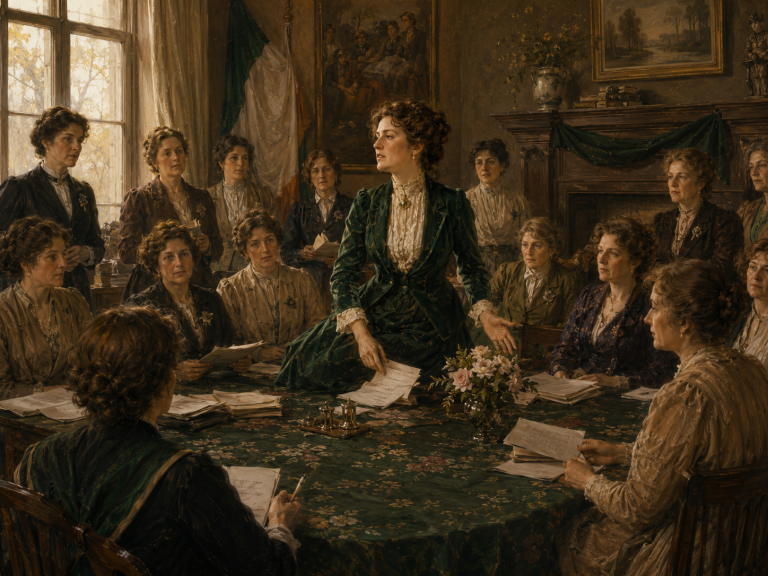
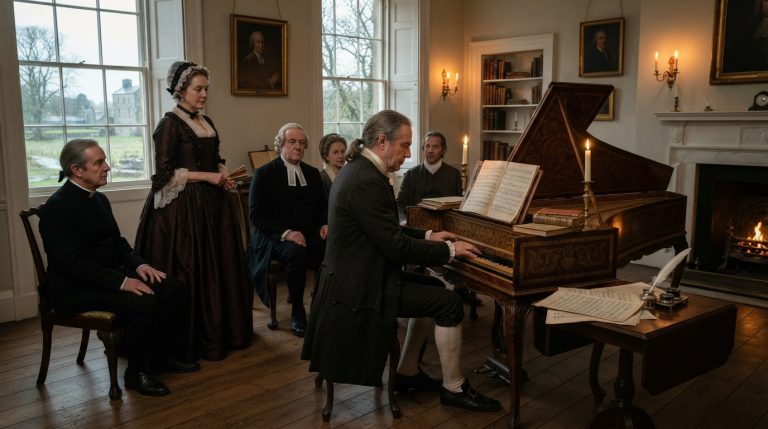
Limerick’s treaty settlement required Catholics seeking its protections to swear allegiance to William and Mary, but it did not demand the abandonment of Catholic belief. Later legislation imposed oaths and declarations that transformed religious conscience into a barrier against citizenship. Residents of Limerick could proclaim loyalty to the Crown yet remain disqualified because they would not deny papal spiritual authority or Catholic teaching. These tests governed access to Parliament, office, law, education and voting. The dispute was therefore not simply about political obedience. It concerned whether the state could make rejection of a person’s religion the price of public participation.
The oath of allegiance promised fidelity to the reigning monarch, while the oath of abhorrence rejected the doctrine that a pope could authorise the deposition or killing of rulers. Catholics could often accept political allegiance, but other formulas created deeper difficulty. The declaration against transubstantiation denounced a Catholic belief and characterised the Mass and related doctrines in hostile terms. The oath of supremacy rejected foreign ecclesiastical jurisdiction, directly challenging the Catholic understanding of papal authority. By combining political loyalty with theological repudiation, the qualification system ensured that conscientious Catholics remained excluded even when they posed no demonstrated threat to government.
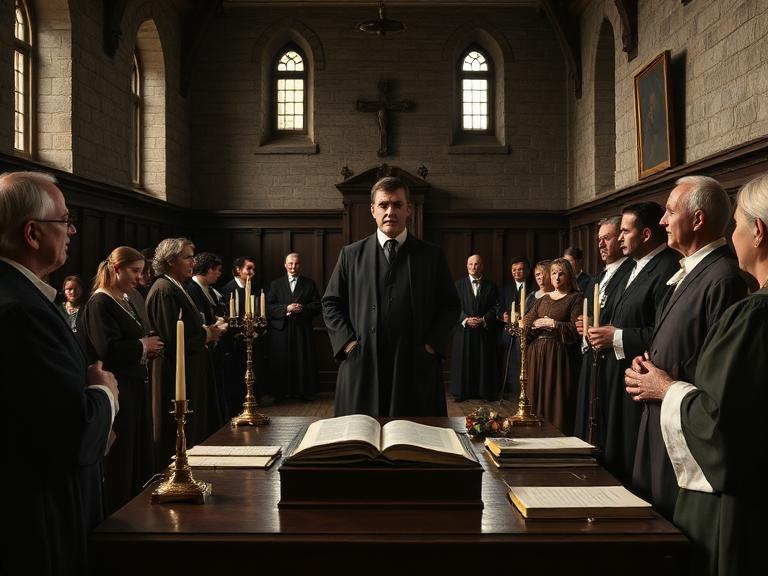
The oath of abjuration required rejection of the Stuart claimant and acceptance of the Protestant succession. It was added to qualifications for parliamentarians, officeholders and voters, and it later became important in the registration and prosecution of clergy. Under the 1704 Popery Act, civil and military officers had to take the required oaths, subscribe declarations and receive the sacrament according to the Church of Ireland. Failure meant loss of employment and exposure to further disabilities. Qualification therefore became a public ritual of conformity performed in courts or sessions, where refusal could identify a person immediately as excluded from civic privilege.
Penalties for acting without qualification were formidable. Offenders could lose offices, parliamentary seats, the ability to sue, guardianship rights, executorships, legacies and other legal capacities. Financial forfeitures encouraged informers to pursue suspected violations. Election laws required oaths before Catholic votes could be accepted, then eventually removed Catholic voting rights entirely. Teachers, lawyers and other professionals faced comparable tests. The same formulas appeared repeatedly across legislation, creating a web of restrictions built from a limited set of declarations. Oaths were consequently more than words. They operated as administrative keys that opened public life for Protestants while keeping Catholics outside public power.
For Limerick Catholics, punitive oaths exposed the shrinking value of the treaty’s promise. The settlement had recognised allegiance as sufficient for protection, but later statutes demanded theological statements never included in the original bargain. Parnell repeatedly emphasised this distinction because it separated genuine loyalty from compulsory religious conformity. A Catholic could support the monarch, obey the law and contribute to the city, yet still fail every test designed around Protestant doctrine. The oath system made conscience legally expensive and encouraged conversion through access to employment, property and influence. It converted religious difference into a lasting presumption of Catholic political unreliability.
Primary Sources
- An Act for the Abrogating of the Oath of Supremacy in Ireland and Appointing Other Oaths, 3 William and Mary, chapter 2, 1691.
- An Act for Enlarging the Time for Taking the Oath of Abjuration, 1 Anne, statute 2, chapter 21, 1702.
- An Act to Prevent the Further Growth of Popery, 2 Anne, chapter 6, 1704.
- An Act for Explaining and Amending the Act to Prevent the Further Growth of Popery, 8 Anne, chapter 3, 1709.
- An Act for the Further Regulating the Election of Members of Parliament, 1 George II, chapter 9, 1727.