
Dromoland’s Grandeur(c.1830s)
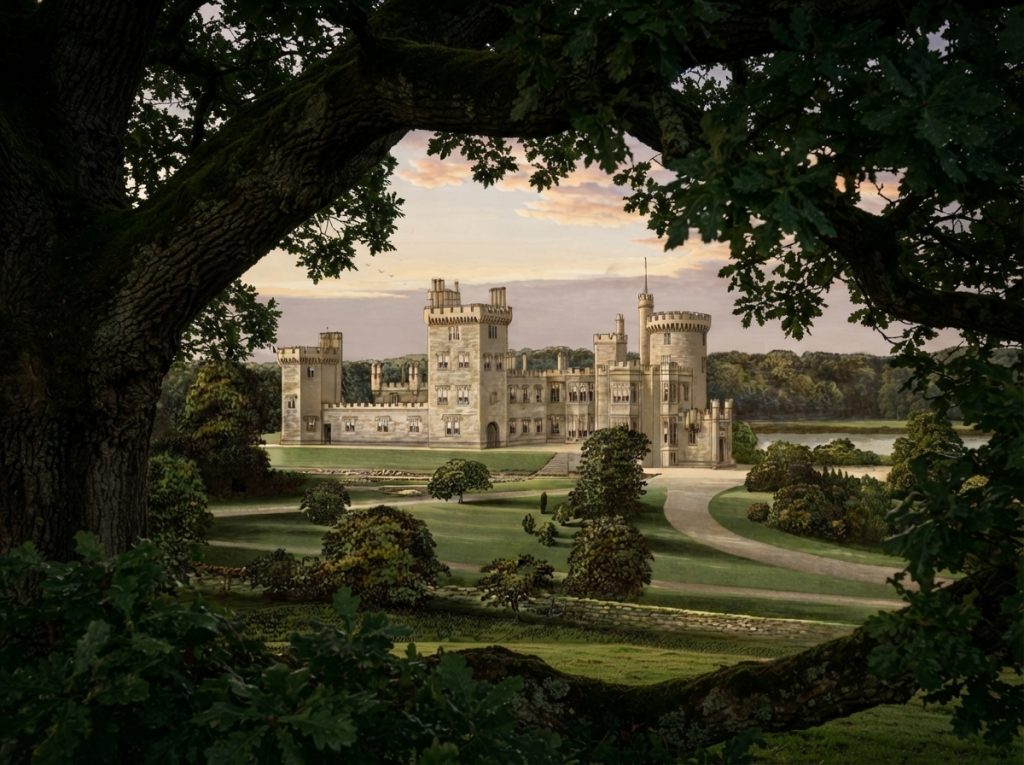
Dromoland Castle, located near Newmarket-on-Fergus in County Clare, stands as an enduring symbol of aristocratic lineage, architectural splendor, and modern hospitality. Closely tied to the O’Brien family—descendants of the legendary High King Brian Boru—Dromoland’s history stretches from medieval times to the present, weaving together stories of power, patronage, and transformation.
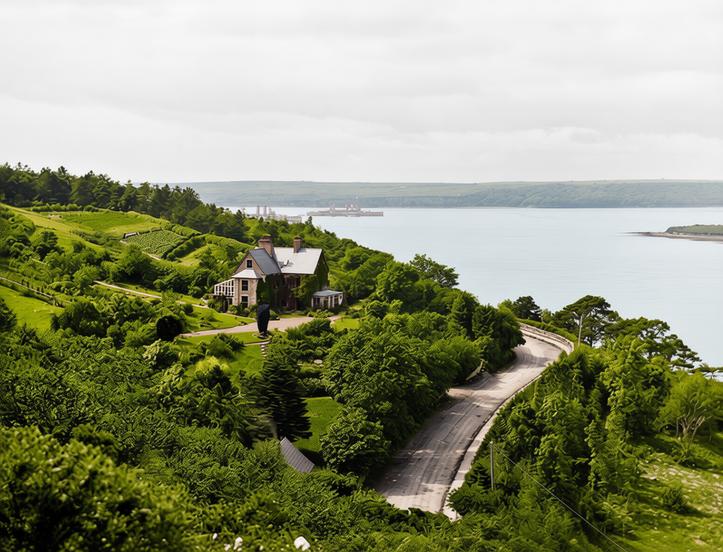
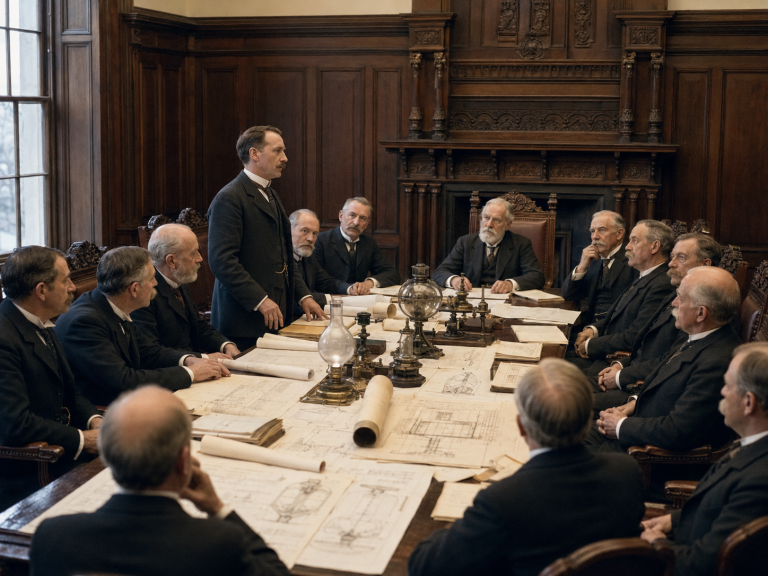
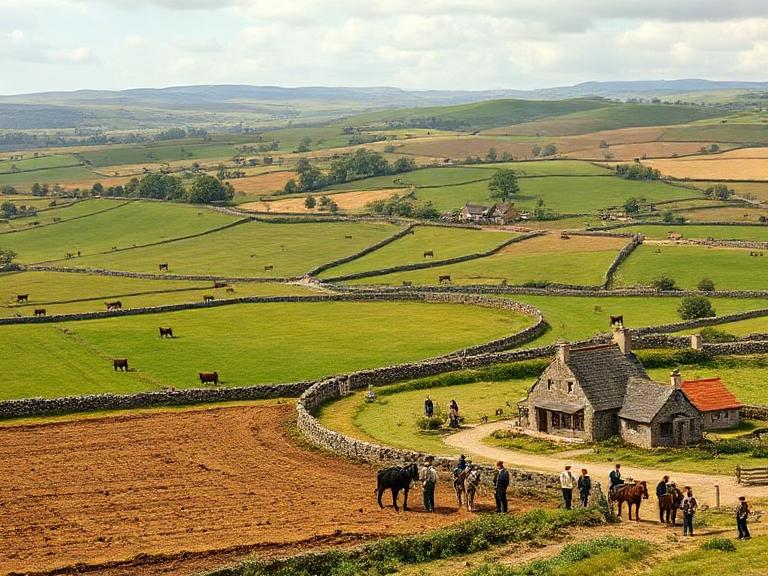
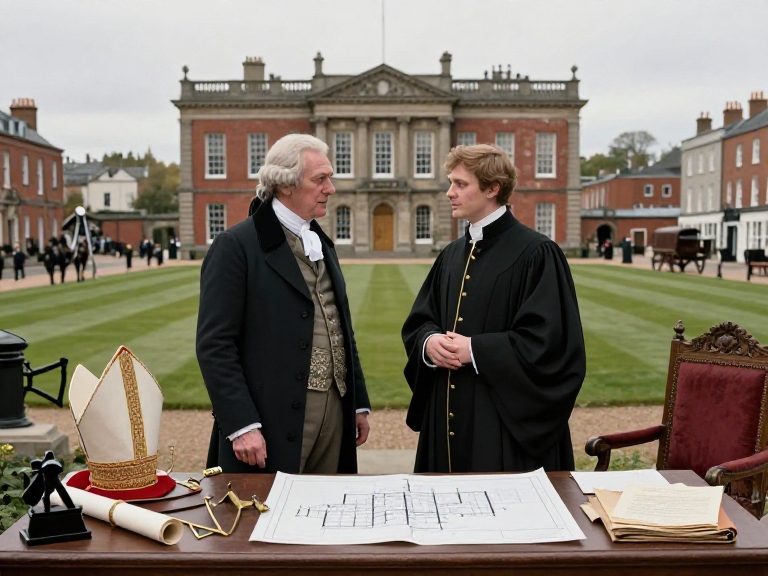
The current castle, completed in 1835, is a masterwork of Gothic Revival architecture designed by James and George Pain. Its castellated towers, imposing stone façades, and elaborate interiors evoke the romance and authority of nineteenth-century Irish country life. The castle’s placement within an extensive 500-acre estate, featuring landscaped gardens, woodlands, and lakes, further enhances its grandeur and appeal.
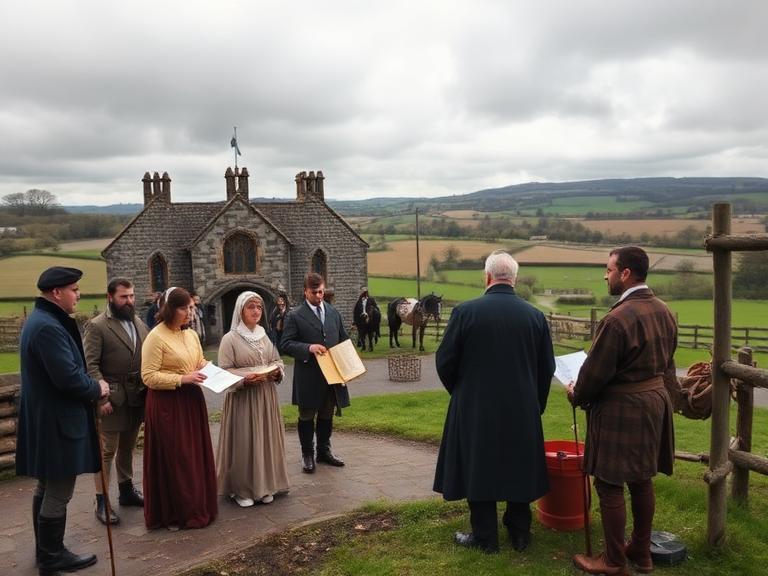
For centuries, Dromoland served as the seat of the O’Briens, whose influence shaped the political and social landscape of Clare and beyond. The estate was a hub for local and national affairs, hosting gatherings, celebrations, and, at times, moments of negotiation and intrigue. The O’Briens’ legacy is still palpable in the castle’s historic rooms, family portraits, and artefacts—a living connection to one of Ireland’s most storied dynasties.
The twentieth century brought dramatic change. In 1962, Dromoland Castle was sold to American businessman Bernard McDonough, marking the end of O’Brien family ownership. Under McDonough’s direction, the castle was transformed into a luxury hotel and resort, blending its rich history with modern amenities. Today, Dromoland’s opulent interiors, world-class golf course, and welcoming hospitality attract visitors from Ireland and around the globe, offering a unique experience that combines heritage, comfort, and natural beauty.
Dromoland’s reputation as a destination is matched by its role as a cultural and historical landmark. Its Gothic Revival design, sprawling estate, and centuries-old lineage make it one of Ireland’s most celebrated country residences—a place where past and present coexist in a setting of exceptional beauty and significance.
The castle’s story, from O’Brien stronghold to international resort, reflects the broader evolution of Irish country houses and the enduring allure of Clare’s landscape. Dromoland stands as a testament to adaptation, continuity, and the power of place to inspire and welcome new generations.
Primary Sources
- Dromoland Castle estate papers, O’Brien family archives, Clare County Library.
- “Architectural Designs of James and George Pain,” Irish Architectural Archive, 1830s.
- Land Registry documents, sale to Bernard McDonough, 1962, Property Registration Authority of Ireland.
- “Dromoland Castle: From Ancestral Home to Hotel,” Irish Times, retrospective articles, 1960s–present.
- Tourism and visitor statistics, Dromoland Castle Hotel, annual reports.