Military Review
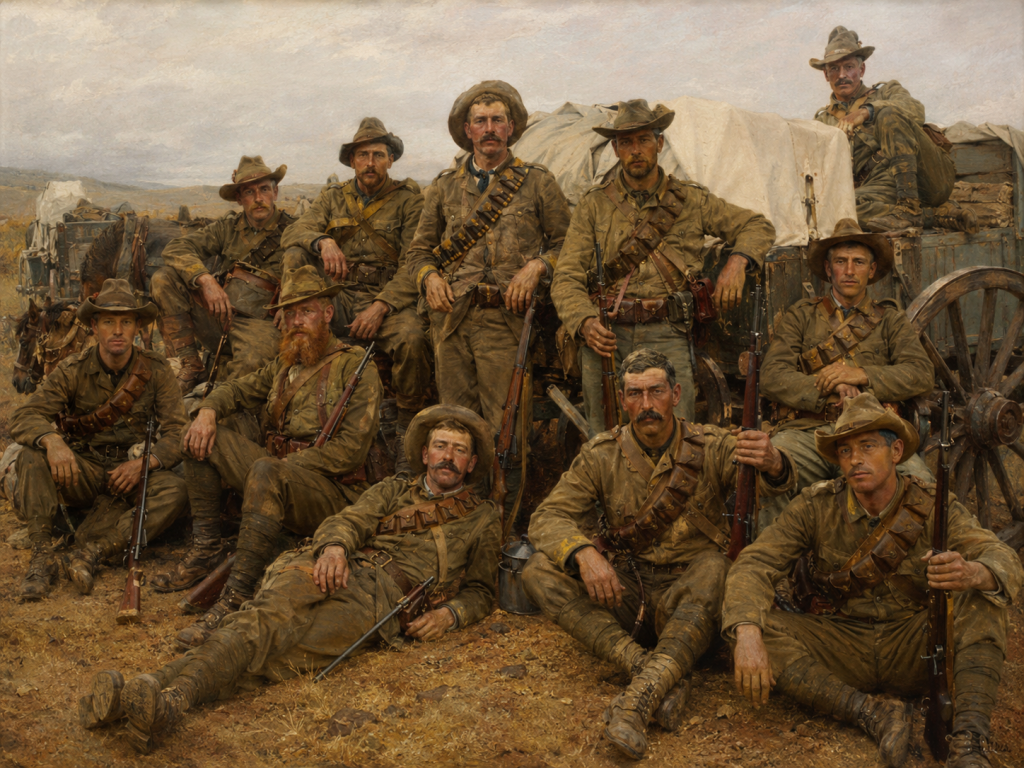
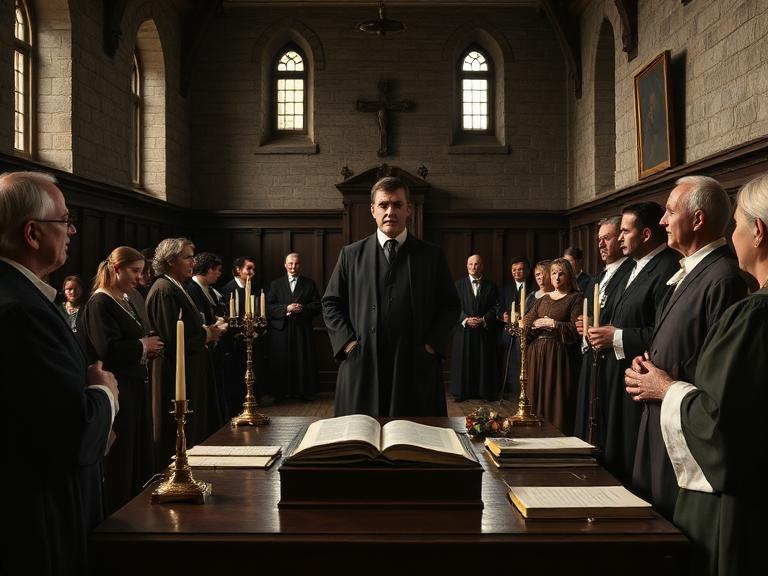
Queen Victoria has reviewed troops drawn from the Dublin garrison and the Curragh Camp during her final visit to Ireland, placing the British Army prominently within the royal programme. The review was held in Phoenix Park, where infantry, cavalry and artillery units assembled before large crowds. Soldiers marched past the Queen in formal order while officers, mounted escorts and military bands completed the spectacle. Reports reaching Limerick describe an event intended to honour the armed forces and demonstrate their discipline. The ceremony also connected Ireland directly with the continuing war in South Africa, where Irish regiments were serving throughout the British campaign.
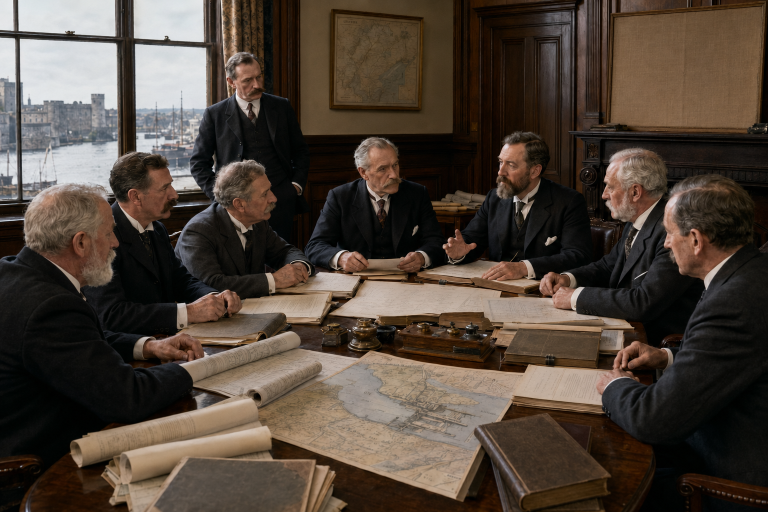
The Curragh in County Kildare was the principal military training centre in Ireland and one of the largest permanent camps maintained by the British Army. Units stationed there could be moved rapidly by rail towards Dublin, the ports or districts where military support might be required. Its soldiers trained for imperial service as well as domestic security duties, making the camp an important institution within British government in Ireland. The Phoenix Park review displayed that military presence before the monarch and public. For supporters of the Union, the ordered ranks represented stability and service; for nationalists, they symbolised the armed power sustaining British authority.
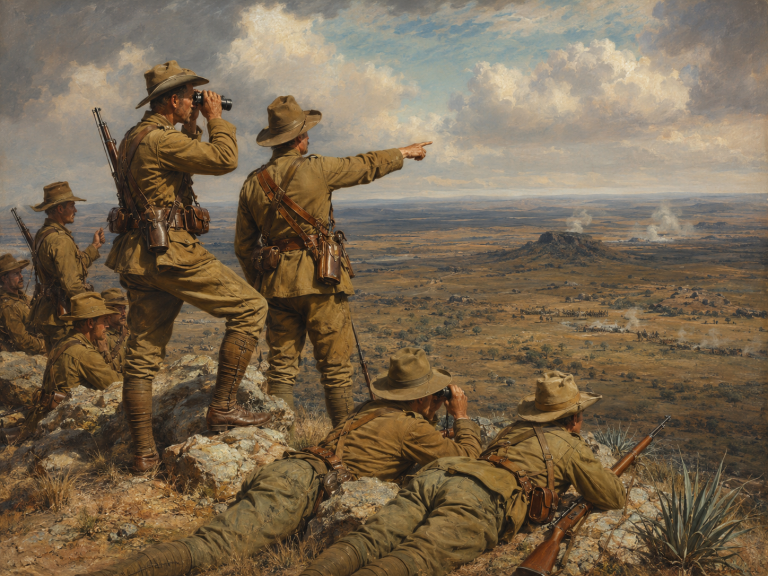
The South African War has given the review particular significance. Irishmen are fighting in numerous British regiments, and recent battles have brought heavy casualties, imprisonment and public anxiety to families throughout Ireland. Queen Victoria has praised the courage of Irish soldiers and authorised Irish regiments to wear the shamrock on Saint Patrick’s Day in recognition of their conduct. The creation of the Irish Guards has further associated the visit with military service. Loyalist commentators regard these gestures as evidence that Irish bravery is valued throughout the Empire, while critics argue that praise and ceremony are being used to encourage recruitment for an unpopular imperial conflict.
Limerick has longstanding military connections through its barracks, recruiting offices, soldiers’ families and commercial dependence upon garrison expenditure. Men from the city and county have entered the army through poverty, family tradition, employment necessity and loyalty to the Crown. News from South Africa is therefore followed not merely as distant imperial reporting but as information concerning neighbours and relatives. The review in Phoenix Park may inspire pride among some households, particularly those with serving sons, brothers or husbands. Others will remember that Irish nationalists have expressed sympathy for the Boer republics and condemned Irish participation in Britain’s military campaign.
The Queen’s inspection combined royal ceremony, military discipline and political symbolism in a single public display. The troops from the Curragh represented Ireland’s practical contribution to British imperial power, while the crowds demonstrated the attraction of uniform, music and spectacle. Yet the review could not settle the dispute surrounding Irish service in South Africa. One observer might see Irish soldiers honoured by their sovereign; another might see Irishmen employed against a smaller nation resisting British rule. For Limerick, the ceremony revealed how deeply the army remained woven into local employment, family life and political division at the beginning of the twentieth century.
Primary Sources
- The Irish Times, Dublin, April 1900, contemporary coverage of Queen Victoria’s military review in Phoenix Park involving troops of the Dublin garrison and the Curragh Camp. Exact issue, page and column should be confirmed before formal citation.
- Freeman’s Journal, Dublin, April 1900, reports and nationalist commentary concerning the royal military review, Irish regiments and the South African War. Exact issue, page and column should be confirmed before formal citation.
- Queen Victoria, journal entries for her Irish visit in April 1900, Royal Archives, Windsor Castle, concerning military ceremonies and official engagements. Exact date, volume and folio should be confirmed before formal citation.
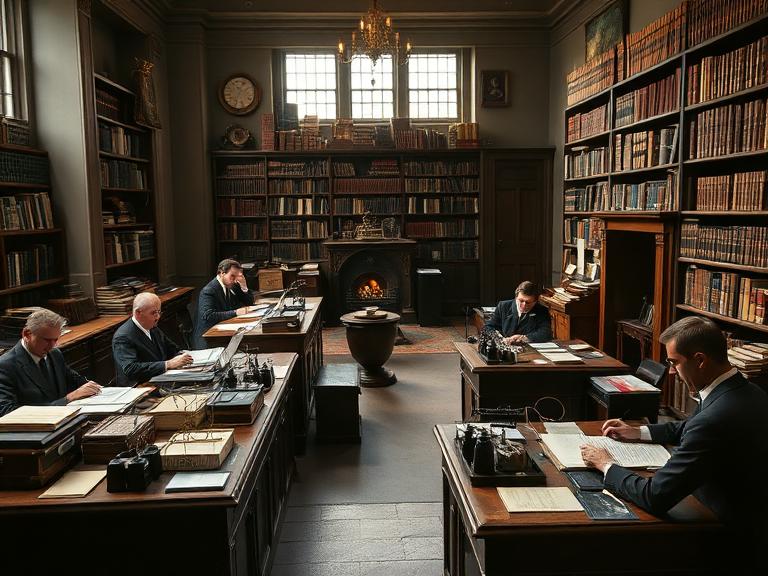
- War Office records relating to the Dublin District, Curragh Camp and troop arrangements for Queen Victoria’s Irish visit, April 1900, The National Archives, Kew. Exact series, file and folio should be confirmed before formal citation.
- National Army Museum, “For the Queen and Old Ireland”, Boer War collection record, concerning Irish regiments, the shamrock order and Irish military service in South Africa.