Archived: 13 October 2026
Abstract
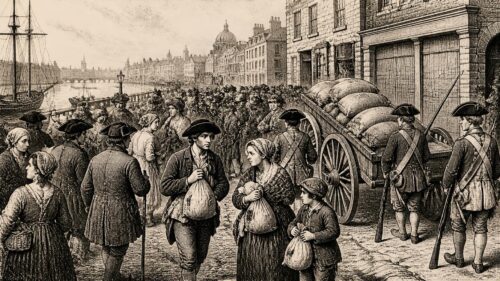
In 1740, severe frost followed by drought disrupted Ireland’s potatoes, grain, livestock and food distribution, initiating the famine 1741. Rising prices made provisions inaccessible to labourers and cottiers, while Dublin crowds rioted from 31 May to 2 June, seizing and redistributing bread, meal and beef at lower prices. Authorities banned food exports, pursued alleged market manipulators, imposed port restrictions and offered rewards, but parliament did not organise comprehensive relief. Archbishop Boulter and charities provided fragmented assistance. The crisis exposed inequalities in landholding, markets and welfare, while autumn brought no recovery before renewed winter, fever and dysentery worsened famine in 1741.
Read Article
Archived: 13 October 2026
Abstract
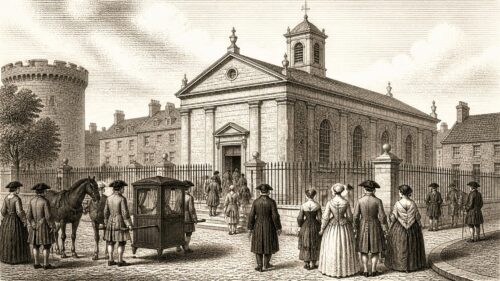
In 1719, the Sherlock v Annesley inheritance dispute escalated into a constitutional conflict between the Irish and British Houses of Lords over appellate jurisdiction. Although Westminster’s Declaratory Act followed in 1720, the controversy exposed Irish Protestant elites’ defence of judicial dignity within constrained government. Dublin’s parliament managed revenue, regulation and militia security, while granting Protestant dissenters, especially Presbyterians, limited worship protections; Catholics and non-Trinitarians remained excluded. Rebuilt St Werburgh’s Church symbolised Anglican confidence, while a 1719 issue of Cornelius Nary’s New Testament evidenced Catholic learning. Expanding linen exports linked rural households to markets, yet prosperity remained uneven and livelihoods precarious.
Read Article
Archived: 13 October 2026
Abstract
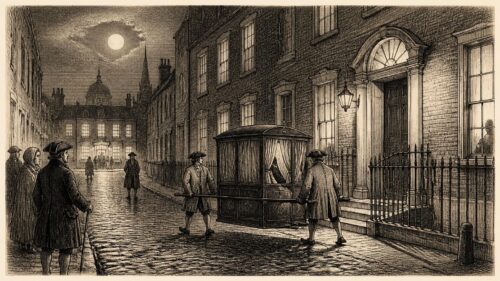
In 1717, Ireland remained a separate kingdom under Hanoverian rule, governed by a Protestant establishment that excluded most Catholics. Charles Paulet, Duke of Bolton, became lord lieutenant, while parliament renewed revenue and reinforced Protestant municipal control in Galway and Kilkenny. Colonel Henry Luttrell, a former Jacobite accused of betrayal, was murdered in Dublin; despite official rewards and proclamations, the crime remained unsolved. Authorities also pursued mutiny and armed disorder. Penal restrictions shaped Catholic and Presbyterian life. Hugh MacCurtin defended Irish antiquity in print. Rural society depended on vulnerable agricultural and export economies amid variable weather, reflecting an anxious political order.
Read Article
Archived: 13 October 2026
Abstract
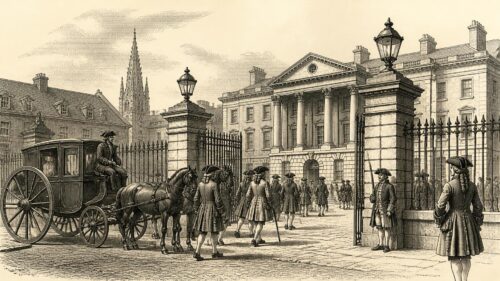
In 1716, Ireland’s Hanoverian administration responded to the Jacobite rising’s aftermath through security measures, religious enforcement, ceremony and legislation. Proclamations targeted Ormond, restricted Catholic enlistment, recruited soldiers, pursued alleged rural outlaws and renewed penalties against Catholic clergy. Public thanksgiving proclaimed loyalty to George I and the established church. Parliament abolished the Duke of Ormond’s palatine jurisdiction in Tipperary and vested his estates in the Crown, while later recovery remained possible for his family. It also promoted drainage, linen, commodity standards and labour dispute settlement. Church finances and appointments reinforced Protestant institutions, while Dublin’s music and print culture retained Jacobite connections.
Read Article
Archived: 13 October 2026
Abstract
In 1715, Ireland avoided a Jacobite rising despite rebellion in Scotland and northern England, but Hanoverian authorities governed amid anxiety. Officials disarmed Catholics, enforced penal laws, monitored clergy, travellers and supplies, and reinforced ports and garrisons, although evidence of conspiracy was lacking. Troops were sent to Britain, prompting plans for a Protestant militia that lacked sufficient weapons and ammunition. The new Protestant parliament funded defence through renewed and additional taxes, while asserting control over public finance. Anti-Jacobite measures also targeted Ormond’s influence. Dublin’s theatre remained active. Ireland stayed peaceful, yet surveillance, sectarian exclusion and military expenditure deepened under imperial insecurity.
Read Article
Archived: 13 October 2026
Abstract
In 1710, Ireland’s Protestant parliament, operating under Queen Anne amid changing Whig and Tory influence, passed measures affecting revenue, property, trade and local administration. Its roads act required rural householders and tenants to provide up to six days’ unpaid labour, reflecting reliance on communal maintenance rather than modern infrastructure. Legislators promoted linen, regulated cattle, rents and timber, and imposed duties on consumer goods. Dublin Castle also suppressed Catholic assemblies in Meath, punished damage to William III’s statue, pursued tobacco thieves, and managed Palatine refugee settlement. Quarantine regulations for Baltic shipping showed Ireland’s exposure to continental war, migration, commerce and disease.
Read Article

Archived: 13 October 2026
Abstract
In 1709, wartime pressures, food regulation and fears of Jacobite loyalty shaped Irish government. Proclamations restricted grain exports, addressed market manipulation and crime, and linked public worship to British military fortunes, without proving a nationwide famine. Parliament reinforced the penal system through an abjuration oath, tighter controls on Catholic clergy, education, property and employment. Dublin received about 3,000 Protestant Palatine refugees, whose protection and settlement posed practical challenges. Samuel Molyneux’s Connacht journey recorded poor roads, domestic textiles, poverty, improvement and cultural division. By December, Hougher violence against cattle reflected resistance to pasture expansion and smallholders’ displacement, revealing sharper social contestation.
Read Article
Archived: 13 October 2026
Abstract
In 1705, Dublin Castle established the Dublin Gazette, printed by Edwin Sandys under official scrutiny, to circulate authorised news and restrain rumour. Ormond’s parliament, meeting from February to June under Queen Anne, imposed consumption duties and regulated tolls, measures, horse theft, debtors and mineral property amid wartime pressures. It strengthened penal supervision of Catholic clergy, restricting unregistered priests while the established Church of Ireland retained political privilege. Westminster permitted direct exports of specified Irish linen to English American plantations, encouraging linen while preserving English commercial control. Together, these measures expanded Protestant government through taxation, surveillance, economic regulation and controlled publicity.
Read Article
Archived: 13 October 2026
Abstract
In 1703 Queen Anne appointed James Butler, duke of Ormond, as lord lieutenant, hoping his influence would manage Ireland’s Protestant parliament. Meeting in September, parliament approved liquor excise, trade-related imports, and legislation strengthening restrictions on arriving Catholic clergy, amid wartime fears of France, Spain and Jacobitism. MPs also petitioned for constitutional restoration or union with England, expressing resentment over trade and political subordination. Church and judicial appointments reinforced Protestant administration. Kinsale hosted Dampier’s privateering expedition to the South Seas. Parliament considered navigation improvements linking Lough Neagh, Newry, the Barrow and trade, revealing ambitions for development within an unequal, confessional kingdom.
Read Article
Archived: 13 October 2026
Abstract
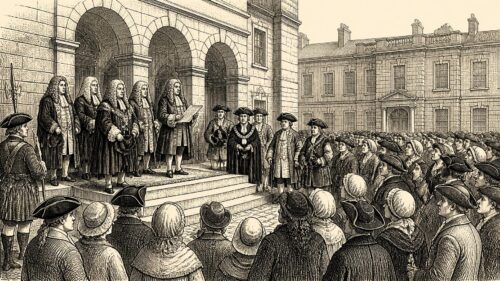
William III’s death brought Queen Anne to the thrones of England, Scotland and Ireland, proclaimed in Dublin on 18 March. Her accession preserved a Protestant administration founded after Williamite war, while Catholics remained politically excluded and Jacobite legitimacy persisted. Ireland was governed by lords justices after Rochester’s departure, with Thomas Erle combining military and civil responsibilities amid War of Spanish Succession. Protestant elites resented Westminster’s resumption of forfeited estates and restrictions on woollen exports. December consultations at Dublin Castle addressed parliament, taxation and war costs without resolution. Michael Boyle died; Portarlington Huguenots gained lease security; Swift received his Trinity doctorate.
Read Article

Archived: 14 October 2026
Abstract
In 1699, post-war Ireland remained shaped by land redistribution, Protestant security and contested trade. The Irish parliament concluded legislation imposing woollen export duties, supporting Church of Ireland clerical residences, protecting timber and regulating butter casks. Westminster's Woollen Act then barred most Irish wool and woollen exports to foreign markets, restricting a vital, widespread industry and encouraging, but not immediately replacing it with, linen. A parliamentary commission investigated Williamite forfeitures, reporting thousands attainted and over one million plantation acres affected, deepening uncertainty over titles. Anti-Catholic laws and proclamations restricted solicitors, arms and clerical jurisdiction. Dublin's print trade nevertheless demonstrated wider connections.
Read Article

Archived: 14 October 2026
Abstract
In 1694, Ireland’s post-Williamite settlement advanced through administration rather than warfare. Commissioners began hearing claims under the Articles of Limerick, determining Jacobites’ rights to property, livelihoods and legal protection. Dublin’s Lords Justices managed revenue, including hearth-money exemptions, while debating a parliament whose supply might secure Protestant interests; no parliament met. Government fasts, Trinity College’s centenary celebration and Jonathan Swift’s diaconal ordination reflected Protestant public culture. Portarlington’s French Reformed register documented an emerging Huguenot community. Rewards for robbers and alleged rebels showed continuing insecurity. Queen Mary II’s death made William III sole monarch, leaving Ireland’s constitutional, religious and property settlement unfinished.
Read Article
Archived: 14 October 2026
Abstract
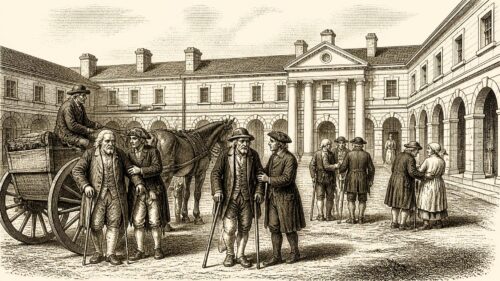
In 1684, Restoration Ireland combined outward peace with unresolved political, military and property tensions. King Charles II chartered the Royal Hospital at Kilmainham for aged and disabled soldiers, linking welfare to the permanent army. A fire damaged Dublin Castle, threatening records and prompting later rebuilding. The Duke of Ormond returned as lord lieutenant but received notice of dismissal, reflecting shifting court influence. The Commission and Court of Grace sought to regularise defective land titles without overturning Protestant dominance. Granard’s regiment improved military organisation. Dublin’s scientific society and Ruaidhrí Ó Flaithbheartaigh’s regional study fostered inquiry, while winter damage exposed material vulnerability.
Read Article
Archived: 14 October 2026
Abstract
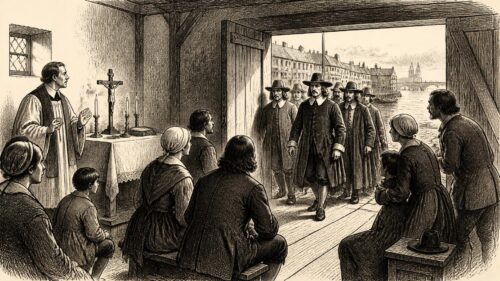
In 1679, amid the Popish Plot scare, Ormond's Irish administration intensified measures against Catholic worship, clergy and suspected disorder. Proclamations targeted bishops, Jesuits, masshouses and tories, linking religious nonconformity with threats to royal authority. Officers entering the Merchants' Quay masshouse met resistance, demonstrating both continuing Catholic worship and contested enforcement. A public Protestant fast nationalised fears of conspiracy. Catholic leaders, including Peter Talbot and Oliver Plunkett, faced confinement; Plunkett's December arrest made him the scare's principal Irish target. Authorities also guarded against Scottish unrest, pursued outlaws, regulated revenue and tobacco, and sponsored rebuilding projects, combining coercion, administration and Restoration display.
Read Article

Archived: 14 October 2026
Abstract
In 1678, the English Popish Plot panic transformed Irish government despite no rebellion or parliament. Lord Lieutenant Ormond pursued revenue collection, army support and land titles, but proposed legislation failed to resolve Restoration property disputes. Catholic structures remained active: Oliver Plunkett held a synod, while Nicholas French died in exile. Peter Talbot, archbishop of Dublin, returned conditionally in May but was arrested in October and imprisoned without evidence. Thereafter proclamations expelled clergy, suppressed religious institutions, disarmed Catholics, restricted access to garrisons and demanded enforcement by officials. These measures intensified sectarian insecurity, while trade, civic regulation and unresolved political tensions continued.
Read Article
Archived: 14 October 2026
Abstract
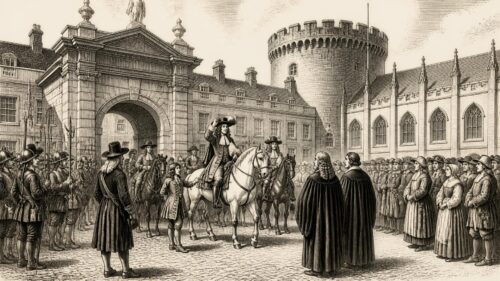
In 1677 James Butler, duke of Ormond, resumed the lord lieutenancy, succeeding Essex amid consequences of war, conquest and Restoration land settlement. His authority was constrained by control of revenue through Ranelagh’s undertaking, while his hoped-for parliament did not meet. Government addressed claims of 1649 royalist officers, currency regulation, night watches, local crime, fortifications and property disputes. Honours and ecclesiastical appointments reinforced Protestant authority, while Catholics remained restricted but not yet subject to later repression. Francis O’Molloy published the printed Irish grammar in Rome, exemplifying Catholic scholarship abroad. The deaths of Bellings, Lynch and Taaffe marked a passing political generation.
Read Article
Archived: 14 October 2026
Abstract
In 1676, under Lord Lieutenant Essex, Ireland’s administration addressed fragile revenue, quit rents, transplantees’ land claims in Connacht and Clare, and unlawful county charges, reflecting unresolved consequences of Cromwellian confiscation. Patronage shaped officeholding, while rewards for Patrick Fleming and Redmond O’Hanlon exposed limited control in Ulster. Dublin changed through Humphrey Jervis’s Essex Bridge, promoting north-side development and commerce. The ship Katherine carried Irish Protestant-organised relief to war-stricken New England, including allied Indigenous recipients. Meanwhile, Francis O’Molloy’s Irish-language Catholic catechism, printed in Rome, demonstrated continental religious networks. These events reveal Ireland as contested, rebuilt and connected across Atlantic and European worlds.
Read Article

Archived: 14 October 2026
Abstract
On 5 May 1674, the Hospital and Free School of King Charles II opened at Oxmantown, Dublin, admitting sixty poor children, including three girls, and combining education, clothing, food and Protestant instruction. Its civic charity symbolised Restoration order amid poverty and uneven urban recovery. Lord Lieutenant Essex sought administration despite disputed land settlements, financial arrears, unpaid troops and Dublin Castle, where he built lodgings. Government reinforced Protestant authority by expelling Catholic clergy, though worship persisted covertly. Grain restrictions revealed concern over supplies and prices, especially in Ulster, despite peace with the Dutch. Proclamations against robbers and Redmond O’Hanlon exposed insecurity.
Read Article

Archived: 14 October 2026
Abstract
In 1673, Lord Lieutenant Essex’s proposed trade report portrayed Restoration Ireland through estimates of land, rents, livestock, housing, goods and scarce circulating coin, privileging taxable wealth over poorer households and local life. English restrictions on cattle imports encouraged exports of processed provisions, wool and fish through Dublin, Cork and Atlantic markets, although benefits were uneven. Essex governed within Protestant political dominance amid English anti-Catholic pressures. Investigation and hostility prompted Archbishop Peter Talbot’s departure for France, while October proclamations targeted Catholic arms, offices, clergy and institutions. Enforcement varied, but Catholic worship became more precarious. Presbyterians retained favour, illustrating selective confessional policy.
Read Article

Archived: 14 October 2026
Abstract
In 1672 Arthur Capel, earl of Essex, became lord lieutenant, seeking to centralise Restoration government by curbing provincial power, notably suppressing Munster’s presidency. Ireland supported the Third Anglo-Dutch War through transport, harbour defence, fortification surveys, customs regulation and garrison discipline. Charles II’s Declaration of Indulgence enabled limited, uncertain Catholic activity: bishops and clergy organised synods, appointments and disputes, while Protestant authority remained entrenched. Corporate officeholders faced the Oath of Supremacy, restricting Catholic civic participation. William Petty’s Political Anatomy assessed land, population and resources, reflecting a country still shaped by conquest, redistribution, taxation and religious division. Government combined flexibility with ascendancy.
Read Article

Archived: 14 October 2026
Abstract
In 1670, under Lord Lieutenant John Berkeley, Ireland remained dominated by the Protestant land settlement and military power established after Cromwellian conquest, yet experienced limited religious latitude. Oliver Plunkett returned as Catholic archbishop of Armagh, rebuilding clerical discipline and hierarchy. Bishops met in Dublin, issued pastoral statutes and declared civil loyalty, despite rivalries between Plunkett and Dublin’s Peter Talbot. Plunkett’s Clones council extended reform and he mediated pardons for Tyrone tories. William Penn defended Quakers while managing Cork estates. Trade adapted to English livestock restrictions, Dublin gained Barrack Bridge, and rebuilding, estate consolidation and constrained negotiation reshaped society across Ireland.
Read Article

Archived: 14 October 2026
Abstract
In 1669, John, Lord Robartes replaced the duke of Ormond as lord lieutenant, reflecting English court politics and concern over Irish revenue and military administration. Arriving quietly at Howth, Robartes inherited a Protestant-led settlement founded on confiscation, unequal landholding and Catholic exclusion. Catholic leadership revived through appointments of Peter Talbot, James Lynch and Oliver Plunkett, consecrated abroad under continuing constraints. Protestant charitable education expanded through Erasmus Smith’s schools and Dublin’s proposed King’s Hospital. George Fox and William Penn documented active Quaker networks, persecution and petitioning. These developments revealed a pacified but unreconciled Ireland, divided by property, religion, power and taxation.
Read Article
Archived: 14 October 2026
Abstract
In 1666, Ormond’s Restoration administration sought to consolidate authority in Ireland through land settlement, military discipline, taxation and regulation. Proclamations advanced implementation of the Acts of Settlement and Explanation, while the dissolution of parliament ended legislative sessions until 1689. A pay mutiny at Carrickfergus was suppressed, with nine leaders executed. Dublin’s Catholic synod debated Peter Walsh’s loyalist Remonstrance but failed to secure agreement, exposing clerical organisation and state dependence. War, naval concerns and London’s fire prompted official fasts and thanksgiving. Hearth money, fisheries policy and impending English cattle restrictions affected livelihoods. Sir James Ware’s death marked a loss to scholarship.
Read Article
Archived: 14 October 2026
Abstract
In 1663, Ireland’s Restoration settlement remained unstable amid competing land claims, religious divisions and memories of war. Ormond’s administration faced Thomas Blood’s failed Protestant radical conspiracy to seize Dublin Castle and abduct the lord lieutenant, exposing divisions within Protestant interests. The Court of Claims issued 829 decrees, including 714 innocence declarations, but lacked land to reconcile restored Catholic proprietors with Cromwellian soldiers and adventurers. Government reinforced authority through registration rules, proclamations and Church of Ireland office requirements, while Margetson became primate. Dublin’s cultural life expanded with Katherine Philips’s Pompey. Trade continued amid imperial uncertainty, while property insecurity constrained uneven recovery.
Read Article

Archived: 14 October 2026
Abstract
In 1661, Restoration Ireland began translating conquest and upheaval into law, yet landownership, religion and authority remained unsettled. Charles II’s Irish parliament met in Dublin, advancing legislation that anticipated, but did not enact, the 1662 Act of Settlement. Proclamations regulated rents, protected occupiers and required Catholic innocence claims, while Crown revenue and cattle exports received attention. James Butler, duke of Ormond, was appointed lord lieutenant but arrived only in 1662. The Church of Ireland was reconstituted as Catholics faced pressure and debated loyalism. Events included Book of Kells’ transfer and Florence Newton’s witchcraft trial. Procedures, not peace, defined the year.
Read Article
Archived: 14 October 2026
Abstract
In 1659, the collapse of Richard Cromwell’s Protectorate transformed Irish government. Henry Cromwell resigned, and parliamentary commissioners assumed control in Dublin. Edmund Ludlow, a regicide and committed republican, reorganised the Irish army, tested officers’ loyalties and sent troops to England amid constitutional crisis. Meanwhile, completion of William Petty’s Down Survey provided maps and records enabling confiscated land to be redistributed among soldiers, adventurers and officials. The approximate 1659 census documented settlements and leading occupiers, though imperfectly. Political instability culminated in opponents seizing Dublin Castle in December. Despite changing regimes, the administrative framework for Protestant landholding and long-term social transformation endured.
Read Article

Archived: 15 October 2026
Abstract
In October 1641, Catholic grievances over plantation, exclusion and religious constraints combined with Stuart political instability to trigger rebellion in Ireland. A planned seizure of Dublin Castle failed, but Sir Phelim O’Neill’s Ulster rising captured Dungannon and Charlemont. His proclamation professed loyalty to Charles I and protection for Protestants, while a later forged royal commission fuelled confusion. The conflict brought flight, plunder, killings, dispossession and winter hardship, alongside retaliatory violence. Testimony in the 1641 Depositions records crisis but requires critical reading. Fighting spread towards Dublin, Leinster and Munster, intensified English and Scottish political conflict, and left Ireland fractured without settlement.
Read Article

Archived: 16 October 2026
Abstract
In 1639, Thomas Wentworth’s Dublin administration treated Ulster’s Scottish settlers as a security threat amid the Covenanters’ revolt. Commissioners imposed a compulsory loyalty oath, later called the Black Oath, requiring Scots to reject unauthorised covenants; 1,500 troops enforced compliance. Although no uprising occurred, departures, religious division and distrust deepened. Ireland also figured in Charles I’s abortive war plans against Scotland, including Randal MacDonnell’s ambitions, but no expedition sailed. Wentworth’s land policies faced resistance in Connacht, while Catholic grievances remained unresolved. Despite political strain, Dublin produced scholarly works by James Ussher and James Ware, revealing a brittle yet culturally active kingdom.
Read Article

Archived: 16 October 2026
Abstract
In 1638, Wentworth’s administration strengthened revenue, episcopal authority and executive power through monopolies, revenue farms, land investigations and prerogative courts. His suspension and imprisonment of Lord Chancellor Adam Loftus demonstrated the vulnerability of even senior opponents, while proposed Connacht plantations heightened landowners’ fears. Scottish resistance to Charles I’s religious policies brought anxiety to Ulster, where Scottish settlers maintained links with Covenanting communities. Troops moved north as a precaution. Bishop Henry Leslie’s Lisnagarvey sermon and Antrim communion records revealed pressure for conformity. Meanwhile, church revenues expanded and Dublin’s theatre flourished. Ireland remained peaceful, but coercive government and religious division presaged crisis.
Read Article
Archived: 16 October 2026
Abstract
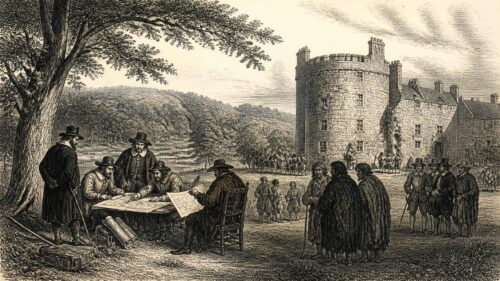
In 1637 Thomas Wentworth’s administration strengthened royal control in Ireland through ceremony, land investigations, economic regulation and institutional reform. His provincial progress projected authority, while the Commission for Defective Titles unsettled proprietors and enabled Christopher Wandesford’s crown-backed acquisition of Castlecomer, displacing the Brennan community. Proclamations regulated cloth, currency, land titles and licensed trade, supporting revenue and English commercial standards. Dublin gained building projects and a chartered Goldsmiths’ Company; Trinity received Laudian statutes. Church discipline pressured Presbyterians, despite William Bedell’s Irish-language work. Meanwhile, Mícheál Ó Cléirigh and Franciscan patrons sustained Gaelic Catholic scholarship through Leuven. Apparent order masked grievances and insecurity.
Read Article

