Boer Rallies(c.1890s)
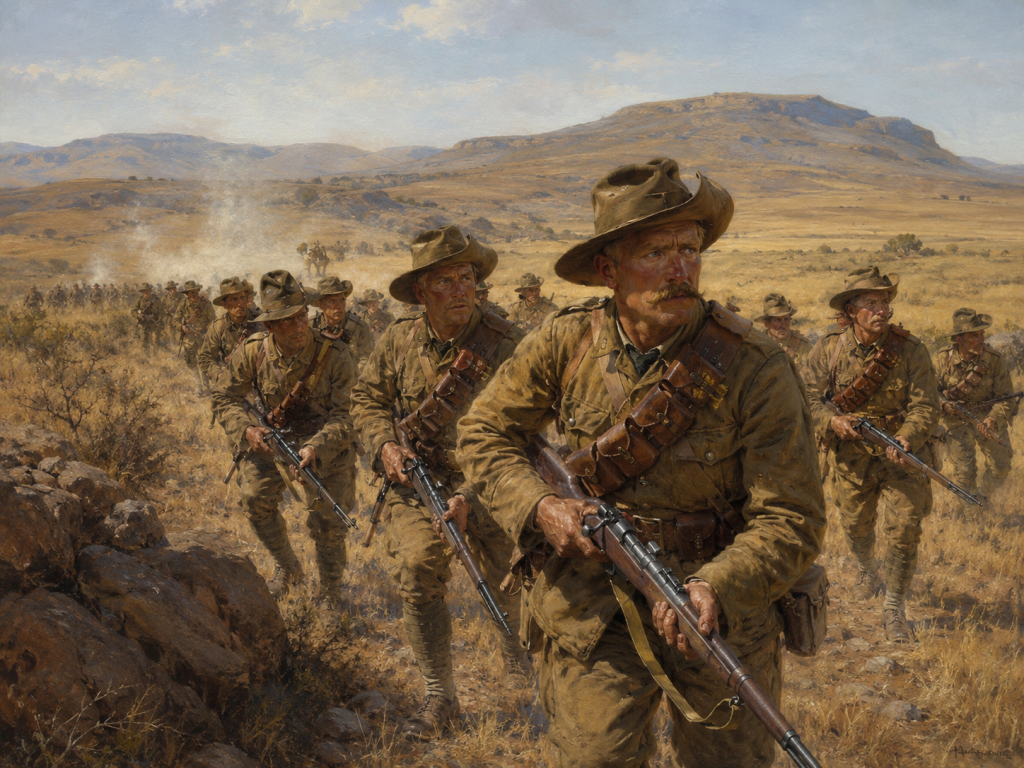
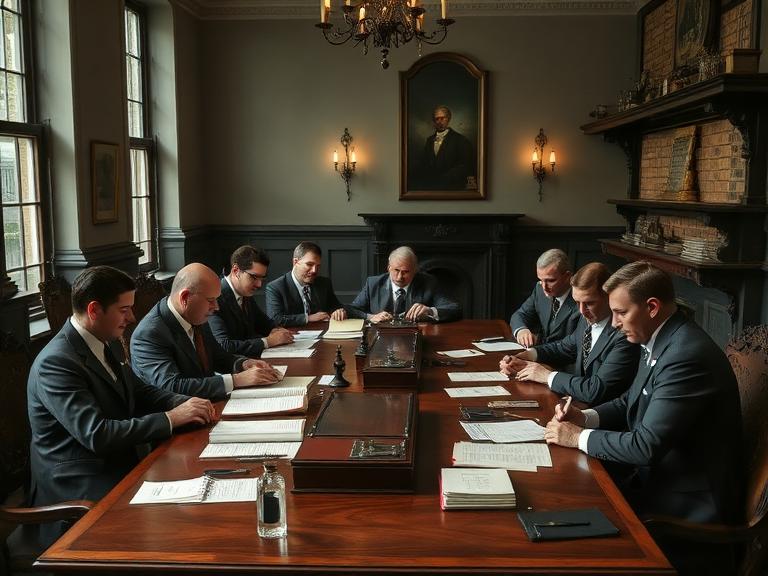
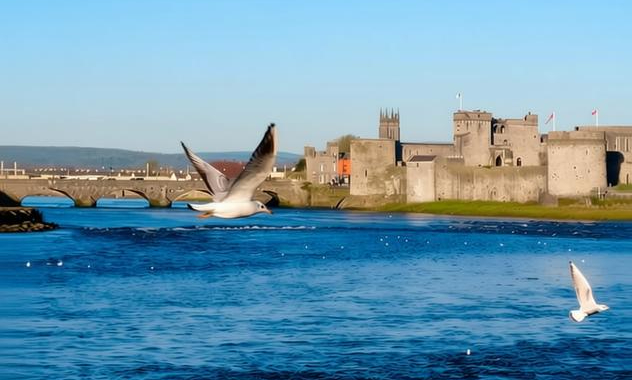
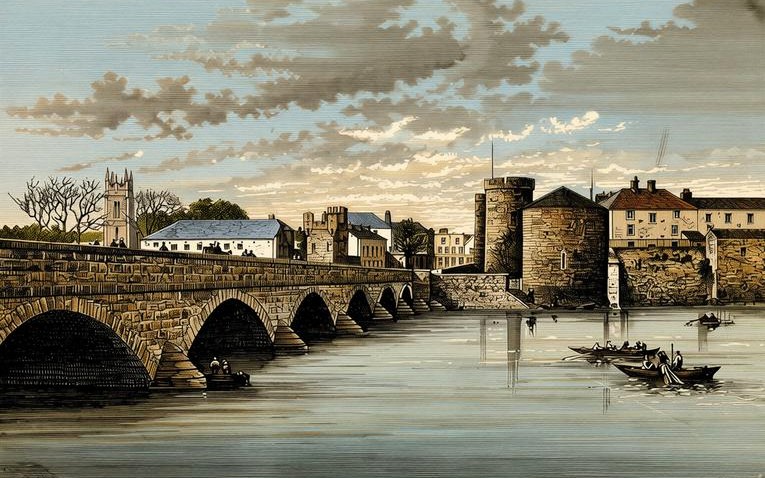
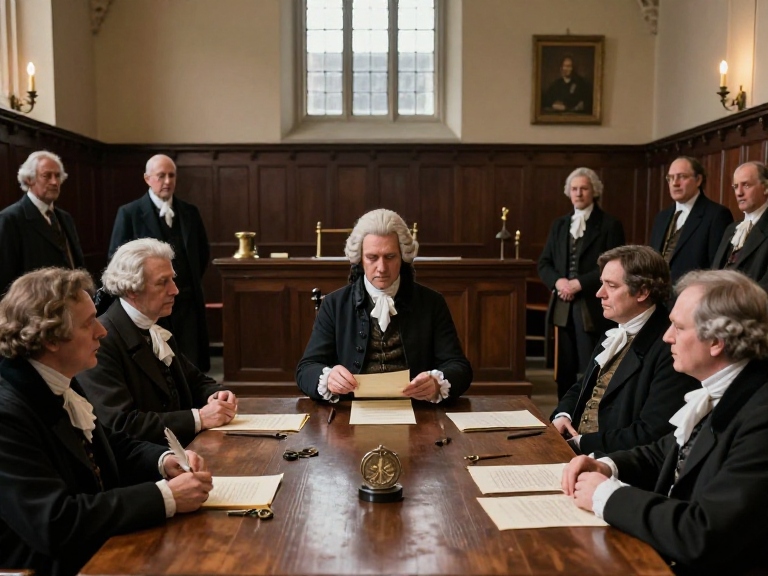
Public support for the Boer republics has taken a prominent civic form in Limerick as the Corporation moves to confer the freedom of the city upon Paul Kruger, former president of the South African Republic. The decision reflects a wider succession of meetings, resolutions and demonstrations held in Irish towns against Britain’s war in South Africa. Nationalist audiences have repeatedly identified the Boers as a small people defending their independence against imperial conquest. In Limerick, the argument carries particular force, although many local families remain deeply concerned for Irish soldiers serving with British regiments overseas.
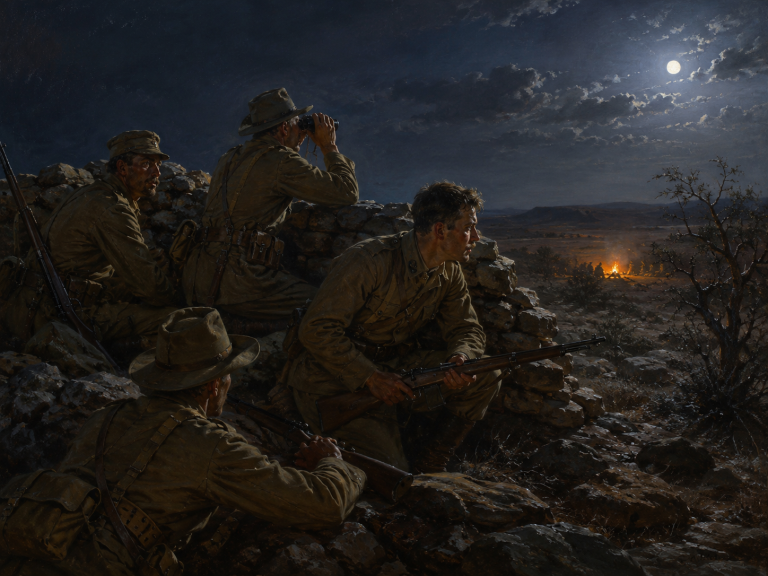
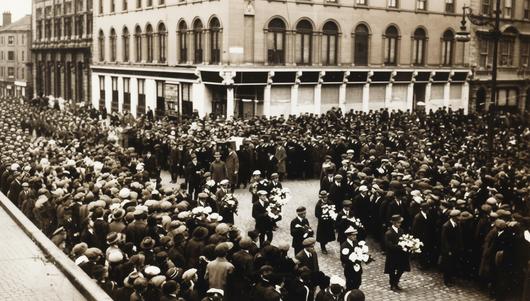
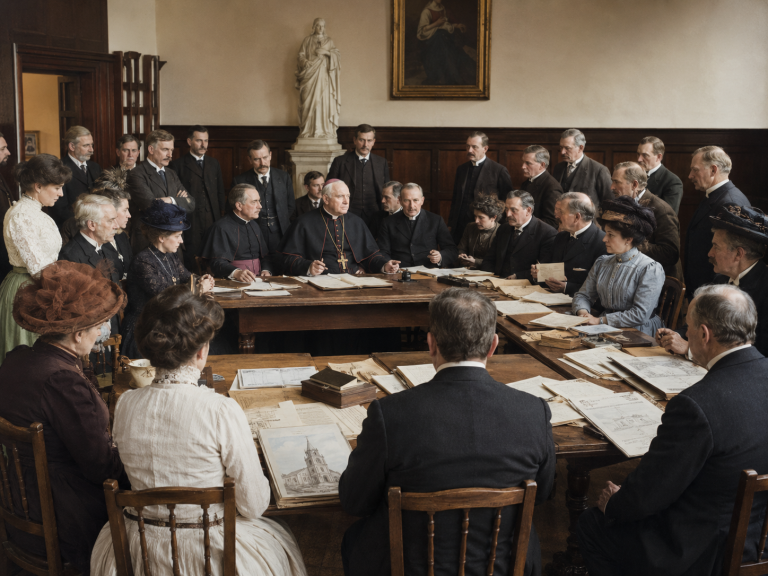
Since the war began in October 1899, gatherings in Dublin, Cork and numerous provincial centres have condemned British policy and praised the resistance of the Transvaal and Orange Free State. Organisers have included constitutional nationalists, advanced nationalists, labour activists and members of pro-Boer committees. Their political methods frequently differ, yet the South African conflict has provided them with a common platform. Speakers draw direct parallels between Boer resistance and Ireland’s continuing demand for self-government, portraying both as struggles by smaller nations against the authority of a powerful empire determined to control their political future and economic resources.
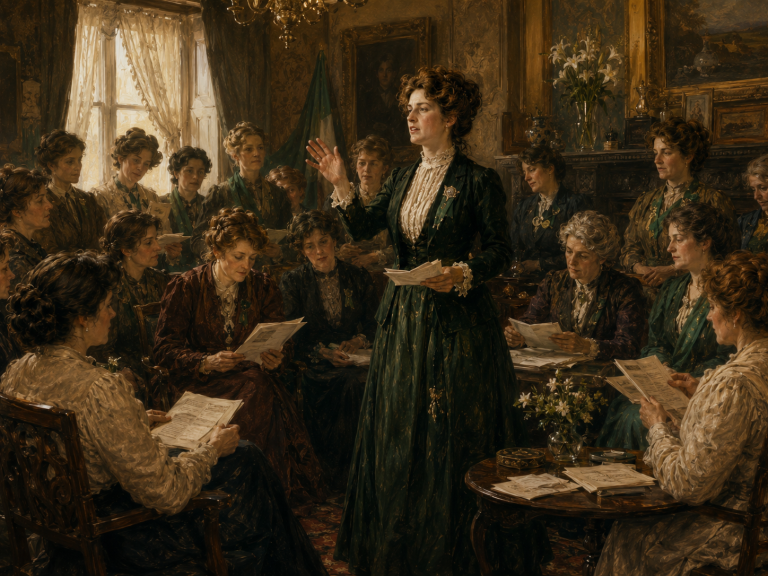
The campaign has been advanced through public speeches, newspaper reports, municipal resolutions and symbolic expressions of solidarity. Michael Davitt resigned his parliamentary seat in protest against the war and subsequently travelled to South Africa. John Redmond carried Irish opposition into the House of Commons, declaring that the sympathy of Ireland rested with the Boer republics. Maud Gonne and other nationalist activists also opposed military recruitment and organised public protest. In Limerick, Mayor John Daly and nationalist councillors have given the movement civic authority, turning sympathy expressed at public meetings into a formal declaration issued in the city’s name.
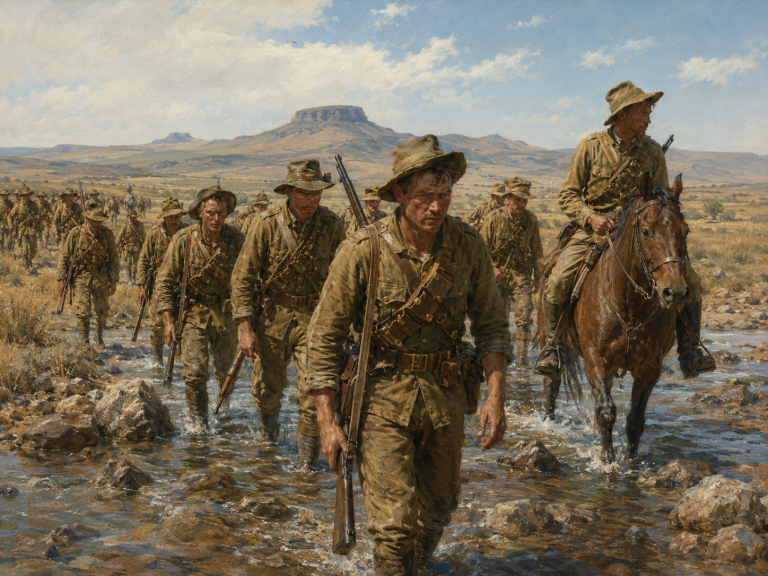
Not all Irish opinion supports the Boers. Unionists defend Britain’s campaign and point to the courage and sacrifice of Irish soldiers as evidence of Ireland’s place within the Empire. Even among nationalist families, opposition to the war is complicated by anxiety for relatives in uniform. Pro-Boer speakers generally distinguish between condemnation of British policy and respect for ordinary soldiers carrying out military duty. Nevertheless, recruiting drives, military celebrations and nationalist demonstrations have exposed sharply competing loyalties. The war has become an argument not only about South Africa, but also about Ireland’s identity, political rights and relationship with imperial government.
Limerick’s decision to honour Kruger places the city among the strongest civic expressions of Irish pro-Boer feeling. The award cannot alter events on the battlefield, but its political meaning is unmistakable. It presents the Boer leader as the representative of a smaller nation resisting conquest and allows Limerick nationalists to express their own opposition to British authority. Similar meetings across Ireland have transformed a distant colonial war into a domestic political question. Through speeches, resolutions and crowded halls, the Boer cause has become another language through which Irish people debate sovereignty, loyalty, military service and the right of nations to govern themselves.
Primary Sources
- Limerick Corporation Minutes, 13 December 1900 — municipal record of the vote to confer the honorary freedom of Limerick upon Paul Kruger. The measure reportedly passed by twenty-two votes to two. The exact minute-book volume, folio and wording should be confirmed before formal citation.
- Hansard, House of Commons Debates, 7 February 1900, volume 78, “Seventh Day’s Debate” — records John Redmond’s statement that Irish sympathy rested with the Boer republics and that eighty Irish members would act together on the question. :contentReference[oaicite:0]{index=0}
- Freeman’s Journal, 14 December 1900 — contemporary nationalist reporting on Limerick’s decision to honour Kruger and Irish public sympathy for the Boer cause. Exact page and column should be confirmed before formal citation.
- The Irish Times, 14 December 1900 — contemporary reporting on the Limerick Corporation proceedings and political reactions to pro-Boer activity. Exact page and column should be confirmed before formal citation.
- Michael Davitt Papers, Trinity College Dublin, Manuscripts and Archives Research Library, MS 9657 — notes, reports and draft material concerning the Boer War and Davitt’s The Boer Fight for Freedom. :contentReference[oaicite:1]{index=1}