Archived: 12 October 2026
Abstract
In 1782, Irish Patriots, supported by the predominantly Protestant Volunteer movement, secured major constitutional concessions during Britain’s wartime weakness. Dungannon resolutions, Henry Grattan’s parliamentary campaign and public mobilisation helped win repeal of the Declaratory Act, weakening British legislative supremacy, while Yelverton’s Act reformed Poynings’ Law and expanded Irish parliamentary initiative. The Catholic Relief Act eased property, educational and worship restrictions but withheld political equality. The settlement, later termed Grattan’s Parliament, preserved crown, empire, patronage and a narrow Protestant electorate. Meanwhile, poor harvests, rising prices and an export embargo revealed widespread insecurity. Ireland gained qualified legislative autonomy, not fully democratic self-government.
Read Article

Archived: 12 October 2026
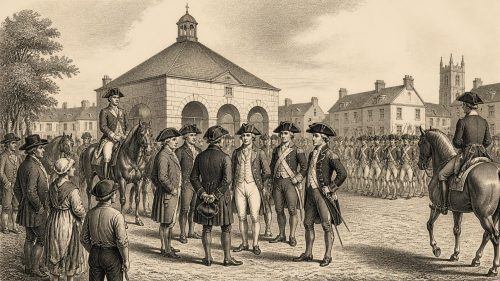
Abstract
In 1781, wartime pressures, commercial controls and constitutional unrest shaped Ireland. James Gandon began Dublin's Custom House, a decade-long project intended to strengthen revenue collection and redirect trade eastwards along the Liffey. Embargoes, quarantine measures and maritime crime exposed ports to imperial conflict. The Protestant-led Volunteers, initially raised for defence, increasingly demanded commercial freedom and Irish legislative autonomy, while parliament acknowledged influence without granting settlement. An Armagh meeting prepared the 1782 Dungannon convention. Meanwhile, Granard founded its harp festival, supporting endangered traditional musicians. Measures associated with the parliamentary session did not establish the Bank of Ireland, which opened in 1783.
Read Article

Archived: 12 October 2026
Abstract
In 1780, Irish commercial concessions eased some restrictions on trade, but their dependence on Westminster reinforced Patriot demands for legislative authority. Henry Grattan’s April motion declaring that only Ireland’s King, Lords and Commons could legislate for the kingdom was defeated. On 13 July, 2,700 Ulster Volunteers assembled at Belfast and publicly endorsed the principle, transforming a defence force into a political movement. Volunteers connected civic organisation, commerce and constitutional agitation, although they were Protestant and excluded most Catholics. War, economic uncertainty and reform shaped the year. Administrative change brought Carlisle as lord lieutenant, but Ireland entered 1781 without legislative independence.
Read Article
Archived: 12 October 2026
Abstract
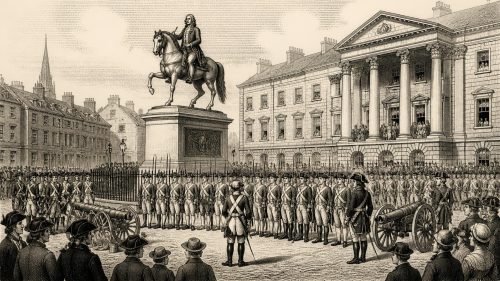
During 1779, war with France and Spain exposed Ireland’s defences, encouraging the growth of locally organised, predominantly Protestant Volunteers. Their armed presence strengthened a campaign for freer trade, prompted by imperial restrictions, falling agricultural prices and impaired credit. Merchants, producers and Patriot MPs, notably Henry Grattan, pressed the Irish Commons to seek commercial relief and use control of supply against government. On 4 November, Dublin Volunteers paraded artillery outside Parliament House, demanding free trade. Crowds added disorderly pressure. Britain promised concessions, although legislation followed later. The agitation linked popular mobilisation with parliamentary action and anticipated demands for Irish legislative independence.
Read Article
Archived: 12 October 2026
Abstract
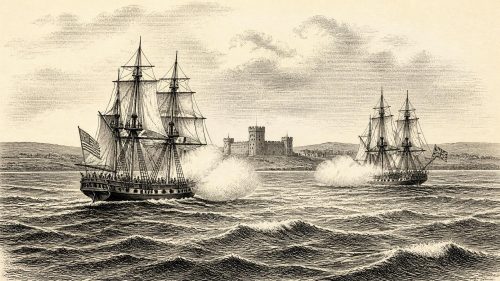
In 1778, Captain John Paul Jones’s Ranger captured HMS Drake off Carrickfergus, exposing Ireland’s weak coastal defences amid imperial war. Fear of attack encouraged Belfast’s first Volunteer company and similar locally organised Protestant corps, which later strengthened demands for political and commercial influence. Wartime disruption prompted limited trade concessions, though these fell far short of free trade and intensified Patriot dissatisfaction. Gardiner’s Catholic Relief Act improved property rights for qualifying Catholics but preserved political exclusion and most penal restrictions. Road building, cultivation, mapping and Dublin’s changing streetscape also reflected gradual improvement. Together, these developments revealed mounting pressures for Irish change.
Read Article
Archived: 12 October 2026
Abstract
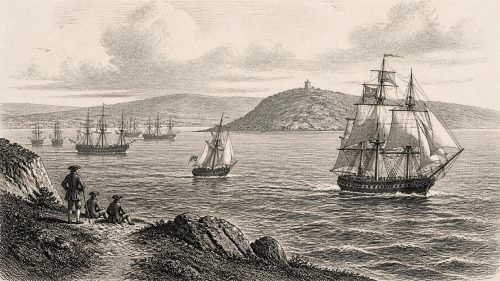
In 1777, Ireland felt the American war through disrupted markets, privateering and insecurity in the Irish Sea. Lord Buckinghamshire’s new Dublin Castle administration sought to preserve a system constrained by Westminster, franchises and Catholic exclusion. American privateers near Howth delayed linen shipping, threatening credit, employment and trade. Loss of colonial markets and provision embargoes exposed Ireland’s narrow, regulated economy. Thomas Campbell’s published survey criticised uneven development, inadequate institutions and penal exclusions, while advocating union rather than separation. Dublin’s theatre and print culture remained active. The year foreshadowed later Volunteer and free-trade crises, but did not deliver constitutional or commercial reform.
Read Article
Archived: 12 October 2026
Abstract
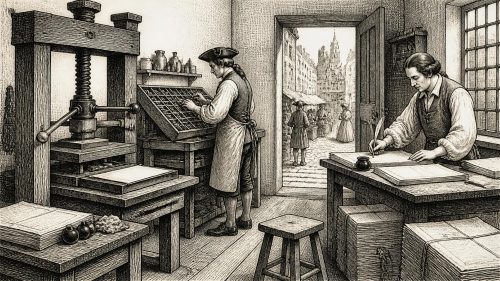
In 1776, Ireland, though a separate kingdom, was deeply affected by Britain’s war with the American colonies. An embargo on provisions exposed dependence on imperial trade, while the Tumultuous Risings Act targeted Whiteboy rural unrest rooted in land, tithe and tenancy grievances. Newspapers expanded political debate: Finn’s Leinster Journal printed the Declaration of Independence in August, and the Hibernian Magazine cautiously reproduced Paine’s Common Sense. Arthur Young’s travels recorded ports, linen districts and farms alongside poor roads, insecure smallholders and poverty. The year intensified awareness of inequality, constitutional constraint and economic vulnerability, foreshadowing campaigns for free trade and legislative independence.
Read Article
Archived: 12 October 2026
Abstract
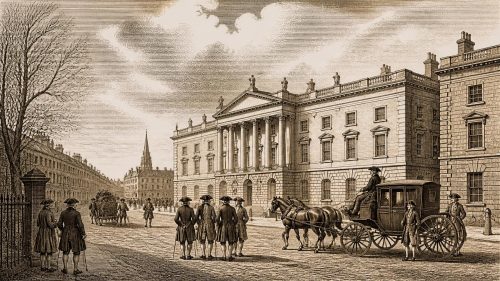
In 1775, the American war exposed tensions within Ireland’s restricted Protestant political order. Troop departures depleted the garrison, while authorities pragmatically tolerated Catholic recruitment despite penal disabilities. Atlantic links encouraged both loyalism and sympathy for the colonists, expressed in Dublin and Edmund Burke’s conciliation arguments. Henry Flood accepted office, weakening the Patriot interest, while Henry Grattan entered parliament through Charlemont patronage. Parliament managed supply and revenue under strong British influence. Catholics and Presbyterians remained disadvantaged, and debate connected religion, trade and constitutional constraints. War threatened linen markets and sharpened commercial grievances. Cultural life and tower damage reflected wider uncertainty locally.
Read Article

Archived: 12 October 2026
Abstract
In 1773, the killing of Art Ó Laoghaire near Carriganima exposed the unequal legal position of Catholics in Ireland. His feud with magistrate Abraham Morris, involving a horse and penal legislation, inspired Eibhlín Dubh Ní Chonaill’s enduring Irish-language lament. Morris’s acquittal and the disputed burial reinforced perceptions of unequal justice. Nationally, Lord Lieutenant Harcourt’s unsuccessful absentee-tax proposal revealed financial strain, landlord influence and limits on Dublin’s parliament. Linen, woollen promotion and trade sustained a diverse but dependent economy, while volunteer corps reflected Protestant local society. Goldsmith’s success and Leland’s contested history illustrated Ireland’s contribution to, and disputes within, British culture.
Read Article

Archived: 12 October 2026
Abstract
In 1772, George Townshend’s departure and Simon Harcourt’s arrival as Lord Lieutenant altered Dublin Castle’s leadership without changing Ireland’s dependence on British imperial authority or its patronage-based, unrepresentative parliament. Ulster’s Hearts of Steel protest exposed rural insecurity over rents, leases, taxes and evictions; government answered with troops, targeted legislation and a later pardon, rather than structural reform. Parliament granted Catholics restricted long-term leases of bog land, a limited economic concession preserving wider penal disabilities. The London-Derry Journal’s foundation and revived siege commemoration illustrated print’s growing civic role. Meanwhile, linen, improvement and institutions coexisted with inequalities in land, religion and power.
Read Article

Archived: 12 October 2026
Abstract
In 1771, Edmund Sexten Pery’s election as Speaker signalled Dublin Castle’s growing ability under Lord Lieutenant George Townshend to organise parliamentary support, though alliances remained fragile. The session beginning that autumn introduced improvement measures, including limited Catholic leases of reclaimed bog, later enacted in 1772. Belfast began building its poor-house and infirmary, later Clifton House, reflecting commercial growth, charitable discipline and medical provision. Archbishop Richard Robinson founded Armagh Public Library, extending learning beyond Dublin while expressing Church of Ireland authority. Grain imports and proposals for canals, navigation, streets, hospitals and reclamation revealed an economy dependent on trade, labour, uneven improvement.
Read Article
Archived: 12 October 2026
Abstract
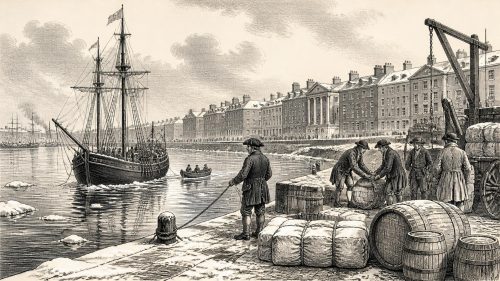
In 1770, Ireland was governed during Parliament’s prorogation as Lord Townshend used patronage to weaken parliamentary undertakers and strengthen Dublin Castle. Westminster sustained bounties supporting Irish linen, while the Dublin Society promoted economic improvement. Quarantine regulations monitored shipping routes and goods amid fears of plague. In December, authorities embargoed provision-laden vessels, reflecting concern over supplies without proving famine; butter received exemption in 1771. Catholic and Presbyterian exclusion, landlord power and dependence on agriculture and exports persisted. Trinity’s College Historical Society began meeting, while Burke and Goldsmith published works. The year reveals an unequal kingdom managed through law, commerce and patronage.
Read Article
Archived: 12 October 2026
Abstract
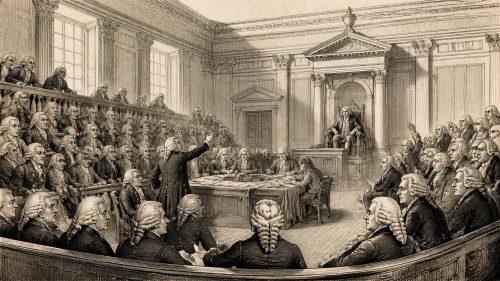
In 1769, Ireland’s octennial parliament confronted Dublin Castle when the Commons rejected a supply bill, 94–71, insisting that money measures must originate in the House rather than under Poynings’ Law. The dispute reflected Townshend’s effort to end dependence on undertakers Ponsonby and Shannon, while securing an enlarged army, approved in December. Catholic exclusion and borough franchises framed this Protestant contest. Elsewhere, James Agar was killed by Henry Flood in a Callan patronage feud; authorities suppressed labour combinations; Shannon navigation improvements culminated; and the Hibernian Society gained its charter. The supply vote exposed limits and prompted Castle plans to reshape administration.
Read Article
Archived: 12 October 2026
Abstract
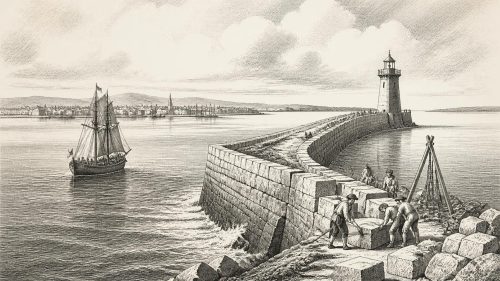
In 1768, Ireland’s Octennial Act received royal assent, limiting parliaments to eight years and prompting dissolution of the 1761 parliament and summer elections. Championed by Charles Lucas, it established regular electoral expectations but preserved Poynings’ Law, Protestant dominance and Catholic exclusion. Lord Lieutenant George Townshend’s proposed expansion of the Irish army was narrowly rejected, exposing conflict between Dublin Castle and parliamentary undertakers and encouraging his later patronage strategy. The new parliament did not sit until 1769. Elsewhere, Frederick Hervey became bishop of Derry, John O’Brien’s Irish-English dictionary appeared in Paris, and Poolbeg’s maritime works advanced Dublin’s commercial access and navigation.
Read Article
Archived: 12 October 2026
Abstract
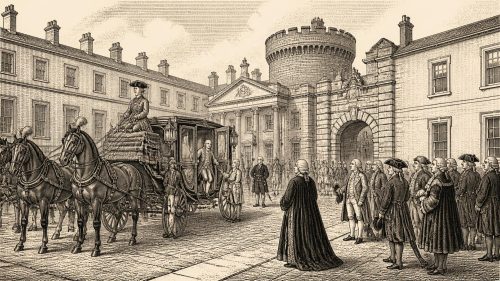
In 1767 George Townshend became resident lord lieutenant, strengthening Dublin Castle’s presence and preparing conflict with parliamentary undertakers led by John Ponsonby. Parliament debated increased Irish funding for imperial troops alongside proposals for regular parliaments and secure judicial tenure, though settlement came later. In Belfast, Lord Donegall’s extensive leases reshaped property, encouraged development and served estate income within the expanding linen economy. Dublin’s Magdalen Asylum, founded by Lady Arabella Denny, provided Protestant women relief, work and strict moral supervision. John O’Keeffe’s theatrical debut reflected cultural vitality. Together, these developments exposed Ireland’s commercial and institutional change amid narrow Protestant political control.
Read Article
Archived: 12 October 2026
Abstract
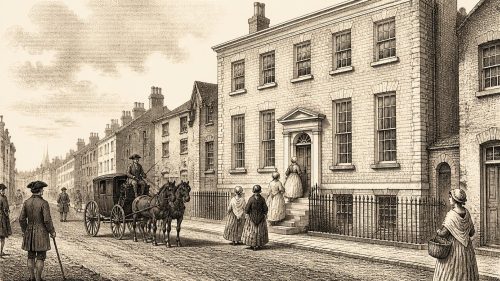
In 1765, Ireland’s contrasting institutions exposed mid-Georgian inequalities and efforts at control. Francis Seymour-Conway, earl of Hertford, became lord lieutenant as ministers sought resident rule, while parliamentary debates over septennial parliaments and grain exports revealed Ireland’s restricted autonomy under Poynings’ Law. The Whiteboy movement’s aftermath prompted coercive legislation, though the Whiteboy Act received assent only in 1766, reflecting conflicts over land, tithes and subsistence. In Dublin, Lady Arabella Denny founded the Magdalen Asylum for unmarried mothers and other stigmatised women, combining relief with discipline. In County Antrim, Gracehill’s Moravian church and Sisters’ House embodied ordered, transnational religious community in Ireland.
Read Article
Archived: 12 October 2026
Abstract
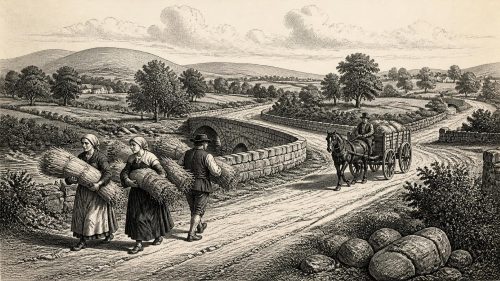
In 1764, Ireland's Protestant-led parliament enacted wide-ranging legislation on linen, fisheries, roads, urban regulation, prisons, trade and public order. Measures promoted manufacture, navigation and turnpikes while regulating coal, food, markets, charitable gifts and civic administration. Linen exports demonstrated economic importance but also dependence on imperial constraints. Acts concerning land burning, salmon, tithes, Protestant property and riots reflected rural conflict, environmental pressures and the continuing Whiteboy movement. Government operated through Dublin Castle, Lord Lieutenant Northumberland and powerful undertakers, as George Stone and Henry Boyle died. Cultural developments included Old Moore's Almanac, William Ashford's arrival, and births of Emmet, O'Conor and Hope.
Read Article
Archived: 12 October 2026
Abstract
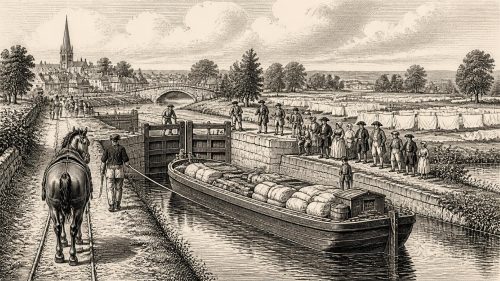
In 1763, Ireland’s expanding economy exposed social and religious inequalities. The Treaty of Paris ended the Seven Years’ War, reshaping imperial trade while restrictions continued to limit Irish commerce, except the linen industry. In Ulster, the Hearts of Oak protested county cess, compulsory road labour, tithes and established-church charges; troops and local concessions contained them. Conversely, the Lagan Navigation opened between Belfast and Lisburn, improving transport for linen and bulk goods while highlighting unequal costs of development. Hugh Percy became lord lieutenant, and the Freeman’s Journal began publishing. Catholic and Presbyterian institutions also developed despite penal laws and Protestant privilege.
Read Article
Archived: 12 October 2026
Abstract
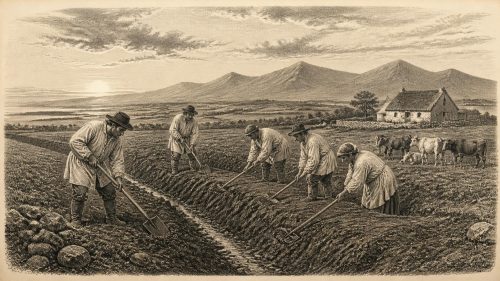
In 1762, Spain’s entry into the Seven Years’ War heightened fears of invasion, prompting Lord Lieutenant Halifax to review Irish defences amid privateering and controls on provisioning. Dublin’s Protestant parliament considered, but London rejected, septennial parliaments; legislation reinforced Protestant land titles while regulating commerce, roads and urban services. In Munster, Whiteboy protest spread against enclosure, rents, tithes and exactions, provoking troops and arrests but reflecting agrarian distress rather than a sectarian conspiracy. Dublin also saw church building, civic regulations and Macklin’s comedy. Halifax left in May; a December Anglo-Spanish armistice reduced danger without resolving Ireland’s religious, constitutional or rural inequalities.
Read Article
Archived: 12 October 2026
Abstract
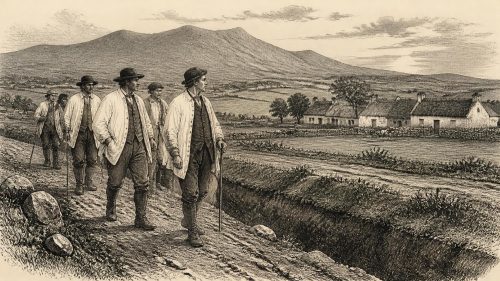
In 1761, George III’s accession prompted Ireland’s first general election since 1727 and a new parliament, where Charles Lucas and other patriots challenged restrictions on legislative control of revenue. Yet the year’s most significant development began in southern Tipperary, where Whiteboys around Ballyporeen resisted enclosures, tithe demands and local exactions through nocturnal, disguised collective action. Initially called Levellers, they established methods later rural movements adopted. Galway’s Protestant corporation sought to restrict Catholic commercial activity through the Black Petition. Meanwhile, the Seven Years’ War brought naval impressment. The year exposed constitutional weakness, confessional exclusion and rural insecurity without producing national rebellion.
Read Article
Archived: 12 October 2026
Abstract
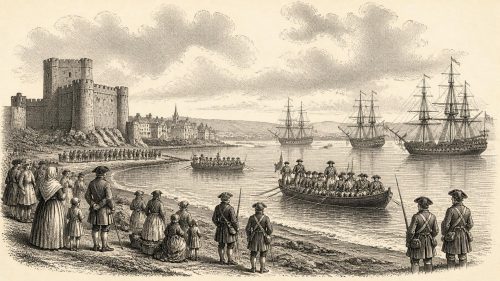
In February 1760, François Thurot’s French force of about 600 men captured Carrickfergus, requisitioned supplies and threatened Belfast, prompting local defences, negotiations and widespread mobilisation. The raiders departed on 26 February and were defeated two days later off the Isle of Man, where Thurot was killed. The episode exposed Ireland’s coastal vulnerability during the Seven Years’ War. In Dublin, Catholics established a committee to seek cautious relief from penal laws, supported by public debate. George II’s death brought George III’s accession, dissolution of parliament and electoral agitation. Rural insecurity, religious inequality and surviving Gaelic musical traditions also shaped Irish life.
Read Article
Archived: 12 October 2026
Abstract
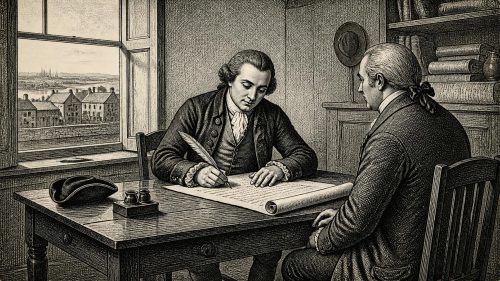
In 1759, Ireland, a separate but constitutionally restricted kingdom under George II, experienced political unrest and urban change. On 3 December, Dublin crowds invaded Parliament House over a false union rumour, demonstrating Protestant civic patriotism, economic anxiety and expanding popular political engagement. Speaker John Ponsonby helped restore calm, while Henry Flood entered Parliament. Catholics, still excluded from political power, promoted a loyal address to the Crown. Dublin's economy depended on agriculture, linen, trade and regulated industries. Arthur Guinness leased St James's Gate brewery for 9,000 years. Trinity's West Front was completed, and Bartholomew Mosse's maternity hospital survived its founder's death.
Read Article
Archived: 12 October 2026
Abstract
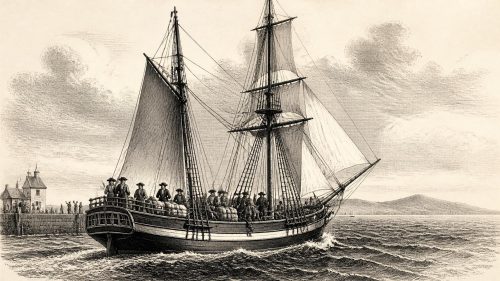
In 1758, Ireland’s administration relied on proclamations while parliament was repeatedly postponed, revealing tensions over property, livestock and authority. Dublin’s Wide Streets Commissioners became operational, and Grand Canal construction continued, signalling improvement schemes. War shaped fast days and maritime quarantine, while the Dublin Trader wreck killed the Earl of Drogheda, his son and actor Theophilus Cibber. Land reclamation at Ballyconneely and Lucan’s sulphurous spring reflected efforts to exploit landscape. Richard Pococke noted Killarney’s improving inns but Timoleague’s poverty. Mary Shackleton’s birth at Ballitore linked the year to a Quaker chronicler. Records show Ireland reshaped by movement, development, commerce and vulnerability.
Read Article

Archived: 12 October 2026
Abstract
In 1757, Protestant-ruled Ireland remained politically restricted under Poynings’ Law and the penal code, while Dublin witnessed significant institutional beginnings. Lord Lieutenant Bedford’s dispute with John Ponsonby exposed rivalries within the governing Protestant elite, against the background of the Seven Years’ War. Charles O’Conor, John Curry and Thomas Wyse initiated cautious Catholic political organisation, later associated with the Catholic Committee. St Patrick’s Hospital, funded through Jonathan Swift’s bequest, admitted its first patients, while Bartholomew Mosse opened his purpose-built lying-in hospital at Rutland Square. Parliament also authorised the Wide Streets project, initiating statutory urban redevelopment and reshaping access to Dublin Castle.
Read Article

Archived: 12 October 2026
Abstract
John Rocque’s four-sheet Exact Survey of Dublin, completed in September 1756, provided an exceptionally detailed record of the capital’s streets, buildings, yards and commercial spaces. Prepared after his 1754 arrival and presented to the Lords Justices, it demonstrated Dublin’s growing administrative and economic importance. The map did not encompass Ireland or alter its entrenched inequalities. Daily life remained shaped by small-scale agriculture, unequal landholding, an expanding linen trade, Catholic disabilities and Protestant landlord power. Nevertheless, 1756 also saw political control shift in Dublin and war with France proclaimed in Ireland, exposing inherited structures to international pressure and closer governmental scrutiny.
Read Article
Archived: 12 October 2026
Abstract
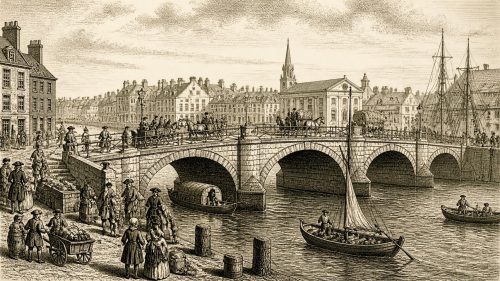
In 1755, Ireland remained a Protestant-controlled kingdom constrained by Britain, with Catholics and Presbyterians excluded from political rights. William Cavendish became lord lieutenant as parliament resumed under a narrow electorate. Dublin’s Essex Bridge opened, improving movement across the Liffey, while Luke Gardiner’s death marked his influence on planned urban development. Banking failures exposed fragile commercial credit, despite linen’s importance. Thomas Omer began Shannon navigation works, seeking inland connectivity. Russborough House displayed landed wealth; Moravian activity illustrated religious diversity; and the Irish Artillery Company reflected tensions. Lisbon’s earthquake and tsunami disturbed Irish coasts, damaging Galway’s Spanish Arch and demonstrating Atlantic connections.
Read Article
Archived: 12 October 2026
Abstract
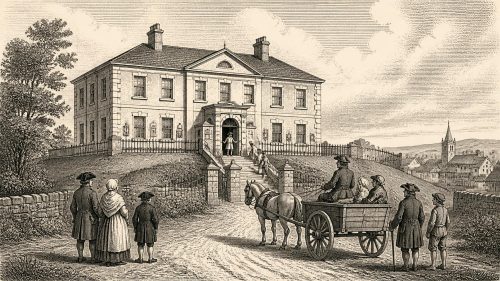
In 1754, Ireland’s unresolved dispute over public revenue sharpened conflict between the Irish Commons, Dublin Castle and Britain, despite Parliament’s restricted Protestant character. At Dublin’s Smock Alley Theatre, a performance of Mahomet provoked a political riot, damaging the theatre and forcing manager Thomas Sheridan’s departure. Days later, Dillon, Ferrall and Company failed, exposing the fragility of private banking and commercial credit. At Navan, the County of Meath Infirmary, supported by subscription, began providing modest organised care for poor patients. The year also saw notable improvement projects, historical and commercial print, and the death of Irish-language poet Seán Clárach Mac Domhnaill.
Read Article

Archived: 12 October 2026
Abstract
In 1753, Ireland’s exchequer surplus provoked a constitutional crisis when the Dublin Commons, led by Speaker Henry Boyle, rejected a debt bill returned from Britain with Crown control over expenditure. The dispute affirmed Commons resistance to executive interference but exposed the limits of parliament under Poynings’ Law, Protestant ascendancy and Westminster’s claimed supremacy; bargaining continued for years. In Dublin, the failing Essex Bridge was dismantled and replacement foundations begun, disrupting traffic while signalling Georgian engineering ambition. Authorities also addressed coal prices, begging, street cleaning and Kildare unrest. George Berkeley died in Oxford, ending an episcopate marked by practical improvement schemes.
Read Article
Archived: 12 October 2026
Abstract
In 1752 Ireland adopted the Gregorian calendar, so Wednesday 2 September was followed by Thursday 14 September, while the civil year now began on 1 January. The reform affected administration, commerce, courts and worship, though no evidence supports later tales of calendar riots. Commissioners for inland navigation were incorporated, signalling ambitions to improve trade despite difficult travel. Dublin gained Ireland’s first purpose-built Methodist chapel; Killaloe and Kilfenora bishoprics were united. Belfast merchants founded the Charitable Society to address poverty amid commercial expansion tied to Atlantic slavery. Under Protestant political dominance, Catholics remained excluded and inequalities persisted deeply across Irish society.
Read Article

Archived: 12 October 2026
Abstract
In 1751, Nathaniel Clements became ranger of Phoenix Park and began the lodge later transformed into Áras an Uachtaráin, embodying the Palladian authority of Ireland’s Protestant elite. The shortened legal year, preceding Gregorian reform, altered timekeeping. Architect Richard Castle died, while actor Peg Woffington returned to Dublin’s Theatre Royal, illustrating cultural connections. Debate over Burton’s Bank’s 1733 collapse exposed insecurity. Parliament, dominated by Protestant interests and excluding Catholics, considered revenue, commerce, law, roads and charitable medicine, including Cork Infirmary. These developments reveal a connected Georgian Ireland whose growth, administration and institutions rested upon inequalities of religious, property and political power.
Read Article

