Archived: 26 September 2026
Abstract
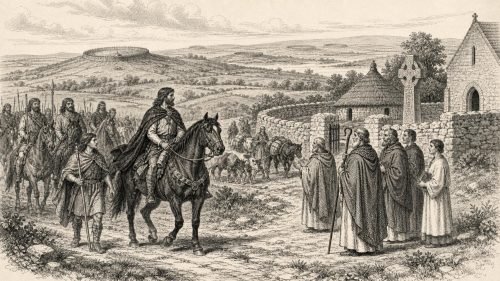
In 1006, Brian Bórama demonstrated the reach yet limits of his Irish overlordship by leading a broad coalition from Munster, Leinster, Mide, Connacht and Dublin through the north. His circuit secured Ulaid hostages and satisfied Armagh's claims, strengthening royal and ecclesiastical legitimacy, but Cenél Conaill and Cenél nEógain withheld submission. Provincial violence continued, including killings of regional kings, revealing unstable local rule. The deaths of Armagh churchmen underline clerical institutions' importance. A mild, food-rich winter offered relief after scarcity, while the army's passage burdened rural communities. Dublin's participation reflected its growing military, commercial and maritime value within Brian's negotiated supremacy.
Read Article

Archived: 26 September 2026
Abstract
Brian Boru’s northern campaign of 1005 demonstrated his contested claim to high-kingship over Ireland. After establishing dominance in the south and securing Máel Sechnaill’s submission, he led an army, including Gaelic and Norse-Irish forces, to Armagh and Ulaid. At Patrick’s altar he gave twenty ounces of gold, strengthening ties with Armagh’s primatial church; the Book of Armagh associated him with title imperator Scotorum. His expedition sought hostages from northern dynasties, but accounts differ over whether Cenél Conaill and Cenél nEógain submitted. Ulaid suffered dynastic killings, external attacks and scarcity that dispersed its population. The year showed kingship dependent on campaigns.
Read Article

Archived: 26 September 2026
Abstract
In 1004, Brian Bórama’s claim to supremacy over Ireland remained ambitious but incomplete. Having subordinated Máel Sechnaill of Mide, he faced determined northern resistance from Cenél nEógain. The Annals of Ulster record that they obstructed his intended circuit of Ireland. At Cráeb Tulcha on 14 September, Cenél nEógain defeated Ulaid; Ulaid king Eochaid mac Ardgar and Ailech king Áed Ua Néill died, destabilising both powers. Traditions associate this period with Brian’s expedition to Armagh, demands for hostages, and gold offering, linking political display with ecclesiastical authority. Annals record clerical deaths, regional killings, Dublin’s burning, and Máel Sechnaill’s injury, revealing insecurity.
Read Article

Archived: 26 September 2026
Abstract
In 1003, Brian Bórama sought to turn his newly acquired high-kingship into authority, relying on cooperation with Máel Sechnaill of Mide. Their northern Connacht expedition was checked by the Northern Uí Néill, demonstrating limits to Brian’s power. Brian deposed Leinster’s Donnchad and installed Máel Mórda, holding provincial hostages as guarantees. Across Ireland, raids, killings and disputed successions showed persistent instability. Ecclesiastical deaths and sanctuary violations emphasised churches’ political importance, while learned figures preserved claims and status. Uncertainly dated northern warfare further revealed regional fragmentation. Ireland was consolidating under Brian, yet rule remained dependent on force, alliances, tribute and religious legitimacy.
Read Article

Archived: 26 September 2026
Abstract
In 1002 Brian Bórama transformed Irish politics by bringing an army to Athlone and taking hostages from Connacht and Mide, publicly demonstrating Máel Sechnaill mac Domnaill’s submission. Annals differ slightly in dating and emphasis, but confirm the event. Brian’s earlier successes over Leinster and Dublin enabled wider mobilisation, including Norse-Gaelic allies. Yet his subsequent northern expedition to Dundalk failed to secure hostages from Áed of Ailech and Eochaid of Ulaid, ending in truce. Raids, captives and ecclesiastical deaths reveal regional conflict. Coastal towns, trade and church institutions underpinned power. Brian emerged as leading king, but his island-wide overlordship remained incomplete.
Read Article

Archived: 26 September 2026
Abstract
In 1001, rivalry between Brian Boru of Munster and Máel Sechnaill of Mide centred on control of the midlands and Shannon. Brian’s growing power, strengthened by Dublin’s submission, threatened the older Uí Néill order, though Munster raiders were defeated in southern Mide. Máel Sechnaill and Cathal of Connacht constructed a causeway at Athlone to obstruct Munster fleets and defend Leth Cuinn, demonstrating both alliance and anxiety. Deaths among northern rulers exposed unstable regional politics. Changes at Armagh and clerical deaths underscored churches’ political and economic importance. The year remained inconclusive, but marked a defensive attempt to contain Dál Cais expansion.
Read Article

Archived: 26 September 2026
Abstract
In 1000, Ireland's annalists marked the millennium through sophisticated calendrical scholarship, without evidence of apocalyptic anxiety. After Brian Bórama and high-king Máel Sechnaill defeated Leinster and Dublin at Glenn Máma in late 999, Brian burned Dublin but restored it after Sitriuc Silkbeard submitted hostages, preserving its strategic trade and military value. Their alliance soon collapsed: Brian's coalition advanced towards Tara, but Máel Sechnaill destroyed its advance force in Brega, forcing withdrawal. Elsewhere deaths, blinding and killings exposed dynastic instability. Rural farming, raiding, urban craft and trade, Christianity and learning continued, while Brian's growing coalition foreshadowed his eventual high-kingship over Ireland.
Read Article
Archived: 26 October 2026
Abstract
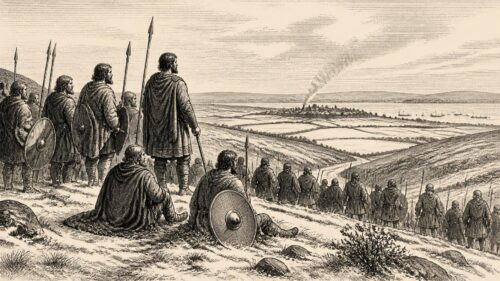
In 999, Ireland’s political order was strained as Sitriuc of Dublin and Máel Mórda seized Leinster’s kingship, imprisoning Donnchad mac Domnaill. Raids on Kildare, Leinster and Uí Echach demonstrated warfare’s dependence on cattle, captives and plunder. On Thursday 30 December, Brian mac Cennétig’s coalition, including Máel Sechnaill’s forces, defeated the Dublin–Leinster army at Glenn Máma, killing Dublin nobles and opening the route to the port. Dublin’s sack occurred at the year’s turn, not within 999. Máel Sechnaill’s conversion of the fallen Lia Ailbi into millstones linked authority, memory and subsistence. The year altered power without creating unity or millennium expectations.
Read Article
Archived: 26 October 2026
Abstract
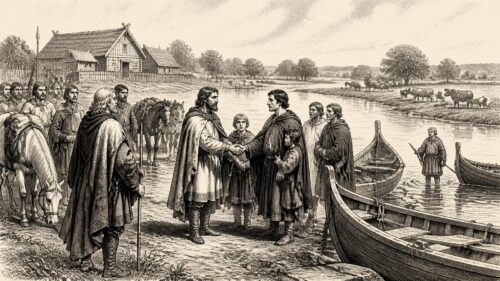
In 998, Brian of Munster and Máel Sechnaill of Tara jointly asserted authority across Ireland. At Athlone, Brian secured Connacht’s hostages within a week and transferred them to Máel Sechnaill, recognising Tara’s overlordship while displaying his own military reach. The kings also obtained guarantees from Dublin’s Hiberno-Scandinavian rulers. Athlone’s Shannon ford enabled movement between Mide and Connacht, making it a strategic political meeting point. Hostage-taking signified submission rather than territorial conquest. The year also saw the deaths of leading churchmen at Armagh and Clonmacnoise. Though later conflict approached, 998 demonstrated Brian’s growing power within an uneasy partnership with Máel Sechnaill.
Read Article
Archived: 26 October 2026
Abstract
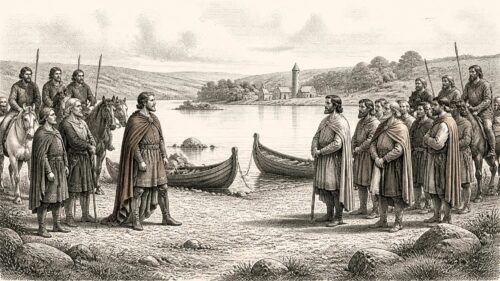
In 997, Brian Bóruma of Munster and Máel Sechnaill mac Domnaill of Tara met at Port Dá Chaineóc, probably near Lough Ree, and divided Ireland symbolically into Leth Moga and Leth Cuinn. The accord recognised Brian’s southern authority and Máel Sechnaill’s northern and midland pre-eminence without creating fixed states or peace. Transfer of Leinster and Dublin hostages gave Brian crucial leverage. Dublin remained an influential, diverse trading port, beginning coinage around this time. Elsewhere, warfare, plundering and political mutilation continued, while ecclesiastical successions mattered publicly. The settlement marked Brian’s rise, but later conflict determined his eventual wider dominance across Ireland.
Read Article
Archived: 26 October 2026
Abstract
In 996, Brian Boru, king of Munster, took hostages from Uí Cheinnselaig and territories west of the Liffey at Mag Ailbe, demonstrating expanding influence in Leinster without establishing uncontested national rule. Annalistic chronology differs, requiring caution over dates and causal links. Deaths of rulers in Uí Cheinnselaig and Osraige accompanied regional instability and succession. Armagh suffered a major fire attributed to lightning, although other chronicles report plundering and burning by Airgialla. In the north, Áed of Ailech defeated raiders at Glenn Rige. These events reveal competing lordships, vulnerable churches, military power, and Brian’s growing leverage before the 997 division agreement.
Read Article
Archived: 26 October 2026
Abstract
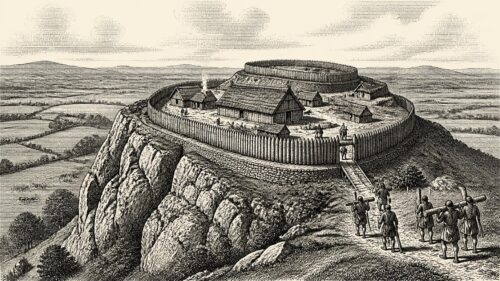
In 995 the Annals of Inisfallen record Brian son of Cennétig strengthening Cashel, Inis Locha Gair, Inis Locha Sainglenn and numerous other structures. This programme demonstrated Dál Cais control of Munster’s traditional royal centre while securing resources and refuges against raiding. Annalistic dating varies for connected events, including killings among Leinster, Osraige and Déisi rulers and Armagh’s destruction by lightning-fire. The year also saw ecclesiastical succession at Emly, the death of the scribe and coarb Colla, and deaths of rulers linked to Dublin and Alba. Together, these events reveal Brian’s rising, yet contested, authority amid political violence and institutional vulnerability.
Read Article
Archived: 26 October 2026
Abstract
In 994, Ireland’s annals recorded political and ecclesiastical change. Sitriuc Silkbeard was expelled from Dublin during a brief Hiberno-Scandinavian dynastic takeover linked to Ímar of Waterford and his son Ragnall, whose rule soon collapsed. Máel Sechnaill, king of Tara, burned Swords, demonstrating his coercive influence near unstable Dublin. Elsewhere, regional rulers including Fogartach of Corcu Trí, Áed, heir of Ailech, and Conn of Uí Fhailgi were killed. The deaths of Armagh’s bishop Máel Muire and Scattery’s vice-abbot Fínnechta underline church institutions’ central public role. These scattered notices reveal local violence, competitive kingship, vulnerable ecclesiastical settlements, and interconnected Irish Sea politics.
Read Article
Archived: 26 October 2026
Abstract
Annals conventionally place 993 amid a major mortality of people, cattle and bees, though its cause, scale and chronology remain uncertain. This crisis threatened subsistence, wealth and ecclesiastical resources. Political violence killed several local rulers in the midlands, Connacht and west, revealing fragmented lordship and Máel Sechnaill’s interventions. Brian of Munster led a naval expedition from Lough Ree towards Bréifne, while Mide suffered devastation and Dublin’s Norse-Gaelic politics remained unsettled. Meanwhile, Muirecán, Patrick’s successor, visited Cenél nÉogain and publicly affirmed Áed’s royal standing. The notices portray interconnected warfare, church authority, riverine mobility and vulnerable rural life throughout Ireland in 993.
Read Article
Archived: 26 October 2026
Abstract
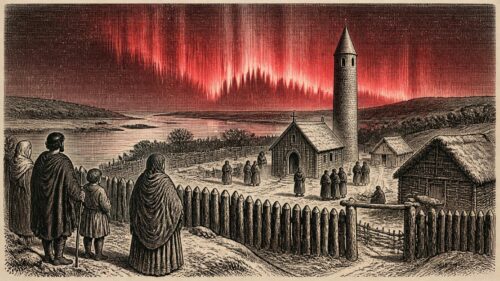
In 992, Irish annals record Máel Sechnaill mac Domnaill’s cattle-taking expedition into Connacht, demonstrating Mide’s military reach and the central value of livestock. Brian son of Cennétig subsequently led Munster and Connacht forces into Mide, apparently as a restrained but purposeful show of strength. Regional politics were further marked by deaths and probable violence among rulers in Tethba, Uí Diarmata and Corcu Baiscinn. Ecclesiastical succession affected Clonfert, Clonmacnoise and Inis Cathaig, institutions entwined with wealth and power. The records also illuminate rural dependence on livestock, Ireland’s trade connections, and a blood-red sky observed on St Stephen’s night, possibly an aurora.
Read Article
Archived: 26 October 2026
Abstract
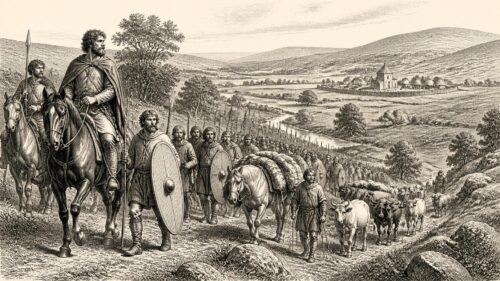
In 991, Brian son of Cennétig led an armed hosting from Munster into Leinster, where Tadc son of Donnchadh died and Cerrán Cnámchaille was killed in vengeance. The campaign demonstrated Brian’s expanding reach, although no conquest or settlement is recorded. Annals also report the treacherous killing of a prominent Tara-centred heir, but differ over his identity and the perpetrators, reflecting contested midland politics. Domnall Ua Dúngalaig died, as did Scandlán son of Tadc, erenagh of Cell Dá Lua, or Killaloe. These notices reveal power exercised through warfare, kinship, tribute, ecclesiastical offices and regional rivalries, rather than a unified Irish state.
Read Article
Archived: 26 October 2026
Abstract
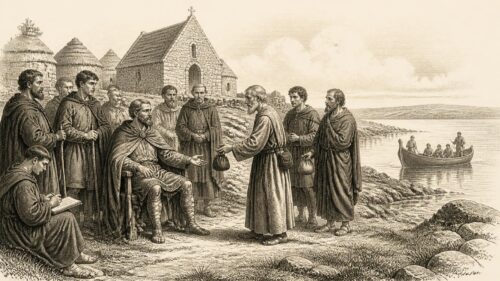
In 990, Irish annals recorded dispersed connected conflicts involving kings, churches and maritime raiders. Máel Sechnaill of Mide defeated north Munster forces at Fordroma, where Domnall of Uí Fhorga died, demonstrating contested regional power rather than national unity. A son of Ímar left Waterford, while foreigners raided Ross Carbery and captured its lector, Airbertach mac Cos Dobráin. Brian son of Cennétig ransomed him at Scattery, displaying authority and resources. Brian’s brother Marcán became abbot of Emly, strengthening dynastic church links. Derry was plundered, and notices of a poet’s and a king’s deaths underline learning, ecclesiastical wealth, violence and political fragmentation.
Read Article
Archived: 26 October 2026
Abstract
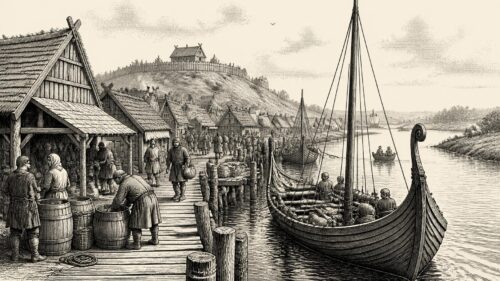
The annals for 989 preserve a year of abrupt reversals. Ireland was not a single kingdom, nor was its political life divided neatly between ‘Irish’ and ‘Viking’. Kingship was exercised through shifting local alliances, hostage-taking, tribute, raiding and control of major churches. The most striking entry is the death of Glún Iairn, king of the foreigners of Dublin, killed while drunk by his own slave. Yet 989 mattered just as much in the north: Dún Lethglaise, modern Downpatrick, was plundered and burned; a ruler of the Isles was killed in Dál Riata; and the successor of St Patrick at Armagh
Read Article
Archived: 26 October 2026
Abstract
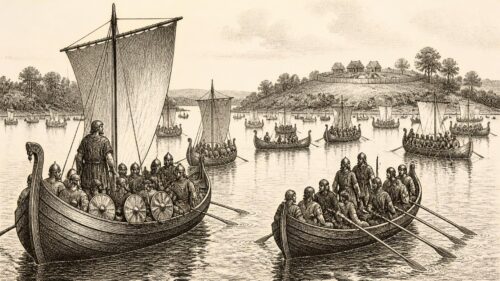
In 988, Brian son of Cennétig, Munster’s dominant ruler, launched a fleet of 300 vessels onto Lough Ree, using the Shannon waterways to raid Mide and reach Uisneach. The expedition demonstrated mobilisation and challenged the political landscape dominated by Máel Sechnaill of Tara, but did not establish Brian’s rule over Ireland. A detachment of twenty-five boats entering Connacht suffered heavy losses, although it killed Muirgius, a Connacht royal heir; Dúnlang, a prominent ally, also died. Differing annalistic year systems complicate dating. The campaign formed part of Brian’s wider waterborne strategy, revealing ambition, logistical capacity, and the resilience of rival kingdoms.
Read Article
Archived: 26 October 2026
Abstract
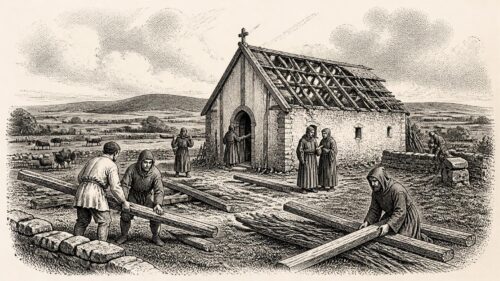
In the annalistic sequence around 987, Ireland experienced severe insecurity from disease, livestock mortality and storm damage. The Annals of Tigernach describes a deadly eastern illness interpreted through demonic imagery, alongside the onset of máelgarb, an unusual cattle murrain whose precise nature remains uncertain. A great wind destroyed many buildings, including Louth’s oratory, disrupting a significant ecclesiastical centre. Differing annal dates prevent precise modern chronology. These reports illuminate vulnerabilities affecting households, churches and political economies dependent on cattle, labour and resources. They occurred amid Máel Sechnaill’s overkingship and Brian Bóruma’s rise, but do not establish an event for that year.
Read Article
Archived: 26 October 2026
Abstract
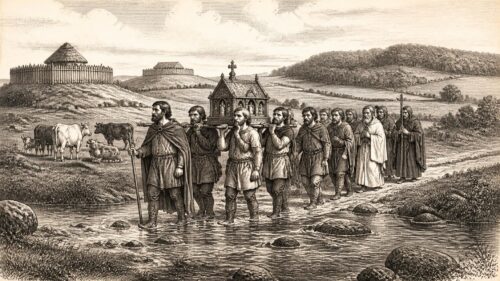
In 986, an episode involving the shrine of St Patrick brought royal authority, local conflict and ecclesiastical privilege into unusually sharp focus. The surviving annals are brief, and their differing chronologies require care, but the central record is clear enough: Máel Sechnaill mac Domnaill, king of Tara and ruler of Mide, removed Patrick’s shrine from Áth Firdiad, modern Ardee, to Áth Sige during a war involving the sons of Cairellán. A settlement followed. The king then rendered what the annalist calls Patrick’s due: a visitation involving the men of Mide, clergy and laity alike, hospitality or a feast from every
Read Article
Archived: 26 October 2026
Abstract
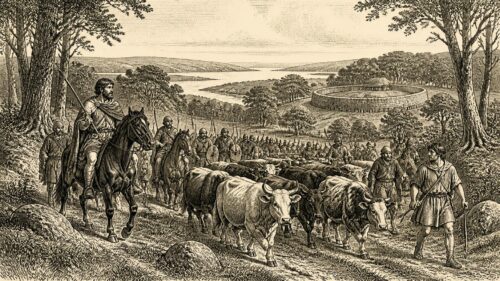
In 985, Ireland remained divided among competing regional kingships rather than united under a single state. Máel Sechnaill of Mide raided Connacht, destroying crannógs and killing chieftains, while internal conflict included the death of Fearghal of the Fiachra kindred. In Munster, Brian son of Cennétig retaliated after Déisi men stole three hundred cattle from his mercenaries, devastating the territory and pursuing Domnall son of Faelán to Waterford. An abundant mast crop aided rural livestock husbandry. Leinster’s king, Diarmait son of Uathmarán, died. Annals securely date these events to 985, illustrating warfare, resources, local authority and unstable political relationships across Ireland.
Read Article
Archived: 26 October 2026
Abstract
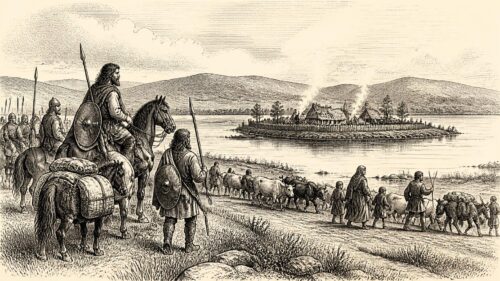
In 984 Máel Sechnaill mac Domnaill, king of Mide and Tara, campaigned into Connacht, burning Mag Aí, killing leading men and attacking island settlements, probably crannogs. Connacht retaliated eastwards at Loch Aininn, or Lough Ennell, burning land and killing the king of Fir Chell. Annalistic dating varies between 984 and 985, reflecting chronological differences rather than separate campaigns. Deaths of ecclesiastical leaders, including Fogartach Ua Congaile of Daiminis, highlighted churches’ political and learned importance. Domnall Claen of Leinster was killed by Uí Cheinnselaig rivals. Together, these events reveal interconnected lordships, warfare, ecclesiastical authority and unstable regional kingship in tenth-century Ireland.
Read Article
Archived: 26 October 2026
Abstract
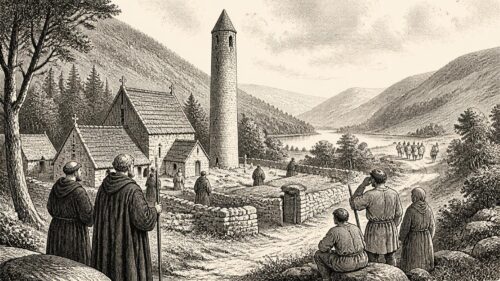
In 983, amid disputed annalistic dating, Ireland experienced overlapping conflicts rather than a unified war. Máel Sechnaill of Mide and his Dublin half-brother Glún Iairn routed Domnall Claen of Leinster and Ímar of Waterford, then ravaged Leinster. Dubliners plundered the wealthy monastic centre of Glendalough, illustrating the town’s complex political role. Brian mac Cennétig launched a fleet expedition into Connacht, suffered losses, and extended pressure through Osraige and Leinster by plunder and hostage-taking. Annals note ecclesiastical deaths at Lismore and Armagh, revealing institutions enduring amid warfare. The year demonstrates interconnected yet fragmented powers competing through kinship, raiding, waterways and coercion.
Read Article
Archived: 26 October 2026
Abstract
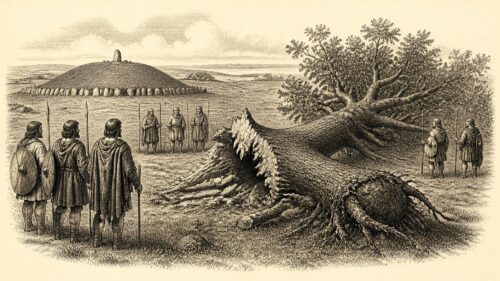
In 982, Máel Sechnaill mac Domnaill, king of Tara, raided Dál Cais territory and uprooted the Tree of Mag Adair, an inauguration symbol challenging Brian’s growing Munster power. Annalistic dating varies, but several sources connect these events with 982. Munster forces raided Osraige, gaining booty but suffering losses, while Ímar of Waterford plundered or destroyed Kildare, exposing the wealth and vulnerability of major churches. Deaths and killings among rulers in Leinster, Ulster, Connacht and smaller kingdoms highlighted unstable successions. The year reveals Ireland as interconnected competing lordships, where raids, sacred sites, ecclesiastical wealth and dynastic authority shaped political power throughout.
Read Article
Archived: 26 October 2026
Abstract
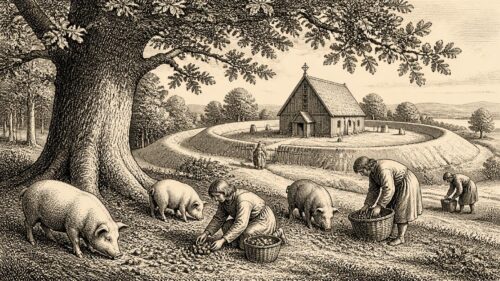
In 981, Irish annals recorded local political, ecclesiastical and environmental developments rather than a unified national story. Domnall ua hAitid, king of Uí Echach, and Loingsech son of Fogartach of Uí Nialláin killed one another, exposing fragility of regional lordship. Anmchad, elderly bishop of Kildare, died, confirming that church’s wide authority. Deaths also included successors of saints Feichín, Brendan and Comgall, whose communities sustained property, ritual and learning across Ireland. Although Máel Sechnaill’s previous victory had strengthened midland overkingship, regional rivalries endured. An unusual mast-crop highlighted woodland’s economic importance for pigs, provisioning and seasonal resources throughout early medieval Irish society.
Read Article
Archived: 26 October 2026
Abstract
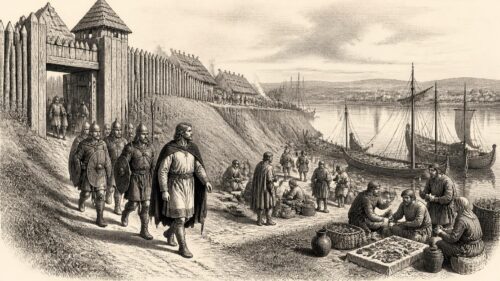
For Ireland, 979 is a year best approached through a small but unusually revealing cluster of annalistic notices. No surviving source supplies a continuous narrative, and none explains every motive or consequence. Yet the recorded capture of Domnall Claen, king of Leinster, by the foreigners of Dublin exposes the political weight of the Hiberno-Norse town at the mouth of the Liffey. Deaths and killings among rulers in Offaly, Dál Araide and Cenél Conaill show, at the same time, that power remained fragmented across many regional kingdoms. Notices of a Kildare church leader, a Clonmacnoise scholar-cleric and a foremost man of
Read Article
Archived: 26 October 2026
Abstract
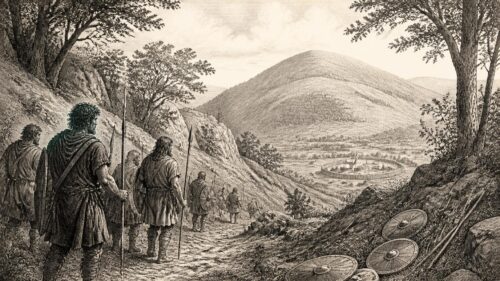
In 978, Ireland’s annals record conflict, illustrating fragmented authority among regional kings, churches and maritime powers. At Belach Lechta, Brian son of Cennétig defeated and killed Máel Muad of Cashel, securing leadership in Munster after his brother Mathgamain’s death and establishing the basis for his later ascendancy. Cork and Lismore were plundered and burned, though attackers and circumstances remain unknown. Dublin defeated Leinster at Bithlann, killing King Úgaire, while Airgialla routed Cenél Conaill in the north. Fiachra, superior of Iona, died. These events disrupted communities dependent on farming, cattle, church wealth and lordship, redistributing power without creating a unified Ireland.
Read Article
Archived: 26 October 2026
Abstract
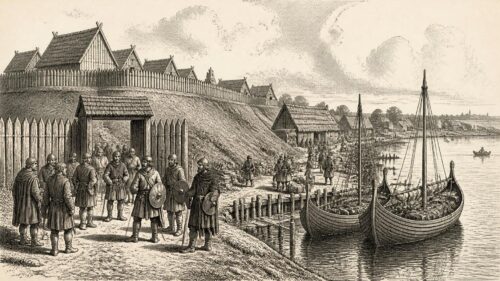
In 977, Amlaíb Cuarán, Scandinavian-Gaelic ruler of Dublin, killed Muirchertach son of Domnall ua Néill and Congalach son of Domnall, both designated royal heirs of Ireland. Their deaths weakened Domnall, king of Tara, amid contested Uí Néill succession, illustrating Dublin’s influence within intertwined Irish and Viking dynasties. Domnall also killed Gilla Coluim ua Canannáin, lord of Cenél Conaill. Annals record Conaing, successor of Moedóc, dying, while Chronicon Scotorum chronologically associates Domnall’s plundering of Adomnán’s shrine with 977. Irish sources also noted a Scottish royal killing, reflecting Irish Sea connections. Misdated records exclude Leinster and Kildare events from this calendar year.
Read Article
Archived: 26 October 2026
Abstract
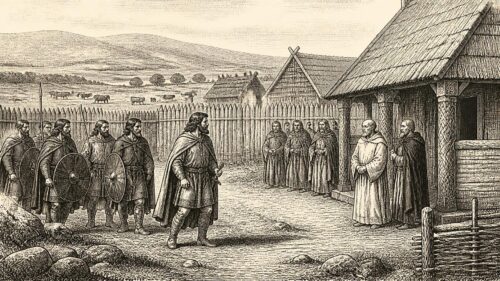
In 976, Ireland experienced political upheaval marked by Mathgamain son of Cennétig’s treacherous killing after Donnubán of Uí Fidgente surrendered him to Máel Muad despite guarantees. His death disrupted Dál Cais ascendancy in Munster, leaving Brian’s future leadership uncertain. Donnchad of Osraige and Domnall of Brega also died, while Tadc of Cianachta and Máel Sechnaill of Gabair were killed. Ecclesiastical authority remained influential yet vulnerable: Conaing died, Colum Cille’s shrine was plundered, and Nendrum’s superior was burned. Annals depict fragmented, negotiated power, linking kingship, churches, warfare and Norse-Gaelic involvement across Ireland while stressing continuity in ordinary life beyond recorded events.
Read Article





