Archived: 26 October 2026
Abstract
In 975, uneven annalistic evidence records a pressured Ireland where political, maritime, ecclesiastical, cultural and environmental concerns intersected. In Munster, Mathgamain mac Cennétig’s army killed Cormac son of Faelán, demonstrating his contested authority. Ímar escaped overseas while an island stronghold, possibly near Limerick, was retaken, confirming continuing Irish Sea rivalry. Cináed ua hArtacáin, renowned chief poet, died, depriving learned culture of an influential custodian of history and place-lore. Fogartach, abbot of Daire, died, and Ferdal of Rechru was killed by heathens. Exceptionally wet weather damaged crops, worsening vulnerability amid conflict, mobility and competition for resources across the island's linked communities.
Read Article
Archived: 26 October 2026
Abstract
In 974, the son of Aralt led a large seaborne force to plunder Inis Cathaig in the Shannon estuary and capture Ímar, probably a Limerick Scandinavian leader. The island’s bishop and abbot, the learned Scandlán Ua hEirc, also died, though no link to the raid is recorded. The episode demonstrated the vulnerability and political importance of ecclesiastical centres. Meanwhile, Máel Muad challenged Mathgamain’s Munster authority through hostage-taking. Annals also report killings, expulsions and warfare in Ailech, Mide, Leinster and Osraige, revealing a politically fragmented Ireland where dynastic conflict, maritime power, churches and local communities were closely intertwined in this year.
Read Article
Archived: 26 October 2026
Abstract
In 973, Conchobar son of Tadc, king of Connacht, died, and his kinsman Cathal was killed almost immediately after succeeding him at Céis Chorainn. Murchad ua Flaithbertaig of Ailech defeated Connacht forces, killing Géibennach of Uí Maine and others, then plundering the province. The chronology varies among annals, but Inisfallen assigns events to 973. In Munster, Dub dá Leithe of Armagh secured Patrick’s church’s levy after Mathgamain mediated with Emly’s coarb. Ecclesiastical deaths included leaders of Durrow, Clonard and Glendalough, and the anchorite Cinaed of Clonfert, demonstrating Ireland’s interconnected political and religious communities, while records leave ordinary people’s experiences unreported.
Read Article
Archived: 26 October 2026
Abstract
In 972, Mathgamain son of Cennétig led a Munster coalition that imposed three ordinances on Limerick: expelling Norse officials, driving foreigners from the town, and burning their fortress. The action transferred control of a strategic commercial centre without ending Scandinavian influence. Elsewhere, Domnall Claen treacherously killed Murchad, overking of Leinster; Áed of Ulaid died in battle against Dál nAraide; and Domnall Ua Néill burned and plundered major churches. Tuathal, abbot of Clonmacnoise, died. These events demonstrate Ireland’s fragmented politics, where dynastic rivalry, alliances, military force, resources, routes and ecclesiastical institutions shaped contested regional power, although annalistic dating requires careful interpretation.
Read Article
Archived: 26 October 2026
Abstract
In 971, Domnall ua Néill, Northern Uí Néill king of Tara, was expelled from Mide by Clann Cholmáin, exposing the fragility of his claimed supremacy. He swiftly returned with an army, plundering churches, forts and communities in Mide and raiding Uí Fhailgi and Fotharta to punish resistance and display power. The year also saw the death of Niall son of Áed, king of Ulaid, amid eastern Ulster instability; ecclesiastical succession changes at Ciarán’s and Cainnech’s communities; and Cellach ua Nuadat’s killing by foreigners at a refectory. These entries reveal conflict affecting rural society, churches, dynastic politics and Irish Sea connections.
Read Article
Archived: 26 October 2026
Abstract
In 970, annalistic evidence records conflict across northern and midland Ireland. Amlaíb Cuarán of Dublin and Domnall mac Congalaig of Brega defeated Domnall ua Néill, king of Tara, at Cell Móna, where several regional kings died. Amlaíb had earlier raided Kells with foreigners and Leinster allies, seizing cattle and defeating Uí Néill forces. Campaigning also brought atrocities: Ardgar of Ulaid sacked Conaire, while Domnall ua Néill retaliated by attacking Louth monasteries, including Lann Léire, where hundreds were burned. The sources reveal shifting alliances, Dublin’s political influence, ecclesiastical wealth’s strategic importance, and warfare’s devastating effects on communities amid uncertain annalistic dating.
Read Article
Archived: 26 October 2026
Abstract
In 969, Ireland remained a fragmented political landscape of competing kingships, churches and Scandinavian towns. Mathgamain son of Cennétig demonstrated Dál Cais ambitions in Munster by leading a hosting against the son of Bran and taking hostages, converting military pressure into overlordship. Despite Limerick’s burning in 967, its ruler Ímar retained power, killing Beólán Litil and his son. Elsewhere, rulers were killed, while Ardgal of Ulaid and Donnocán of Airgialla died in conflict involving Dublin allies. Disputed dates complicate events around Domnall ua Néill’s struggle with Clann Cholmáin. Deaths and campaigning reveal power’s dependence on communities, resources, alliances and coercion.
Read Article
Archived: 26 October 2026
Abstract
In 968, Domnall ua Néill, king of Tara, campaigned in Leinster, ravaged territory between the Barrow and the sea, exacted cattle tribute, and blockaded the Leinstermen and Dublin’s Scandinavian rulers for two months. The annals do not record Dublin’s capture. In Munster, Mathgamain son of Cennétig raided Uí Énna Áine, where Cathal son of Fogartach died, continuing Dál Cais expansion after successes against Limerick. Imlech Ibuir, or Emly, was plundered by unnamed forces. Deaths of prominent ecclesiastical successors and King Flaithbertach highlighted political and religious change. The records depict fragmented authority exercised through warfare, tribute, mobility and control of resources.
Read Article
Archived: 26 October 2026
Abstract
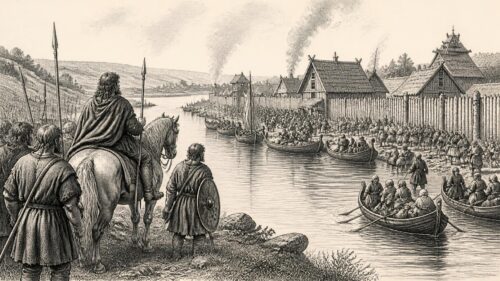
In 967, Mathgamain son of Cennétig, leader of the rising Dál Cais, defeated Limerick’s Norse forces at Sulchuait and burned the port the following morning. Recorded by Inisfallen, the episode weakened but did not end Norse power: Limerick and its ruler Ímar remained significant, requiring further action in 972. The victory strengthened Mathgamain’s claim to Munster kingship, though later tradition disproportionately associated it with his brother Brian Boru. Limerick was a commercially and strategically vital Norse-Gaelic settlement, not merely a raiders’ base. The year saw Connacht king Ferga Ua Ruairc die and Mungret abbot Conn son of Corcrán pass away.
Read Article
Archived: 26 October 2026
Abstract
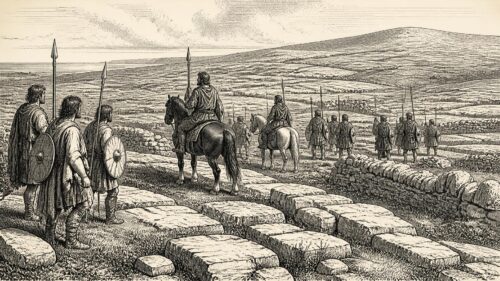
Annals for 966 record a major defeat of the Uí Ruairc alliance at Boirenn in north Clare by Comaltán Ua Cléirigh and Máel Sechnaill son of Arcda, with Taichlech Ua Gadhra among the dead. Fergal Ua Ruairc, king of Connacht, was killed by Domnall of Brega, exposing unstable regional kingship. Leinster also suffered disputed royal losses, while Armagh lost both Patrick’s successor Muiredach and its bishop, Cathasach. Conflicting chronicles complicate dating of Domnall Ua Néill’s campaigns against Leinster and Dublin. The records portray fragmented Ireland, where dynastic warfare, church offices, cattle wealth, famine’s shadow, and Dublin’s trade shaped political power.
Read Article
Archived: 26 October 2026
Abstract
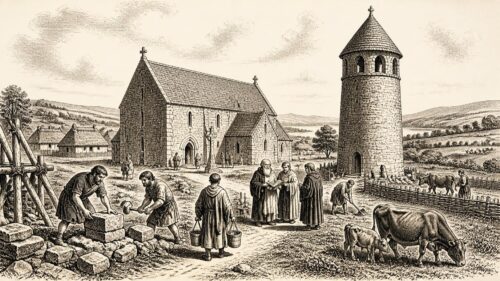
In 965 Ireland suffered a great famine, recorded by the Annals of Ulster as so severe that families reportedly sold children for food. Its causes and regional effects remain unknown, but scarcity threatened households, churches and political communities dependent on crops, cattle and stored resources. Domnall ua Néill, king of Tara, raided Connacht and took hostages from Ua Ruairc, while the Uí Channannáin won a battle killing Domnall. Ecclesiastical successions and deaths occurred at Tír dá Glas, Lismore and Armagh. Chronicon Scotorum associates bishop Cormac Ua Cillín with Tomgraney's church and bell-house, though its construction date and form remain uncertain.
Read Article
Archived: 26 October 2026
Abstract
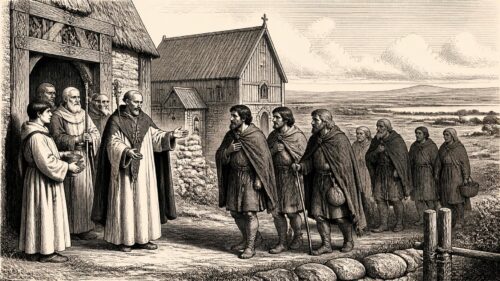
In 964, Dublin’s foreigners, led by Amlaíb Cuarán, plundered the wealthy ecclesiastical settlement of Kildare, demonstrating Dublin’s ability to project power into Leinster. Annals report that many captured clerics were ransomed by Niall ua Eruilb, whose silver-funded intervention restored people and enhanced his standing as protector of Brigit’s community. Muirenn, Kildare’s abbess or related female church officer, also died, though no source links her death directly to the raid. Chronicon Scotorum records cold, scarcity and grain dearth, while killings among northern kings and heirs reveal wider political instability. The selective record portrays a year of violence, hardship, patronage and survival.
Read Article
Archived: 26 October 2026
Abstract
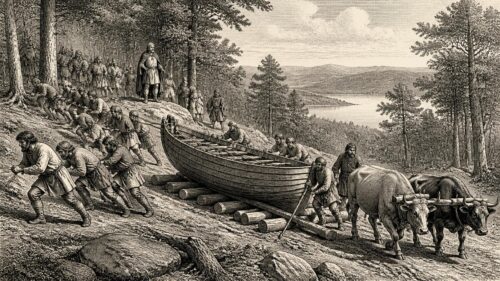
In 963, Ireland’s annals record local crises rather than a single national event. Domnall ua Néill, king of Tara, remarkably hauled ships across Sliabh Fuait, demonstrating logistical strength and political ambition. In Airgialla, Éicnech and his son were murdered by Murchad, who was himself swiftly killed, exposing dynastic instability. Donnchadh of Caisel died, Congal of Ciarraige Luachra was slain, and Tuadmumu suffered disaster on the Shannon. Ecclesiastical change included Máel Muire’s birth within Armagh’s succession and Cáenchomrac’s death at Clones. Gothfrith son of Amlaíb died. Despite uncertain annalistic chronology, these events reveal plural lordships linked by kinship, churches and waterways.
Read Article
Archived: 26 October 2026
Abstract
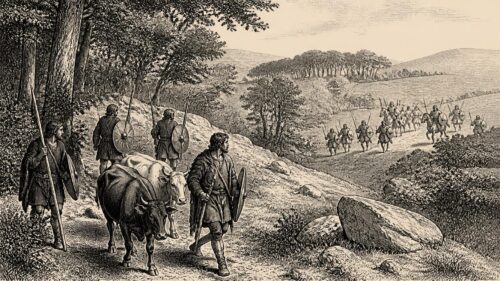
For Ireland, 962 is a year best approached through a small cluster of annalistic notices rather than a single commanding narrative. Those notices are unusually revealing. They record a failed northern raid, the killing or death of several rulers across the island, and a parallel change in Alba. Together they show a political world made up not of a unitary state but of overlapping kingships, kin-groups, ecclesiastical interests and strategic routes. The clearest event was the death of Flaithbertach son of Conchobar, king of Ailech, after an expedition into Dál nAraide. It was a sharp reminder that even a ruler
Read Article
Archived: 26 October 2026
Abstract
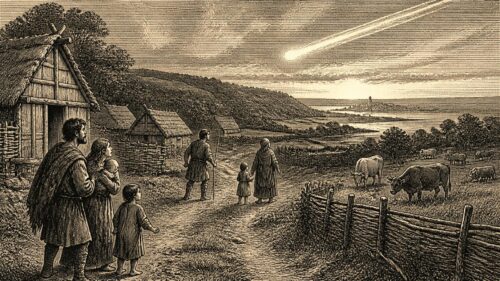
Conventionally assigned to 961, though annalistic chronologies differ, the year is chiefly marked by a reported fiery arrow travelling across Leinster from the south-west towards Áth Cliath, killing people and livestock. Its nature and stated thousand deaths remain unverifiable, but the notice records an exceptional environmental shock affecting agrarian communities and Dublin’s hinterland. The annals also note deaths of rulers in Uí Briúin Seóla, Dartraige and Cashel, the latter two killed by their own people, revealing unstable regional lordship. Ecclesiastical leaders at Clogher, Cork and Lismore died, underscoring churches’ institutional importance. Together, the entries depict politically fragmented, interconnected tenth-century Ireland.
Read Article
Archived: 26 October 2026
Abstract
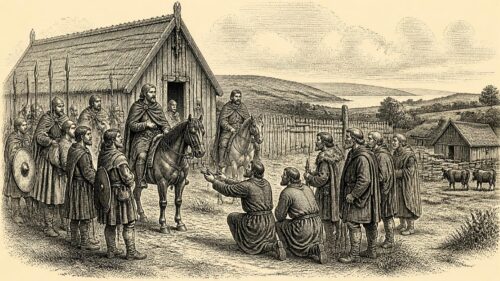
For Ireland in 960, the surviving record is brief but unusually revealing. It does not offer a single decisive battle, a royal inauguration or a named treaty. Instead, the nearest contemporary annalistic sequence preserves a cluster of movements: a northern ruler took pledges in Dál Araide; a man of the Dublin dynasty suffered defeat at an otherwise uncertain place; a figure called Muiredach made a wide circuit of Connacht; and Cathmug, associated with the great church of Lismore, died. Read carefully, these notices illuminate the practical business of power in a country of many kings, river routes and ecclesiastical communities.
Read Article
Archived: 26 October 2026
Abstract
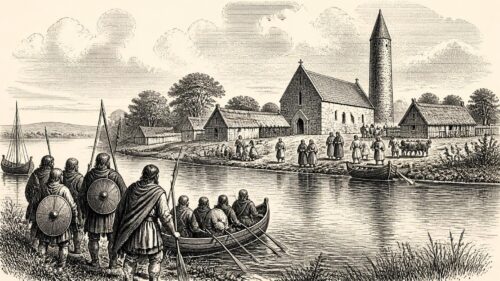
In 959, Irish annals record Munster men plundering Clonmacnoise, a wealthy ecclesiastical settlement strategically placed on the Shannon. The sources provide no commander, destruction or link to the killing of Dub dá Bairenn, king of Cashel, by his own people, but together indicate instability within Munster. In the north, Domnall son of Muirchertach led an expedition into Dál nAraidi and took hostages, demonstrating lordship through coercion. Deaths of senior churchmen, including successors of Caemgen and Colum Cille and Lismore's superior Maenach, marked important ecclesiastical successions. Differing annalistic dates require caution, although the evidence supports securely assigning these events to 959.
Read Article
Archived: 27 October 2026
Abstract
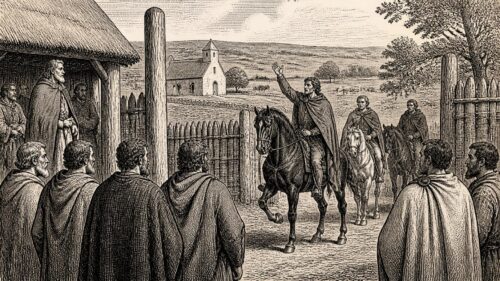
In 958, Ireland’s annalists recorded no single battle that reordered the island, no spectacular raid on a famous monastery, and no weather disaster on the scale sometimes preserved in their terse notices. Yet the year mattered. It marked the death of Tuathal son of Augaire, overking of Leinster, at a moment when authority in the province was being contested between rival Irish dynasties and negotiated under the shadow of Viking Dublin. It also brought a cluster of deaths among abbots, bishops and church administrators. Taken together, these entries reveal an Ireland in which political succession, ecclesiastical office and regional power
Read Article
Archived: 27 October 2026
Abstract
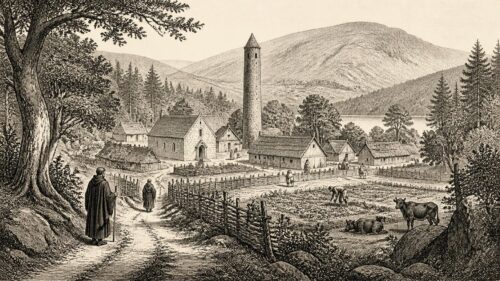
In 957, Irish annals chiefly record deaths of important royal and ecclesiastical office-holders rather than warfare or major events. During Domnall ua Néill’s early reign, following Congalach’s violent death, Máel Fothartaig, king of Caisel, and Máel Coluim ua Canannáin, king of Cenél Conaill, died, opening significant regional successions. Cathasach of Druimthorraid, successor of Patrick and learned bishop, also died, leaving Armagh’s influential Patrician institution without its head. Flann ua hAedacáin, superior of Glendalough, Colmán, successor of Mo-Laise, and other figures were likewise commemorated. The sparse record reveals interconnected political, religious and local authority, while obscuring ordinary lives and succession processes.
Read Article
Archived: 27 October 2026
Abstract
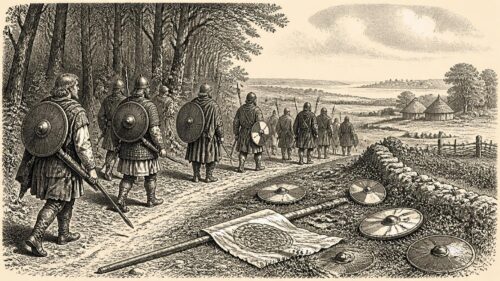
A King Killed in Leinster The decisive Irish event conventionally placed in 956 was the killing of Congalach Cnogba, king of Ireland, at Tech Giurann in Leinster. The Annals of Ulster name his attackers as the foreigners of Áth Cliath—Dublin—and the Laigin, or Leinstermen; they also record the death of Áed son of Aichid, king of Tethbae, and “many others”. Chronicon Scotorum makes the disaster still more explicit: Congalach fell with his royal household, and names Matudán son of Áed son of Máel-mithig and Cormac son of Cathalán, king of Fir Arda, among the dead. This was not a routine
Read Article
Archived: 27 October 2026
Abstract
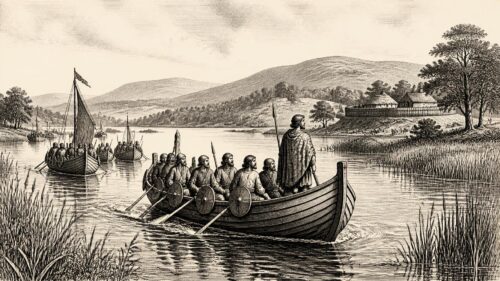
In 955, according to annalistic chronology, Domnall son of Muirchertach led ships from northern waters through Lough Neagh, Airgialla, Lough Erne and Lough Oughter into Bréifne, where he plundered and took hostages from Ua Ruairc. The expedition demonstrated the political importance of waterways and coercive overlordship. Dates and claims to high kingship remain disputed: Congalach Cnogba was still campaigning before his recorded death in the following annalistic year. Other notices record Leinster fighting and Domnall’s raid, Fearghal’s fleet on Loch Cé, and deaths among secular and ecclesiastical leaders. Together, they depict Ireland where forces, lordship, monasteries and networks shaped power.
Read Article
Archived: 27 October 2026
Abstract
In 954, Irish annals record a great cattle murrain throughout Ireland, threatening wealth, food supplies, tribute and political power. Ua Ruairc inflicted a major defeat on Cairpre and Tethba, killing their king, amid wider instability in the midlands and north-west. Congalach of Tara faced growing pressure from Domnall ua Néill, supported by Dublin, while violence also affected Brega. Cellachán, king of Cashel, died, weakening Éoganacht prominence as Dál Cais influence grew. Numerous bishops, abbots and ecclesiastical successors also died, demonstrating church networks’ importance. Differing annalistic accounts require caution, particularly because Congalach’s death belongs to 956, not 954, in reliable records.
Read Article
Archived: 27 October 2026
Abstract
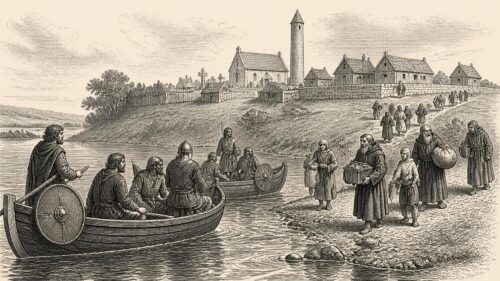
In 953, Clonmacnoise, a wealthy ecclesiastical settlement and strategic Shannon crossroads, was plundered by Munstermen accompanied by foreigners from Limerick. Although annals differ in dating and identify no commander, the raid demonstrates cooperation between Gaelic rulers and Norse-Gaelic urban forces, rather than a simple Irish-Viking division. It exposed the vulnerability of churches whose wealth, communications and prestige made them political targets. Congalach mac Máel Mithig’s high kingship provided precedence but limited practical control, while local conflict continued elsewhere. Annals also note dynastic and ecclesiastical deaths, including Congalach’s wife Eithne, illustrating interconnected political, religious and regional networks in tenth-century Ireland then.
Read Article
Archived: 27 October 2026
Abstract
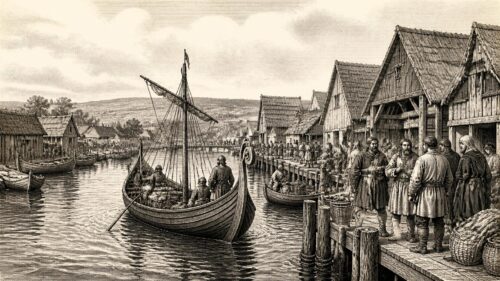
In 952, Amlaíb Cuarán was expelled from York and, according to Irish tradition and modern scholarship, returned to Dublin, redirecting his ambitions towards Ireland. His arrival followed Dublin’s recent raids, disease and political disruption, and unsettled his alliance with Congalach Cnogba, king of Tara. Domnall son of Donnchad, Clann Cholmáin heir to Tara, died, weakening a rival midlands dynasty; Flann ua Cléirig of southern Connacht also died. Ferdomnach of Clonmacnoise and Glendalough, alongside other ecclesiastical leaders, died. Dublin remained a thriving maritime trading centre using mixed forms of wealth, not yet its own coinage. No securely dated Irish battle occurred.
Read Article
Archived: 27 October 2026
Abstract
Annals for 951 record a Munster foray by Cellachán and Donnchadh against Clonfert and Clonmacnoise, illustrating monasteries’ religious and political importance. They also note the death of Cennétig son of Lorcán, Dál Cais ruler and Cashel claimant, whose loss altered north Munster’s balance without ensuring his descendants’ ascendancy. Differently aligned annals associate the period with Dublin-led raids in Meath, captivity, disease among Dublin’s foreigners and bee mortality, but chronology remains uncertain. Congalach remained high king amid fragmented authority. The records portray Ireland as a contested network of dynasties, churches and Scandinavian forces, where violence, wealth, belief and environmental disruption intersected.
Read Article
Archived: 27 October 2026
Abstract
In 950, Ruaidrí ua Canannáin of Cenél Conaill pursued a serious claim to Tara, maintaining pressure on Mide and Brega for six months. His campaign ended at Muine Brócáin, where Dublin’s foreigners killed him and his kinsman Niall, preserving Congalach Cnogba’s position. Annalistic dates and battle figures vary, but the principal events are secure. Dublin’s forces also burned Sláine’s bell-house, killing clergy and destroying sacred objects. Elsewhere, Donnchad of Mide and Matudán of Ulaid died in kin-based conflicts. The year exposed fragmented kingship, politically engaged churches, Dublin’s inland influence, rural warfare, and seasonal environmental conditions, including an exceptional mast crop.
Read Article
Archived: 27 October 2026
Abstract
Records conventionally associated with 949 illuminate violence and chronological uncertainty in tenth-century Ireland. Annals differ over the date of Ruaidrí Ua Canannáin’s raid into Fir Lí, during which Flaithbertach, son of Muirchertach and grandson of Niall Glúndub, was killed. The episode marked Cenél Conaill’s success against rival Cenél nEógain. Elsewhere, Matudán of Ulaid and Niall grandson of Erulb plundered Conaille and districts, while Congalach of Brega ravaged Uí Méith and Fernmag, demonstrating authority. Obits for Aedán of Tuaim Dá Ghualann and Fogartach of Airgialla reflect ecclesiastical importance and Christian commemoration. Sparse sources reveal local warfare, not a national turning point.
Read Article
Archived: 27 October 2026
Abstract
In 948, Congalach mac Máel Mithig, king of Brega and claimant to Tara, defeated and killed Blacair, ruler of Dublin’s Scandinavian dynasty. Annals differ over casualties and date, but agree that Blacair’s following suffered a defeat, perhaps through stratagem. The encounter reflected shifting alliances, dynastic rivalry and competition between Dublin’s prosperous port and neighbouring Irish kingdoms, rather than a simple ethnic conflict. Dublin survived under new rulers, while Congalach remained challenged by rivals. Conflict also affected churches: Colmán of Sláine died in captivity, and Clonmacnoise mourned Ainmire. Notices of Máel Sechnaill’s birth and Gormlaith’s death preserve dynastic and religious memory.
Read Article
Archived: 27 October 2026
Abstract
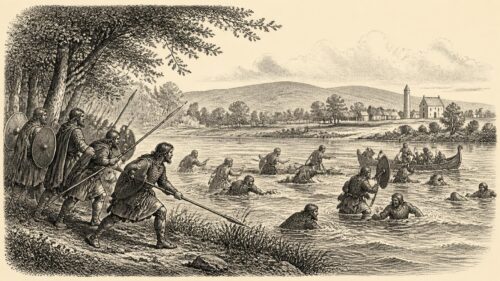
In 947, Ruaidrí ua Canannáin of Cenél Conaill defeated Congalach of Brega and Dublin's Amlaíb Cuarán at Sláine near the Boyne, killing or drowning many Dublin warriors. The encounter formed part of competing claims to Tara, not a national war, and highlighted Dublin's role in Irish politics. Elsewhere, Osraige routed Leinster, killing King Braen and other leaders, while northern nobles also died in obscure conflict. Cenél nÉogain made a notable silver gift to Armagh, affirming political and religious ties. Annals recorded ecclesiastical deaths, a travelling preacher, and marvels, revealing intertwined warfare, patronage, Christianity, and Irish Sea connections during the year.
Read Article
Archived: 27 October 2026
Abstract
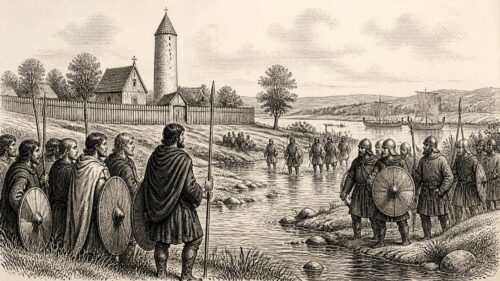
The year 946 sits in a difficult but revealing stretch of Irish history. It was a time when the claim to be king of Ireland was real enough to inspire campaigns, alliances and tribute, but not strong enough to make the island a single kingdom. Power rested in regional dynasties, church federations and the new Hiberno-Scandinavian town of Dublin. In the midlands and north-east, two Uí Néill contenders, Congalach Cnogba of Brega and Ruaidrí ua Canannáin of Cenél Conaill, were testing one another’s strength. Dublin’s ruler, Amlaíb Cuarán, was not an outsider to that contest: his forces could be allies,
Read Article





