
c.1890s
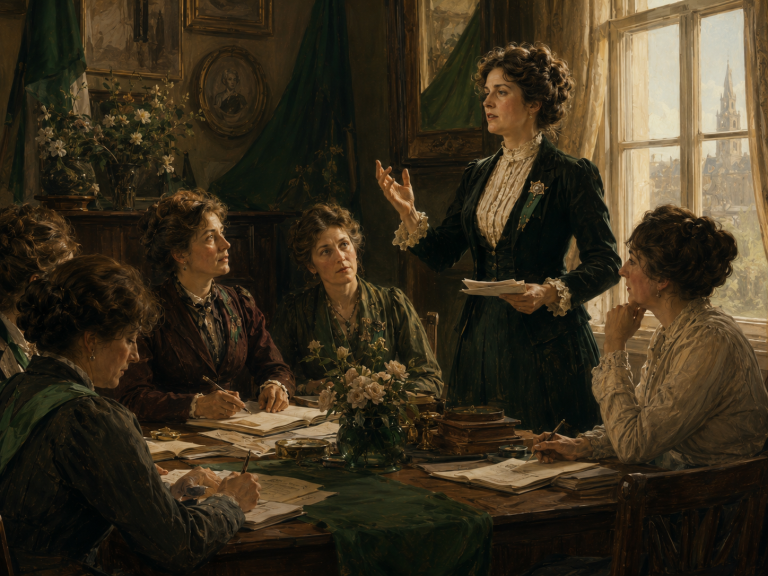
Limerick’s 1890s were shaped by nationalism, local democracy, industrial employment and persistent poverty. The fall of Charles Stewart Parnell divided political loyalties, while Fenian veteran John Daly returned from prison and became a powerful civic figure. The Local Government Act of 1898 created elected county and district councils, widening participation in public affairs. Bacon factories, docks, railways, shops and building trades supported thousands, but overcrowded housing, disease and insecure wages remained common. International trade influenced agricultural prices and employment. New technologies, popular newspapers and organised sport changed leisure. Ordinary citizens entered 1900 expecting continued reform while facing inequality and emigration.
1890 49 items

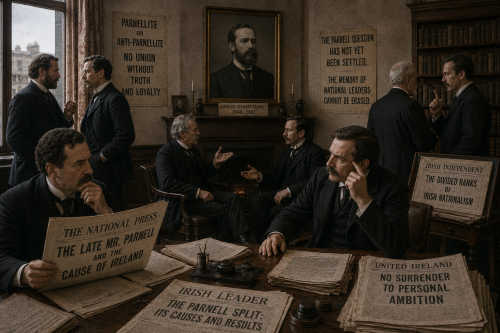
Factional Shadows
The legacy of the Parnell split continued to shape personal rivalries within Irish nationalism nearly a decade after the parliamentary rupture of December 1890. Charles Stewart Parnell’s refusal to surrender the party leadership during the crisis created by the O’Shea divorce case divided former colleagues into Parnellite and anti-Parnellite camps. Political disagreement quickly became entangled with questions of loyalty, honour and betrayal. Parnell’s death in October 1891 removed the central figure but did not settle the quarrel. Memories of who had defended him, abandoned him or challenged his authority remained powerful within parliamentary groups, newspapers, constituency organisations and personal relationships.
View Article1891 1 item
1892 0 items
No published items are currently assigned to this period.
1893 0 items
No published items are currently assigned to this period.
1894 2 items
1895 0 items
No published items are currently assigned to this period.
1896 0 items
No published items are currently assigned to this period.
1897 0 items
No published items are currently assigned to this period.
1898 14 items
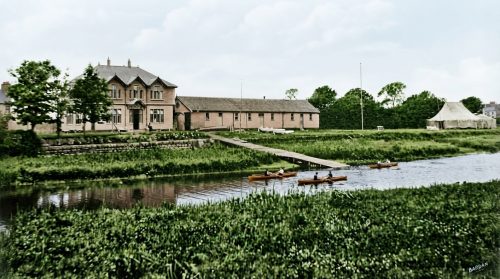
Boat Club
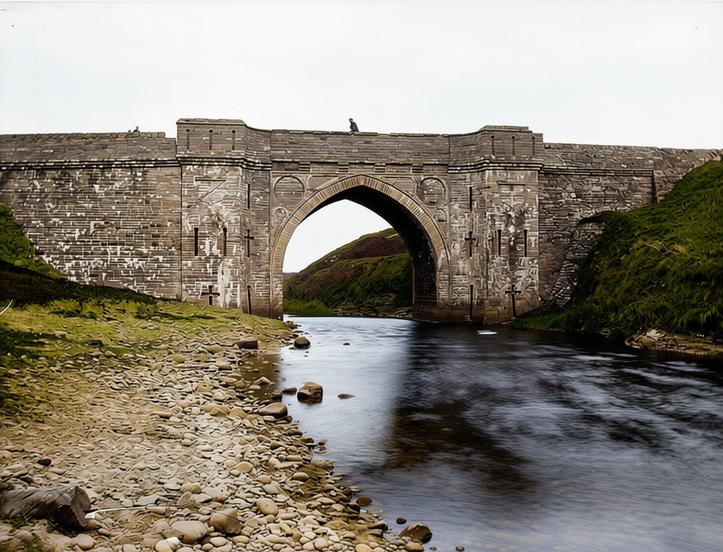
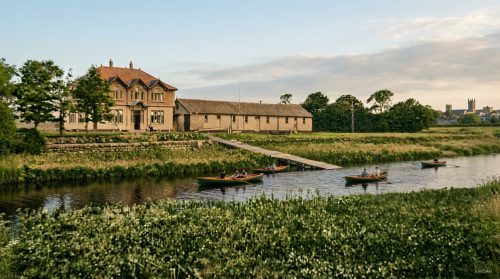
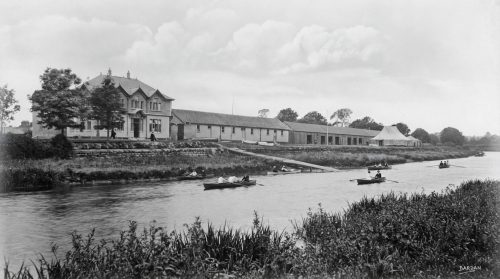
Athlunkard Boat Club was founded in 1898, taking its name from its home beside O’Dwyer Bridge at the end of Athlunkard Street. By the 1930s, the club was already firmly woven into Limerick’s rowing tradition, with a proud record on the water. Its greatest distinction came through the Senior Eight Championship, which Athlunkard won twice, in 1913 and 1923. That achievement made it the only Limerick club to secure the title on two occasions. Its riverside presence and competitive success gave Athlunkard Boat Club a lasting place in the sporting history of the city and the wider Shannon rowing community.
View Image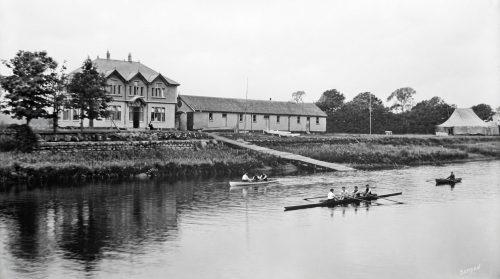
Boat Club
Athlunkard Boat Club was founded in 1898, taking its name from its home beside O’Dwyer Bridge at the end of Athlunkard Street. By the 1930s, the club was already firmly woven into Limerick’s rowing tradition, with a proud record on the water. Its greatest distinction came through the Senior Eight Championship, which Athlunkard won twice, in 1913 and 1923. That achievement made it the only Limerick club to secure the title on two occasions. Its riverside presence and competitive success gave Athlunkard Boat Club a lasting place in the sporting history of the city and the wider Shannon rowing community.
View Image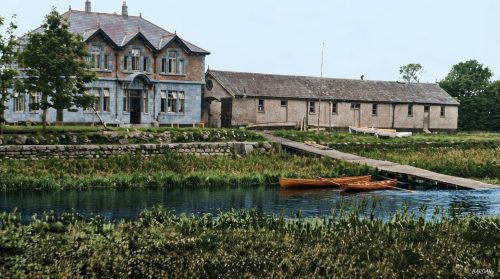
Boat Club
Athlunkard Boat Club was founded in 1898, taking its name from its home beside O’Dwyer Bridge at the end of Athlunkard Street. By the 1930s, the club was already firmly woven into Limerick’s rowing tradition, with a proud record on the water. Its greatest distinction came through the Senior Eight Championship, which Athlunkard won twice, in 1913 and 1923. That achievement made it the only Limerick club to secure the title on two occasions. Its riverside presence and competitive success gave Athlunkard Boat Club a lasting place in the sporting history of the city and the wider Shannon rowing community.
View Image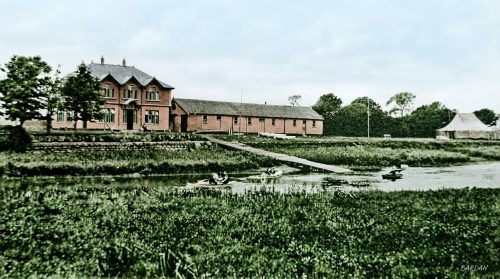
Boat Club
Athlunkard Boat Club was founded in 1898, taking its name from its home beside O’Dwyer Bridge at the end of Athlunkard Street. By the 1930s, the club was already firmly woven into Limerick’s rowing tradition, with a proud record on the water. Its greatest distinction came through the Senior Eight Championship, which Athlunkard won twice, in 1913 and 1923. That achievement made it the only Limerick club to secure the title on two occasions. Its riverside presence and competitive success gave Athlunkard Boat Club a lasting place in the sporting history of the city and the wider Shannon rowing community.
View Image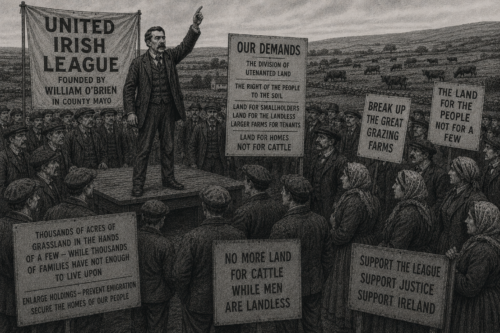
Boat Club
Athlunkard Boat Club was founded in 1898, taking its name from its home beside O’Dwyer Bridge at the end of Athlunkard Street. By the 1930s, the club was already firmly woven into Limerick’s rowing tradition, with a proud record on the water. Its greatest distinction came through the Senior Eight Championship, which Athlunkard won twice, in 1913 and 1923. That achievement made it the only Limerick club to secure the title on two occasions. Its riverside presence and competitive success gave Athlunkard Boat Club a lasting place in the sporting history of the city and the wider Shannon rowing community.
View Image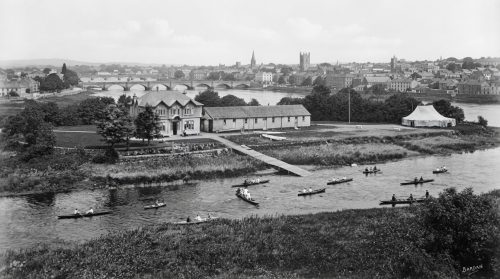
Boat Club
Athlunkard Boat Club was founded in 1898, taking its name from its home beside O’Dwyer Bridge at the end of Athlunkard Street. By the 1930s, the club was already firmly woven into Limerick’s rowing tradition, with a proud record on the water. Its greatest distinction came through the Senior Eight Championship, which Athlunkard won twice, in 1913 and 1923. That achievement made it the only Limerick club to secure the title on two occasions. Its riverside presence and competitive success gave Athlunkard Boat Club a lasting place in the sporting history of the city and the wider Shannon rowing community.
View Image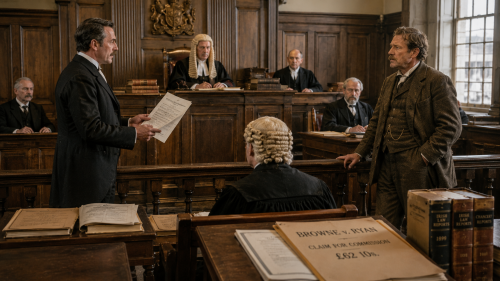
Mortgage Fetter
A mortgage dispute involving County Limerick auctioneer John Browne and Patrick Ryan, a farmer of Ryaninch in County Tipperary, reached the Irish courts in 1900 after Browne sought £62 10s in commission from the sale of Ryan’s property. What appeared to be an ordinary contractual claim raised a larger question about the limits placed upon mortgage lenders. Browne relied upon a separate agreement connected with a £200 loan, but Ryan argued that its terms improperly burdened his right to redeem the mortgaged land and recover complete control once the debt had been repaid.
View Article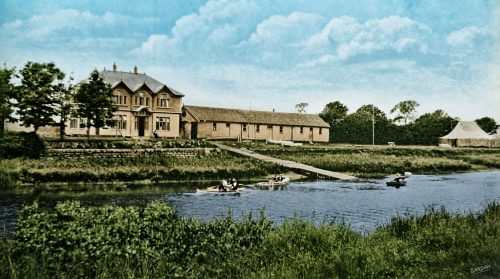
Boat Club
Athlunkard Boat Club was founded in 1898, taking its name from its home beside O’Dwyer Bridge at the end of Athlunkard Street. By the 1930s, the club was already firmly woven into Limerick’s rowing tradition, with a proud record on the water. Its greatest distinction came through the Senior Eight Championship, which Athlunkard won twice, in 1913 and 1923. That achievement made it the only Limerick club to secure the title on two occasions. Its riverside presence and competitive success gave Athlunkard Boat Club a lasting place in the sporting history of the city and the wider Shannon rowing community.
View Image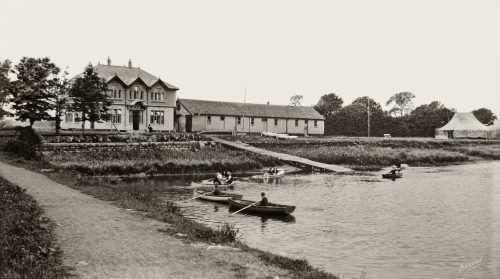
Boat Club
Athlunkard Boat Club was founded in 1898, taking its name from its home beside O’Dwyer Bridge at the end of Athlunkard Street. By the 1930s, the club was already firmly woven into Limerick’s rowing tradition, with a proud record on the water. Its greatest distinction came through the Senior Eight Championship, which Athlunkard won twice, in 1913 and 1923. That achievement made it the only Limerick club to secure the title on two occasions. Its riverside presence and competitive success gave Athlunkard Boat Club a lasting place in the sporting history of the city and the wider Shannon rowing community.
View Image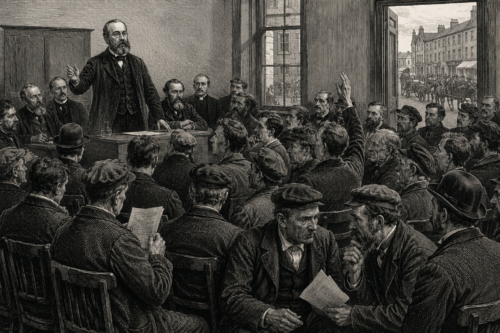
Boat Club
Athlunkard Boat Club was founded in 1898, taking its name from its home beside O’Dwyer Bridge at the end of Athlunkard Street. By the 1930s, the club was already firmly woven into Limerick’s rowing tradition, with a proud record on the water. Its greatest distinction came through the Senior Eight Championship, which Athlunkard won twice, in 1913 and 1923. That achievement made it the only Limerick club to secure the title on two occasions. Its riverside presence and competitive success gave Athlunkard Boat Club a lasting place in the sporting history of the city and the wider Shannon rowing community.
View Image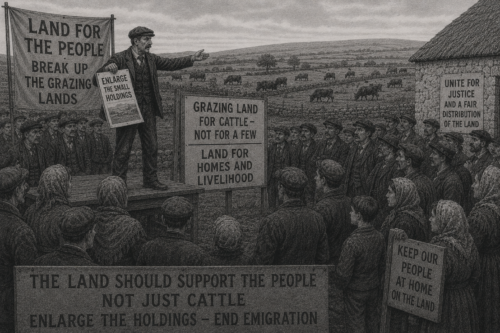
Holdings Enlarged
Campaigners are demanding that uneconomic smallholdings be enlarged through the redistribution of extensive grazing land. The United Irish League argues that thousands of rural families remain confined to farms too small or too poor to provide a secure livelihood while nearby grasslands support cattle but comparatively few people. Its organisers want owners and large occupiers to release untenanted land so that neighbouring holdings may be expanded. In County Limerick, where the size and quality of a farm often determine whether a family can remain at home, the proposal will be judged as both an agricultural reform and a defence against emigration.
View Article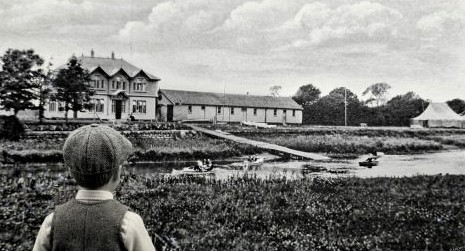
Boat Club
Athlunkard Boat Club was founded in 1898, taking its name from its home beside O’Dwyer Bridge at the end of Athlunkard Street. By the 1930s, the club was already firmly woven into Limerick’s rowing tradition, with a proud record on the water. Its greatest distinction came through the Senior Eight Championship, which Athlunkard won twice, in 1913 and 1923. That achievement made it the only Limerick club to secure the title on two occasions. Its riverside presence and competitive success gave Athlunkard Boat Club a lasting place in the sporting history of the city and the wider Shannon rowing community.
View Image1899 11 items

Reunion Talks
John Redmond’s Parnellite followers entered formal discussions with their former anti-Parnellite opponents as pressure mounted to end nearly a decade of nationalist division. Redmond had led the minority that remained loyal to Charles Stewart Parnell after the Irish Parliamentary Party split in December 1890. The larger anti-Parnellite body was principally associated with John Dillon, while Timothy Healy commanded another influential grouping. Their separate organisations had competed for authority, funds and electoral support throughout the 1890s, weakening the parliamentary movement and leaving constitutional nationalism without the concentrated leadership it had possessed under Parnell.
View Article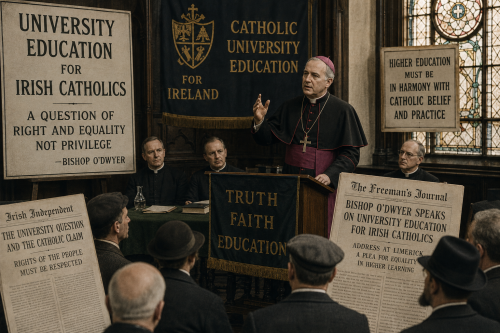
University Demand
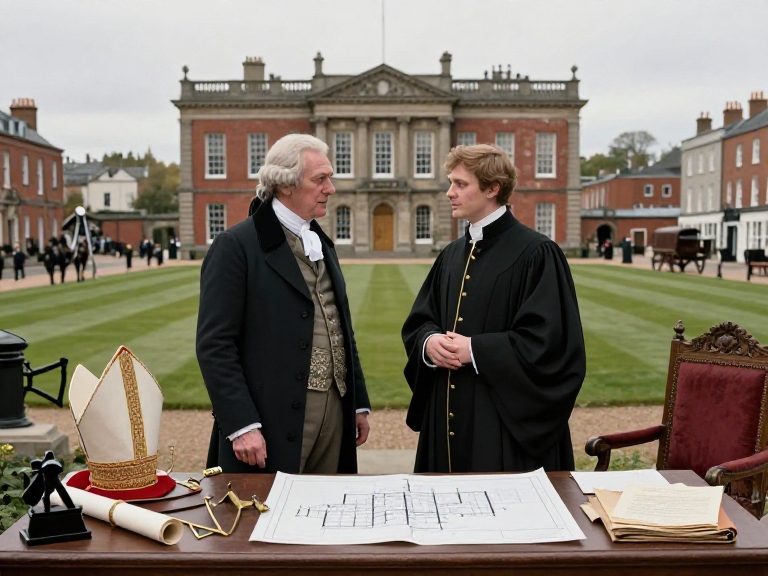
Bishop Edward Thomas O’Dwyer of Limerick delivered a prominent intervention in the continuing dispute over university education for Irish Catholics. He argued that the existing system failed to provide higher education on terms acceptable to the religious convictions of most of Ireland’s population. Catholic students could enter Trinity College Dublin or prepare for examinations through institutions connected with the Royal University, but church leaders maintained that neither arrangement offered a complete university environment shaped by Catholic belief and practice. O’Dwyer presented the question as one of educational equality rather than a request for clerical privilege.
View Article
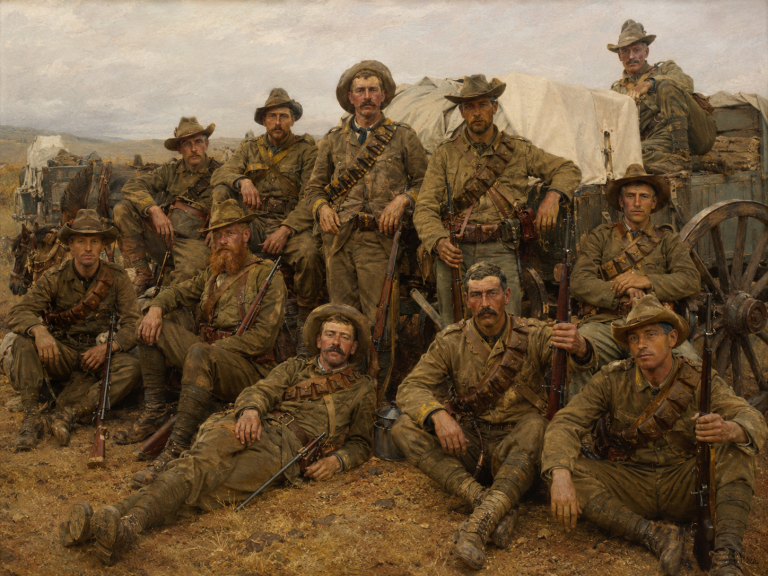
Battalion Arrives
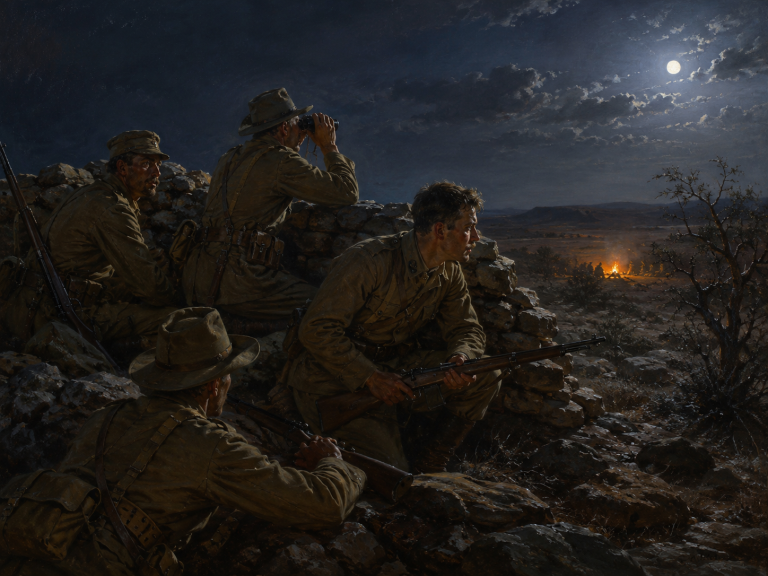
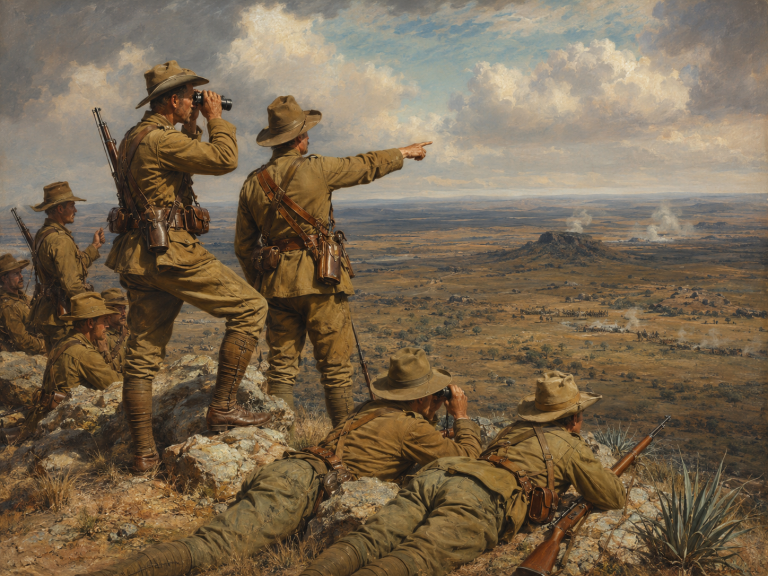
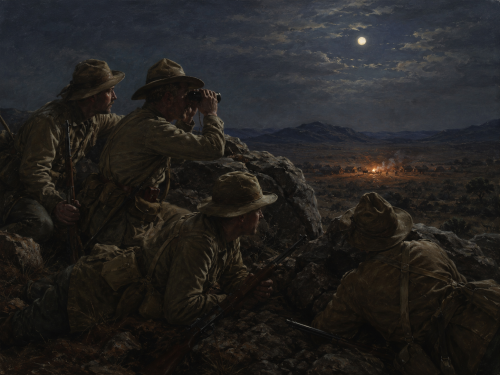
The 1st Battalion of the Royal Irish Regiment reached the Cape aboard the troopship Gascon on 7 January, completing a voyage that had begun on 14 December. Its arrival formed part of Britain’s accelerating military reinforcement of South Africa after the serious reverses suffered during the opening months of the war. The soldiers disembarked into an unfamiliar summer climate after spending more than three weeks at sea, carrying rifles, uniforms, personal kit and the expectations of a campaign whose duration remained uncertain. Their landing transformed the battalion from a home-based regiment into an active component of Britain’s expanding field army.
View Article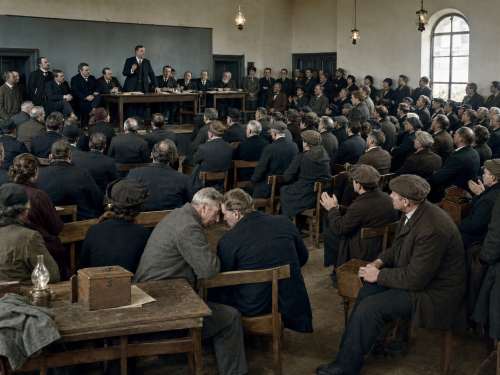
Unity Resolutions
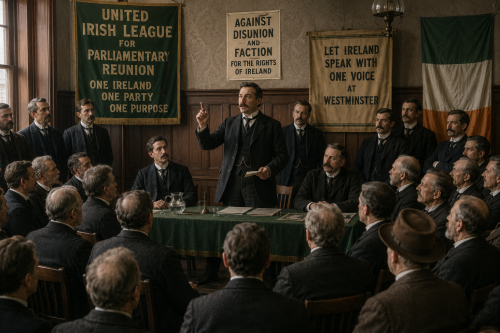
Local political organisations passed resolutions supporting a united Irish parliamentary representation as impatience grew with the divisions inherited from the fall of Charles Stewart Parnell. United Irish League branches, nationalist associations and constituency bodies increasingly argued that rival parliamentary groups should place national interests above personal quarrels. Their declarations carried no direct authority over individual MPs, but they reflected the opinion of activists who organised meetings, raised subscriptions and supplied much of the labour required during elections. Continued factionalism therefore threatened not only parliamentary effectiveness but the willingness of local supporters to sustain representatives who refused to cooperate.
View Article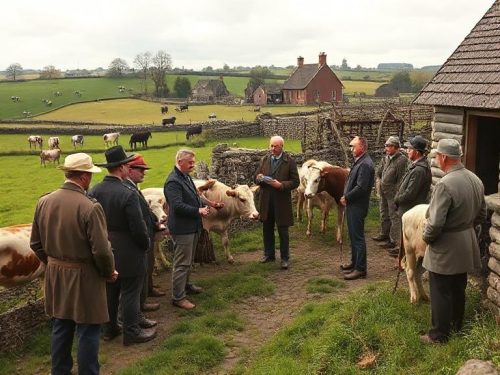
Unity Resolutions
Local political organisations passed resolutions supporting a united Irish parliamentary representation as dissatisfaction deepened with the factional divisions inherited from the fall of Charles Stewart Parnell. United Irish League branches, nationalist associations and constituency bodies increasingly treated reunion as a public obligation rather than a private matter for rival leaders. Their resolutions urged parliamentarians to restore cooperation, accept common discipline and present Ireland’s claims through one organised party at Westminster. Such declarations did not possess formal authority over every MP, but they demonstrated that continued separation risked alienating local supporters whose votes, subscriptions and organisational labour sustained constitutional nationalism.
View Article
Yeomanry Depart
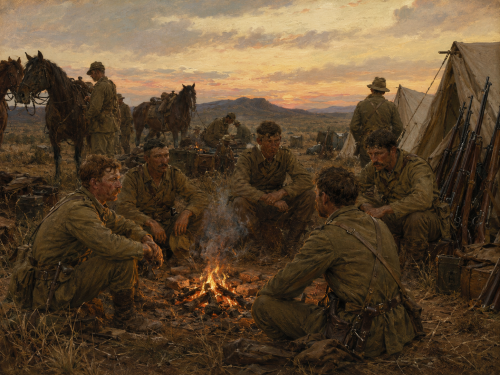
Reports from Cape Town in early March 1900 carried the movement of the Leicestershire Yeomanry into Limerick homes already preoccupied with the South African War. The 7th (Leicestershire) Company of the 4th Battalion, Imperial Yeomanry, had reached the Cape near the end of February and was ordered inland with its battalion on 4 March. Although this county contingent had not been recruited in Limerick, its departure held local meaning because the Royal Munster Fusiliers drew heavily from Limerick city and county, while their 1st Battalion was already serving in South Africa.
View Article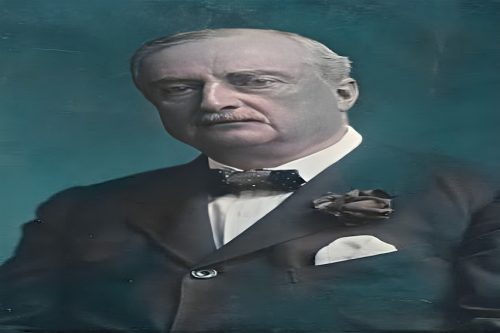
Reunion Negotiations
John Redmond’s Parnellite followers opened formal communications with their former anti-Parnellite opponents as pressure intensified to repair the divisions created by the fall of Charles Stewart Parnell. Since the parliamentary split of 1890, Irish constitutional nationalism had broken into competing groups whose leaders differed over authority, organisation and political strategy. Redmond led the principal Parnellite body, John Dillon commanded much of the anti-Parnellite majority, and Timothy Healy exercised influence through a separate following. Years of rivalry had weakened nationalist discipline at Westminster and frustrated supporters who believed that factional quarrels were obstructing Home Rule and land reform.
View Article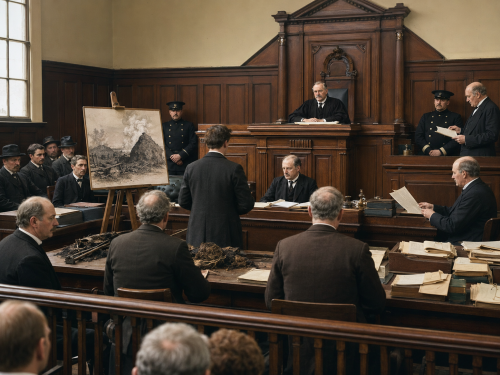
Roads Conflict
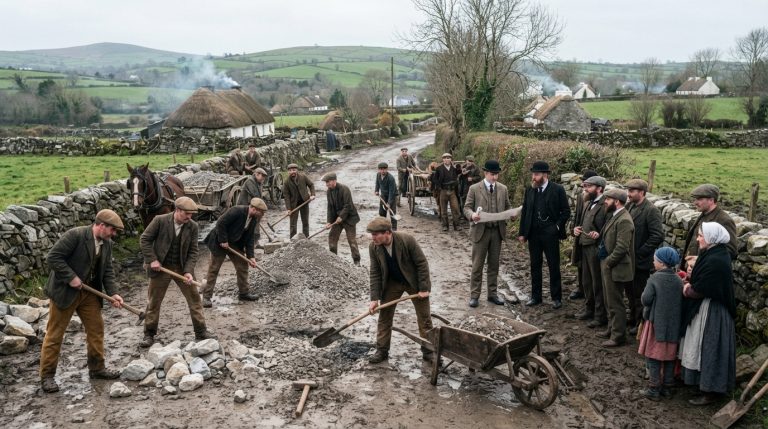
Judge Richard Adams awarded £105 compensation at Limerick County Crown Court for hay maliciously burned at Templebredin on the night of 6 December 1899. The claimant, T. M. English, had sought £116 for the destroyed property and argued that hostility arose from his position during a dispute over the maintenance of public roads. Evidence presented to the court connected the burning with an increasingly bitter campaign for the direct employment of labourers by the newly established local authorities. The case brought a rural employment controversy from council meetings into the formal machinery of criminal injury compensation.
View Article